Cart is empty
02/16/2026
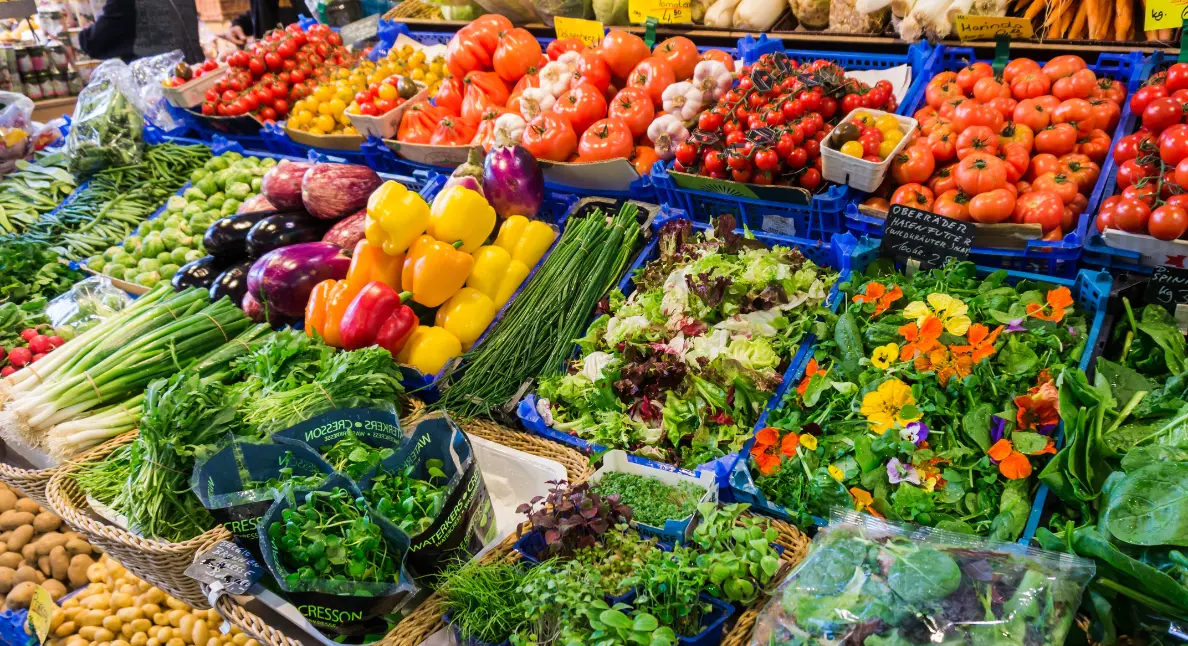
The Saturday morning ritual is familiar to millions. Reusable bags slung over one shoulder, a slow walk past stalls overflowing with knobby heirloom tomatoes, hand-labeled jars of honey, and bundles of herbs still damp from the morning harvest. Most people who shop at local food markets already know the basics. The produce is fresher, the prices can be competitive, and it feels good to buy from a real person instead of a fluorescent-lit aisle. But the real story runs much deeper than freshness and affordability. A growing body of research reveals that your weekly trip to the local market quietly reshapes your mental health and the economic resilience of your entire community. These aren't marginal gains. Some of them are genuinely transformative. Here are 15 benefits that go well beyond the obvious. Reasons that might change how often you visit, and what you pay attention to when you get there.
Your Brain Gets a Sensory Workout. It Doesn't Get Anywhere Else
Walking through a local food market is a multisensory experience your brain recognizes as fundamentally different from a supermarket run. You're smelling fresh basil next to woodfire smoke, hearing conversations and live music, touching unfamiliar root vegetables, and visually processing a stimulating landscape of colors and textures. This kind of rich sensory stimulation may help keep your brain young. Multisensory engagement is already used therapeutically with dementia patients, with studies showing it can improve both cognitive function and mood. For healthy adults, the principle still holds: mental stimulation across multiple senses simultaneously may help prevent or delay cognitive decline.
Shopping Outdoors Quietly Recalibrates Your Stress Response
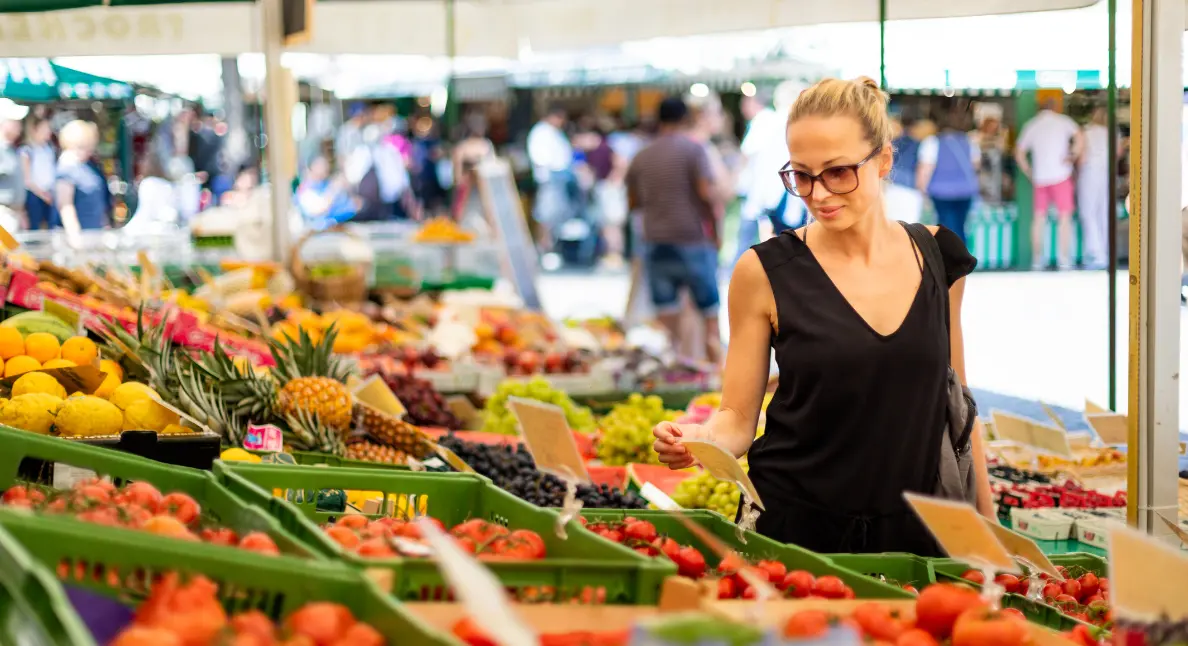
Most local food markets are held outdoors. That alone carries measurable mental health weight. Research consistently links time spent outdoors, particularly in green or natural settings, to reduced cortisol levels, lower blood pressure, and improved mood. It's the combination of gentle physical activity, social interaction, and natural light. You're not going to therapy. You're buying peaches. But the effect on your nervous system is real.
It Builds Food Literacy in Children — Naturally and Without Lectures
If you've ever struggled to get a child interested in eating vegetables, a local food market might accomplish in one visit what months of dinner-table negotiation couldn't. The reason is experiential learning. When children see a farmer, touch an unfamiliar squash, or watch someone press apples into cider, food stops being an abstract obligation and becomes a story they're part of.
The USDA has documented this effect through programs like the Power of Produce (POP) Club, which originated at the Oregon City Farmers Market. At the Charlottesville City Market, a survey found that 83% of children who participated in POP Club activities tried and liked a new food, which is a remarkable conversion rate for any nutrition intervention.
Children learn where eggs come from, why strawberries aren't available in January, and what a rutabaga actually is. That knowledge compounds over the years into genuine food literacy, the ability to plan, select, prepare, and eat food in ways that support health. In a country where one in five children is obese and one in six struggles with food insecurity, this kind of early education is not a luxury.
Your Gut Microbiome Gets the Diversity It's Starving For
People who consumed 30 or more different kinds of plants per week had significantly more diverse gut microbiomes than those who ate fewer than 10. The diversity of plants mattered more than broad dietary labels like "vegan" or "omnivore." Here's where local markets shine. A typical supermarket carries the same 20-30 produce items year-round. A local market rotates its offerings with the seasons, introducing you to unfamiliar greens, heritage grain varieties, unusual root vegetables, and fruits you've never heard of. That natural rotation pushes you toward exactly the kind of plant diversity your gut bacteria need.
Locally grown, minimally processed produce retains more of its environmental microbes. Beneficial soil bacteria that help diversify and strengthen the gut microbiome. When produce is heavily washed, waxed, and packaged for long-distance shipping, much of that microbial exposure is lost. Eating local, in a very literal sense, reconnects your body to the microbial ecosystem around you.
It Forces You Into Culinary Creativity (In the Best Way)
Shopping at a local food market changes the way you think about cooking. Instead of executing a pre-planned recipe, you respond to what’s freshest, most vibrant, and in season. It pushes you towards a deeper engagement with ingredients.
- Market-Driven Cooking: Local markets flip the traditional meal-planning model. Rather than shopping for specific recipes, you build meals around what looks freshest that day. This adaptive approach encourages flexibility, sharpens improvisational skills, and helps you think like a chef responding to ingredients instead of rigid instructions.
- Discovering New Ingredients: Seasonal stalls often feature unfamiliar produce, like fava beans, heirloom peppers, specialty greens, or regional varieties rarely stocked in chain stores. Encountering something new forces experimentation. You research, taste, adjust, and expand your culinary repertoire in ways routine supermarket shopping rarely inspires.
- Flavor That Simplifies Technique: A ripe summer tomato or freshly harvested pepper requires minimal seasoning to shine. Because the ingredient does more of the work, you can focus on simple methods like roasting, grilling, or serving raw with confidence.
- Cooking With the Rhythm of the Seasons: When availability shifts weekly, your meals evolve naturally throughout the year. Spring greens give way to summer tomatoes, then autumn squash. This seasonal rhythm prevents menu fatigue and encourages ongoing creativity as you adapt to each phase of the harvest.
- Sharpening Culinary Instincts: Without a strict recipe roadmap, you rely more on taste, texture, and balance. You learn how acidity brightens vegetables, how heat transforms sweetness, and how freshness affects cooking time.
Your kitchen becomes more interesting, and so does your palate. Tools like Local Cart can make this even easier, helping you discover what's in season near you and connecting you directly with local vendors so you always know what's available before you head out the door.
Every Dollar You Spend Recirculates Through Your Community at Twice the Rate
The economic argument for local food markets goes far beyond "supporting small farms." Every $1 million in revenue, direct-market farms create nearly 32 local jobs, compared to just 10.5 from large wholesale operations. Studies in Iowa and Oklahoma showed every dollar spent at a farmers' market generated an additional $0.58 to $1.36 in sales at neighboring businesses. The reason is that 89% of direct-marketing farmers purchase supplies from local businesses, compared to just 45% among larger wholesale farms. Your money recirculates locally rather than leaving the community immediately through a corporate supply chain.
It Reduces Your Exposure to Ultra-Long Supply Chains
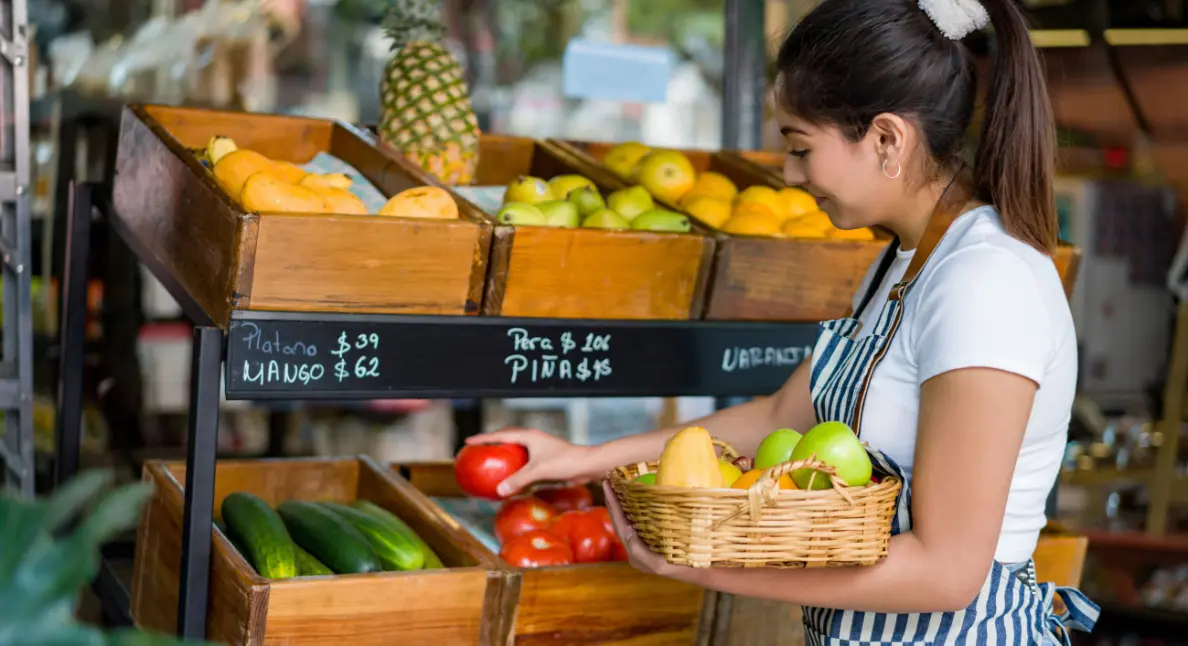
The 2019 pandemic revealed what many hadn't considered: when supply chains spanning thousands of miles break down, grocery shelves empty fast. Local food markets proved remarkably resilient, because the distance between producer and consumer was measured in miles, not continents.
The Environmental Footprint Is Smaller — But Not for the Reason You Think
The common argument is that buying local reduces "food miles" and therefore emissions. Transportation accounts for only about 5-9% of food's total carbon footprint, and production accounts for roughly 83%. Simply buying local doesn't automatically make your diet low-carbon. Where local markets genuinely win is in three areas that food-miles calculations miss.
- Reduced packaging: produce arrives loose or in reusable crates, not in plastic clamshells.
- Reduced food waste: shorter supply chains mean fresher produce that lasts longer, and vendors often sell cosmetically imperfect items that supermarkets would reject.
- Support for diversified farming: local farms tend to grow a wider range of crop varieties, supporting soil health, pollinators, and regional biodiversity.
The environmental case isn't "zero food miles." It's a fundamentally different system that generates less waste and supports healthier land management.
It Gives You Honest Answers About How Your Food Was Grown
At a local food market, the person selling you strawberries is often the same person who grew them. You can ask about pest management practices, soil amendments, irrigation methods, and harvest timing. This transparency isn't just philosophically satisfying. Consumers rate freshness, food safety, and growing practices as extremely important reasons for shopping at farmers' markets, with over 93% citing these factors.
This direct relationship also creates accountability. A farmer who sees the same customers every Saturday has a powerful incentive to maintain quality and be honest about their methods. There's no corporate PR department to manage the message, just a person standing behind their product.
It Exposes Your Children to a Healthier Relationship With Money and Value
This one rarely appears on lists of market benefits, but parents notice it immediately. When a child watches you hand cash to a farmer and receive a bag of apples in return, they're witnessing the most direct, understandable economic transaction possible. There's no abstract card swipe, no conveyor belt, no self-checkout screen. For young children, this is foundational financial literacy. They begin to understand that food costs money, that money goes to real people, and that the price reflects real labor.
It Anchors You in the Rhythm of the Seasons
Modern food retail has achieved something that would have seemed miraculous to previous generations: it has made seasons invisible. You can buy tomatoes in December, strawberries in March, and pumpkins in June. The price might fluctuate, but availability almost never does.
Local food markets reverse this by making seasonality tangible again. You experience the anticipation of the first asparagus in April, the abundance of summer berries, the shift to root vegetables and winter squash in October. Seasonal eating pattern to better gut microbiome diversity, because when your diet shifts with the seasons, you naturally consume a wider range of plant species across the year, rather than the same narrow set of supermarket staples month after month.
Start small. Visit your local market once this month. Buy one thing you've never cooked before. Talk to one vendor about how they grow their food. Bring a child if you have one. Notice how the experience feels different from a supermarket run. If you're not sure where to find markets near you, local food store platforms make it easy to discover local vendors, see what's in season, and plan your visit before you leave the house. The barrier to entry is lower than it's ever been.
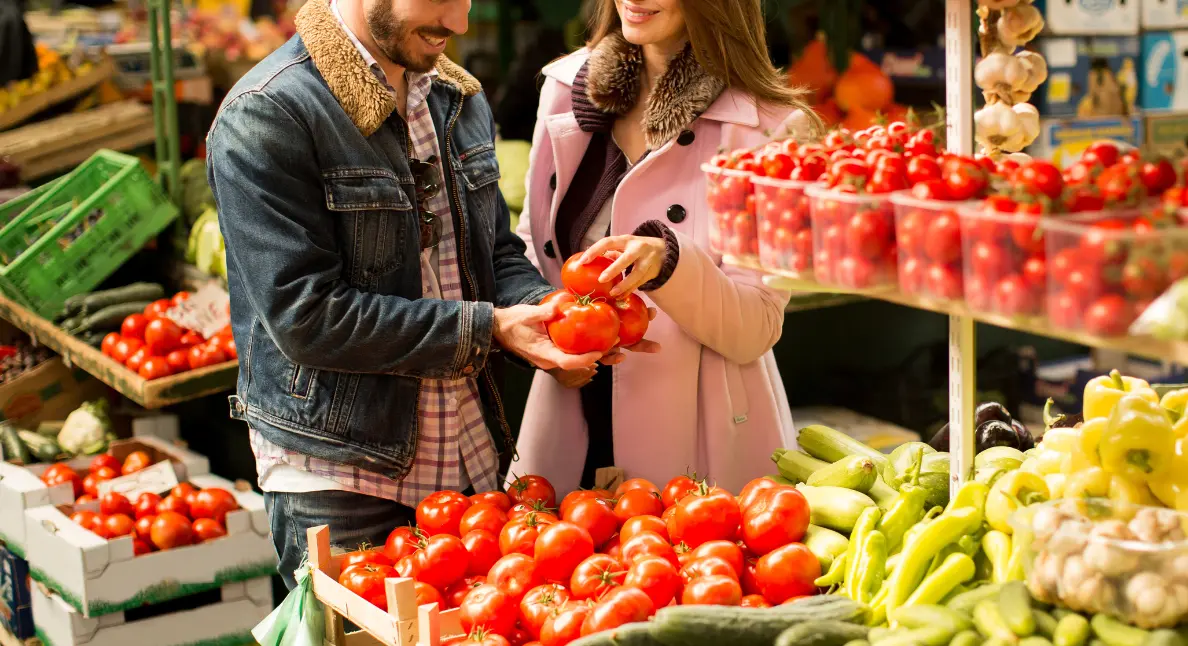
The benefits above aren't separate line items on a checklist. They're interconnected. The mental health boost comes from the outdoor setting and the social interaction. The culinary creativity comes from the seasonal constraints. The gut health improvement comes from dietary diversity. Community economic resilience comes from money staying local. Pull one thread and the others follow. Your local food market isn't just a place to buy groceries. It's a place where your health, your community, and your food system get a little better, one Saturday morning at a time.
Sources:
- Beyond Produce: National Survey Reveals Diverse Benefits of Farmers Market Attendance — University of Wisconsin-Madison Extension (2025)
- Four Brain Benefits From the Farmers' Market — Psychology Today
- Farmers Markets Enhance Our Overall Wellness — Penn State Extension
- Farmers Markets: Teaching Kids Where Food Comes From — USDA
- Development of Food Literacy in Children and Adolescents — Nutrients (PMC, 2024)
- 30 Plants Per Week: The Microsetta Initiative — UC San Diego
- Are Local, Seasonal Foods Healthier? — University of Colorado Anschutz Medical Campus
- A Healthy Gastrointestinal Microbiome Is Dependent on Dietary Diversity — Molecular Metabolism (PMC)
- Farmers Markets Stimulate Local Economies — Farmers Market Coalition
- Local Foods — USDA Economic Research Service
- Retail Farm Market Benchmark Project 2025 — Penn State Extension
- You Want to Reduce the Carbon Footprint of Your Food? Focus on What You Eat, Not Whether It's Local — Our World in Data
- The Sustainability of "Local" Food: A Review for Policy-Makers — PMC
- Food Safety and Food Quality Perceptions of Farmers' Market Consumers — Food Control (ScienceDirect)
- Farmers Market Food Safety: A Comprehensive Review — Journal of Food Systems
- Food Insecurity, Neighborhood Food Environment, and Health Disparities — American Journal of Clinical Nutrition (PMC, 2024)
- Building Regenerative Local Food Systems to Enhance Community Health — ODPHP / Health.gov
- Why Seasonal Eating Matters for Your Gut — BugSpeaks
About Us
Local Cart is an easy and convenient platform where local food and beverage entrepreneurs can meet and serve their customers in this new Covid-19 world. We help them more quickly pivot their business from the traditional dine-in or walk-in to a pick-up and/or delivery model. We preserve communities by keeping alive the mom & pop shops they have come to love and depend on for their sense of place.
