Cart is empty

03/27/2026
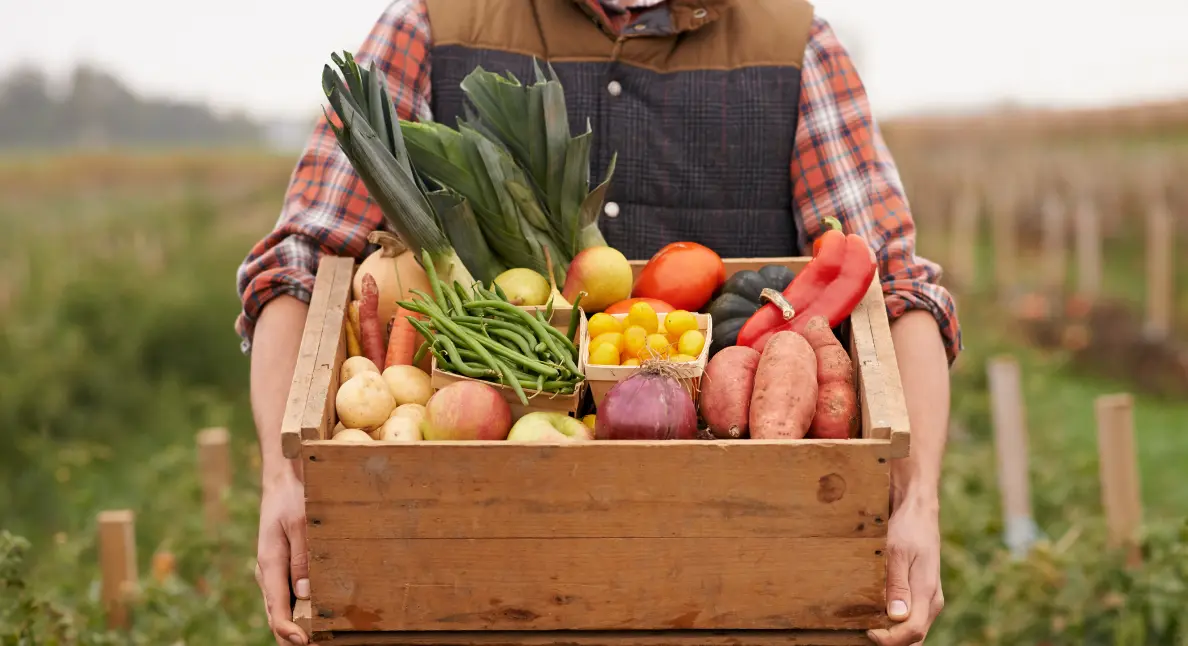
Every small-farm operator eventually reaches the same crossroads. You've grown enough product to sell; you know you want to sell it directly to the people eating it; now you need to decide how. The three channels that dominate direct-to-consumer (DTC) agriculture, such as farmers' markets, community supported agriculture (CSA) programs, and on-farm stands, each promise a shorter path between your field and your customer's kitchen table. But they demand wildly different things from your operation and your personality. Producers sold $17.5 billion in food through direct marketing channels, a 25 percent increase over the previous census after adjusting for inflation. Direct-to-consumer sales specifically accounted for $2.9 billion of that total. This post breaks down all three channels head-to-head so you can make a strategic decision instead of a hopeful one.
What Each Channel Actually Looks Like Day to Day
Before comparing economics, it helps to understand the operational reality of each model, because the day-to-day experience is where most farmers either thrive or burn out.
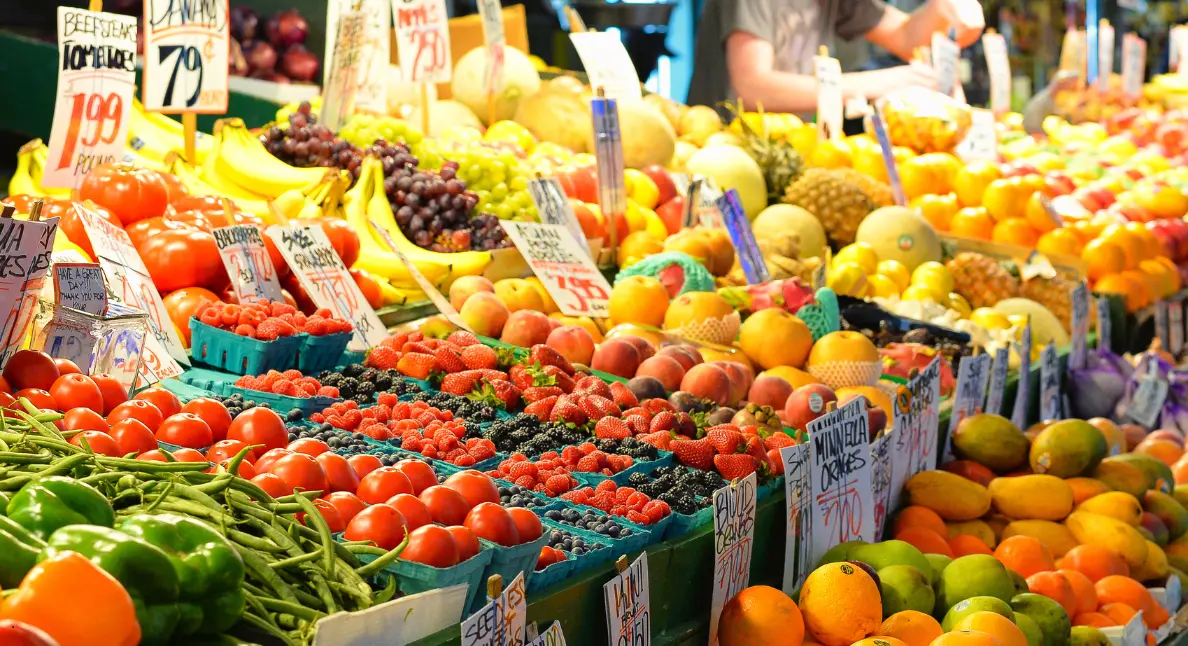
- Farmers' markets mean loading a truck before dawn, driving to a designated location, setting up a booth, staffing it for four to six hours, engaging with every passerby, breaking down, and driving home. This is typically one to three days per week during the season. You're selling individual items at retail prices to walk-up customers who may or may not return next week. Your income on any given market day depends on foot traffic, weather, competition from the vendor two stalls over, and whether you brought the right product mix.
- CSA programs front-load the work differently. You spend the off-season marketing shares, signing up members, and planning production to fill weekly boxes for a set number of households. During the growing season, you harvest specifically for those boxes, pack them, and either deliver to drop-off points or have members pick up on-farm. The customer relationship is subscription-based. Members pay upfront (or in installments) for a season's worth of produce.
- Farm stands are the most location-dependent model. You set up a permanent or semi-permanent retail point on or near your property and sell to whoever drives by or seeks you out. Your stand can operate daily throughout the season with relatively little active labor if you design it that way, or it can become a full retail operation requiring dedicated staff.
Each model shapes your week, your cash flow, and your customer relationships in fundamentally different ways.
The Economics: Revenue, Margins, and Cash Flow Compared
Farmers Market Economics
Most established vendors at mid-size farmers' markets gross $400 to $800 per market day. After subtracting booth fees (typically $20 to $75 per day), transport costs, packaging, and product costs, net income runs roughly $250 to $550 per day. A vendor working two markets per week can realistically net $40,000 to $60,000 annually from market sales alone.
First-season vendors usually earn 30 to 60 percent less while building name recognition and a repeat customer base. Booth fees vary by market prestige and location. Some high-traffic urban markets charge percentage-based fees of 5 to 10 percent of daily sales instead of flat rates. Farmers market vendors receive 40 to 70 percent more for their products than wholesale outlets pay, making the retail premium the primary financial draw.
CSA Economics
CSA revenue is front-loaded by design. Members pay before the season, giving you operating capital when you need it most: during planting and early growth. A typical small CSA with 50 members, priced at $500 to $700 per share, generates $25,000 to $35,000 in committed revenue before the first harvest.
But the economics are fragile, and that fragility isn't obvious from the outside. The average CSA retention rate across 80 California farms was just 62.9 percent. In some regions, 30 to 50 percent annual member turnover is common. That means you may need to replace a third or more of your membership each year, and the cost of acquiring new members through marketing erodes the prepaid-revenue advantage that makes CSA attractive in the first place. A CSA's overall profitability is negatively associated with the percentage of total farm sales coming through the CSA channel. Farms that rely too heavily on CSA income alone tend to be less profitable than those that diversify across multiple sales channels.
Farm Stand Economics
Farm stands offer the highest potential margin per dollar of product sold because you eliminate transport costs, market fees, and most packaging expenses. You set your own prices, keep 100 percent of revenue, and can operate with minimal labor. Some stands run successfully on an honor system with no staff at all. A basic setup can start under $500 with a table, signage, and a cash box, while a permanent structure with refrigeration and point-of-sale systems can run $2,000 to $10,000 or more. The economic risk is concentrated in the location. A stand on a well-traveled road near a residential area may generate strong daily revenue. The same stand on a rural back road may sit idle.
Labor, Time, and the Hidden Cost of Each Channel
Time and energy are finite, and each channel consumes them differently. Farmers' markets are the most labor-intensive per sales hour. Between harvest, packing, loading, driving, setup, selling, breakdown, and return travel, a single market day can consume 10 to 14 hours of labor. If you're staffing two or three markets weekly, that's 20 to 40-plus hours devoted solely to selling.
CSA programs shift the labor burden toward planning and logistics. You need systems for harvest scheduling, box packing, variety rotation, member communication, and pickup or delivery coordination. The weekly rhythm is more predictable than farmers' markets, but the commitment is absolute: your members expect a box every week, regardless of what the weather, pests, or equipment failures did to your field that week. The psychological weight of that obligation is real, even if it doesn't show up on a balance sheet.
Farm stands require the least active labor for selling. An unstaffed stand with clear signage and a secure payment method can generate sales while you're in the field. The labor goes into restocking, maintaining the display, and keeping the area clean and inviting.
Customer Relationships and Brand Building
The type of customer relationship you build differs dramatically by channel, and this matters more than most new farmers appreciate. At a farmers' market, you meet a high volume of people, but most interactions are brief and transactional. You're building brand awareness through repeated exposure. The customer who walks by your booth eight Saturdays in a row before finally buying becomes a regular on the ninth visit. Farmers' markets are unmatched for discovering new customers and testing new products. They're also where food writers, restaurant buyers, and local media are most likely to find you. CSA creates the deepest customer relationships, but with a smaller customer base. Your members are invested in your farm's success. They tolerate imperfect tomatoes and unfamiliar vegetables because they've bought into the relationship, not just the product.
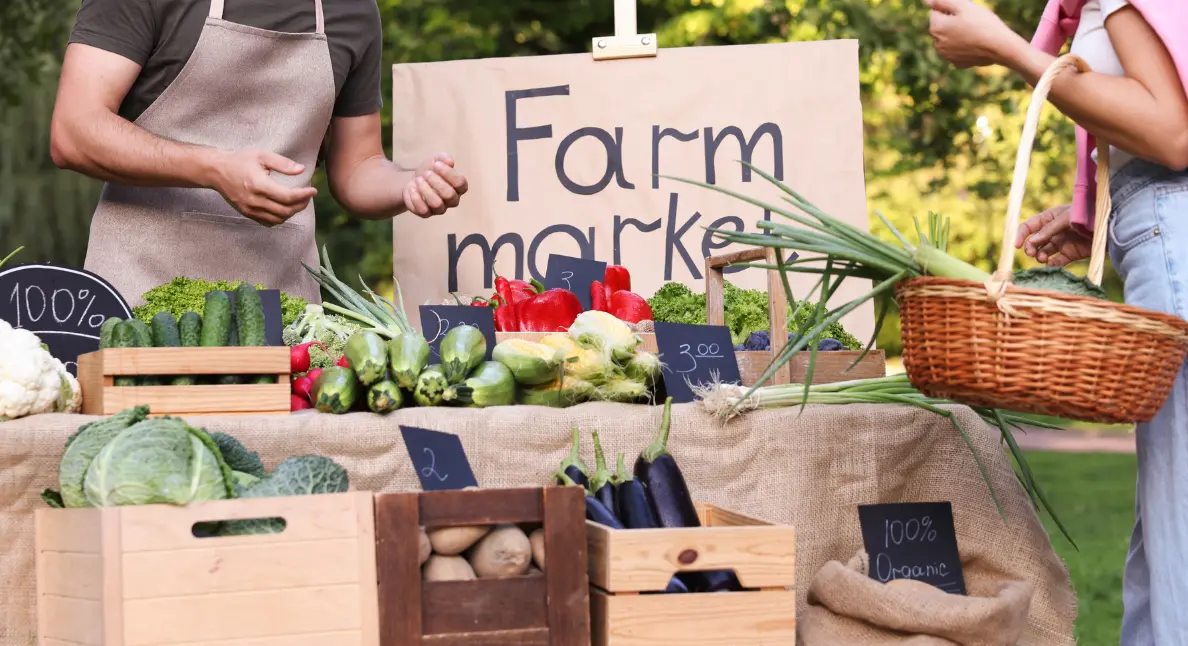
A farm stand builds relationships with your immediate geographic community. Your regulars are your neighbors. This creates a loyal, hyper-local customer base, but growth is capped by your location's traffic patterns. Platforms like Local Cart can extend that reach by connecting your farm with consumers searching for local producers beyond your immediate roadside traffic, giving your stand a digital storefront that works even when the physical stand is closed.
How to Match the Right Channel to Your Farm's Situation
No channel is universally "best." The right choice depends on a specific set of variables unique to your operation.
- Assess your location honestly. If your farm is on or near a well-traveled road with easy pull-off access, a farm stand is a strong candidate. If you're remote, a stand will underperform regardless of how good your product is. Farmers' markets let you bring your product to the customers instead.
- Audit your available labor. If you're a solo operator or working with family only, farmers' markets demand the most hours per dollar earned. A CSA concentrates labor into harvest-and-pack days. A farm stand distributes labor most evenly across the week.
- Consider your cash flow needs. If you need capital before the season to buy seed, supplies, or equipment, CSA's prepaid model is hard to beat. Farmers' markets generate revenue weekly during the season, but nothing in the off-season. Farm stands generate income only when they are open and stocked.
- Evaluate your production diversity. CSA works best when you grow a wide variety of crops, as members expect a mix each week. Farmers' markets allow you to specialize. Farm stands are flexible but benefit from having enough variety to justify a stop.
- Factor in your growth timeline. Farmers' markets offer the fastest path to market with the lowest upfront commitment. CSA requires significant pre-season marketing and planning. A permanent farm stand requires the most upfront infrastructure investment but the lowest ongoing operating cost.
Combining Channels: Why the Best Farms Rarely Pick Just One
The most financially resilient small farms diversify their sales channels rather than betting everything on a single model. A common and effective combination looks like this:
- Use farmers' markets for customer acquisition, brand visibility, and product testing during your first one to two seasons
- Launch a CSA program once you have enough brand recognition and production capacity to fill 30 to 50 shares reliably, leveraging your market customers as your first members
- Add a farm stand when your on-farm infrastructure and location support it, capturing local drive-by traffic and providing a low-labor sales channel that runs parallel to your other efforts
- Expand your reach with an online presence through marketplaces like Local Cart that let customers discover and purchase from local producers, adding a digital DTC channel that complements your physical ones
This layered approach hedges against the risks inherent in each channel while compounding the benefits.
The direct-to-consumer landscape for farms is shifting fast. Online grocery sales in the U.S. hit $9.9 billion in August 2024 alone, a 7 percent year-over-year increase, and the local food segment is riding that wave. Currently, 13 percent of all $1.6 trillion in U.S. retail grocery sales happen online, with significant room to grow. This means that all three traditional channels now benefit from a digital complement. Farmers market vendors use online pre-ordering so customers can reserve products before market day, reducing waste and guaranteeing sales. The farms gaining the most ground are those treating their digital presence not as a separate channel but as an amplifier for their physical ones. A customer who finds you through a local producer marketplace might become a farmers market regular, then a CSA member, then a farm stand frequent, each channel feeding the others.
Sales of regenerative and sustainably produced products have surged 20 percent year-over-year, with the market projected to grow 15 percent annually through 2030. Consumers increasingly want to know where their food comes from and who grew it. Direct sales channels are uniquely positioned to deliver that transparency. The question isn't whether to sell direct. It's which combination of channels will let your specific farm do it sustainably, profitably, and without burning you out.
Whatever you choose first, plan for the second channel from day one. The farms that thrive long-term are the ones that build a portfolio of sales channels, each reinforcing the others and protecting against their weaknesses. The $17.5 billion direct-to-consumer market is growing, and there's room for your farm in it. The strategic question is simply where to plant your flag first.
Sources:
- USDA 2022 Census of Agriculture: Strong Growth in Direct Sales
- University of Maryland Extension: A Booth at the Farmers' Market
- ATTRA: Farmers Market Pricing Strategies for Vendors
- Retaining Members of Community Supported Agriculture (CSA) in California — Sustainability Journal
- UC Davis: The (Un)making of "CSA People" — Member Retention and the Customization Paradox
- Oregon State University Extension: Is Starting a Farm Stand Right for You?
- Cornell Cooperative Extension: Starting a Roadside Farm Stand
- Farming First: How Digital Marketplaces Are Empowering Small Farmers
- USDA Agricultural Marketing Service: Farmers Markets and Direct-to-Consumer Marketing
About Us
Local Cart is an easy and convenient platform where local food and beverage entrepreneurs can meet and serve their customers in this new Covid-19 world. We help them more quickly pivot their business from the traditional dine-in or walk-in to a pick-up and/or delivery model. We preserve communities by keeping alive the mom & pop shops they have come to love and depend on for their sense of place.
