Cart is empty

01/16/2026
Finding fresh, local foods beyond the summer months can feel challenging. Many people want to eat healthier and support their community farms, but wonder where to buy local food once the farmers’ market season ends. The good news is that there are plenty of ways to connect with local food producers all year. From markets that run in winter to farm share programs and co-ops, you can enjoy local harvests in every season. This guide will walk through the best places to buy local food and practical tips so you can eat farm-fresh year-round.
Embrace Seasonal Eating Year-Round
Eating local year-round means embracing what’s in season. Fruits and veggies taste best at their natural harvest time. In-season local fruits and vegetables are often picked at peak ripeness, making them more flavorful and even more nutritious than produce shipped from far away in the off-season. For example, a tomato grown and picked locally in summer will likely taste sweeter and contain more nutrients than one grown out-of-season and transported thousands of miles. By adjusting your cooking to use what’s plentiful each season, you’ll enjoy better-tasting meals and get a variety of nutrients throughout the year.
There’s also a community benefit. Buying seasonal local food keeps your dollars in the local economy and reduces the environmental costs of long-distance shipping. In other words, choosing a locally grown butternut squash in autumn over an imported one supports nearby farmers and cuts down on fuel use. Embracing seasonal eating may require flexibility, but it’s a rewarding way to eat. Some strategies for buying in season include learning which crops grow in your region each time of year and planning your meals around them.
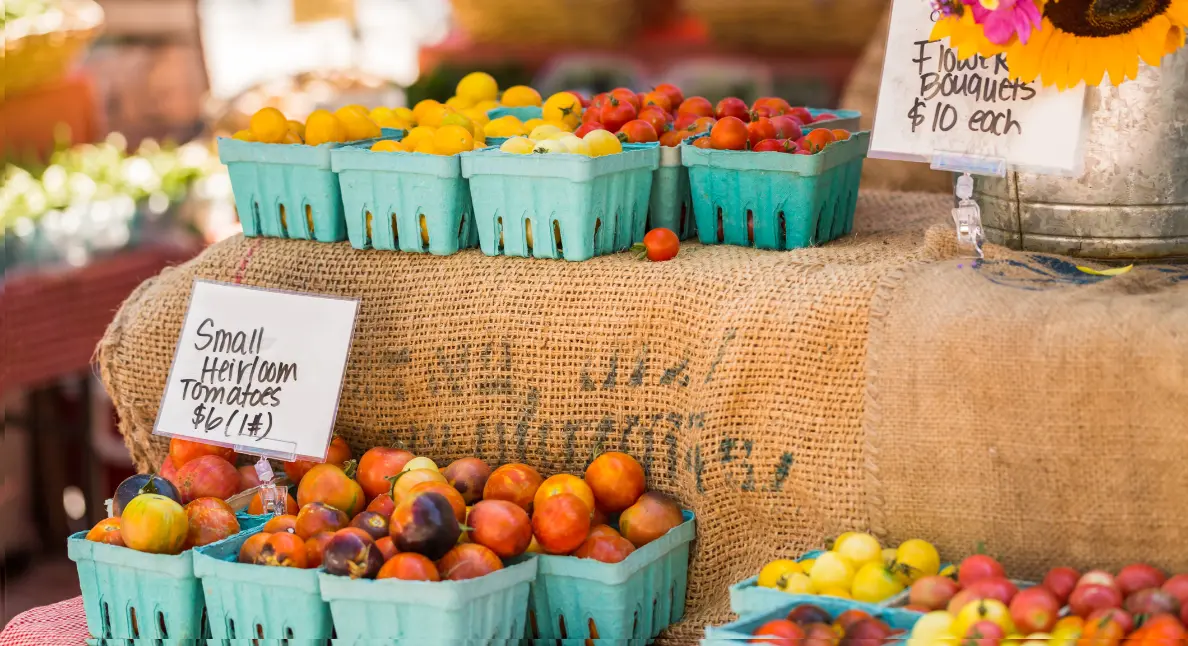
You can use a seasonal food guide by entering your state or zip code and month to see what produce is in season in your area. These guides act as a seasonal roadmap, helping you anticipate the local harvest calendar. By knowing what’s ripe when, you can plan recipes, preserve surplus produce, or freeze and can summer bounty to use in the winter. Adjusting your menu to the seasons is key to enjoying local food year-round.
Year-Round Farmers Markets
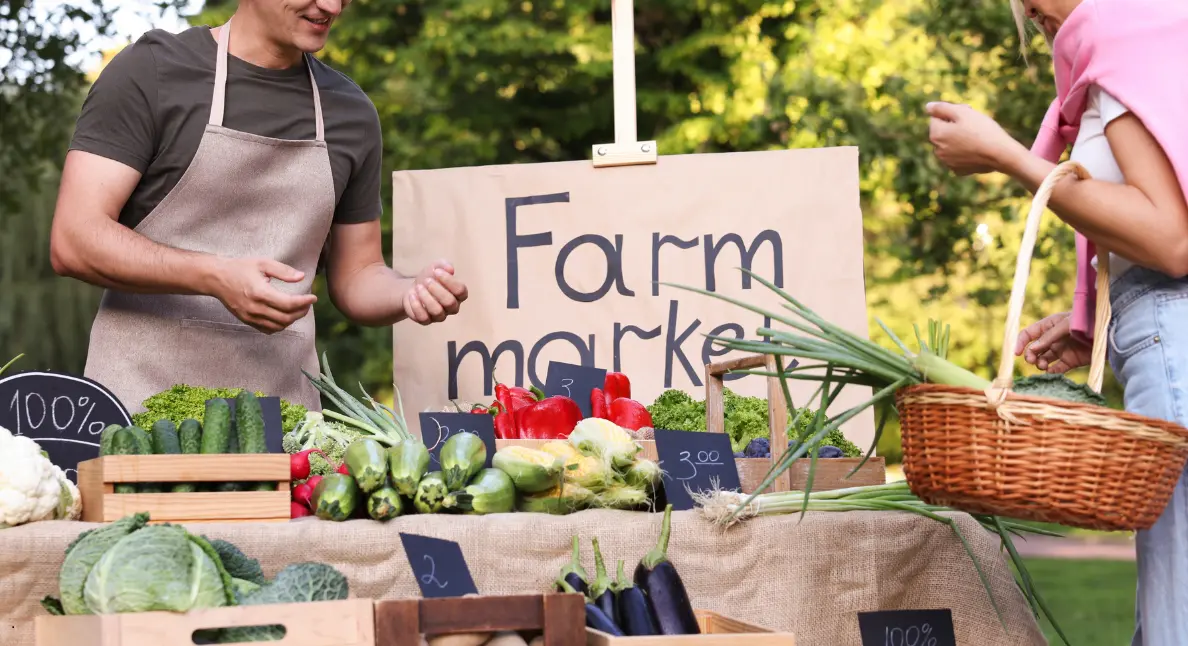
Farmers' markets are a cornerstone of buying local, and many communities have markets that extend beyond the summer. In some areas with mild climates, year-round farmers' markets operate outdoors every week. In colder regions, markets often move indoors or run on a winter schedule. A growing number of cities and towns now host winter farmers' markets in community centers, greenhouses, or other indoor venues. Even in cold-weather states, innovative farmers use greenhouses, hoop houses, and storage techniques to keep local produce coming, allowing more markets to stay open all winter. Winter farmers' markets have been popping up all over. The U.S. Department of Agriculture counted over 1,800 winter markets nationally as far back as 2012.
To find out if there’s a winter or year-round market near you, check your state farmers' market directory or local food council website. Some markets might not be as obvious. They could be part of holiday craft fairs, “pop-up” farm markets, or monthly community events. Ask vendors at your summer market if they attend any off-season markets. You may discover an indoor market at a nearby town hall or a year-round market district. When you do find a winter market, you’ll be pleasantly surprised by the selection. Many farmers market vendors come stocked with hearty storage crops like potatoes, onions, winter squash, and carrots, as well as greenhouse-grown salad greens and herbs. Local beekeepers might sell honey, and dairy farmers bring cheese or milk. Some markets even have bread, jams, and pickles from local artisans. Farmers' markets remain one of the best places to buy local food throughout every season. You just have to know where and when they run.
Tips for Using Farmers’ Markets
Shopping at a market is a bit different from going to the supermarket. Follow these tips for using farmers' markets to get the most out of your visit:
- Go early (or late): Arriving early ensures you get the best pick of produce before popular items sell out. Conversely, going near closing time can sometimes get you discounts, as vendors may mark down items rather than pack them back up.
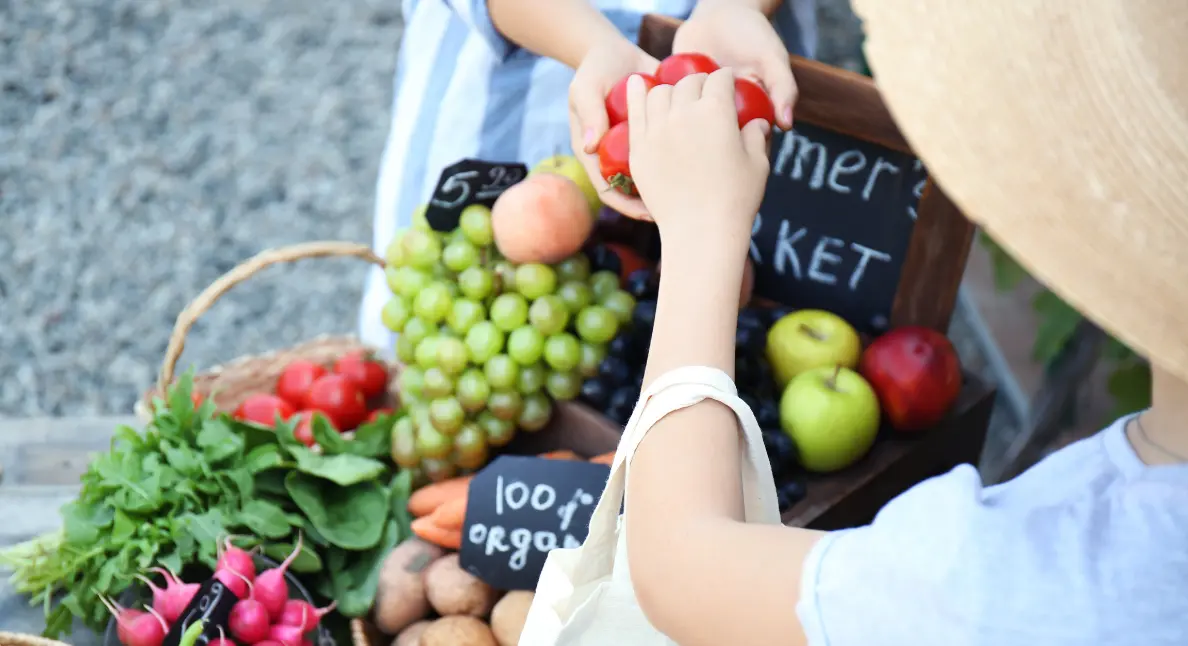
- Bring your own bags: Reusable tote bags or baskets make it easier to carry your haul and reduce waste. Some vendors might provide bags, but it’s best to have sturdy ones on hand for heavy fruits or multiple items.
- Plan and be flexible: It helps to have a shopping plan or meal ideas, but stay flexible based on what’s available. If you planned for tomatoes but only bell peppers look good, swap them in your recipes. Part of the fun is discovering new varieties and adapting your menu.
- Talk to the farmers: Don’t be shy – ask the vendors questions. They can tell you how the food was grown or give cooking tips for unfamiliar vegetables. Building a relationship with farmers can even lead to learning about special items or future availability (like a crop coming in next week).
- Bring cash in small bills: Most farmers' market vendors prefer cash, and smaller bills make transactions easier. While more markets now accept cards or market tokens, having cash speeds things up and lets you shop at any stand.
- Buy in bulk and preserve: If you find a great deal on a case of tomatoes or a large bag of apples in peak season, consider buying them in bulk and preserving them. You can can sauces, freeze chopped fruits/veggies, or dry and pickle produce to extend your access to local food into the off-season. This way, you enjoy local flavors well into winter.
By following these tips, you’ll navigate the farmers market like a pro – saving money, finding the best produce, and forging connections with your food growers.
Options for Winter Local Produce
Even when snow is on the ground, there are still options for winter local produce if you know where to look. At a typical winter market, you might find “cold storage” vegetables. These are crops harvested in the fall and kept fresh in cool cellars or refrigeration. These include root vegetables (potatoes, carrots, beets, turnips), alliums (onions, garlic), cabbages and winter squash, as well as apples and pears from autumn’s harvest. Farmers also use greenhouses and hydroponic systems to grow fresh greens, herbs, and even tomatoes during winter. So you might see lettuce, kale, spinach, or basil grown under glass when it’s freezing outside. Additionally, many local farms diversify into value-added products that are available year-round. Don’t forget local animal products during winter are typically available all year, often through winter markets or direct farm sales.
Another strategy for winter is to find local farms that offer on-farm stores or honor-system farm stands even in the off-season. Some farms have self-serve shops that stock meat from the freezer, root-cellar produce, or baked goods throughout the winter months. Checking farms’ websites or social media can reveal if they sell during winter. Plan ahead in the growing season to preserve local produce yourself. Freeze berries in summer, can tomatoes or cucumber pickles, dehydrate mushrooms or herbs. These home-preserved foods will give you a taste of local summer even in January.
Community Supported Agriculture (CSA)
One of the most direct ways to buy local year-round is to join a CSA. CSA shares (Community Supported Agriculture shares) are like a subscription to a farm’s harvest. You pay for a farm at the start of a season, and in return, you receive a weekly or biweekly box of whatever is fresh from that farm. Traditionally, CSA programs run through the main growing season, but many farms now offer extended fall or even winter CSA options. With a CSA, you’ll get a regular supply of seasonal produce without having to search it out yourself. It’s an excellent way to ensure you always have local veggies on hand and to try new items you might not pick up otherwise.
CSA programs strengthen your relationship with a specific farm. Since members pay upfront, farmers have capital to plant and plan, and members share in the bounty of farming. Typically, CSA shares include a mix of whatever is ripe. For example, a summer box might have tomatoes, corn, zucchini, and peaches; a fall box might have pumpkins, potatoes, kale, and apples. Some CSAs are even diversified beyond produce. Farms may offer add-on shares for eggs, bread, cheese, flowers, or meat. In fact, some community farms let you buy a “meat share” or other specialty share separate from or in addition to the veggie box. This means you could receive monthly deliveries of local organic meat, poultry, or dairy products straight from the farm. As with produce CSAs, these arrangements ensure you have a steady supply from a known local source.
Food Co-ops and Local Stores
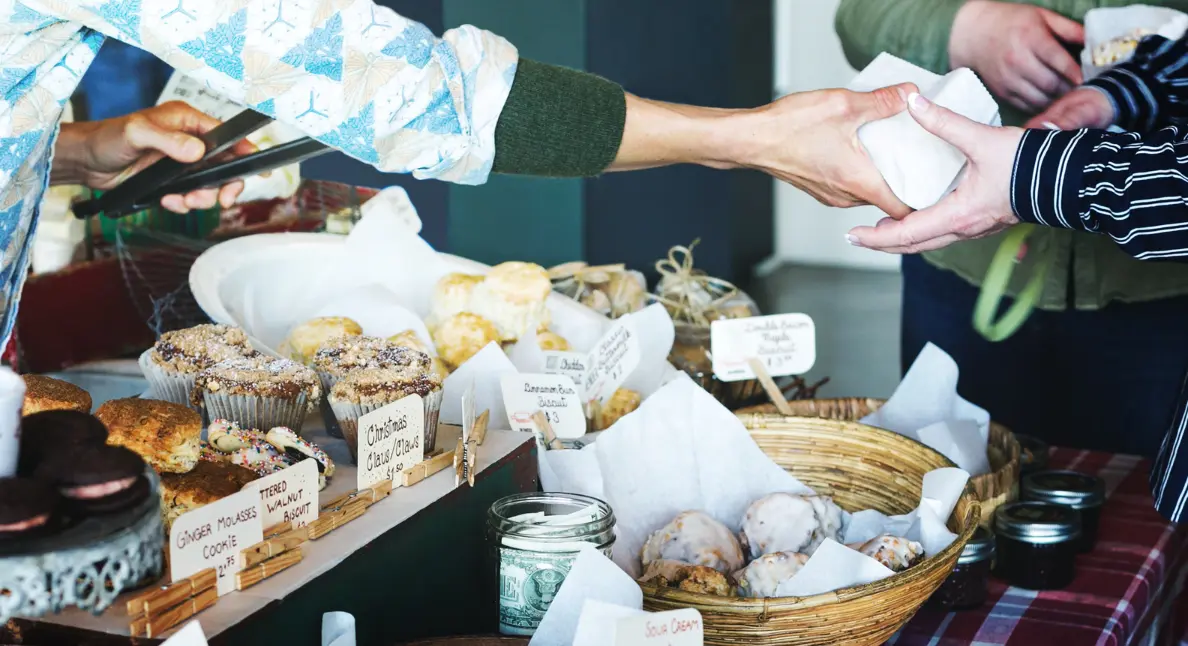
Not all local food is sold outdoors or directly from farms. Your local grocery options can also connect you to area producers. A food co op (cooperative grocery store) or an independent natural organic food stores often make a point to stock locally sourced items. Food co-ops are community-owned markets that prioritize organic and sustainable products and tend to source from local farmers and vendors whenever possible. Walking into a co-op, you might find local farm eggs, milk from a nearby dairy, bread from a local bakery, and seasonal produce from farms just outside town. These stores usually label product origins, so look for signs listing local farms. Even conventional supermarkets sometimes have a local produce section or highlight local suppliers. However, co-ops and small organic markets typically have the strongest commitment to supporting local growers and showcasing their goods front and center.
Aside from produce, local stores can connect you to other food categories: many carry locally raised meats, regional specialties, and even local beverages. If you’re seeking out grass-fed or local organic meat, a co-op is a great place to look. They frequently work with area farmers to stock these products. By shopping at these community-based stores, you’re not only getting fresh, often organic foods, but also helping maintain a robust local organic food supply chain. Co-ops in particular channel consumer dollars back to local producers at a higher rate than big-box stores, strengthening your area’s food system. Many co-ops are open to everyone, so anyone can drop in to buy local produce during winter or off-season times when farmers' markets are sparse.
Additionally, check if your region has year-round indoor public markets or food halls. Some cities have permanent marketplaces where local butchers, cheesemakers, and greengrocers sell year-round. These can be hidden gems for local food. In summary, don’t overlook brick-and-mortar groceries in your quest for local fare. Your nearest co-op or organic market can be a convenient, climate-controlled source of local goods, no matter the weather.
Finding Local Farms Online
When in doubt, turn to the internet. Several websites and directories make it easy to locate farms and local food sources in your area. The USDA, for instance, maintains a national directory of farmers' markets, on-farm markets, CSA programs, and food hubs, which you can search by location. Directories for local food producers are available on the USDA Agricultural Marketing Service website and are a comprehensive starting point. You simply enter your city or ZIP code to find listings of nearby markets or farm stands, along with their operating seasons and products. Other non-profit organizations also offer local food directories.
Many states and regions publish their own local food guides as well. These might be run by state agriculture departments or local non-profits. A quick web search can yield a state-run site or community food map. Some regions have apps or interactive maps showing farm stores, u-pick farms, and more. Social media is another surprisingly effective tool: local farming associations or farmers' market pages on Facebook/Instagram often post about producers and special markets.
One modern approach is to use online marketplaces dedicated to local food. Local Cart is one example of an online marketplace that connects consumers with small-scale local producers around the country. Through such a service, you can browse and purchase locally-made products all in one website and have them shipped or delivered. This kind of platform expands your access to local artisans beyond your immediate region and is especially useful for finding things off-season. Other areas might have community-supported online farmers' markets where multiple farms list their available products each week for customers to shop virtually.
Eating locally is a journey that changes with the seasons. The effort you put into finding local food year-round pays off in flavor, nutrition, and community support. By trying multiple avenues, you’ll find that local food is more accessible than it first seems. These habits also reconnect you with the rhythm of nature’s bounty, from spring greens to summer berries to autumn squash and winter root veggies. You can feel good knowing your food purchases are lifting up nearby farmers and reducing the distance from farm to table. So as the year goes on, keep exploring and asking around. Each season will bring its own delights to your table. Enjoy the adventure of eating locally, year-round.
Sources:
- FoodPrint – “Winter Farmers’ Market Shopping Tips.”
- FoodPrint – “Seasonal Food Guide” (Benefits of seasonal/local eating).
- Farm Aid – “Find A Winter Farmers Market” (Winter markets overview).
- Farm Aid – “Find Good Food – CSA” (Community Supported Agriculture definition).
- Sustainable Agriculture Research & Education (NSAC) – “National Guide to Finding Local Food” (USDA directory).
- Medford Food Co-op – “Five Reasons to Join Your Local Co-op” (Local sourcing at co-ops).
- The Spruce Eats – “10 Farmers Market Shopping Tips” (farmers market advice).
About Us
Local Cart is an easy and convenient platform where local food and beverage entrepreneurs can meet and serve their customers in this new Covid-19 world. We help them more quickly pivot their business from the traditional dine-in or walk-in to a pick-up and/or delivery model. We preserve communities by keeping alive the mom & pop shops they have come to love and depend on for their sense of place.
