Cart is empty
03/10/2026
Organic food sales in the United States hit $76.6 billion in 2025, growing at nearly double the rate of the conventional grocery market. That surge tells a clear story: more people than ever want cleaner ingredients and fewer pesticides on their plates. But walk into a grocery store, pick up an organic bell pepper, and the price tag can feel like a reality check. The gap between organic and conventional prices has been narrowing for years. Wholesale premiums for popular organic items like apples, strawberries, and spinach have declined steadily since 2015, as more farms convert to organic production and retailers expand their store-brand lines. The organic aisle is more accessible than it was even five years ago. You just need the right approach.
Know Where Your Money Matters Most: The Dirty Dozen and Clean Fifteen
Not every piece of produce needs to be organic. It's a data-driven budgeting strategy. Every year, the Environmental Working Group publishes its Shopper's Guide to Pesticides in Produce, ranking fruits and vegetables by pesticide contamination levels.
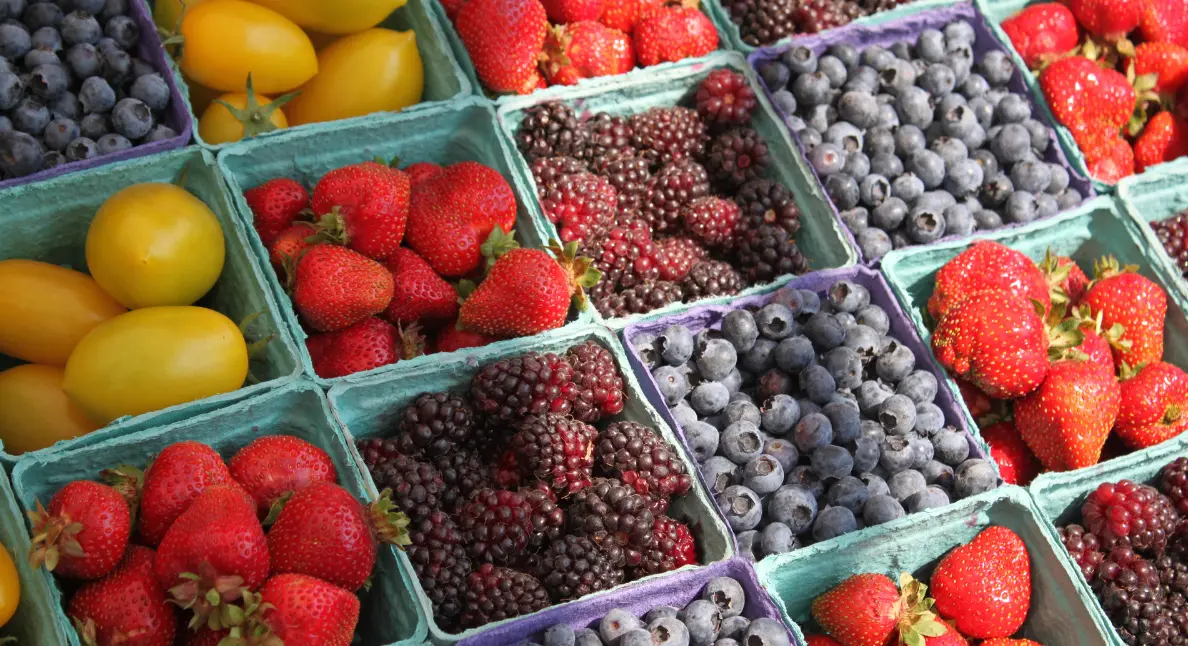
- Strategy 1: Prioritize organic for the Dirty Dozen. The 2026 Dirty Dozen, the twelve items with the highest pesticide loads, include spinach, kale, strawberries, grapes, nectarines, peaches, cherries, apples, blackberries, pears, potatoes, and blueberries. Spinach carries more pesticide residue by weight than any other tested produce item. More than half of conventional kale samples were contaminated with a potentially cancer-causing pesticide. When your budget is limited, these are the items where organic spending yields the greatest reduction in chemical exposure.
- Strategy 2: Save money by buying conventional Clean Fifteen items. The flip side is equally powerful. The Clean Fifteen, such as pineapples, sweet corn, avocados, papaya, onions, frozen sweet peas, asparagus, cabbage, cauliflower, watermelon, mangoes, bananas, carrots, mushrooms, and kiwi, carry minimal pesticide residues even when grown conventionally. Buying these items conventionally rather than organically can shave 20 to 40 percent off your produce bill, with negligible difference in pesticide exposure. Some sweet corn and papaya sold in the U.S. may be genetically modified, so if avoiding GMOs is a priority, buy organic varieties of those two crops specifically.
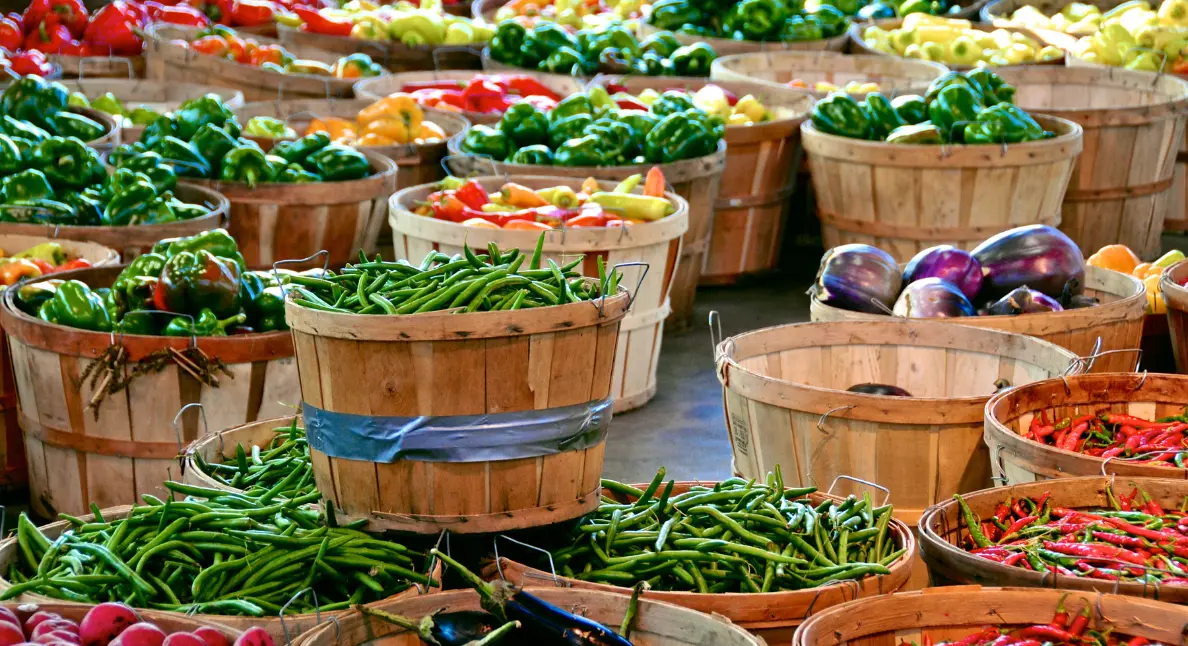
This two-list approach is the single most impactful framework for organic budgeting. Print it, take a screenshot, or save it to your phone before your next grocery run.
Buy Seasonal and Local to Slash Organic Premiums
Organic strawberries in January are expensive for the same reason any out-of-season produce costs more: they've traveled farther, require more controlled growing conditions, and pass through more hands in the supply chain. Shifting your buying habits to align with what's naturally in season is one of the most effective ways to lower your organic grocery bill.
- Strategy 3: Build your meal plan around what's in season. Seasonal organic produce is often priced close to conventional out-of-season equivalents. In peak summer, organic tomatoes, zucchini, and berries regularly drop to prices that rival their conventional counterparts at other times of the year. Use a regional seasonal produce calendar to know what to expect each month.
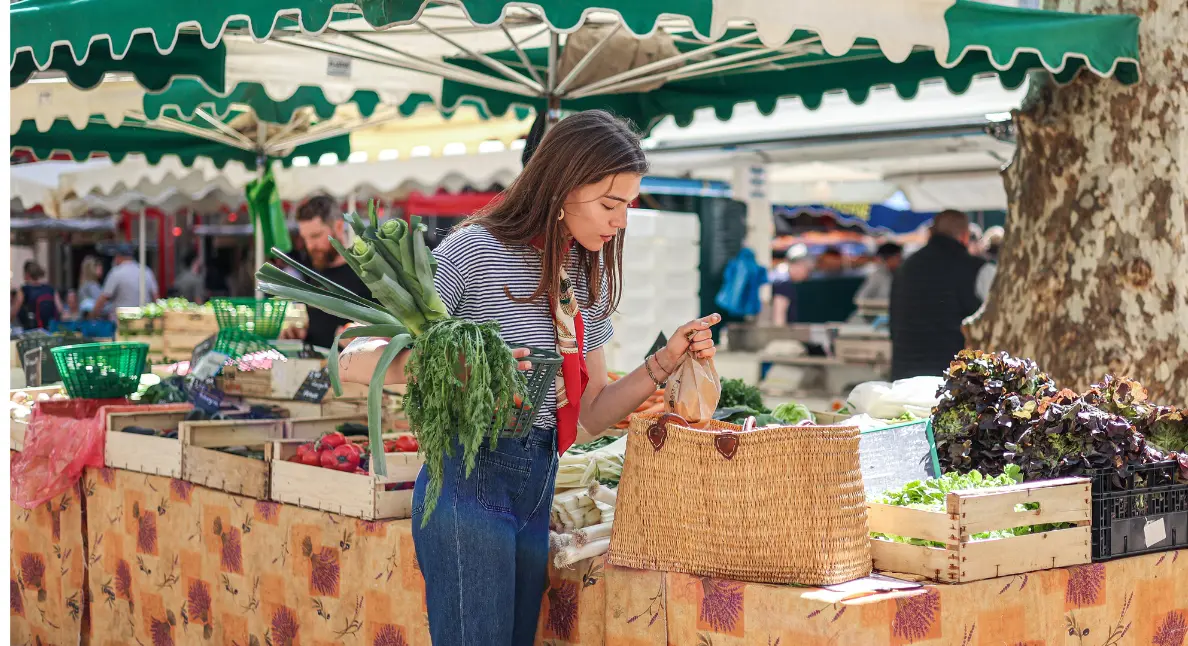
- Strategy 4: Shop farmers' markets but shop strategically. Farmers' markets aren't automatically cheaper than grocery stores. The savings come from timing and relationship-building. Arrive in the last hour before closing, when vendors are more willing to discount produce they'd rather not haul home. Ask about "seconds." Cosmetically imperfect fruits and vegetables that taste identical but sell for significantly less. Many small-scale farmers grow using organic practices but can't afford official USDA certification. Talk to vendors about their growing methods, and you may find pesticide-free produce at conventional prices.
- Strategy 5: Join a Community Supported Agriculture (CSA) program. A CSA share gives you a weekly box of whatever's freshest from a local farm, typically at a per-pound cost well below retail. CSA members can save up to 40 percent on in-season organic produce compared to grocery store prices. Annual costs generally range from $400 to $700, depending on the length of the harvest season and the variety of products included.
Platforms like Local Cart take this concept further by connecting consumers directly with local farmers, artisans, and small food producers through an online marketplace. Instead of committing to a single farm's CSA, you can browse offerings from multiple regional producers and build a cart that matches both your dietary needs and your budget. It's a flexible alternative for anyone who wants the benefits of buying local without the fixed commitment of a traditional CSA.
Master the Art of Buying in Bulk
Bulk buying is where organic shopping gets genuinely affordable. If you're strategic about what you buy, where you buy it, and how you store it. The per-unit economics are straightforward: larger quantities mean lower packaging and distribution costs per ounce, and those savings get passed to you.
- Strategy 6: Use bulk bins for dry goods. Natural food stores and many conventional grocers now offer bulk bin sections where you can scoop exactly what you need of organic grains, beans, lentils, nuts, seeds, dried fruits, and spices. Buying from bulk bins is often cheaper because you're not paying for branded packaging, and you can purchase precisely the amount a recipe calls for, reducing food waste.
- Strategy 7: Buy family-size and warehouse packs. The price difference can be dramatic. Consumer Reports found that one pound of organic ground turkey at a standard natural foods store costs $7.99, while a three-pound package at Costco comes to $14.99, bringing the per-pound cost down to just $5.00, a 37 percent savings. This principle applies broadly across organic meats, dairy, eggs, and frozen goods. If you have the freezer space, warehouse clubs are among the best places to buy organic protein.
- Strategy 8: Stock up during sales and preserve the surplus. When organic berries, tomatoes, or stone fruits hit peak-season prices, buy more than you need for the week. Wash, prep, and freeze the extras in labeled containers. A chest freezer pays for itself within a few months of strategic bulk purchasing. The same logic applies to organic broths, sauces, and soups. Batch-cook when ingredients are cheap and freeze portions for later.
Choose Frozen and Store-Brand Organic Products
Two of the most underrated moves in organic budgeting involve shifting away from the assumptions that fresh always beats frozen and that brand names signal better quality.
- Strategy 9: Buy organic frozen fruits and vegetables. Frozen organic produce is picked at peak ripeness and flash-frozen, locking in nutrients. Frozen fruits and vegetables retain comparable vitamin and mineral content to fresh produce that's been sitting in transport and on shelves for days. The cost difference is significant: A 16-ounce bag of store-brand organic frozen green beans sold for $1.99, while a 10-ounce package of the same brand's fresh organic green beans was $3.99. That's roughly 60 percent less per ounce for the frozen option.
- Strategy 10: Switch to store-brand organic lines. Major retailers have invested heavily in private-label organic products. The quality is governed by the same USDA Organic standards as name-brand products. The certification requirements are identical regardless of whether the label says "Horizon" or "Great Value". What differs is the price. Store-brand organic milk was frequently $1.00 to $1.50 less per half-gallon than the leading national brand.
The savings compound across a full shopping list. If you swap five to seven branded organic staples for their store-brand equivalents each week, you could easily save $8 to $15 per trip. Over a year, that adds up to $400 to $780 back in your pocket, with zero difference in organic certification or nutritional quality.
Grow, Swap, and Source Creatively
Not every organic strategy involves a cash register. Some of the most effective approaches shift the equation entirely by producing your own food or tapping into community networks that traditional grocery shopping can't replicate. These strategies require more time than money, which is exactly what makes them powerful for budget-conscious households:
- Strategy 11: Start a kitchen garden, even a small one. You don't need acreage to grow organic food. A few containers on a balcony or a 4-by-8-foot raised bed can produce a surprising volume of herbs, salad greens, tomatoes, peppers, and squash over a growing season. Seeds cost a fraction of what you'd pay for the equivalent produce at retail, and you control exactly what goes into the soil. High-value crops to start with include basil, cilantro, cherry tomatoes, and lettuce, items that carry steep organic premiums at the store but grow easily with minimal experience.
- Strategy 12: Participate in community food swaps. Food swap events have grown in popularity across the U.S. If your garden produces more zucchini than your family can eat, you can trade it for someone else's organic peaches, homemade jam, or fresh eggs. Check local community boards, social media groups, and neighborhood apps to find swaps near you.
- Strategy 13: Forage where it's safe and legal. Depending on where you live, wild berries, ramps, dandelion greens, elderflower, and mushrooms may be available for free. Foraging requires knowledge, but it can supplement your supply of organic produce at zero cost. Many state parks and public lands permit limited foraging. Inspect local regulations before you harvest.
Use Coupons, Apps, and Cashback Programs Strategically
Coupons for organic products were once rare. That's no longer the case. As the organic market has grown to a $76.6 billion industry, brands and retailers have ramped up promotional spending to compete for shelf space and customer loyalty.
- Strategy 14: Stack coupons with store sales. The biggest savings come from combining a store's weekly sale price with a manufacturer's coupon or app-based cashback offer on the same item. This "stacking" approach can reduce the effective price of organic products to at or below conventional prices. It requires a few minutes of planning before each shopping trip, but the return on that time investment can be substantial.
- Strategy 15: Watch for clearance markdowns on organic perishables. Grocery stores routinely mark down organic meat, dairy, and bakery items as they approach their sell-by dates. These products are still perfectly safe and nutritious; they simply need to be consumed or frozen within a day or two. Check the clearance section of the meat department, the bakery rack, and the "manager's special" stickers in the dairy aisle. If you're flexible about what you cook tonight, these markdowns can make organic protein and dairy genuinely cheap.
The best practitioners of this strategy make it a habit rather than an afterthought. Walk through the clearance sections first, then fill the rest of your cart from your list. Let what's marked down shape at least one or two meals for the week. Over time, you develop an intuition for when your local store does its markdowns, and you can plan your shopping trips accordingly.
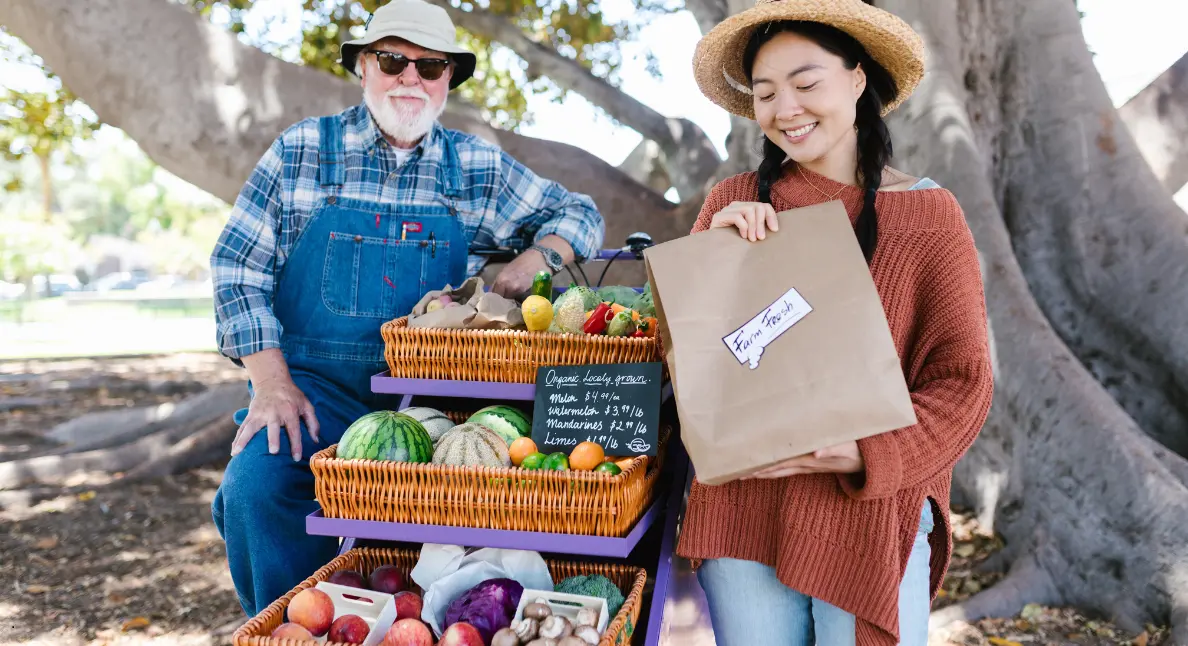
The all-or-nothing mindset is the biggest obstacle to sustainable organic shopping on a budget. The families who succeed long-term aren't the ones who switch their entire grocery list to organic overnight. They're the ones who make targeted, informed choices about where organic matters most, and where conventional is perfectly fine. Start with the Dirty Dozen. Add store-brand organic staples for the pantry items you buy every week. Join a CSA or explore a platform like Local Cart to connect with local producers who can offer quality and transparency without the retail markup. Use your freezer as a strategic asset, buying in bulk during seasonal peaks and sales. Grow a few high-value herbs and vegetables at home, even if it's just a windowsill pot of basil. And the strategies in this guide aren't about deprivation or compromise. They're about spending smarter so you can eat cleaner without watching your grocery budget spiral.
Sources:
- Organic Trade Association — 2025 Organic Market Report
- USDA Economic Research Service — Gap Between Select Organic and Conventional Produce Prices Has Narrowed
- USDA Economic Research Service — Organic Situation Report, 2025 Edition
- EWG — 2026 Shopper's Guide to Pesticides in Produce
- Green America — How to Eat Organic Food on a Budget
- Consumer Reports — Which Food to Buy Organic and How to Spend Less
- USDA Agricultural Marketing Service — CSA Directory
- Supermarket News — Organic Products Grew at a Fast Pace in 2025
About Us
Local Cart is an easy and convenient platform where local food and beverage entrepreneurs can meet and serve their customers in this new Covid-19 world. We help them more quickly pivot their business from the traditional dine-in or walk-in to a pick-up and/or delivery model. We preserve communities by keeping alive the mom & pop shops they have come to love and depend on for their sense of place.
