Cart is empty
02/10/2026
Americans spent $71.6 billion on organic food in 2024, a 5.2% jump that doubled the growth rate of the total food market. Millions of people are voting with their wallets, betting that the organic label delivers real value. The organic aisle still comes with a sting. Organic produce costs roughly 53% more than conventional equivalents. For a family already stretched by grocery inflation, that premium demands a clear answer to a simple question. What exactly are you getting for the extra money? Science has moved well beyond the simplistic "organic is healthier" versus "it's all marketing" debate. Here's what the research actually shows heading into 2026, and how to use it to make smarter decisions at the grocery store.
The Pesticide Question Is No Longer Debatable
Organic food dramatically reduces the amount of synthetic pesticides you and your family consume. Over 75% of non-organic fruits and vegetables carry detectable pesticide residues. Organic samples? The detection rate drops to roughly 10%.
Why That Matters More Than Regulators Suggest
Government agencies typically set "acceptable" residue levels and assure consumers that conventional produce is safe to eat. But that framing increasingly conflicts with emerging research. A large French population study running from 2014 to 2020 found associations between certain pesticide mixtures and increased risk of breast cancer and Type 2 diabetes. Even subtle neurological impacts from organophosphate pesticides, individually small, add up to substantial population-level harm.
The issue is not whether a single apple will poison you. It won't. The question is: what happens over decades of chronic, low-level exposure to pesticide cocktails? This is a scenario that standard safety testing, which evaluates chemicals individually and over short time frames, was never designed to assess.
For certain populations, the risk calculus shifts even further. Epidemiological research consistently shows that children face heightened vulnerability because of their higher food consumption relative to body weight and their still-developing organ systems. Pregnant individuals face similar concerns. Prenatal pesticide exposure has been linked to complications and fetal developmental issues in multiple research reviews.
The Nutrition Debate: More Complicated Than Headlines Suggest
Where Organic Does Show Measurable Advantages
A widely cited meta-analysis in the British Journal of Nutrition found that organic crops contain significantly higher levels of antioxidants: 19% more phenolic acids, 69% more flavanones, 50% more flavonols, and 51% more anthocyanins than conventional crops. These aren't trivial compounds. Antioxidants like these have been linked to reduced risks of cardiovascular disease, neurodegenerative conditions, and certain cancers.
That same meta-analysis found that organic crops contained 48% less cadmium, a toxic heavy metal that accumulates in the body and can damage kidneys, bones, and the liver. On the mineral front, some reviews have found modestly higher levels of vitamin C, magnesium, and potassium in organic produce, though the differences vary by specific crop.
Organic dairy tells a clearer story. A meta-analysis published in PubMed found that organic dairy products contain significantly higher levels of omega-3 fatty acids, conjugated linoleic acid, and several other beneficial compounds compared to conventional dairy. The difference is traced back to feeding practices. Organic dairy cows spend more time on pasture eating grass, which directly influences the fatty acid profile of their milk. This is one of the most consistent findings in organic nutrition research, replicated across multiple studies and geographies. If you're going to pick one category to go organic, dairy has the strongest nutritional case.
What the Longest-Running Studies Say About Health Outcomes
People who buy organic food also tend to exercise more, smoke less, earn more, and eat more fruits and vegetables overall. Researchers call this "healthy user bias," and it makes isolating the specific effect of organic food fiendishly difficult. The best studies try to control for these variables, and the associations still hold after adjustment. That's why researchers consistently describe the evidence as "suggestive" rather than "conclusive." The science is pointing in a clear direction, but it hasn't finished walking the full path. What we can say is that the evidence has grown substantially stronger over the past five years, and no major study has contradicted the general trend linking organic consumption with improved health markers.
Beyond Your Plate: The Environmental Premium You're Paying For
Organic soils contain 26% more organic carbon than conventionally managed soils, functioning as a carbon sink that helps mitigate climate change. A forty-year Rodale Institute study found that organic farms use 45% less energy than conventional operations. Eliminating synthetic nitrogen fertilizers alone could reduce direct global agricultural greenhouse gas emissions by roughly 20%.
The biodiversity case is equally compelling. A study published in the Journal of Applied Ecology found that organic farms supported 34% more plant, insect, and animal species than conventional operations and had 50% higher pollinator diversity. In an era of collapsing insect populations and threatened food pollination systems, that difference is not academic.
Organic practices also improve water health. Organic soils show 15–20% better water percolation, replenishing groundwater and building resilience against drought and flooding. Without synthetic nitrogen fertilizers, organic farming avoids the runoff that creates ocean dead zones — oxygen-depleted areas where aquatic life cannot survive.
For many consumers, these environmental benefits are as important as any personal health consideration. When you buy organic, part of the premium goes toward maintaining farming systems that protect soil, water, wildlife, and climate stability. From this perspective, the price tag is investing in an agricultural model that can sustain food production over the long term without degrading the natural systems it depends on.
The Real Cost Picture: Premiums Are Shrinking
Organic price premiums for popular items like apples, strawberries, and spinach have been declining since 2015. Between January 2024 and January 2025, organic produce prices rose at essentially the same rate as conventional.
Several forces are driving convergence. As organic acreage expands and supply chains mature, economies of scale bring prices down. Retailers now carry extensive organic lines, applying competitive pressure that pushes premiums lower. Store-brand organic products, in particular, often significantly undercut name-brand organic options.
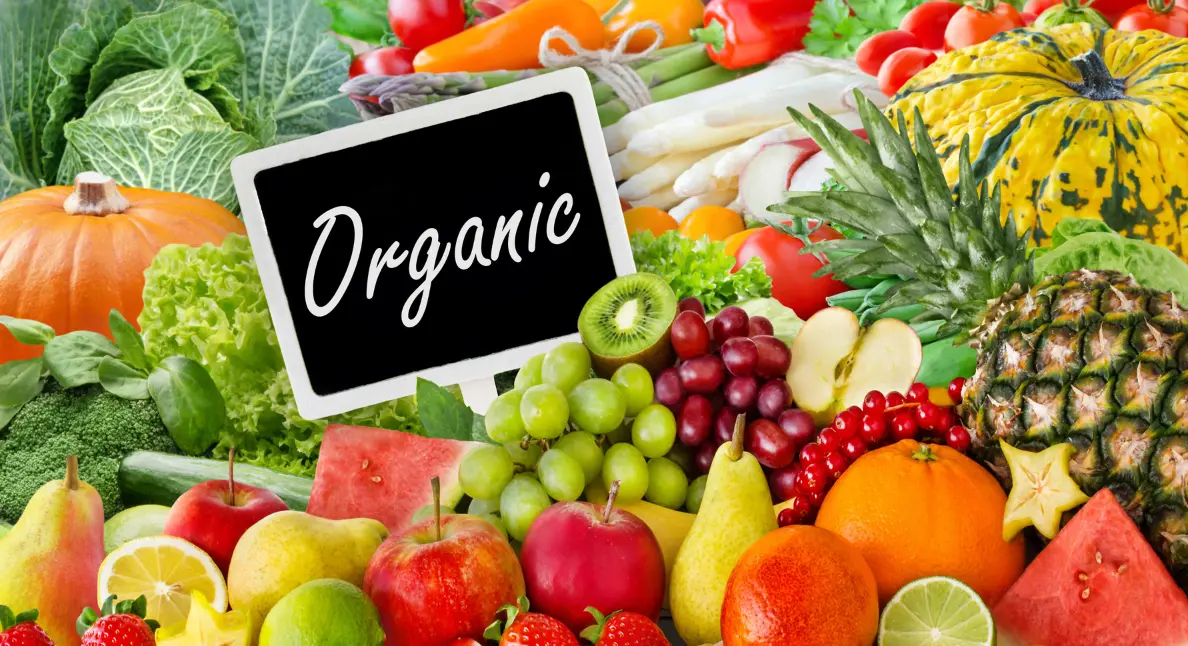
The U.S. organic market hit $71.6 billion in 2024, outpacing total food market growth for the first time since 2020. Globally, the organic food market is projected to exceed $250 billion in 2026, with annual growth above 12%. That momentum is creating a virtuous cycle: more demand drives more production, which drives lower per-unit costs, which drives more demand. The organic market of 2026 is structurally different from the niche industry it was a decade ago, and prices are reflecting that shift.
The Rise of Smarter Organic Shopping
Platforms like Local Cart are helping consumers take a more strategic approach to organic purchasing. Rather than paying premium prices across the board, services that connect shoppers with local organic producers and seasonal availability make it easier to prioritize organic where it matters most, while keeping costs under control. The shift from "buy everything organic or nothing" to targeted, informed purchasing is arguably the most important consumer trend in the organic space right now.
A Science-Backed Strategy for Smarter Organic Spending
Tier One: Buy Organic When You Can
Spinach tops the list, followed by strawberries, kale, grapes, peaches, cherries, nectarines, pears, apples, blackberries, blueberries, and potatoes. A total of 203 pesticides were detected across Dirty Dozen items. If your budget allows only limited organic purchases, this is where the science says to start. Organic dairy and organic meat are also strong candidates, given the more consistent nutritional advantages and reduced exposure to antibiotic-resistant bacteria.
Tier Two: Save on the Clean Fifteen
Pineapple, sweet corn, avocados, papaya, onions, frozen sweet peas, asparagus, cabbage, watermelon, cauliflower, bananas, mangos, carrots, mushrooms, and kiwi all showed minimal pesticide contamination. Nearly 60% of amples had no detectable residues. Buying these conventional items frees up budget for organic priorities.
Tier Three: Stretch Your Budget Further
Several strategies compound savings. Buying organic staples like grains, beans, oats, and rice in bulk often saves 20% or more, and these shelf-stable items last months. Frozen organic produce, harvested at peak ripeness and flash-frozen, can be cheaper than fresh organic and nutritionally equivalent or even superior, since freezing locks in nutrients that degrade during the days fresh produce spends in transit and on store shelves. Shopping seasonally means buying organic when supply peaks and prices dip. And Community Supported Agriculture (CSA) programs can reduce organic produce costs by up to 40% compared to retail.
Where the Science Is Headed Next
The organic research landscape is evolving rapidly. Three areas deserve close attention in the coming years.
- The study of pesticide "cocktail effects," how combinations of residues interact in the body, is gaining momentum. Current safety frameworks test chemicals one at a time, but real-world exposure involves dozens simultaneously. Early research suggests these mixtures may amplify harm in ways individual testing misses.
- The emerging field of soil health and nutrient density is challenging long-held assumptions. Soil organic matter was the strongest predictor of zinc content in wheat. As organic farming improves soil health over time, the nutritional gap between organic and conventional crops may widen in organic's favor, a dynamic that short-term studies cannot capture.
- The gut microbiome connection is still largely unexplored. Organic diets may influence gut bacteria differently than conventional diets, potentially through reduced exposure to pesticide residues and antibiotic-resistant organisms. Given how central the microbiome has become to our understanding of immunity, mental health, and metabolic disease, this is speculative territory that could reshape the organic debate entirely if the early signals hold up.
Making the Call for Your Kitchen
The science is clear that organic food reduces pesticide exposure substantially. For children, pregnant individuals, and anyone consuming high amounts of produce, the benefit alone may justify the premium. The nutritional advantages, while real in specific areas like antioxidants and dairy omega-3s, are modest and inconsistent across the board. The long-term health outcome data are promising but not yet conclusive. The environmental benefits are well-documented and significant.
What science does not support is the idea that you need to buy everything organic or you're failing your health. The difference between eating no fruits and vegetables and eating conventional fruits and vegetables dwarfs the difference between conventional and organic. Getting the recommended daily servings of produce matters far more than whether that produce carries an organic label.
The smartest approach in 2026 is strategic. Use the Dirty Dozen as your guide, prioritize organic dairy and animal products, lean on tools like Local Cart to find affordable local organic options, buy Clean Fifteen items conventionally, and put the savings back into eating more produce overall. The goal is informed, evidence-based decision-making that maximizes both health benefits and household budget. That's not a compromise. It's what the evidence actually recommends.
Sources:
- Mayo Clinic — Organic Foods: Are They Safer? More Nutritious?
- Nutrition Reviews — Potential Health Benefits of a Diet Rich in Organic Fruit and Vegetables (2024)
- Heliyon / ScienceDirect — Are Organics More Nutritious? A Comprehensive Systematic Review (2024)
- PMC — A Comprehensive Analysis of Organic Food: Nutritional Value and Human Health (2024)
- PMC — Impact of Organic Foods on Chronic Diseases and Health Perception (2024)
- PMC — A Systematic Review of Organic Versus Conventional Food Consumption (2020)
- PMC — Higher Antioxidant and Lower Cadmium in Organically Grown Crops: Meta-Analysis
- USDA Economic Research Service — Organic Agriculture
- USDA ERS — Gap Between Organic and Conventional Produce Prices Has Narrowed
- LendingTree — Organic vs. Conventional Food Prices Analysis (2025)
- Organic Trade Association — 2025 Organic Market Report
- EWG — 2025 Dirty Dozen
- EWG — 2025 Clean Fifteen
- Food Safety Magazine — EWG's 2025 Dirty Dozen Uses New Methodology
- Springer Nature — Implications of Pesticide Residue in Food Crops on Human Health (2024)
- University of Maine Cooperative Extension — Organic Food Facts: Health, Safety, and Your Budget (2025)
- Soil Association — Organic Is Better for the Planet
- PMC — Regenerative Organic Agriculture and Human Health (2025)
- Frontiers in Sustainable Food Systems — Soil Health and Nutrient Density
- Nature — Examining Consumers' Willingness to Pay Premium Price for Organic Food (2024)
- University of Colorado Boulder — The Positive Impact of Organic Foods
- NRDC — Organic Agriculture Helps Solve Climate Change
About Us
Local Cart is an easy and convenient platform where local food and beverage entrepreneurs can meet and serve their customers in this new Covid-19 world. We help them more quickly pivot their business from the traditional dine-in or walk-in to a pick-up and/or delivery model. We preserve communities by keeping alive the mom & pop shops they have come to love and depend on for their sense of place.
