Cart is empty

03/01/2026
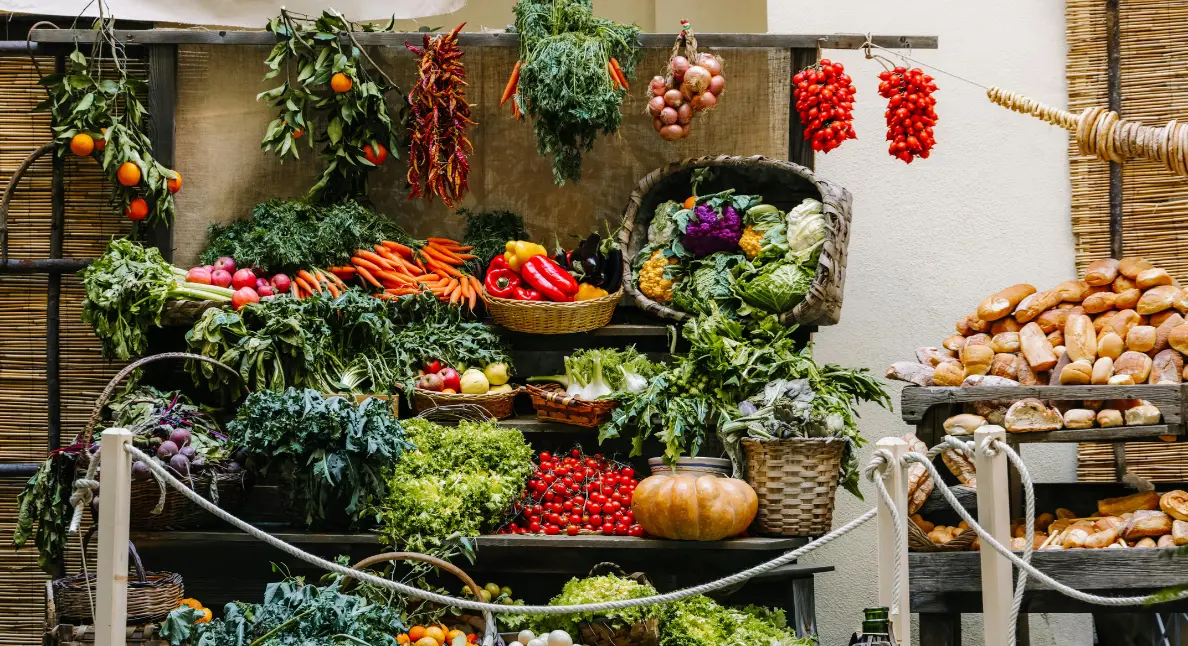
The organic food aisle used to be a niche corner of the grocery store. That era is long gone, with U.S. sales of certified organic products hitting $76.6 billion in 2025, growing at 6.8% annually, double the rate of the conventional food market. But walking into an organic food store can still feel overwhelming. Shelves packed with unfamiliar brands, premium price tags on every product, and a nagging question in the back of your mind. Do I actually need the organic version of everything? The answer is no. Strategic shopping is what separates the health-conscious consumer from the one who simply overspends. This guide identifies the 25 organic staples that deliver the highest return on your investment so you can build a pantry that genuinely supports your health without draining your bank account.
Why Organic Matters More for Some Foods Than Others
Not every item in your cart needs the USDA Organic seal. The key is understanding where organic certification makes the biggest difference. The Environmental Working Group's 2025 Shopper's Guide analyzed pesticide residue data from USDA tests of more than 53,000 produce samples. Their updated methodology now factors in pesticide toxicity, not just presence. The findings are stark: nearly all samples on the Dirty Dozen list carried detectable residues, with a total of 203 different pesticides found across just twelve crops. Blackberries showed residues in 93% of samples, including cypermethrin, which the EPA classifies as a possible human carcinogen. On the other end of the spectrum, almost 60% of Clean Fifteen samples had zero detectable pesticide residues. Avocados, pineapples, and onions consistently come up clean, meaning the conventional version is perfectly fine from a residue standpoint.
Switching to an organic diet reduced dietary pesticide exposure by approximately 30%. Organic crops contain significantly higher levels of antioxidants than conventional counterparts, including 69% more flavanones and 51% more anthocyanins, compounds linked to reduced risks of cardiovascular disease and certain cancers. Organic food consumption and chronic disease found a significant inverse relationship between organic food intake and cardiometabolic risk factors, including obesity, diabetes, and hypertension. Prioritize organic for items you eat daily and for items with the highest pesticide residue. Save your budget on thick-skinned produce and products where the organic premium doesn't deliver proportional health benefits.
Whole Grains and Ancient Grains That Anchor Your Meals
Grains form the backbone of most pantries. They're versatile and affordable. Buying organic helps you avoid synthetic pesticide residues that tend to concentrate in crops grown in heavily treated soil.
- Organic brown rice is the workhorse. It provides manganese, selenium, and B vitamins, and its fiber content supports digestive health far better than its white counterpart. Keep a large bag on hand for stir-fries, grain bowls, and side dishes.
- Organic quinoa is technically a seed, but it functions like a grain in the kitchen. With roughly 8 grams of complete protein per cooked cup, meaning it contains all nine essential amino acids, it's one of the few plant foods that can make that claim. It's also naturally gluten-free, cooks in 15 minutes, and works in everything from breakfast porridge to cold salads.
- Organic rolled oats deserve a permanent spot on your shelf. Steel-cut varieties digest more slowly than rolled oats, producing a gentler blood sugar response. Use them for overnight oats, baking, or as a binder in veggie burgers.
Round out your grain shelf with organic farro and organic millet. Farro brings a chewy, nutty bite to soups and salads, while millet is a mild, fluffy grain that works well as a base for curries or a replacement for couscous.
Legumes and Pulses: The Protein Powerhouses You're Underusing
If there's one category where your dollar stretches furthest in an organic food store, it's legumes.
- Organic dried lentils — red, green, and French varieties. Cook in 20 to 30 minutes without soaking. They're packed with folate, iron, and potassium, and a single cup of cooked lentils delivers about 18 grams of protein and 15 grams of fiber.
- Organic black beans and organic chickpeas are non-negotiable staples. Black beans anchor Latin-inspired dishes, soups, and grain bowls. Chickpeas are remarkably versatile. You can roast them for a crunchy snack, blend them into hummus, or toss them into curries and stews. Both varieties are rich in plant-based protein and have been shown to help regulate blood sugar and lower cholesterol when consumed regularly.
Keep canned versions on hand for convenience, but stock dried beans in bulk for cost savings. A one-pound bag of organic dried chickpeas yields roughly four cans' worth of cooked beans at a fraction of the price. Platforms like Local Cart make it easier to source pantry legumes directly from local producers and small farms, ensuring freshness and supporting community-based agriculture rather than industrial supply chains.
Nuts, Seeds, and Nut Butters Worth the Organic Premium
Nuts and seeds are calorie-dense, nutrient-rich, and surprisingly susceptible to pesticide contamination during conventional growing. Buying organic here is a smart move, especially for items you consume daily. Your essential organic nut and seed lineup should include:
- Raw almonds — high in vitamin E, magnesium, and heart-healthy monounsaturated fats, making them one of the most nutrient-dense snacking options available
- Walnuts — one of the best plant sources of omega-3 fatty acids (ALA), which support brain function and reduce inflammation
- Chia seeds — two tablespoons deliver 10 grams of fiber and 5 grams of omega-3s, and they absorb liquid to create puddings, thicken smoothies, or boost baked goods
- Flaxseeds — rich in lignans and ALA omega-3s, best purchased whole and ground fresh at home to preserve nutrient potency
- Pumpkin seeds (pepitas) — an excellent source of zinc, magnesium, and iron, ideal for topping salads, soups, and grain bowls
The organic versions avoid the pesticide-heavy growing practices common in conventional peanut farming, and they skip the hydrogenated oils and added sugars found in mass-market brands.

Cooking Oils and Vinegars That Form Your Flavor Foundation
Every dish starts with fat, and the quality of your cooking oil shapes both the flavor and nutritional value of your meals:
- Organic extra virgin olive oil is the cornerstone. Rich in monounsaturated fatty acids and antioxidants, it's the daily-driver oil for sautéing, roasting, and dressing. Higher olive oil consumption was associated with a lower risk of mortality from cardiovascular and respiratory diseases.
- Organic coconut oil serves a different role. It's ideal for high-heat cooking, baking, and adding richness to curries and stir-fries. Its medium-chain triglycerides (MCTs) are metabolized differently than other fats, providing quicker energy. Choose cold-pressed, unrefined coconut oil for maximum nutrient retention. Refined versions work better for cooking, where you don't want a coconut flavor, but they lose some beneficial polyphenols during processing.
- Organic avocado oil is an often-overlooked addition worth keeping on hand. With a smoke point around 520°F, it's the best choice for high-heat searing and grilling. Its neutral flavor won't compete with your seasoning, and it delivers a healthy dose of oleic acid and lutein, which support eye health.
- Organic apple cider vinegar (raw, with the mother) pulls double duty as a cooking ingredient and a wellness staple. Use it in salad dressings, marinades, and quick-pickled vegetables. The acetic acid it contains has been studied for its potential effects on post-meal blood sugar regulation. Keep a bottle of organic balsamic vinegar alongside it for roasted vegetables, caprese salads, and reductions that add depth to savory dishes.
Canned and Jarred Goods That Save Weeknight Dinners
A well-stocked organic pantry is about having ready-to-use components that turn a 30-minute window into a real meal.
- Organic canned tomatoes (diced, crushed, and paste) — the backbone of pasta sauces, soups, stews, and braises, and a rich source of lycopene, an antioxidant that becomes more bioavailable when tomatoes are cooked
- Organic coconut milk (full-fat) — essential for curries, soups, smoothies, and dairy-free baking, with a creamy richness that no substitute matches
- Organic vegetable broth — the base for virtually any soup, risotto, or grain dish, and far superior in flavor to water when cooking rice or quinoa
- Organic canned wild-caught salmon or tuna — a shelf-stable protein source packed with omega-3 fatty acids, perfect for quick salads, patties, or pasta dishes
- Organic tahini — made from 100% sesame seeds, it's a versatile source of healthy fats, protein, calcium, and iron that works in dressings, sauces, baking, and straight off the spoon
These five items can combine with your grains and legumes to produce dozens of different meals. A can of tomatoes, dried lentils, and a few spices make a robust dal in under 30 minutes. Coconut milk, chickpeas, and vegetable broth make a weeknight curry that tastes like it took hours. The key is keeping at least two or three of each on hand so you're never caught without options on a busy Tuesday evening.
Sweeteners, Spices, and Baking Essentials
Sweeteners
Raw, unprocessed honey retains its natural enzymes, antioxidants, and trace minerals, benefits that are destroyed in the ultra-pasteurized conventional versions. Use it in tea, yogurt, marinades, and baking. Organic maple syrup (grade A, dark, robust) offers a complex sweetness with minerals like manganese and zinc. It's a better choice than refined sugar for pancakes, oatmeal, and homemade granola.
Spices
Conventional spices are among the most contaminated food products globally — they're frequently irradiated, fumigated, and treated with ethylene oxide for sterilization. Buying organic spices avoids these treatments entirely. Prioritize the spices you use most often. Black pepper is particularly worth buying organic because piperine, its active compound, can enhance curcumin absorption by up to 2,000%.
Baking Staples
Stock organic unbleached all-purpose flour and organic cane sugar for baking. Conventional flour is often bleached with chemical agents such as benzoyl peroxide, while organic cane sugar skips the bone-char filtering process used in conventional white sugar refining.
Fresh Produce: Where to Spend and Where to Save
The produce items where organic purchasing delivers the most value include strawberries, spinach, kale, grapes, peaches, and apples. These thin-skinned fruits and vegetables absorb pesticides readily and consistently show high residue levels in USDA testing.
Thick-skinned or peelable produce consistently tests clean. Please buy conventional here and redirect those savings toward the Dirty Dozen items where organic certification matters. If you're looking for a convenient way to source organic produce from nearby growers, a curated marketplace connects shoppers directly with local farmers, cutting out the middleman and often delivering fresher produce than what's traveled across the country to sit on a supermarket shelf.
Building Your Pantry Without Breaking Your Budget
Stocking an entire organic pantry overnight is expensive and unnecessary. The smarter approach is building gradually, prioritizing the items where organic makes the biggest difference, and using a few cost-saving strategies that experienced organic shoppers rely on:
- Buy in bulk. Grains, legumes, nuts, seeds, and oats are significantly cheaper when purchased in bulk. A five-pound bag of organic brown rice costs far less per serving than the one-pound box. If storage is a concern, invest in a set of airtight glass jars.
- Shop seasonally. Organic produce is most affordable when it's in season locally. Farmers' markets, CSA programs, and community-focused platforms often offer organic produce at prices competitive with conventional supermarket options, especially during peak harvest.
- Use the freezer strategically. Organic frozen fruits and vegetables are picked and frozen at peak ripeness, retaining nutrient levels comparable to fresh produce that's spent days in transit. Frozen organic berries, spinach, and broccoli are pantry workhorses that eliminate food waste entirely.
- Replace one item at a time. As you use up a conventional pantry item, replace it with its organic equivalent. A staggered approach spreads the cost over weeks or months and lets you evaluate quality differences product by product rather than overhauling everything at once.
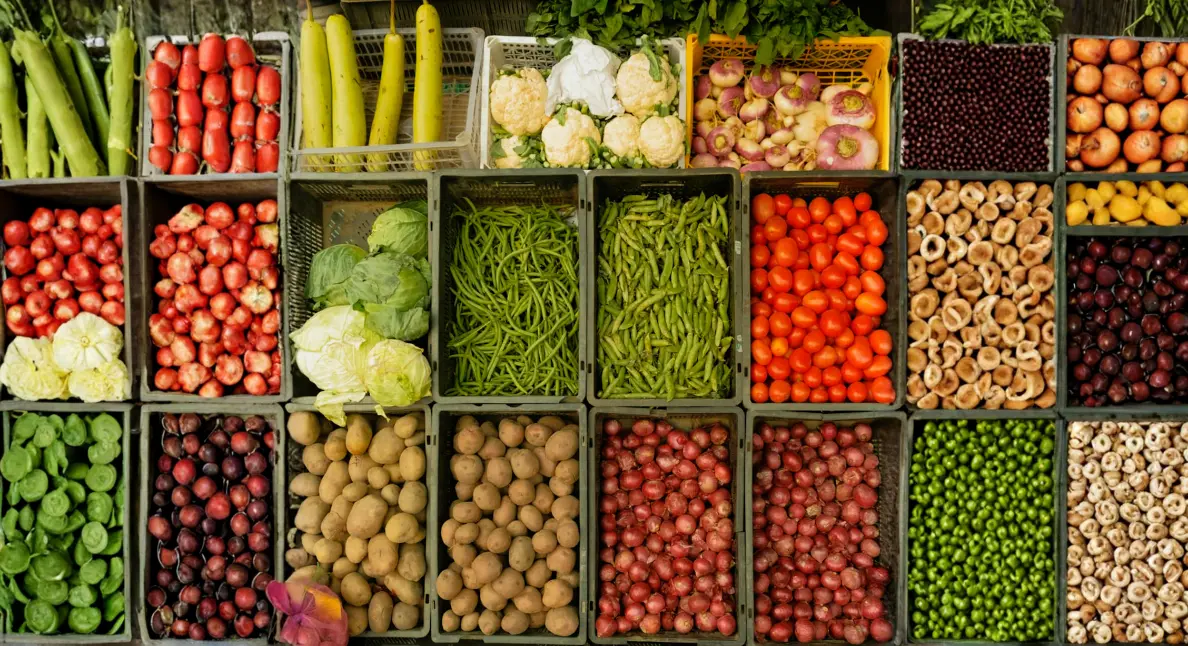
Building a health-conscious pantry is about making informed choices that add up over time. Research is increasingly clear that what we eat shapes our long-term health outcomes in ways that go far beyond calorie counts and macros. A pantry stocked with organic whole grains, legumes, nuts, quality oils, and seasonal produce is one of the most practical investments you can make in your own well-being.
Sources:
- 2025 Organic Market Report — Organic Trade Association
- EWG's 2025 Shopper's Guide to Pesticides in Produce
- Potential Health Benefits of a Diet Rich in Organic Fruit and Vegetables — Nutrition Reviews, Oxford Academic (2024)
- Impact of Organic Foods on Chronic Diseases and Health Perception: A Systematic Review — PubMed (2024)
- A Systematic Review of Organic Versus Conventional Food Consumption — PMC/NIH
- Human Health Implications of Organic Food and Organic Agriculture — PMC/NIH
- U.S. Organic Marketplace Achieved Significant Growth in 2025 — Organic Trade Association
About Us
Local Cart is an easy and convenient platform where local food and beverage entrepreneurs can meet and serve their customers in this new Covid-19 world. We help them more quickly pivot their business from the traditional dine-in or walk-in to a pick-up and/or delivery model. We preserve communities by keeping alive the mom & pop shops they have come to love and depend on for their sense of place.
