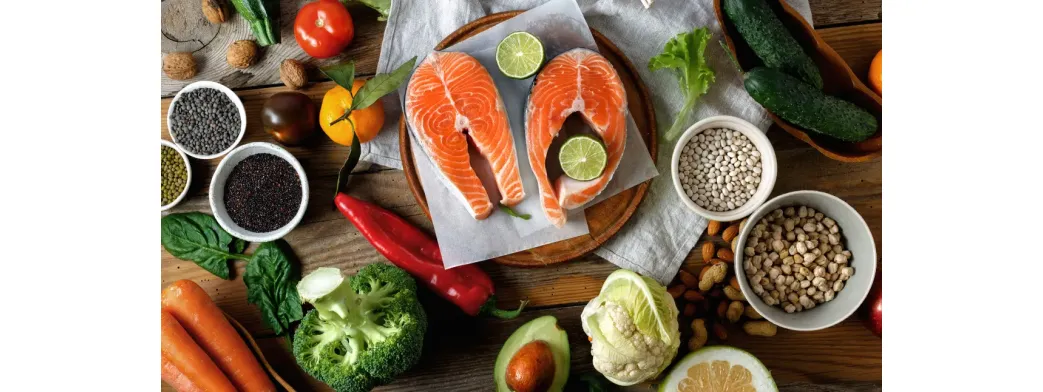
Local product gifts featuring fresh salmon, vegetables, legumes, and citrus arranged beautifully on a rustic wooden table.
05/21/2024
The Best Gift Ideas Featuring Small-Batch Local Products

When you’re looking for something truly special to give, consider small-batch gift ideas that showcase your community’s own artisans and producers. These local product gifts offer more than just a present. They provide unique quality, a story behind the item, and a chance to support hometown businesses. Consumer interest in locally made products has surged in recent years. Over 70% of Americans are now more interested in artisanal, handcrafted, and small-batch goods than they were a decade ago. This shift reflects a growing desire for gifts that are authentic and personal. By choosing gifts from local makers, you’re not only delighting the recipient with something one-of-a-kind, but also giving gifts that support locals by strengthening your local economy and community.
Why Choose Small-Batch Local Gifts?

Opting for small-batch, locally produced gifts comes with several compelling benefits:


  • Unique and Memorable: Small-batch items are often handcrafted or produced in limited quantities, so your gift won’t be a cookie-cutter product found in big-box stores. Whether it’s a hand-thrown ceramic mug or a jar of homemade jam, the gift carries a personal, exclusive feel that mass-produced items lack. The uniqueness ensures your present stands out and feels more meaningful to the recipient.
  • High Quality and Craftsmanship: Local artisans and producers tend to pour exceptional care into their handmade goods. Because these items aren’t made on huge assembly lines, the makers can focus on quality ingredients, materials, and craftsmanship. The result is often a better-made, longer-lasting product. A small-batch chocolate from a local chocolatier or an artisan food gift like aged farmstead cheese can offer superior flavor and quality compared to their mass-market counterparts.
  • Personal Connection and Story: Gifting local products also lets you share a story. Maybe the honey is from a family-run apiary down the road, or a woodworker in your town crafted the cutting board. These stories of who made the item and where it comes from add an extra layer of sentiment. Recipients love hearing that background – it turns a simple gift into a conversation piece that connects them to the place and people behind it.
  • Environmental Sustainability: Buying locally can be an eco-friendly choice. Local products often travel shorter distances to reach you, reducing the carbon footprint from transportation. Many small-batch producers also embrace sustainable methods. So your gift could be gentler on the environment than something shipped from across the globe.
  • Community Impact: Crucially, choosing local gifts means you’re investing in your community. You help keep a neighbor’s business running, support local jobs, and ensure those makers can continue their craft. Consumers have indicated they’re even willing to spend more money for this reason. Clearly, people value their local businesses, and gifts like these let you play a part in that support.


Small-batch local gifts carry a lot of meaning. They’re high-quality, tell a great story, and have ripple effects that go far beyond the exchange between giver and receiver.


Tasty Artisan Food Gifts for Foodies

One of the most popular ways to share local love is through food. Local gourmet food items make fantastic gifts, especially for the foodies in your life. There’s something special about enjoying a treat made close to home, with regional flavors or traditional methods. Not to mention, edible gifts are universally appreciated! Here’s why artisan food gifts shine and some craft food gift ideas to consider:


Small-batch food producers often use high-quality ingredients, resulting in flavors that far surpass mass-produced brands. Gifting an edible experience is also a great way to share a “taste of place” with someone. Many small food businesses are reviving heritage recipes or experimenting with unique ingredients, so their products feel authentic and adventurous. It’s a gift that can introduce the recipient to new favorites they can’t find in a supermarket aisle.


Sustainable packaging, ethical sourcing, and locally produced products are becoming important factors in the food gifting market as consumers seek more meaningful gift experiences. People increasingly want their food gifts to tell a story and reflect genuine craftsmanship. An artisanal salsa made from tomatoes grown in your state or a bag of coffee roasted by a local roastery offers exactly that kind of story and quality.

Artisan Food Gift Ideas

There’s no shortage of delicious options when it comes to local food gifts. Here are a few ideas to get you started:


  • Small-batch condiments and spreads: Think of local jams, raw honey from a nearby apiary, hand-crafted hot sauces, or gourmet mustard. These add a burst of local flavor to anyone’s pantry.
  • Artisanal chocolates and sweets: Many towns have a chocolatier or bakery creating treats like truffles, toffees, or fruit preserves in limited batches. A box of chocolates made in-house by a local sweets shop makes an indulgent local produce gift.
  • Craft coffee, tea, or drinks: For a caffeine fix, look for a local coffee roaster who offers special blends, or a tea shop blending its own loose-leaf teas. Craft breweries or distilleries also often sell giftable selections. Just ensure recipients are of age if you go that route!
  • Cheeses and charcuterie: If your region has dairies or farms, you might find excellent artisanal cheeses. Pair a wedge of local cheese with cured meats or sausages from a nearby butcher for a savory gift basket. These gourmet gift baskets of local cheese, crackers, and chutneys are perfect for holiday parties or wine nights.
  • Baked goods and mixes: From a neighborhood bakery’s famous cookies to a small mill’s pancake mix made with local grains, baked goods bring comfort. You could gift a fresh pie from a farmers market vendor or assemble a set of artisan bread mixes for a friend who loves to bake.


Such artisan food gifts not only delight the taste buds, but they also often come with the makers’ stories. For the recipient, it feels like they’re unwrapping a piece of the local culture along with the yummy goodies.

Handmade Goods and Craft Gifts with Heart

Local artisans also create all kinds of wonderful handmade goods that can become cherished gifts. From craftspeople who work with wood, metal, or ceramics, to artists and designers making home décor or accessories, your community is likely full of talent. Gifting a handmade item gives something that’s truly one-of-a-kind and often showcases incredible skill. People today have a real appetite for handmade and locally-crafted products. One reason is authenticity. Consider the interests of your recipient and see if you can find a local artisan who makes that kind of item. Some ideas include:


  • Hand-crafted home décor: Items like pottery and ceramics are classic local gifts. A beautiful hand-thrown mug, a set of artisan clay bowls, or a unique vase made by a local potter can become a daily-use item with special significance. Woodwork is another great category. Perhaps a cutting board made from local timber, a carved picture frame, or even a small piece of furniture from a local woodworker. These pieces often carry the wood’s natural character and the maker’s personal style, adding warmth to any home.
  • Candles, soaps, and self-care products: Many small businesses create handmade gift sets in the self-care realm. You might find beeswax candles poured by a local candlemaker, or organic soaps and bath bombs mixed by a local boutique. These items feel luxurious and are typically made with natural ingredients. You can bundle a few together for a spa-themed gift set that’s all locally made.
  • Wearables and accessories: How about a cozy scarf knitted from locally sourced wool? Or jewelry crafted by a hometown silversmith using local materials (like sea glass from a nearby beach or stones from the local area)? Handcrafted fashion accessories such as leather wallets, handbags, or belts made by a local leatherworker are another fantastic option – they often have superior craftsmanship and durability, and the style can be truly original.
  • Artwork and prints: Gifting art supports local artists and gives the recipient something beautiful for their space. This could be a painting or print of a local scene, handmade holiday ornaments, or even utility art like a pretty ceramic planter. Art pieces have that extra thoughtfulness since you chose something that reminded you of the person.


When you give these kinds of handmade gifts, you’re showing that you put thought into finding something that resonates with the person’s tastes. Such gifts carry a story and a connection, making them especially heartwarming.

Curated Gift Baskets and Local Gift Boxes

If you’re having trouble choosing just one item, consider a curated local gift box or basket. Gift boxes combine several local products into one beautiful package, and they’ve become a big trend in gifting. Curating a selection of local goodies can elevate your gift to an experience, bundling tastes and treasures into a single surprise. It’s also a great way to support multiple local businesses at once.

Local Gift Box Ideas

You can assemble your own gift box by collecting a few complementary local items, or purchase a pre-made one from a boutique or online marketplace that specializes in local products. Here are some creative ideas:


  • Local gourmet sampler: Fill a basket with a mix of edible treats from nearby producers. A box might include a bag of locally roasted coffee, a jar of local honey, a bar of small-batch chocolate, and a bottle of a regional hot sauce or jam. This kind of gourmet gift basket provides a delicious tour of your area’s flavors. You can tailor it to a theme, too.
  • Artisan spa box: Create a relaxing kit with items like a locally made soy candle, artisan soap, bath salts, or scrubs using local herbal ingredients, and perhaps a small embroidered hand towel from a local textile artist. This turns into a handmade gift set for self-care, perfect for a friend who needs pampering.
  • Craft kit or DIY-themed box: If the recipient loves hands-on experiences, gather supplies from local sources for a DIY gift. For instance, a craft cocktail kit with bottles of locally distilled spirits, handmade mixers, and recipe cards can be great for a home mixologist. Or a “DIY pizza night” box with dough mix from a local mill, sauce from an Italian market, and artisan cheese and toppings from nearby farms.
  • Unique regional gift sets: These are especially wonderful for someone who’s moved away from home or for showcasing your region’s character. Think of a gift set that emphasizes what your area is known for. If your state is famous for, say, BBQ, you could bundle together a regional BBQ sauce, spice rubs, and maybe a cookbook from a local chef. In New England, a “Maple Sugaring” gift set with local maple syrup, maple candy, and pancake mix celebrates Vermont or New Hampshire flavors. Out on the West Coast, a California-themed set might include Napa Valley olive oil, locally harvested sea salt, and dried fruits or nuts from the region. These unique regional gift sets let someone far away enjoy a slice of your hometown, or give a local something to be proud of.


What’s great is that many shops and markets offer pre-curated local boxes, especially around holidays. They’re an easy way to send a piece of home to friends and family across the country.


How to Find Local Artisans and Markets (Even Online)

You might be excited about buying local, but maybe you’re not sure where to start, especially if you don’t have many shops nearby or you prefer to shop from home. The good news is it’s getting easier than ever to find local artisans and farmers, both in person and online.

Traditional farmers' markets remain one of the best ways to meet local producers. In the United States, there are over 8,700 farmers' markets operating around the country. These markets often host not just farmers with fresh local produce, but also vendors selling things like baked goods, jams, soaps, and crafts. Take a stroll through your nearest farmers market or seasonal craft fair; you’ll likely find many of the gift ideas we discussed, from homemade foods to handmade jewelry. Chatting with vendors can give you personal insight into their products. Plus, you might discover new local favorites to gift and to keep for yourself.


You don’t have to find local products in person. Online platforms are bringing the farmers' market experience to your screen. For example, LocalCart is a platform that essentially lets you shop a farmers market online, offering small-batch products from local vendors across different regions with convenient farmers market delivery options. Services like this curate selections from numerous artisans and farmers, so you can browse and order local goodies even if you can’t attend a market physically. Independent boutiques, co-ops, or organic food markets in your area often prioritize stocking local products. A local organic grocery might carry jams from regional farms or skincare from a neighborhood maker. Stopping by these shops can be a convenient way to pick up a few local items without going to multiple vendors. The store owners can usually point out which products are locally sourced. Additionally, attending events like local artisan pop-ups, holiday markets, or fairs will put you in direct contact with the makers.

Supporting Local Economies and Communities

Choosing small-batch local gifts is a meaningful way to support and strengthen your community. When you spend money on a local artisan’s product, a much larger share of that money stays in the local economy compared to buying from a national chain. The impact goes beyond dollars. Small local businesses are often the ones supporting community events, donating to local charities, and adding character to our towns. Think about a charming main street filled with independent shops and how that shapes the identity of a place. By buying gifts that support locals, you’re voting with your wallet for that vibrant, diverse local culture.


The best gifts are those that make both the giver and the receiver feel good. Small-batch local products achieve exactly that. In a world where so many things are mass-produced, a locally made gift stands apart as something thoughtful and sincere. It shows that you went the extra mile to find something meaningful. It turns the simple act of gifting into a ripple of support for local farmers, artists, and entrepreneurs. With every local gift exchanged, communities grow a little stronger and traditions live on a little longer.

Sources

  • LinkedIn (Group MRA) – “How Consumer Preferences Are Shifting Toward Local and Artisanal Foods in the US.” (Dec 11, 2024) linkedin.com
  • Research and Markets“Global Food Gifting Market Outlook, 2029.” (Industry report excerpt on local products in gifting) researchandmarkets.com
  • JAFSCD Journal (Wisc. Extension) – “U.S. Farmers Market Attendance and Experiences: Descriptive Results from a National Survey.” (Jan 2025) waukesha.extension.wisc.edu
Read more
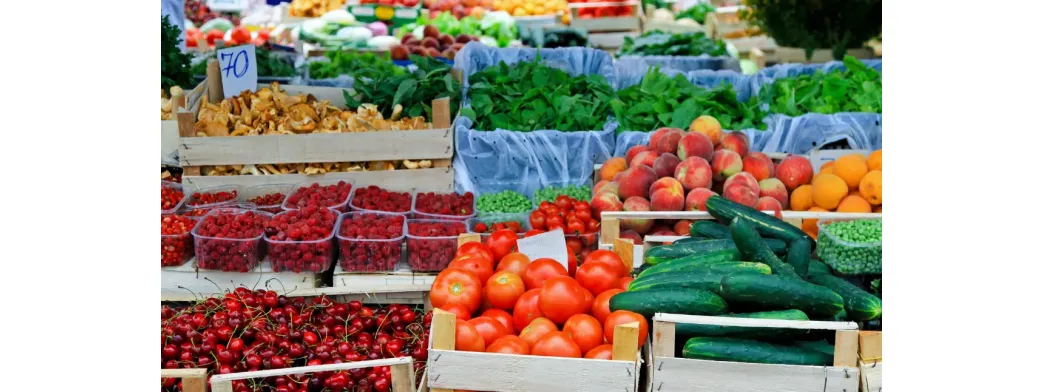
Produce market offering fresh tomatoes, cucumbers, berries, peaches, and leafy greens neatly arranged in wooden crates and baskets.
05/21/2024
Local Foods: Strengthen Your Community With Every Meal

We often hear the call to eat local, but what does it really mean, and why does it matter? Eating local refers to consuming food grown and produced in your own community or region. From the neighborhood produce market to farm-to-table restaurants, the emphasis on locally grown food is growing nationwide. Choosing local food isn’t just a trend. It’s a powerful way to invest in your health, your environment, and your community. During recent events like the pandemic, many people discovered that local farmers and markets could be vital lifelines when global supply chains faltered. By choosing local food, you’re not only getting fresher ingredients on your plate. You’re also helping to build a stronger, more resilient community with every meal.

Why Eat Local? Understanding Local Food Benefits

Consider these local food benefits for individuals and communities:


  • Freshness and Flavor: Local produce is often harvested at peak ripeness, so it reaches you with maximum flavor and nutrition.
  • Seasonal Variety: Eating local means enjoying foods in season. You’ll experience a greater variety of fruits and vegetables throughout the year, often including unique heirloom varieties.
  • Environmental Sustainability: Fewer “food miles” mean less fuel burned and a smaller carbon footprint, plus farmland is preserved from urban sprawl.
  • Economic Impact: Money spent on local food stays within the community, supporting farmers and creating jobs in the local food economy.
  • Community Connection: Local food networks bring people together, strengthening social bonds and food security close to home.


Buying local leads to fresher produce and a greener planet. It also builds a stronger local economy and fosters community connections, as we’ll explore in detail below.

Fresher Food and Richer Flavor

One of the most immediate rewards of eating local is better-tasting food. Fruits and vegetables grown close to home can be allowed to ripen naturally on the plant and arrive in your kitchen at peak freshness. In contrast, produce shipped long distances is often harvested early and chilled for transport, sacrificing flavor and texture. Local growers can offer varieties chosen for taste rather than for long-haul durability. Because local food travels a shorter distance from farm to fork, it also retains more nutrients that would otherwise degrade over time. The result is meals made with ingredients that are bursting with flavor and higher in vitamins, providing more nourishment for you and your family. Moreover, eating with the seasons means you get to enjoy produce at its natural best and develop a deeper appreciation for each season’s unique offerings.


Environmental Sustainability: Fewer Miles from Farm to Fork

When it comes to food sustainability, choosing local can significantly shrink the carbon footprint of your meals. The shorter the distance food travels, the fewer fossil fuels are burned in transportation and refrigeration. While transportation is only one part of food’s environmental impact, local food systems also encourage sustainable farming practices and help preserve green space. Farmland near cities is often under pressure from development. Supporting local farms gives them an economic reason to keep growing food instead of selling land to developers, which in turn conserves open space and wildlife habitats.


Researchers found that producing vegetables within a region can cut greenhouse gas emissions by more than half compared to conventional long-distance supply chains and use only a tenth of the water. Fewer “food miles” and less resource-intensive production mean that local eating can lower pollution and save water. Additionally, well-managed small farms tend to maintain healthier soils and greater crop diversity, further benefiting the environment. By supporting local growers, you’re investing in a food system that works in harmony with the land, reducing waste and ensuring that fertile farmland remains a part of your community for generations to come.

Supporting the Local Economy with Every Bite

Another powerful advantage of eating local is the boost it gives to your community’s economy. When you purchase food from area farmers, farmers’ markets, or nearby producers, more of that money stays circulating locally. Paying local workers, supporting farm families, and stimulating other businesses. This localized spending creates a “multiplier effect,” meaning each dollar generates additional economic activity close to home. Local food initiatives create substantially more jobs than equivalent sales in the industrial food system. This higher job creation is partly because local producers buy supplies and services from other local businesses, further fueling the community’s economy. Small and mid-sized farms that sell locally also tend to have more stable incomes and better viability, helping to keep family farms in business. In addition, a thriving local food economy attracts related enterprises, all contributing to a more self-reliant and prosperous region.

Building Community Through Food Networks

Local food systems create value far beyond the groceries people bring home. They shape how neighbors interact, how families learn about food, and how communities respond to shared challenges. When food is exchanged face-to-face, it becomes a tool for education and connection.


  • Markets as Social Anchors: Local farmers' markets function as gathering points where commerce and community intersect. Shoppers are not anonymous customers but familiar faces, often returning weekly to the same vendors. These interactions foster casual conversations, shared recommendations, and a sense of belonging. Children observe food being sold directly by those who grow it, which humanizes agriculture. These repeated encounters turn markets into reliable social anchors that reinforce neighborhood identity and strengthen everyday social bonds.
  • Trust Between Producers and Consumers: Direct food networks allow consumers to form personal relationships with farmers and food producers. Questions about growing practices, sourcing, and seasonality are answered in real time, building transparency that is difficult to achieve through industrial supply chains. This trust encourages more thoughtful purchasing decisions and long-term loyalty. Producers, in turn, gain immediate feedback and appreciation for their work. The result is a mutually reinforcing relationship rooted in accountability and shared investment in food quality.
  • Food as an Educational Tool: Community food outlets often serve as informal classrooms where practical knowledge is exchanged. Cooking demonstrations, seasonal recipe cards, and conversations about preparation techniques help households feel more confident using fresh ingredients. This hands-on education explains unfamiliar produce and reduces reliance on processed foods. By learning directly from growers and experienced cooks, families gain skills that support healthier eating habits while reconnecting daily meals to agricultural cycles and local food traditions.
  • Public Health and Everyday Access: When fresh, locally produced food is readily available within a community, healthier choices become easier and more routine. Direct farm sales increase access to fruits and vegetables, especially in underserved areas. Research has linked strong local food networks with improved health outcomes, including lower rates of diet-related disease. These benefits emerge not from isolated interventions, but from consistent exposure to nutritious options embedded in everyday community life.
  • Resilience During Disruption: Community-based food systems provide stability when broader supply chains are strained. Local farms and fresh produce markets can adapt quickly to changing conditions because they operate on shorter distribution paths. During emergencies or disruptions, these networks help ensure continued access to fresh food. Equally important, they mobilize social support, encouraging neighbors to look out for one another.


By combining social connection, education, health, and resilience, local food networks play a foundational role in community well-being. They transform food from a transactional necessity into a shared resource that supports stronger relationships and more sustainable lifestyles. When communities invest in these systems, they cultivate not only better diets but also deeper trust and collective strength.

Embracing Community Supported Agriculture (CSA)

One popular model that embodies the spirit of local food and community is community-supported agriculture (CSA). In a CSA program, consumers become “members” of a local farm by purchasing a share of the upcoming harvest, usually at the start of the growing season. In return, they receive weekly or biweekly boxes of fresh produce (and sometimes other farm goods, such as eggs, dairy, or meat) throughout the season. This arrangement creates a direct partnership between eaters and growers. In fact, CSAs directly connect consumers and producers to help create a more transparent and mutually beneficial local food system.


For farmers, the upfront funds from CSA memberships provide vital capital to buy seeds, equipment, and other inputs before harvest, reducing the need for loans and helping them plan for the season. They also gain a guaranteed market for their products, making small farms more economically stable. For CSA members, the benefits include receiving ultra-fresh, often organically grown food straight from the farm, typically harvested just a day or two before it reaches their kitchen. Members get to “eat with the seasons,” enjoying ripe tomatoes in summer or hearty greens in fall, and often discover new vegetables and varieties they wouldn’t find in a supermarket.


Many CSAs also nurture a sense of community by inviting members to farm events, volunteer days, or potlucks. Families can actually visit the farm, meet the people growing their food, and even participate in the harvest. The result is a deeper connection to the land and a shared commitment to sustainable agriculture. CSA programs are a win-win. Farmers receive support and fair payment for their hard work, while members secure a steady supply of fresh produce and gain the satisfaction of supporting local agriculture directly.

Farm to Fork: Bringing Local Food to the Table

The influence of the local food movement extends beyond home kitchens and markets. It’s changing how institutions and businesses approach food as well. The farm-to-fork (or farm-to-table) philosophy has been embraced by restaurants, schools, and even hospitals that prioritize sourcing ingredients from nearby farms. Chefs at farm-to-fork restaurants value local suppliers because fresh local ingredients often taste better and allow menus to showcase regional specialties. Diners can enjoy meals made with peak-season produce, artisan cheeses, or grass-fed meats sourced from their area, fostering a cuisine that reflects local terroir and tradition. In many U.S. school districts, farm-to-school programs bring local fruits and vegetables into cafeterias, improving meal quality for students and providing stable outlets for farmers. These institutional efforts demonstrate how local food can scale up to serve entire communities in a sustainable way.


Technology is also expanding the reach of local foods. Not everyone has the time or ability to visit a farmers' market regularly, but that’s where innovative solutions come in. Today, you can find an online farmers market through digital platforms that aggregate products from multiple local farms and artisanal producers. For example, services like LocalCart act as a virtual farmers market, allowing consumers to browse and purchase local produce, meats, and other goods via a convenient online storefront. Such platforms preserve the farm-to-fork values while adding the ease of modern e-commerce. Customers get the same farm-fresh foods delivered to their doorstep, and small producers gain access to a wider customer base without sacrificing their independence. These online community marketplaces often include background stories about the farms and transparent sourcing information, so buyers still know exactly where their food comes from.


Every time you choose local foods, you’re casting a vote for a healthier and more connected community. The simple act of cooking dinner with locally sourced ingredients sets off a chain reaction of positive impacts. You get to enjoy food at the height of freshness and flavor. You help small farmers thrive and keep local dollars circulating in the area. You reduce the environmental toll of long-distance shipping and excessive packaging. And you become part of the story of your food, building relationships with the people who grow it. In a very real sense, we support local food producers by integrating their harvests into our daily lives, and in return, they nourish us, steward the land, and invigorate the local economy. Over time, these reciprocal relationships create communities that are more self-sufficient, resilient, and rich in social capital.


In the United States, the revival of local food traditions is showing that progress can sometimes mean circling back to our roots. By re-establishing the link between farm and family table, we rediscover the value of fresh, honest food and the importance of place in our diets. The next time you plan a meal, consider how you might eat local and support a farmer nearby. Even one item in your basket, like honey from a local apiary or greens from a family farm, makes a difference. These choices add up. Strengthening your community can be as enjoyable as sharing a delicious meal, nd it starts with local foods on your plate.

Sources

  • Michigan State University Extension – Seven benefits of local food (2019) canr.msu.edu
  • Iowa State University, College of Agriculture and Life Sciences – Research shows significant environmental benefits of local food production (2022) cals.iastate.edu
  • Federal Reserve Bank of St. Louis – The Economic Impact of Locally Produced Food (2017) stlouisfed.org
  • National Sustainable Agriculture Coalition – Local Farms and Food Act Strengthens Regional Food Economies Across the US (2023) sustainableagriculture.net
  • Michigan State University Extension – Benefits of Community Supported Agriculture (2020) canr.msu.edu
Read more
Local and organic produce sold at a farmers market where a smiling vendor and customer shake hands over fresh vegetables.
05/21/2024
Handcrafted Foods: The Art of Flavor in Every Bite

Handcrafted foods stand out as a testament to quality over quantity in a world dominated by mass production. These artisanal delights offer flavors and stories that factory-made products simply cannot replicate. Once a niche market, they now command global attention: the artisanal food sector was valued at around $1.5 trillion in 2025 and is projected to reach $2.5 trillion by 2033. This surge signifies a broader shift in how we value what we eat. In this article, we’ll explore the craftsmanship behind artisan foods, the trends driving their popularity, and why supporting them matters for our taste buds, our communities, and our conscience.
The Craftsmanship Behind Handcrafted Foods

At the heart of every artisan cheese, loaf of bread, or jar of jam lies true food craftsmanship. This concept is all about skill, passion, and attention to detail. Unlike assembly-line foods churned out by the thousands, artisanal foods are made on a human scale. They’re typically crafted in small batches using time-honored artisanal food techniques. Think of a baker tending a sourdough starter that’s been passed down for generations, or a cheesemaker carefully controlling temperatures and cultures to perfect each wheel of cheese. Every step in these processes requires care and know-how, often learned through apprenticeships or family tradition rather than formal manuals.


Handcrafting food is as much an art as it is a science. Consider the layered flavors in a barrel-aged hot sauce or the delicate crumb of a naturally leavened bread. These qualities arise from slow, hands-on methods: the slow fermentation of dough, the gentle stirring of a copper jam pot, the precise curing of meats. Such methods take longer and may yield fewer units, but the payoff is in the taste and texture. Small-scale traditional methods often yield superior flavors that factory-made foods can’t match. This is because artisans prioritize quality ingredients and optimal techniques over sheer volume. They’ll use fresh, locally sourced fruits at peak season for jams, or single-origin cacao beans for chocolate, coaxing out nuances that industrial processes often flatten.


Craftsmanship in food also preserves heritage and culture. Many artisanal techniques are living links to the past. A way of making food that carries the story of a place or a people. For example, a traditional vinegar brewery might use a mother culture that’s decades old, or a farmhouse brewery might ferment beer in oak barrels using wild yeasts unique to its valley. By practicing these methods, artisans keep cultural traditions alive, offering us a taste of history. It’s a beautiful paradox that in creating something new to enjoy, they are also safeguarding something old and precious.


Quality Over Quantity: The Rise of Handcrafted Food Trends

There’s a growing movement of consumers seeking authenticity and connection in what they eat. The preference for imperfection and individuality is manifesting in the rise of handcrafted food trends. People are increasingly rebelling against uniform, mass-produced fare and turning toward foods that showcase unique, hand-crafted qualities. They crave the real stories behind their food. Knowing where it comes from, who made it, and how it was prepared. This desire for authenticity has fueled a broader trend in the food industry. Shoppers are even willing to pay a premium for products that resonate with their values and provide that sense of the genuine article.


The shift toward handcrafted and artisanal foods also reflects a backlash against the “more is better” mentality. Instead of gigantic portion sizes or endless aisles of identical products, many consumers now seek quality over quantity. This is evident in trends like farm-to-table dining, craft brewing, and the resurgence of farmers’ markets. We see younger generations especially interested in artisanal foods as part of a broader lifestyle choice. They prefer the authentic over the processed, and the story over the stereotype. Social media has played a role in this as well, amplifying small brands that have a compelling narrative to showcase.

Small-Batch Food Makers: Passion and Flavor in Every Batch

The world of artisan food is populated by independent small-batch food makers who pour their heart into every jar, loaf, or bottle they produce. These are the family-run bakeries, the local honey farmers, the brewers operating out of a garage. By keeping production limited, they ensure each of their artisan food products meets high standards of taste and quality. The philosophy here is simple: make a little, but make it the best you can. Small-batch producers often have the flexibility to experiment and perfect recipes, adjusting to seasonal ingredients or customer feedback quickly in ways large factories cannot. The result is often a unique product with a distinct identity. The kind of food that, once you taste it, you remember it.


One hallmark of these makers is personal passion. When a chocolatier roasts cacao beans in-house or a pasta maker uses heirloom grain flour they mill themselves, you can sense the dedication in the flavor. This passion tends to translate into a superior product and a loyal following. Many of these producers started as hobbyists or chefs who wanted to share something special with the world. Their businesses might operate on slim margins and small volumes, but they are driven by love for the craft.


Crucially, this small-batch approach also appeals to today’s conscious consumers. People are increasingly looking for alternatives to mass-market brands, seeking out local bakeries, microbreweries, and home-based picklers for something more authentic. In North America, consumers have been increasingly focused on small-batch artisanal food products as part of a shift toward high-quality, sustainable choices. This interest means that many small producers find eager markets right in their own communities and beyond. Some small-batch foods, like craft beers or artisan cheeses, have attained almost cult status, with enthusiasts lining up to buy limited releases. When production is small, supply is often limited. It’s the opposite of the big-box store mentality. Exclusivity and scarcity, paired with genuine quality, make each bite feel special.


These entrepreneurs are also nimble. They can cater to niche tastes and dietary needs, be it vegan artisan pastries, keto-friendly small batch meals, or gluten-free breads, often faster than big companies can. By listening to customer feedback directly at the farmers market or local shop, they adapt and create foods with a built-in audience. The result is a vibrant food ecosystem where passion-driven makers fill gaps in flavor and variety that larger producers often overlook.

Why Shop Local? The Power of Supporting Small Businesses

There’s a reason why shop local has become a rallying cry among communities. Choosing locally made foods delivers a host of benefits for consumers and the community alike. Here are a few key benefits of choosing food close to home:


  • Supports the local economy: Your purchase boosts local business owners, helps sustain family farms, and creates jobs in your region. Strong local food systems make communities more resilient in the face of economic ups and downs.
  • Fresher flavors and nutrition: When you buy local produce, it’s typically harvested at peak ripeness and travels only a short distance to your plate. The shorter time and distance from farm to table mean you enjoy fruits, vegetables, and other foods at the height of freshness. There’s a noticeable difference in taste when, for example, tomatoes are vine-ripened from a nearby farm versus shipped thousands of miles while still green.
  • Environmental benefits: Local foods generally have a smaller carbon footprint. Shorter supply chains require less transportation and refrigeration, leading to lower fuel use and emissions. Fewer middlemen and less packaging are needed as well, which cuts down on waste. In essence, supporting local reduces the “food miles” and the pollution associated with long-distance trucking or flying of food.
  • Community and culture: Buying from nearby farms and artisans fosters personal connections. You often meet the people who grow or make your food. This builds trust and a sense of community pride. It also helps preserve regional food traditions and crop varieties. Local food events, like farmers’ markets or food festivals, become community gatherings where people bond over shared tastes and cultural heritage.


Shopping local is a statement about what you value. You’re saying you value fresh taste, fair support for producers, and the character of your community. And they give you the satisfaction of knowing your food dollars are going toward small business support and a healthier, more connected way of living.

Ethical Consumerism and Craft Food with Purpose

The rise of ethical consumerism means more people want their food choices to align with their values. Shoppers seek out craft food with purpose. These are artisanal products created with an eye toward ethics, sustainability, and social impact. This could mean a coffee roasted by a company that shares profits with farmers, or a line of sauces made by a local business that employs at-risk youth. For many consumers today, the story behind the food is as important as the flavor.


Artisanal food producers are often at the forefront of ethical practices. Many choose local and organic ingredients, avoid artificial additives, and prioritize animal welfare and fair labor. By keeping operations small and transparent, it’s easier for them to ensure that every step of production meets certain values. Moreover, many handcrafted food businesses infuse a sense of purpose into their brand identity. It’s common to find mission statements on their websites or labels outlining what they stand for. Transparency and passion resonate with ethical consumers. When you buy from such a company, you’re not just getting a product. You’re supporting a cause or a set of principles.

From Farmers’ Markets to Online Artisan Food Shop: Shopping Local in the Digital Age

Traditionally, getting your hands on artisanal treats meant seeking them out at farmers’ markets, local fairs, or quaint specialty stores. But today, technology is bridging the gap between local producers and consumers everywhere, essentially bringing the farmers’ market to your fingertips. Platforms like LocalCart make it easy to shop local online by acting as a virtual marketplace for small food businesses. In this digital artisan food shop, you can browse a variety of artisan food brands, all from the comfort of your home. With a few clicks, someone in a big city can enjoy goat cheese from a family farm miles away, or a regionally famous hot sauce that used to only be found at a county fair.

Artisan Food Gifts: Sharing the Art of Flavor

One delightful way people are embracing handcrafted foods is by giving them as gifts. There’s something special about sharing your favorite locally roasted coffee or that jar of small-batch jam you discovered. Artisan food gifts have surged in popularity as perfect presents for holidays, birthdays, or any occasion for the foodies in our lives. Unlike generic gift cards or mass-produced fruit baskets, these gifts feel thoughtful and personal. They say, “I found something truly unique and delicious, and I want you to enjoy it too.”


The variety of artisan food gifts is endless, which makes them fun to choose and to receive. You can tailor the gift to the person’s tastes: perhaps a collection of spicy craft hot sauces for the friend who puts chili on everything, or an assortment of organic teas blended by a local herbalist for the relative who savors a calming cup each evening. Beautifully curated gift boxes are available from many small producers, combining items like artisan cheeses, charcuterie, and crackers for a gourmet picnic set, or a baking kit with heirloom flour, recipe cards, and artisanal vanilla extract for those who love to bake. Some gifts are downright whimsical. Think a DIY mushroom growing kit from a small urban farm, or a set of rainbow-colored macarons from that tiny French patisserie in town. Because these items are handcrafted, they often come with charming packaging and little notes or serving suggestions, which add to the gift’s charm.


Gifting artisanal foods also carries a deeper meaning. It reflects a sense of sharing quality time and care. For instance, giving someone locally roasted beans isn’t just about the coffee, but also inviting them to slow down on a weekend morning and enjoy a truly good cup of joe. It might introduce your loved ones to new flavors or brands that they’ll continue to support, thereby spreading the ripple effect of supporting small businesses. In a way, an artisan food gift is a gift to the makers as well, because it helps them gain a new customer or fan. 


In a rapidly changing world, handcrafted foods offer a delicious form of resistance against the bland and impersonal. They invite us to slow down and taste the difference that care and creativity make. Whether you’re shopping at a local farmers’ market, clicking through an online artisan marketplace like LocalCart, or unwrapping a gift of gourmet goodies, you become part of a larger story. One that values people and passion over automation and volume. So next time you’re looking for a memorable meal or a meaningful gift, consider the handcrafted option. You’ll be treating yourself and others to something truly special, and helping to keep alive the traditions and values that put the art into our food.


Sources:

  • Future Data Stats – Artisanal Food Market Size, Share & Trends 2025-2033.
  • Business Europe – Artisanal Food Production in Europe.
  • Seed World – The Return of Real: Seven Consumer Trends Reshaping the Food Industry.
  • SkyQuestt – Gourmet Food Market Growth, Trends, and Regional Outlook.
  • Sustain – 5 Reasons Why Local Food Matters.
  • ReallyEats (Medium) – The Rise of Artisanal Small-Scale Food Producers.
Read more
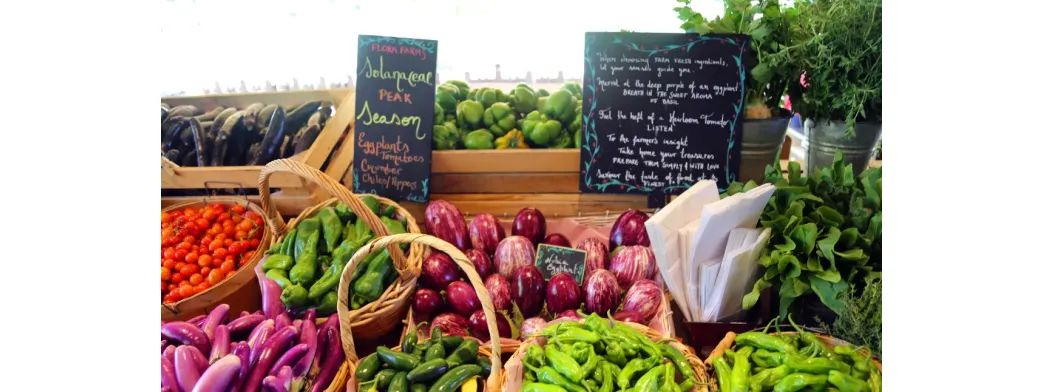
Organic food markets offering fresh eggplants, peppers, tomatoes, and leafy greens in baskets with handwritten signs.
05/21/2024
Local Farmers Markets: A Guide to Finding the Best Seasonal Produce

Local farmers' markets are a cornerstone of community food culture, offering a vibrant experience of fresh, seasonal foods and personal connections with growers. These markets have surged in popularity over the past few decades. Today, there are over 8,700 farmers' markets across the U.S., where some 40,000 farmers sell directly to consumers. Why do so many people flock to farmers' markets each week? This guide will explore the benefits of buying from farmers at local markets, explain what seasonal produce really means, and provide tips to help you make the most of your farmers' market shopping trips.
Why Shop at Local Farmers' Markets?

It’s an experience that supports your health, your community, and the environment. When you shop at a farmers' market, you’re engaging in local food shopping that benefits everyone involved. Here are some key advantages of choosing the market over a typical supermarket:


  • Unbeatable Freshness and Flavor: Produce is often harvested just hours before the market opens. This means you can shop for seasonal vegetables at peak ripeness, bursting with flavor and nutrients. Unlike grocery store produce that may travel thousands of miles, farmers' market goods are fresh food in the truest sense. Many shoppers find that tomatoes, berries, or sweet corn from a local market simply taste better because they’re sold at their prime.
  • Health and Nutrition: With fresher, just-picked produce comes higher nutritional value. People who frequent farmers' markets often report eating more fruits and veggies overall. The majority of market-goers said they ate healthier because of farmers' markets. When you have a basket full of colorful, farm-fresh items, you’re more inclined to cook at home and incorporate those wholesome ingredients into your meals. Markets also introduce you to new produce varieties, which can diversify and improve your diet.
  • Supporting Local Farmers and Economy: By buying from farmers in person, you help small family farms stay in business and preserve local farmland. This, in turn, keeps money circulating in your community. Farmers' markets also act as business incubators for small-scale producers. You might be supporting a young farmer’s startup or a local beekeeper’s honey business. The community impact is significant. Local markets create jobs and maintain the agricultural traditions of the area.
  • Community Connection and Fun: Markets serve as lively gathering places where neighbors catch up, kids sample fresh peaches, and you can chat with the farmer who grew your food. Many markets feature live music, food trucks, or cooking demonstrations, turning grocery shopping into a fun weekend outing. This atmosphere of connection and learning makes farmers' market visits something to look forward to.
  • Environmentally Friendly: Local markets promote sustainable eating. The produce hasn’t traveled far, which reduces transport-related carbon emissions and usually involves minimal packaging.


Choosing the farmers' market means fresher and often more organic fruits and vegetables, a healthier diet, a boost to local farmers, and a pleasant community outing. Now, let’s talk about one of the defining features of farmers' markets: seasonal produce.


Understanding Seasonal Produce and Why It Matters

One phrase you’ll hear often at markets is “eat with the seasons.” But what exactly is seasonal produce? It’s the fruits and vegetables that are naturally harvested at the peak of their season in your region. Every crop has a window of time each year when it grows best and develops optimal flavor. For example, tomatoes love the warmth of summer, while squash and apples thrive in the fall. Modern supermarkets stock just about everything year-round, but those out-of-season strawberries in December are often imported or grown in artificial conditions, and they don’t hold a candle to ripe June berries from a local farm.

How to Find the Best Farmers' Markets Near You

Ready to explore a market for yourself? Whether you’ve moved to a new area or just want to expand your market-hopping, here are some tips on locating the best farmers' markets and ensuring you’ll find fresh produce that meets your needs:


  • Use Online Directories: A quick way to discover markets in your region is by using online tools. The U.S. Department of Agriculture maintains a National Farmers Market Directory where you can search for markets by zip code, day of the week, and more. A simple web search will usually surface the major ones. These directories can help you identify which markets operate on which days, so you can plan your visits.
  • Check Community Resources: Often, local community bulletin boards, Facebook groups, or neighborhood newsletters will have information on nearby markets. Many cities and towns host weekly markets at parks, church parking lots, or main street areas. So keep an eye out for signs around town, especially as spring and summer roll in. Don’t hesitate to ask your neighbors or coworkers, too. People who love farmers' markets are usually enthusiastic about recommending their favorites and might have insider tips on the best vendors or the best times to go.
  • Time and Location Convenience: “Best” is subjective. The ideal market for you is one you can actually attend regularly. Consider the location, day, and time that fits your schedule. Some markets run on Saturday mornings, while others might be on a weekday afternoon or evening. If you’re not an early riser, a weekday evening market might be perfect. If you have a free Saturday, the classic morning market could be a great weekend ritual. It’s also worth considering parking and accessibility. A fantastic market across town might be less practical than a good market nearby that you can walk or drive to easily.
  • Size and Product Selection: Markets can vary from a handful of vendors to hundreds. A larger market will have more variety. A smaller market might offer a more intimate experience and more time to chat with farmers, albeit with fewer choices. Think about what you’re looking for. Do you want a one-stop shop for all your groceries? Then, a bigger market or a farmers' market that’s been established for a while might be best. If you’re mainly after produce and a community vibe, a small neighborhood market could suffice.
  • Look for Producer-Only Markets: Some markets are “producer-only,” meaning the vendors must be the ones who grew or made the products they’re selling. These markets tend to ensure everything is genuinely local. If buying direct from farmers is your goal, a producer-only market is ideal. Market websites or brochures usually mention whether they have this rule. If not, you can often tell by chatting with the vendors. Genuine farmers will gladly tell you about their farm. In any case, pay attention to vendor booths: if you notice stickers on produce or items that are out of season for your area, that could be a sign the vendor is reselling rather than growing.
  • Consider Special Features: Each market has its unique character. Some emphasize organic produce, turning them into de facto organic food markets for the community. Others might have a focus on prepared foods and food trucks, making them great for grabbing lunch. There are markets with live music and artisans, and others that are all about serious produce shopping. Some communities even have an organic farmers' market day where all farmers are certified organic or follow strict growing practices. Decide what features matter to you and seek out a market that aligns with those priorities. You can usually find this kind of info on the market’s website or social media, or by asking regulars.


Once you find a market you love, become a regular! Farmers will start to recognize you, which can lead to great relationships. You might get the occasional perk, like your favorite farmer setting aside a ripe melon for you. Being a loyal customer can also give you access to insider knowledge. The community feels truly blossoming when you visit consistently.

Farmers Market Shopping Tips for Success

Stepping into a bustling market can be a bit overwhelming at first. The sights, sounds, and options are abundant. But with a little preparation and savvy, you’ll shop like a pro. Here are some essential tips to make your farmers' market shopping experience enjoyable and fruitful:


  • Go Early (for Best Selection): If you’re after the cream of the crop, plan to arrive early. Markets tend to be freshest in the morning, and popular items can sell out fast. For example, the choicest berries, the ripest peaches, or that pasture-raised eggs vendor might be picked clean by mid-morning. For the best selection, you should get to the farmers' market early. The most sought-after goods often go first. Early hours are also typically less crowded, giving you space to browse at your own pace.
  • Go Late (for Deals): Some farmers prefer to discount produce in the last hour instead of packing it back up. You might score a great deal on a basket of tomatoes or “buy one get one” on baked goods when it’s near closing time. Of course, by going late, you risk missing out on certain items, so this strategy is best if you’re flexible about what you’ll buy.
  • Bring Your Own Bags and Cash: Markets are going green, so bringing reusable shopping bags is always a good move. You’ll be more comfortable carrying your haul, and you'll cut down on plastic waste. Carry some cash, especially small bills. While more vendors now accept credit/debit or mobile payments, many still operate as cash-only. Having small denominations ($1s, $5s) makes transactions smoother. Your farmer will appreciate not having to break a $50 bill for $3 of carrots. Some markets have an ATM on site, but it’s easier to come prepared.
  • Do a Lap First: When you arrive, resist the urge to buy from the first stand you see. It’s wise to stroll through the entire market once to see who’s selling what and at what prices. That way, you can compare quality and deals.
  • Talk to the Farmers: Don’t be shy. One of the best parts of farmers' markets is the direct interaction with growers and artisans. If you see a vegetable you don’t recognize or wonder how something was grown, just ask! Vendors are usually proud of their products and love to share information. Ask the farmer how to tell if a melon is ripe, or how they recommend cooking that unusual variety of squash. Most farmers will gladly explain their growing practices if you’re curious about organic or pesticide use. Building a rapport not only enriches your knowledge, but sometimes farmers might offer you a sample or a tip on when something great will be available. These conversations can lead to discovering unique local finds you never knew existed.


By following these farmers' market tips, you’ll maximize both the quality of your haul and the joy of the outing. You’ll soon develop your own rhythms and favorite habits, whether it’s hitting your top three stands in order or always rewarding yourself with the bakery’s scones after finishing your veggie shopping.


Beyond Produce: Unique Local Finds at the Market

Many markets feature stands with fresh-baked breads, pastries, and desserts made by local bakers. You might find crusty sourdough loaves, flaky croissants, or seasonal pies. There are often small-batch jams, jellies, and preserves using local fruit. Keep an eye out for locally roasted coffee, handmade chocolates, or specialty sauces and pickles. These items make great gifts or indulgences for yourself, and you can usually sample them before buying.


It’s common to find farm-fresh eggs at a market, with golden yolks from free-roaming hens. Local dairies may sell artisan cheeses, from cheddars and chèvres to fresh mozzarella, often made from the milk of cows or goats just a county or two away. If you’re lucky, there might be a vendor selling farm-fresh milk, or even unique products like goat’s milk soap. For those who enjoy yogurt, cream, or butter, some creameries bring those too. The flavors can be richer and more complex than mass-produced dairy.

Bringing the Farmers Market to You: Online Options and Delivery

Despite all the appeal of in-person markets, sometimes it’s tough to make it there regularly. Busy schedules, limited transportation, or off-season closures can be obstacles. You can even get fresh meals delivered to your door that feature farmers' market ingredients. Here are a few ways to bring the market experience home:


  • Community Supported Agriculture (CSA) Boxes: Many farms and local co-ops offer CSA programs, where customers subscribe to receive weekly or biweekly boxes of seasonal produce. It’s like getting a surprise package of whatever is ripe and ready on the farm. CSA boxes often can be delivered to your home or a central pickup point. This is a fantastic option if you want to support a specific farm and get ultra-fresh produce without having to shop. Some CSAs even include recipes for the more unusual veggies in your box. While you don’t hand-pick the items like at a market, you get the benefit of super-fresh food, and you’ll learn to cook with the seasons. Over the course of a season, you might receive everything from berries to greens to root vegetables, directly reflecting the farm’s harvest.
  • Online Farmers Markets: In the digital age, online platforms are springing up to connect farmers with consumers. These operate sort of like an e-commerce organic online market for local goods. For example, LocalCart is one such platform that lets you browse products from various local farms and artisan producers, add them to a virtual cart, and have them delivered to you. It’s essentially a farmers' market at your fingertips. You can typically filter by product category, see which farm each item comes from, and place an order for delivery or pickup. This model gained popularity, especially during times when in-person markets were closed or restricted. By using an online market, you support the same small producers and get local quality, but with the convenience of shopping from home.
  • Farm-to-Door Services and Meal Kits: Building on the CSA idea, some areas offer services that deliver curated farm-fresh groceries or ready-to-cook meal kits featuring local ingredients. Imagine a service that drops off a bundle of seasonal produce along with a recipe for, say, a summer ratatouille or a hearty fall stew. These are like meal kit subscriptions but with an emphasis on local farms. Similarly, some farmers' market collectives organize their own delivery service.
  • Year-Round Indoor Markets and Stores: Some communities have permanent indoor farmers' markets or cooperative grocery stores that operate daily. These aren’t deliveries, but they provide flexibility if you can’t make the Saturday morning market. For instance, an indoor public market might host farmers and vendors every day or most days of the week. Food co-ops often stock local farm products and may function much like an organic grocery store focused on local foods. While not as bustling as a weekend market, these places keep you connected to local producers year-round and on your own schedule.
  • Ordering Direct from Farms: Let’s not forget, many farms take orders directly. Whether via their website, Instagram, or a quick phone call, some farmers will sell you produce or meat for pickup at the farm or delivery. If you have a favorite vendor at the market, ask if they offer any direct ordering or off-day sales. You might be able to get bulk goods by arranging it directly with the farm. This can be a win-win: you get volume at a good price, and the farmer makes a sale outside of market day.


Services like LocalCart make it possible to eat locally even if life is hectic or if mobility is an issue. The key is to find what combination of in-person and at-home works for you. Some folks love the ritual of waking up early and strolling the market aisles, while others are thrilled to unpack a CSA box on their kitchen counter and skip the crowds.


In a world where food is often anonymous and shipped from far away, farmers' markets offer a refreshing personal touch. You can taste before you buy, learn the story behind your food, and feel the satisfaction of supporting local agriculture. Every season will bring something new to relish, from the first greens of spring to the hearty stews of winter roots. So go ahead. Explore the markets near you, chat with the farmers, and enjoy the adventure of eating with the seasons.

Sources

Read more
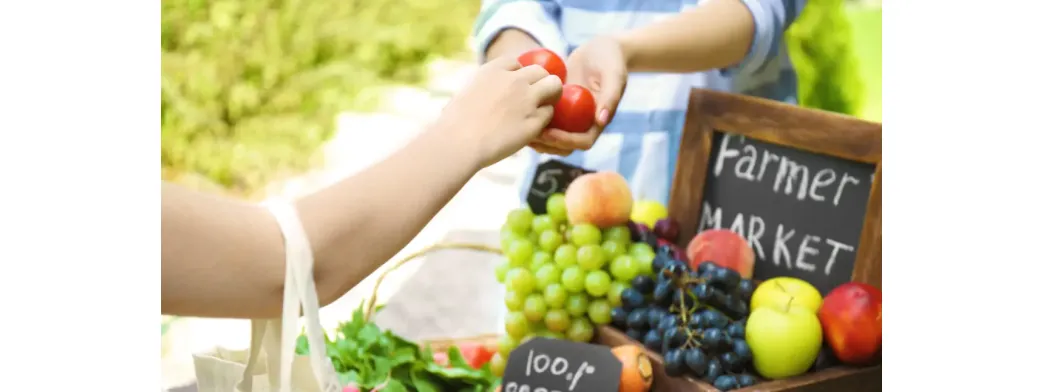
Local shopping at a farmers market with fresh tomatoes, grapes, apples, and greens being exchanged by hand.
05/21/2024
The Beginner’s Guide to Sustainable Shopping on a Budget

Many people want to embrace more ethical and green shopping habits, but worry that it's too expensive. If you’ve ever wondered how to shop sustainably without overspending, you’re not alone. The good news is that sustainable shopping doesn’t have to break the bank. With some savvy strategies, you can align your purchases with your values and still keep your finances in check. This beginner’s guide will arm you with sustainable shopping tips to help you save money on a budget while reducing your environmental footprint.
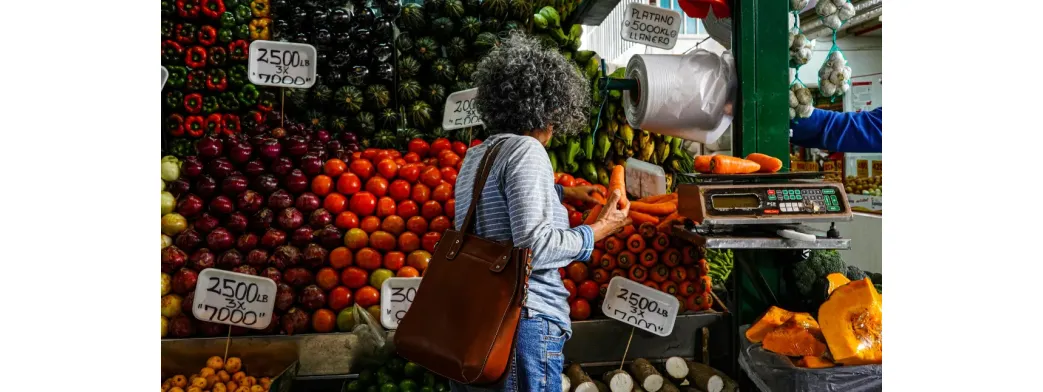
Why Sustainable Shopping Matters

It helps to understand why ethical shopping is worth the effort. Our daily purchases have a huge impact on the planet. The production of everyday goods, from food and clothing to gadgets and furniture, accounts for roughly 45% of global carbon emissions, driving climate change. This means that what we buy directly affects greenhouse gas emissions and environmental health. By choosing sustainable options, you help lower demand for products that are resource-intensive or polluting.


Sustainable shopping is also about supporting better practices. This can mean buying from companies with eco-friendly and ethical standards, or opting for products that are organic, Fair Trade, or cruelty-free. These choices encourage industries to reduce pollution, conserve resources, and treat workers fairly. Additionally, sustainable choices often overlap with healthier choices. For example, organic produce has fewer pesticides, and items with less packaging mean less exposure to plastics or harmful chemicals.


Sustainable shopping benefits your local community. When you spend money on locally made goods or at neighborhood businesses, more of that money stays in the community. Local shops and farms create jobs and reinvest in your area, whereas shopping at large chains or distant online retailers sends most of your dollar elsewhere. Choosing sustainable, local shopping options is a win-win: it’s better for the planet and for the people around you.

Plan Ahead and Shop Mindfully

One of the best ways to save money while shopping sustainably is to plan your purchases and practice mindful consumption. Low-waste shopping and budget-friendly shopping both start before you ever set foot in a store. By taking a little time to strategize, you can avoid impulse buys and focus on what you really need. Here are some simple steps to plan ahead and prioritize your needs:


  1. Take Inventory: Before shopping, check what you already have at home. Look in your pantry, fridge, and closet. Use up items you’ve forgotten about or get creative with recipes to use leftover ingredients. This prevents buying duplicates and reduces waste.
  2. Make a List: Whether you’re grocery shopping or buying household goods, write down exactly what you need. Having a list helps you avoid those tempting extras that can blow your budget. It also gives you time to research sustainable alternatives for specific items in advance.
  3. Set a Budget: Decide how much you can afford to spend on that shopping trip or month. Knowing your limit encourages you to prioritize essentials and look for deals. It’s okay to spend a bit more on a sustainably-made item if you’ve budgeted for it by skipping several cheaper, low-quality items.
  4. Research and Compare: If you have something in mind to buy, do a little homework. Read reviews to ensure the product is durable and well-made. Compare prices across retailers and look for discounts or coupon codes for eco-friendly brands. Sometimes buying directly from a brand’s website or from a local seller can be cheaper than buying from big-box stores.
  5. Think Long-Term: A key part of ethical shopping is to buy less, but choose better quality. Whenever possible, invest in items that will last a long time rather than cheap products that might break or wear out quickly. In the long run, a sturdy item that you don’t have to replace often will save money. For example, a well-made pair of shoes or a reliable reusable water bottle can serve you for years, unlike flimsier versions.


By planning and staying mindful, you’ll find that you naturally buy fewer unnecessary things. This not only saves you money but also cuts down on clutter and waste. Every item you don’t purchase is a win for your wallet and the environment. Mindful planning also gives you the chance to choose sustainable options for the items you do need, rather than grabbing whatever is most convenient at the last minute.

Shop Local and Seasonal

You’ve probably heard the phrase shop local. Focusing on local and seasonal purchases is one of the most effective ways to practice sustainable shopping on a budget. When you buy from local farmers, producers, and artisans, you support your community and often get high-quality products at lower cost. Local shopping also cuts down on transportation and packaging, which is better for the environment.


Community markets like farmers’ markets, co-ops, and farm stands are fantastic places to start. These community markets allow you to buy fruits, vegetables, and other farm produce directly from local farmers. Produce that’s in season is typically abundant and priced lower. For example, buying strawberries in the summer from a nearby farm will usually cost less than buying shipped-in strawberries in the winter. The same goes for vegetables like tomatoes or squash. When there’s a glut of them locally, you’ll get a bargain and enjoy peak freshness.


There’s a misconception that farmers’ markets are always expensive or only for gourmet shoppers. In reality, many staples at farmers’ markets cost the same or even less than at grocery chains, especially for organic items. Organic produce at a farmers’ market can be up to 40% cheaper than the same organic products in a supermarket. Cutting out the middleman means local growers can offer competitive prices and still earn a fair profit. You can stretch your dollar further by shopping toward the end of the market day, when some vendors discount remaining items rather than pack them up. Don’t be afraid to chat and build relationships with vendors. They might offer bulk deals or tips on how to store produce to make it last longer.


Aside from cost savings, local shopping has other advantages. You’re likely getting farm-fresh meat, eggs, and dairy that taste better and have fewer preservatives because they didn’t travel for days. Local produce is picked ripe, so it’s bursting with flavor and nutrition compared to out-of-season produce shipped from across the world. And every dollar you spend locally helps area farmers stay in business and preserves local agriculture. This keeps your food supply more secure and resilient. It also means fewer food miles. Those apples or greens aren’t being trucked 1,500 miles to get to you, which reduces fuel use and emissions.


Think beyond food. When you shop local, check out local craft fairs, artisan markets, or neighborhood shops for other needs. You might find local crafts such as handmade soaps, clothes, decor, or furniture that are made sustainably. These items often have a story and quality that mass-produced goods lack. And while supporting a local artisan, you’re likely getting a unique product without the hefty markup that big brands sometimes add. Keep an eye out for community swap events or neighborhood yard sales as well. Trading or buying used items from neighbors is both sustainable and extremely budget-friendly.

Use Online and Virtual Farmers Markets

What if you don’t have easy access to a physical farmers’ market or local shop? You can still support local businesses and buy sustainably through the power of the internet. In recent years, many communities have developed online produce market platforms, essentially a virtual farmers market experience that brings local goods to your screen. Using these services allows you to shop local from the convenience of home, often directly from farmers and producers in your region.


One example is LocalCart, a platform that acts as an online farmers' market for various areas. Through a single website or app, you can browse and purchase products from multiple local vendors. This might include seasonal produce, organic pantry staples, locally-raised meats, dairy, baked goods, and even handmade crafts. The process is similar to shopping on a grocery site: you fill your cart with items from different local sources, pay in one checkout, and then either have it delivered or picked up. Platforms like LocalCart make it easy to discover local food producers who take pride in small-batch, sustainable products.

Choose Organic and Ethical Products Wisely

To save money on organic foods, buy direct from local organic farms whenever you can. Local farms often have lower prices than big organic brands in supermarkets because they avoid cross-country shipping and retail markups. You can visit farm stands, join a local farm’s CSA program, or find organic farmers at the farmers' market. This way, you’re getting organic quality without paying for the fancy packaging or national brand marketing. Organic farms may also offer “pick-your-own” days for things like berries or apples, where you can get organic produce at bulk prices by doing the harvesting yourself.


For meat and animal products, consider sourcing from local organic meat farms or sustainable ranches. Yes, grass-fed or organic meat can be pricey per pound, but there are a few ways to keep costs down. One option is to buy directly in bulk. Some farms sell quarter, half, or whole animal shares, which you can split with family or friends. This often brings the price per pound down significantly compared to retail, and you end up with a variety of cuts. Another option is to choose cheaper cuts of high-quality meat; for instance, pasture-raised chicken drumsticks or thighs cost less than breasts and can be very flavorful. Organ meats and bone-in cuts are usually bargain buys and very nutritious. If you eat meat sparingly, you can afford better quality by treating it as a special ingredient rather than the center of every meal.

Thrift, Repair, and Buy Secondhand

One of the greenest ways to shop is not to buy new at all. Embracing the secondhand economy is a cornerstone of sustainable living. When you buy secondhand, you’re extending the life of products that might otherwise end up in landfills, and you’re not contributing to the demand for new production. This not only conserves resources and energy but also saves you a ton of money. From clothing and furniture to electronics and toys, you’d be amazed at what you can find gently used if you look.


The fashion industry is a prime example of where secondhand shopping can make a huge impact. Fast fashion has a hidden environmental cost. The fashion industry contributes roughly 10% of global carbon emissions, which is more than all international flights and shipping combined. It’s also a massive consumer of water and a polluter through textile waste and chemical use. By choosing to thrift or buy used clothing, you reduce the demand for new clothing production, thereby cutting down those impacts. Not to mention, you’ll save a lot of money. Used clothes often cost a fraction of new ones, and you can find high-quality or even brand-name items in thrift stores or online resale platforms.


Thrift stores and consignment shops are treasure troves. Make it a habit to check your local thrift store when you need something, whether it’s a new winter coat, a set of dishes, or decor for your home. It’s like a constantly changing sale where everything is discounted. Some days, you might score exactly what you need. You can also sell or donate your own unwanted items, which keeps the cycle going.


You don’t have to overhaul everything at once. Maybe start with one area, like groceries or clothing, and apply some of these sustainable shopping tips there. As you gain confidence and see the benefits, move on to other areas. Celebrate your frugal and eco-friendly wins. By reading this guide, you’ve taken the first step. Now, go ahead and try out these ideas. You’ll be proving day by day that shopping responsibly and how to shop sustainably doesn’t mean spending more, it just means spending with purpose.

Sources

  • Climate Action Wales – “Buy less and shop sustainably”, ClimateAction.gov.wales (2024)
  • The Daily Meal – “Here’s Why It Pays To Shop At A Farmer’s Market At The End Of The Day”, thedailymeal.com (2023)
  • U.S. EPA – “Containers and Packaging: Product-Specific Data”, epa.gov (2018 data)
  • Earth.org – “Fast Fashion and Emissions: What’s the Link?”, Earth.org (2024)
Read more
Best local foods chosen by a shopper at a colorful produce stand filled with fresh carrots, tomatoes, and plantains.
05/21/2024
How to Build a Pantry of Local Staples That Support Your Community

Building a sustainable pantry stocked with locally sourced staples is a rewarding way to eat well while uplifting your community. By filling your shelves with good local food, from grains and beans to honey and herbs, you can enjoy fresh, high-quality ingredients and know your grocery dollars are going back into local farms and businesses. This guide will explain how to build a pantry of local staples step by step, highlighting why it matters and how to get started. We’ll cover the benefits, essential items to include, and where to buy local staples to make your pantry both abundant and community-friendly.
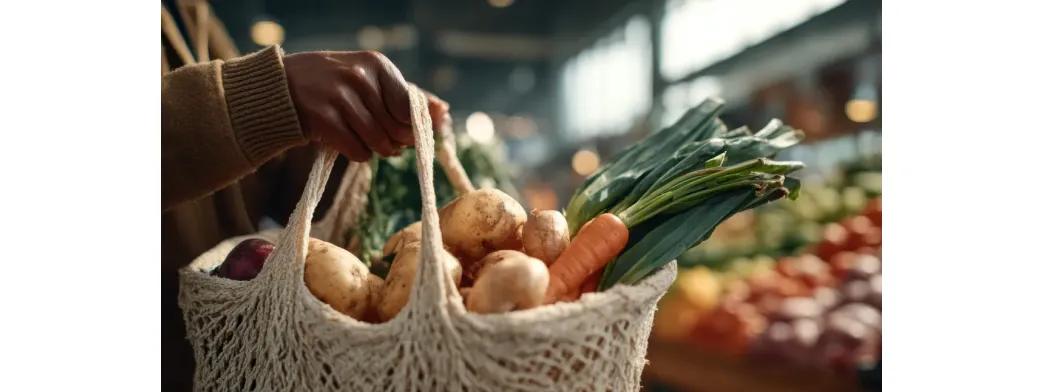
Strengthening Your Community with Local Staples

One of the biggest motivations for shifting to local pantry staples is the positive impact on your community’s economy and social fabric. Every dollar you spend on a local food product is an investment in your neighbors. These are the farmers, growers, and small business owners who produce that item. Instead of a large share of your grocery money going to distant corporations or middlemen, buying local keeps that money circulating in town. Research shows a strong multiplier effect: for every dollar spent locally, a significant portion is reinvested right back into the community’s economy. This means your grocery shopping can directly help create local jobs and sustain local businesses. When you purchase flour from a regional mill or spices from a local market, you help that enterprise stay afloat and possibly grow, which can lead to more employment opportunities in your area.


Local purchasing doesn’t just boost numbers in an economic sense; it also strengthens community relationships. Visiting farmers’ markets and local shops connects you to the people behind your food. You might chat with the farmer who grew your beans or the baker who made your bread, building a personal bond that simply doesn’t exist when buying factory-packaged goods. These connections foster trust and a sense of camaraderie. You learn more about how your food is produced and gain appreciation for the work involved. Over time, a network forms, with neighbors supporting neighbors. You’re more likely to feel invested in your community when you know the faces that feed you. This can inspire further local involvement, from volunteering at community gardens to advocating for local food initiatives.


Another benefit is resilience. By supporting local food producers, you help maintain a diverse and robust local food system. This makes the community less reliant on distant supply chains that global events can disrupt. We saw examples during recent crises where long supply chains faltered, but communities with strong local food networks fared better in accessing fresh food. Your commitment to buying local staples contributes to a more self-sufficient regional economy. It encourages local entrepreneurship as well. When people see demand for local products, more folks are motivated to start food businesses or farms, knowing their community values their offerings.

 Good local food displayed in baskets filled with tomatoes, peppers, and other vibrant vegetables at a market stall.

There’s a cultural dimension. Local foods often reflect the heritage and traditions of your area. By stocking region-specific staples, you help keep those food traditions alive. You might introduce friends or family to a locally made jam or sauce with a story behind it, deepening cultural ties. In this way, your pantry becomes not just a storage space but a celebration of local identity. From an economic, social, and artistic perspective, focusing on local staples is a powerful way to support local food producers and enrich your community.

Environmental Benefits of Local Sourcing

Choosing local pantry staples is also beneficial for the planet. When your food travels a shorter distance from farm to pantry, it requires far less transportation fuel and refrigeration time. Consider a simple jar of tomato sauce. If the tomatoes, garlic, and herbs are grown nearby and sold to you directly or through a local market, that jar’s ingredients might have traveled tens of miles instead of thousands. This reduction in “food miles” translates to a smaller carbon footprint. Sourcing food locally drastically cuts down on the greenhouse gas emissions associated with long-distance trucking, shipping, and flying of food.


Another eco-benefit of a sustainable pantry filled with local goods is the reduction of packaging and waste. Small local producers often use minimal and eco-friendly packaging compared to large manufacturers, who might use layers of plastic. When you buy vegetables at the farmers’ market, they likely come without the styrofoam trays and plastic film that supermarket produce often has. You can bring your own reusable bags and containers, engaging in green shopping habits that eliminate single-use waste. Local shopping means you’re more likely to buy just what you need, rather than being forced into supersized packages. This can reduce food waste at home by getting you fresher items in quantities you’ll use. The entire cycle from producer to pantry tends to be leaner and greener.


Local farming itself is often better for the environment. Many small, local farms practice sustainable agriculture because they are stewards of their land and sell directly to their community. By buying from these farms, you encourage those sustainable practices. You’re effectively voting with your wallet for farming that preserves biodiversity and avoids heavy pesticide or fertilizer use. Moreover, supporting local farms helps prevent land from being converted to other uses. If farmers can earn a living by selling staples to local consumers, they’re less likely to sell farmland to developers. In this way, your patronage helps conserve green space and farmland in your area.


A local-food-powered pantry contributes to local sourcing resilience in the face of environmental challenges. As climate change and other disruptions affect large industrial supply chains, having a robust local food network provides a buffer. Communities that can feed themselves with local staples will be more adaptable to environmental changes. And many local farmers grow a variety of crops, which is better for the ecosystem and pollinators. By supporting them, you promote this diversity.

Fresher Taste and Better Nutrition from Local Food

Another fantastic reason to build your pantry around local staples is the superior freshness, flavor, and nutritional value of foods produced nearby. Local ingredients often reach your kitchen much sooner after harvest or production than typical store-bought goods, and that freshness makes a noticeable difference. When your pantry is filled with staple pantry items like locally grown dried beans, grains, or canned tomatoes that were processed at peak freshness, your recipes will shine with richer flavors. Many chefs and home cooks find that the best local foods can turn a simple meal into something truly special, purely because the ingredients taste better.


Cooking with fresh, locally sourced staples can rekindle your love of cooking and eating. The vibrancy of locally grown herbs or the deep flavor of locally roasted spices can inspire you to try new recipes or cuisines. You might find that meals taste more alive when they’re made from ingredients that were in the ground or oven just a few days ago. This enjoyment can encourage you to cook at home more often, which is usually healthier and more economical than eating out or buying pre-packaged meals. It’s a virtuous circle: support local food producers, get delicious and nutritious ingredients in return, and feel more satisfied with the food you make.

Essential Pantry Staples to Source Locally

When transitioning to a community-supported pantry, start by focusing on the basic pantry essentials that you use most frequently. By identifying these key items, you can then seek out local sources for each. It often helps to write out a pantry staples list of everything you consider essential in your kitchen. Below, we’ll go through some major categories of pantry staples and how to find local versions of each:


  • Grains and Flours: Items like flour, cornmeal, rice, oats, and other grains are fundamental pantry essentials in most kitchens. Check if there’s a local mill or farm cooperative that sells whole grains or freshly milled flour. Many regions have seen a resurgence of local grain-growing and milling. For example, you might find locally grown wheat or heritage corn at a farmers’ market, which can be milled into flour or meal. Using local baking staples like flour not only supports those mills but often gives you a more flavorful product. Other grain products, such as pasta, bread, or baking mixes, might also be available from local bakeries or producers. These can be stored for short-term use or frozen for longer storage.
  • Legumes: Dried beans and lentils are classic staple pantry items thanks to their nutrition and long shelf life. Many small farms grow beans or heirloom varieties of legumes that you won’t find in a supermarket. Buying a bag of locally grown black beans or chickpeas not only gives you a fresher product but also supports local agriculture. Keep jars of these local legumes in your pantry for soups, stews, chilis, and more. They are inexpensive sources of protein and can often be bought in bulk with minimal packaging.
  • Herbs, Spices, and Seasonings: While not every spice can be locally sourced, you might be surprised at what seasoning products could be local. Farmers in many areas grow herbs like basil, oregano, thyme, and rosemary. These can be bought fresh and dried at home, or sometimes purchased as dried herbs from local vendors. Blended seasonings and spice mixes are also commonly made by local artisans. For example, a local vendor might create custom dry rubs, curry powders, or herb blends using whatever ingredients they can get regionally. Pantry essentials in this category include things like garlic powder, chili flakes, or dried herb mixes, which you can often find from farmers’ market stalls or local spice shops. Even salt can be local if you live near a sea salt harvesting operation or an artisanal salt maker. If not, you can still buy specialty salts from small businesses rather than big brands to support artisans.
  • Oils and Fats: Cooking oil is a must-have in any pantry. Depending on where you live, you might source certain oils locally. Some regions produce olive oil, while others may produce sunflower, walnut, or pumpkin seed oil. The flavor of artisan oils or butter from grass-fed cows can be noticeably superior. Store oils in a cool, dark pantry spot to prolong their shelf life.
  • Sweeteners and Baking Ingredients: Don’t overlook sweet pantry staples when going local. Honey is a top contender. Local honey is available in most areas, and it’s an ideal replacement for processed sugar in many recipes. It has the bonus of potentially helping with seasonal allergies, and it requires far less processing than white sugar. Other natural sweeteners, like maple syrup, might be local to your region. Even cane sugar might be regional if you’re in a cane-growing state. Check if any smaller farms or refineries near you sell sugar. Beyond sweeteners, consider baking staples like baking powder, baking soda, and yeast. These are typically manufactured, not farmed, so you can’t get “local baking soda,” but you can still purchase from small independent brands if available.
  • Canned & Preserved Goods: A truly robust pantry contains some canned or jarred foods, and these, too, can be sourced locally or preserved at home using local produce. Look for locally made jams, jellies, pickles, salsas, and sauces. These products are often sold by small businesses at farm stands or shops. These are fantastic basic pantry staples to have on hand for quick meals. If you can’t find a particular item pre-made, you can also buy the raw local produce in season and preserve it yourself.
  • Specialty Items and Other Staples: Consider other items you use regularly: tea or coffee, snack foods, vinegar, and condiments. Each region will have its specialties. Don’t hesitate to expand your definition of “pantry staple” based on what your region offers. Part of the fun is discovering unique local foods that can become household favorites.


By focusing on these categories, you’ll gradually fill your pantry with locally sourced equivalents of all the pantry essentials you need. This might not happen overnight, and that’s okay. You can start by swapping in one local item at a time. 

Local products arranged in wicker baskets including garlic, apples, and root vegetables at a farmers market.

Where to Find Local Pantry Staples

You might be asking where to buy local staples for your pantry. There are more places than ever to find locally produced foods, thanks to the growing interest in farm-to-table living. Here are some of the top sources and tips for sourcing your pantry essentials close to home:


  • Farmers’ Markets: These are a go-to resource for anything local. Farmers’ markets typically happen weekly and gather many producers in one place. You can stroll through and pick up vegetables, fruits, eggs, meats, dairy, baked goods, and more. For pantry stocking, look for vendors selling items like dried beans, flours, honey, oils, or canned goods in addition to fresh produce. Don’t hesitate to ask farmers if they offer bulk purchases for staples. Some might be willing to sell you a 10-pound bag of potatoes or a case of tomatoes for canning. Farmers’ markets have proliferated in recent years, making local shopping easier. For example, in the U.S., the number of farmers’ markets jumped from under 2,000 in the mid-1990s to over 8,700 by 2019. This means you’re likely to have a market within reach, and many cities even have multiple markets for different neighborhoods or days of the week. Visiting the market regularly will clue you in on what’s in season and which vendors carry which staples.
  • On-Farm Stands and U-Pick Farms: Many farms have their own retail stands right on the farm property or at least a self-serve kiosk. These farm stands are wonderful for getting ultra-fresh items and often good deals on bulk produce. Keep an eye out for signs advertising seasonal farm sales or check community social media pages for announcements from local farms.
  • Food Co-ops and Local Groceries: Food cooperatives (co-ops) and independent local grocery stores often prioritize stocking regional products. If you have a food co-op in your area, consider becoming a member. Co-ops typically carry bulk bins of grains, nuts, and spices, and they highlight local dairy, bread, and other goods. Even if a co-op is a bit of a drive, a monthly stock-up trip for pantry items can be worth it. Small local grocers or health food stores can also be treasure troves of local staples.
  • Community Supported Agriculture (CSA) and Buying Clubs: Joining a CSA is like getting a subscription to a farm’s produce. Typically, you pay at the start of a season and then receive a weekly box of whatever is ripe. While CSA boxes are usually produce-focused, some farms include or offer add-ons like grains, eggs, dairy, or even pantry goods. CSA memberships guarantee you a share of the harvest, which can be a great way to ensure you have a steady flow of seasonal ingredients to cook with or preserve.
  • Direct from Farms (Online or Farm Stores): In the digital age, some local farms and producers take orders online for pickup or delivery. You might find a local grain farm that sells products through their website or a local apiary where you can order honey in bulk online and then pick it up. There are also growing numbers of multi-farm online marketplaces, sort of like virtual farmers’ markets, that aggregate products from many local sources. These platforms allow you to shop from home but still buy local. You place an order for various items and then either get a delivery or pick up a box containing all your chosen local goods. LocalCart is one example of a service that partners with farms and artisans in some areas, allowing you to browse local pantry staples and have them delivered to your door. Embracing such platforms can be especially useful if you have limited time to visit physical markets or want year-round access to local products. Just be sure to plan your pantry needs and perhaps buy in larger quantities to reduce packaging and trips.


Be patient and flexible. Part of embracing local pantry shopping is accepting what’s available versus expecting every possible item. You might not find a local version of every single thing you use, and that’s okay. Get the ones you can, and for those you can’t, perhaps choose the next best thing. The goal isn’t to be 100% local in your pantry if that’s impractical. It’s to make meaningful shifts toward local sourcing. Every jar of local jam or bag of local flour is a win for your community.

Tips for Maintaining a Sustainable Local Pantry

Once you’ve begun stocking local staples, a few habits can help you maintain your sustainable pantry in the long term. First, always practice rotation and check your stock. Just as with any pantry, you want to use the oldest items first so nothing expires or goes to waste. This is especially important if you’ve bought items in bulk or preserved food yourself. Label jars or containers with the purchase or canning date. Keeping an inventory list can be helpful, so you don’t accidentally buy a third bag of local rice when you already have two tucked away. Using what you have efficiently ensures your efforts don’t go to waste.


When friends see your pantry full of local goodies, they’ll be curious. This is an opportunity to encourage others to try green shopping and local sourcing. You could invite friends for a dinner cooked entirely with local ingredients from your pantry, showing how delicious and feasible it is. Or bring a locally sourced dish to a potluck and talk about where the ingredients came from. By spreading the word, you help strengthen the local food economy even further. The more people who demand local staples, the more local producers will thrive and expand their offerings.

 Staple pantry items available at an open-air produce market where shoppers browse fresh vegetables and herbs.

Transforming your pantry into a trove of local staples is a journey worth taking. It may require a bit more thought and effort than running to the nearest big-box store, but the rewards are manifold. You end up with basic pantry staples that are fresher and often more flavorful than their mass-produced counterparts. You gain the satisfaction of self-reliance and knowledge. Knowing exactly where your food comes from and that it was produced in ways you support. Perhaps most importantly, you become an active participant in nurturing your local economy and environment. The simple act of choosing a locally milled grain or a locally canned sauce means you’re helping a neighbor make a living and keeping food traditions alive.

Sources

  • Small Business Trends – “Fun Facts for National Farmers’ Market Week” smallbiztrends.com
  • New Leaf Foods – “Supporting Local Food and Farmers’ Markets” newleaffoods.org
  • Caitlin John – “Farm-to-Table: The Benefits and Joys of Using Locally Sourced Ingredients” caitlinjohn.com
  • USDA Economic Research Service – “Growth in the number of U.S. farmers markets slows in recent years” ers.usda.gov
Read more
Locally sourced products carried in a reusable mesh bag filled with fresh potatoes, carrots, and green onions.
05/21/2024
From Kitchen to Cart: The Journey Behind Locally Sourced Products

When you pick up fresh tomatoes or artisanal cheese at the market, do you ever wonder about their journey? In recent years, there’s been a growing movement to shorten that journey by focusing on locally sourced products. This farm-to-table approach is changing how we think about our food supply, emphasizing fresher ingredients and stronger community connections. It’s more than just a trendy label. It reflects a shift in consumer values. About two-thirds of consumers now say they feel strongly about buying local produce, especially younger generations who are leading this trend. Interest in local food is surging, raising questions about how these goods go from the farm to our shopping cart.

What Does “Local” Really Mean?

Unlike certified terms such as “organic,” local doesn’t have a single strict definition. When it comes to locally sourced products, the meaning generally boils down to geography, such as how far the food travels from where it’s produced to where it’s consumed. This flexible definition means “local” can vary by region. A rural area might consider the entire state as local, while a densely populated city might define local as within the surrounding counties. What matters is minimizing the distance between production and consumption. By shortening the journey from field to fork, local food networks aim to maintain freshness and reduce the resources spent on transportation. A local food supply is one where food is grown, raised, or made in the vicinity of the community that will eat it, creating a more direct link between farmers and consumers.


It’s also worth distinguishing local from other concepts. “Local” doesn’t automatically mean organic or artisanal, though there is often overlap. Many small local farms do use organic methods, appealing to shoppers who want to buy organic vegetables, along with supporting local businesses. However, a product could be locally made but still use conventional farming practices.

From Farm to Table: A Movement Takes Root

Farm-to-table is about cutting out the middlemen and bringing food straight from the producer to the consumer. Restaurants have championed this approach by partnering with nearby farms for their ingredients. The result is menus that change with the seasons and meals that reflect local agriculture. When a restaurant practices local ingredient sourcing in this way, diners get vegetables picked at their peak and meats raised on nearby farms, often resulting in more flavorful dishes and a connection to the community’s food culture.

 Local food supply displayed in wooden crates filled with colorful vegetables at a bustling farmers market.

Historically, farm-to-table ideals arose as a reaction against the rise of heavily processed, mass-distributed foods. In the 1960s and 1970s, as convenience foods and large agribusiness grew, some chefs and consumers began seeking alternatives. One famous example is Alice Waters, who opened Chez Panisse in 1971 in Berkeley, California. This is a restaurant dedicated to sourcing fresh, seasonal ingredients from local farms. Pioneers like Waters helped spark a broader interest in where food comes from and how it’s produced. What started as a niche idea is now widely popular. Farmer-chef collaborations, farm-to-table restaurants, and even farm-to-school programs have proliferated across the country.


The principles behind farm-to-table go beyond just proximity. They also emphasize sustainability, quality, and supporting the local economy. By shortening the supply chain, farm-to-table practices reduce the need for long-distance trucking and cold storage, which in turn can lower the carbon footprint of our meals. Food that travels fewer miles uses less fuel and generates fewer emissions. Additionally, direct sourcing builds relationships. Chefs often know the farmers by name and might even request specific crop varieties. This collaboration leads to a deeper respect for ingredients. For consumers, it means a more transparent dining experience: you can often learn exactly which farm produced each item on your plate.

Local Farms and Producers: Quality at the Source

Behind every locally sourced item is a farmer, rancher, or artisan producer who pours care into their product. Local farms tend to be smaller-scale than the giant industrial farms that supply national grocery chains. Because of this, they often grow a wider variety of crops and may use more sustainable or organic practices. For example, a small family farm might grow a dozen types of tomatoes with no chemical pesticides, focusing on flavor and nutrition. Similarly, locally sourced meat often comes from local ranches where animals are raised in lower-stress environments. These practices can translate into higher-quality products: produce picked ripe the day of a market, or meat raised and processed humanely nearby, reaching the consumer without long freezes or cross-country shipping.


Local producers also experiment and innovate. Think of artisan cheese-makers crafting unique cheeses from the milk of their own herd, or beekeepers creating honey that carries the distinctive floral notes of the local area. Many such products start out literally in a home or farm kitchen. A family recipe for jam might turn into jars sold at the town farmers’ market. A home baker’s bread might become a hit at the local cafe. This journey from kitchen to commerce is part of what makes local food scenes so vibrant.

Why Do People Buy Local?

Given the potential benefits in freshness and community support, it’s no surprise that many shoppers are eager to seek out local foods. But what exactly motivates a person to pick the farmers’ market over the supermarket? Surveys have shed light on the top reasons people cite for choosing local. Consumers who buy produce from local farmers most often mentioned three things: fresher taste, supporting the local economy, and knowing where the food comes from. Freshness is perhaps the most obvious draw. Local fruits and vegetables can be harvested ripe and sold immediately, so they often taste better and retain more nutrients. A tomato that ripened in the sun yesterday on a nearby farm will likely beat one picked unripe and shipped for a week in cold storage.


Supporting the local economy is another powerful incentive. People feel good about their food dollars going to nearby farmers and food artisans instead of distant corporations. Buying local means your money circulates in your community. It helps a family farm stay in business or creates local jobs at a small dairy or bakery. This fosters a sense of contributing to your town or region. There’s also a resiliency aspect: a community with a strong local food network is less dependent on far-flung supply chains, which can be important in times of crisis.


The third key motivation is transparency and trust. It is the desire to know the origin of ingredients in your food. Many consumers are concerned about issues like pesticides, GMOs, or foodborne illness. When they buy local, they often have direct knowledge of how the food was produced. For example, you can talk to a farmer about whether they spray their apples or what they feed their livestock. Even without a personal conversation, local products usually come with more identifiable provenance. This traceability gives peace of mind. People value that they can see and understand the path their food took to reach them. In an era of globalized and sometimes opaque food systems, local food offers a reassuring level of clarity.

Benefits of Local Food Systems

The popularity of local sourcing isn’t just because of personal preferences. There are tangible benefits to communities and the environment as well. One major advantage is economic. Choosing local keeps more money circulating close to home. In urban areas, urban farms and community gardens not only produce food but also beautify neighborhoods and engage residents.

 Buying local produce illustrated by a customer selecting tomatoes at a small outdoor market stand labeled “100% organic.”

Environmental sustainability is another significant benefit. Local food traceability systems often have a smaller carbon footprint compared to the industrial food chain. The shorter distance food travels means much less fuel is burned in transportation. Fewer local food distribution chains rely on long-haul trucks or air freight. Furthermore, local farms are typically smaller and may use farming practices that prioritize the health of the land, such as crop rotation, organic methods, or reduced chemical use. They often grow a diversity of crops, which is good for soil health and biodiversity. And because products are sold quickly, there’s less need for heavy processing or packaging to extend shelf life. All of this can add up to a gentler impact on the environment.

Challenges in the Local Supply Chain

While the case for local food is strong on many fronts, it’s important to acknowledge that it’s not a perfect or easy system. There are practical challenges and limitations to relying on local sourcing. Understanding these challenges can help consumers and producers work together to overcome them or set realistic expectations. Some of the main hurdles include:


  • Seasonal availability: Local food is inherently tied to the seasons. You’ll get an abundance of certain crops at harvest time and none in the off-season. For example, a region might have sweet corn only in late summer or oranges only in winter. This means if you eat strictly local, your diet must change throughout the year. Consumers accustomed to getting any produce year-round might find it an adjustment to live without, say, fresh tomatoes in January. Seasonality requires eaters to be flexible and creative with what’s available at any given time. Preservation techniques like canning, freezing, or pickling can extend the enjoyment of local produce beyond its season but require extra effort.
  • Volume and consistency: Small local farms may not produce the huge quantities that large distributors provide, and their supply can be less predictable. A big supermarket chain can count on a steady delivery of thousands of pounds of potatoes from industrial farms, but a local farmer might have a great crop one year and a poor one the next. Restaurants and grocers that source locally often have to juggle multiple suppliers to get the quantities they need.
  • Cost and price: Locally produced food can sometimes cost more than mass-produced alternatives. Small farms don’t benefit from the economies of scale that large farms do, so their cost per unit may be higher. Labor is often a significant expense. Many local farms pay workers a fair wage, whereas industrial operations might rely on low-wage seasonal labor or automation. Additionally, organic or sustainable methods can be more labor-intensive and yield lower volumes. All this can translate to a higher price tag at the point of sale. Consumers have to be willing to pay a bit extra for the local, ethical choice. Many are, but price remains a factor, especially when household budgets are tight.
  • Infrastructure and convenience: The mainstream food system has a very well-oiled infrastructure for processing, packaging, and distributing food. Local producers often lack access to similar facilities. Regulations can also be a hurdle. Small producers have to navigate health and safety rules, which are essential but sometimes complex and geared towards larger operations. For consumers, convenience is a consideration: shopping from local producers might mean visiting multiple specialty shops or markets, which takes more time than a one-stop supermarket trip. Until local foods are as readily accessible as other foods, their adoption by the wider public can be limited.


Despite these challenges, many involved in the local food movement are finding creative solutions. Season extension techniques are improving availability. Cooperative distribution models and local food hubs help aggregate products to achieve consistency and volume. Pricing can be addressed by educating consumers on the value and by farms finding efficiencies or diverse revenue streams. None of these challenges is insurmountable, but they remind us that rebuilding a local-oriented food system requires investment, planning, and sometimes a change in mindset for consumers used to the global supermarket model.

From Kitchen to Market: Getting Local Goods to Consumers

One of the remarkable aspects of the local food scene is how products can go from a humble kitchen or farm workshop into the wider marketplace. The journey from kitchen to market often starts with a simple idea or surplus. So how do these locally made products reach consumers nowadays? There are several routes, and as interest in local food has grown, the options have expanded. Here are some of the most popular ways to connect with local producers and bring their goods to your pantry:


  • Farmers’ Markets: The classic direct-to-consumer venue. At weekly farmers’ markets, you can buy bulk vegetables face-to-face. These markets often have not just fruits and vegetables, but also local meats, eggs, dairy, baked goods, and more. It’s a chance to talk with producers, ask questions, and even get cooking tips. The atmosphere is usually lively and community-oriented, making shopping an enjoyable experience.
  • Community Supported Agriculture (CSA): CSAs are subscription programs where consumers buy vegetables from local farmers by the season. You pay upfront for a “share” of the harvest, and in return, you receive a box of assorted farm-fresh items every week or two. CSA boxes typically contain whatever is ripe at that time. This model gives farmers a reliable income and gives consumers ultra-fresh produce plus a fun element of surprise with each box.
  • On-Farm Stands and U-Pick: Many farms operate their own farm stands or stores right on their property, where locals can drop by to purchase items. Visiting local farms to buy produce straight from the source can be a delightful outing. You see the fields where your food is grown and often get produce that was harvested that very morning. Some farms also offer “U-pick,” where you can pick your own fruits or even vegetables. This not only ensures freshness but is also a great educational experience for families to learn about farming.
  • Online Local Marketplaces: Technology has entered the local food arena, making it easier to find and order local goods. Dedicated e-commerce platforms, such as LocalCart, allow people to browse products from multiple nearby producers and purchase them through a single website or app. This means you can buy local farm produce with the convenience of online shopping, often with options for delivery or centralized pickup. For example, you might fill a virtual cart with bread from a local bakery, cheese from a regional creamery, and vegetables from several farms, all through one site. This has been especially useful for expanding access to local foods beyond the one-day-a-week farmers’ market model and reaching customers who may not have the time to shop in person.
  • Local Grocery Co-ops and Independent Stores: Aside from big supermarkets, many towns have food co-operatives or independent grocers that prioritize local sourcing. These stores often label the origin of products, so you’ll see tags like “local” or the name of the farm next to items on the shelf. By shopping at such stores, you indirectly support local producers because the store has done the sourcing for you.


The common thread in all these channels is that they strive to retain the integrity and story of the local product. By diversifying outlets, local producers can reach different customer segments and ensure less food goes to waste.

 Bulk vegetables arranged in neat rows of citrus fruits and tomatoes at an open-air produce stall.

The journey behind locally sourced products is about re-establishing a relationship that industrialization had distanced: the relationship between eater and grower. It’s knowing that your dinner’s ingredients have stories and origins you can trace, often within your own community. You’re helping to carry food on the last leg of its trip from a local kitchen, farm, or workshop to your cart, and finally to your home. And with every bite, you taste not just better flavor but the care and sustainability that went into producing it. That is the valid reward of the kitchen-to-cart journey. Food that nourishes our bodies while also feeding the well-being of our local land and community.

Sources

  • extension.usu.edu Utah State University Extension – The Local Food Movement: Definitions, Benefits & Resources (defining why Americans buy local, 2009 study).
  • agritecture.com Agritecture blog – Understanding the Farm-to-Table Movement (Feb 15, 2024), noting the environmental benefits of local sourcing.
Read more
Artisanal food movement shown by a person pouring homemade cider beside freshly baked rosemary bread in a rustic kitchen.
05/21/2024
The Rise of Small-Batch Foods in a Mass-Produced World

Something interesting is happening in a mass-produced world. Consumers are gravitating towards locally made foods and other handmade food products that offer a personal touch and authentic flavor. This artisanal food movement has emerged as a reaction against anonymous factory fare, giving rise to what many call the craft food trend. Instead of relying solely on big brands and industrialized meals, people are seeking out small-scale, high-quality alternatives made with care. For the makers of these products, "small-batch" isn’t just a marketing buzzword. It describes producing food in limited quantities with great attention to detail. Unlike huge assembly lines churning out identical items, small-batch foods are often made by skilled artisans using traditional methods. The result is often unique items with flavors and quality you won’t find on supermarket shelves. Consumers in the United States are increasingly embracing this shift, viewing small-batch foods as a way to get more than just nourishment from what they eat.
What Is Small-Batch Food Production?

To understand how small-batch foods are made, consider the difference in scale between a home kitchen and a factory. Small-batch food production simply means preparing food in limited quantities, often with hands-on techniques, to preserve quality and authenticity. When a recipe is mass-produced at an industrial scale, the end result can suffer. Scaling a home recipe up by 100 times in a factory setting usually doesn't yield the same flavor. At a certain volume, the math and chemistry of cooking stop working the same way. Small-batch food producers recognize this, so they deliberately keep batch sizes small to maintain control over each step.


A small-batch producer might cook only a few dozen jars of jam at a time or roast coffee beans in micro-lots, rather than tens of thousands of units in one go. These producers often use traditional, handmade techniques. The process is usually more labor-intensive, but it allows for greater oversight and care. Instead of a fully automated assembly line, you have people closely monitoring quality, tasting, tweaking, and ensuring that every batch meets their standards.


Manufacturers forego the usual cost-cutting shortcuts of large-scale food manufacturing. In industrial production, companies might add extra chemical preservatives or alter recipes to make food last longer on shelves or run smoothly through machinery. Small-batch producers tend to avoid those compromises. They focus on high-quality ingredients and natural processes, even if it means yielding a smaller amount of product. The guiding philosophy is that it’s better to make a limited number of excellent products than a huge volume of mediocre ones.

Handmade food products including sautéed greens, bread, and vegetables displayed in foil trays for ready meals.

The Artisanal Food Movement and the Craft Food Trend

The rise of small-batch foods is part of a larger shift in consumer culture. Over the past decade or so, a broad artisanal or craft movement has taken hold in the food industry. What started as niche enthusiasm by foodies has grown into a mainstream trend. Many people have grown tired of one-size-fits-all, mass-produced food. They’re craving something more personal and flavorful. In the United States, this is reflected in real numbers: nationally, artisan food sales jumped about 19% between 2009 and 2011, and nearly half of U.S. adults say they like to eat food with artisan appeal. Consumers are showing with their wallets that they value the difference.


A variety of factors are driving this craft food trend. One is the search for better taste and quality, as factory-made snacks and meals can be bland or full of fillers, whereas small-batch goods often use premium ingredients that deliver superior flavor. Another factor is health and trust. After years of food safety scares and the rise of ultra-processed diets, many people feel more comfortable buying from small producers who are transparent about their ingredients and methods. There’s also an element of nostalgia and authenticity at play. The artisanal food movement is, in a way, about getting back to our roots. Knowing who made your food and how they made it, much like communities did before the era of mega supermarkets.

Quality Over Quantity: Benefits of Small-Batch Food Production

When it comes to food, a smaller scale can mean bigger benefits for the consumer. Here are some of the key benefits of small-batch food production often cited:


  • Freshness and nutrition: Small batches are typically made closer to the time of sale. That means the food hasn’t been sitting in a warehouse or on a supermarket shelf for months. For consumers, this often translates into fresher products with higher nutritional value and no need for heavy preservatives.
  • Variety and creativity: Big manufacturers usually play it safe, but small-batch producers can experiment and offer unique flavors. They might use heirloom produce, seasonal ingredients, or bold flavor combinations that you won’t find in the big brands. This creativity means more interesting choices for consumers. It keeps the food scene innovative and fun.
  • Natural ingredients and fewer additives: Many small producers avoid the artificial additives, fillers, and processing aids that are common in mass production. The result is more natural small-batch products with short, recognizable ingredient lists. If you read the label on a jar of small-batch pasta sauce, you’re more likely to see just tomatoes, basil, garlic, etc., instead of a long list of chemicals. For health-conscious consumers, this is a significant benefit.
  • Community and sustainability: Small-batch foods often have a local or regional character. Buying these products means you’re supporting local farmers, bakers, and family businesses, which keeps money in the community. Environmentally, small-scale production can be gentler on the planet. Think organic farming practices, lower transportation emissions when you buy nearby, and less packaging waste in some cases. Many artisans prioritize sustainable practices as part of their values. In sum, choosing small-batch supports a food ecosystem that values people and planet, not just profit.


It’s a very different experience from buying a mass-market item where the origin is completely opaque. These benefits help explain why small-batch food has gained such a loyal following of customers who swear by the quality and don’t mind paying a little extra for it.

Local Producers and Farmers Markets: Community at the Core

Local farmers' markets and roadside stands have become central to the small-batch food movement. They are the places where local producers and consumers come together face-to-face, bridging the gap between farm and table. Part of the appeal of small-batch foods is this personal connection. Shoppers enjoy meeting the person who grew their vegetables or baked their bread, rather than buying an anonymous product off a grocery shelf.


Farmers' markets across the U.S. have exploded in number over the past decade. These markets provide a direct line to locally made foods, allowing consumers to buy straight from the source. The food is often ultra-fresh, and the variety can be delightful. A stroll through a weekend market might lead you to pastured eggs, small-batch goat cheeses, artisanal sourdough loaves, handmade pickles, and heirloom organic vegetables you won’t see in a supermarket. The market becomes not just a shopping trip, but an experience. You can chat with a beekeeper about how this year’s honey crop is different from last year’s, or sample a new flavor of jam while hearing the recipe’s backstory.


These community markets are invaluable for producers. Farmers' markets are effectively incubators for food entrepreneurs. An affordable, low-barrier way to test products and build a following. A person can start with a single stall selling, say, family-recipe salsa or artisan cookies, and if customers love it, that venture can gradually grow. Many boutique food companies today got their start at a local market or fair. There’s a sense of camaraderie among small-batch producers who share the same space; rather than cutthroat competition, there’s mutual support rooted in a shared passion for good food.


Beyond the personal connections, buying from local producers has tangible community benefits. More of the money spent stays local, supporting small farms and businesses in the area. It helps preserve regional food traditions and even local varieties of produce and livestock. The farmers' market culture encourages sustainable practices, too. Many vendors emphasize organic or regenerative farming, humane animal care, and seasonal eating. And because the food travels a short distance to get to customers, the carbon footprint is lower than that of foods shipped thousands of miles. In these ways, local markets and producers form the backbone of a resilient, community-centered food system.

Gourmet Appeal: Small-Batch Foods as Gifts and Treats

Small-batch foods aren’t just everyday groceries. They’ve also taken off as high-end treats and gifts. Think of the last time you received a food gift that felt truly special. Chances are, those were small-batch products. People love giving and receiving gourmet food gifts because they carry an air of exclusivity and thoughtfulness. An entire segment of the food industry now caters to this desire for distinctive, gourmet goodies. A number of gourmet snack brands have emerged that focus solely on small-batch production. They make upscale versions of snacks and treats. These companies position their premium small-batch snacks as worthy indulgences. The idea is that if you’re going to treat yourself, you might as well have the best: a snack crafted in limited quantity with top-notch ingredients, rather than a mass-produced candy bar or chips.

From the Market to Your Door: Buying Small-Batch Foods

Visiting a farmers' market is one of the best ways to find small-batch goodies, but it’s not the only way. In today’s connected age, you can just as easily order craft foods while sitting on your couch. The rise of e-commerce has made it easier than ever to discover and purchase artisanal foods from all over the country. This is great news for both consumers and producers: consumers get access to a wider variety of specialty products, and small producers can reach customers far beyond their local area.

 Locally made foods showcased by an assortment of wood-fired pizzas topped with fresh ingredients.

Many cities have specialty grocery stores, co-ops, or gourmet markets that carry selections of artisanal products. These brick-and-mortar options are fantastic if you have them. But what if you don’t live near such stores, or you’re searching for a particular item from another region? That’s where the internet steps in. Now there are numerous websites and marketplaces dedicated to small-batch and craft food producers, effectively creating a virtual farmers' market.


For example, LocalCart is one platform that connects customers with a wide range of small-batch goods from different local producers across the United States. A service like this lets you browse dozens of independent vendors in one place and purchase items for delivery. You could pick out artisan barbecue sauce from Texas, maple candy from Vermont, and spice blends from a boutique company in California, all in one order. The ability to shop for gourmet food online in this way has been a game-changer for small businesses; it massively expands their reach without requiring them to secure a national retail deal.


Today’s food landscape includes countless unique food producers who have turned personal passion into a profession. These entrepreneurs have injected diversity and creativity into what we eat. They’ve also proven that there’s a market for integrity and storytelling in food. As these boutique companies navigate the business side of things, they continue to remind the rest of the industry that food is not just about profit margins and volume, but also about craft and connection.

Challenges and the Future of Small-Batch Foods

Operating on a small scale comes with real challenges, especially when these artisans try to grow or reach a wider audience. One major hurdle is scaling up production. A recipe that works beautifully for 50 jars can be tricky to multiply for 5,000 jars. Small producers often lack the massive equipment and automation that big companies have, so increasing output means much more labor or significant new investment. There’s a delicate balance between meeting demand and maintaining quality. If an artisanal granola company suddenly gets featured on a national blog and thousands of orders pour in, they might struggle to fulfill those orders on time while still hand-mixing and oven-roasting every batch to perfection. Some businesses face the tough choice of whether to expand or stay small and potentially turn away opportunities.


Another challenge is cost and pricing. By nature, small-batch foods cost more to produce per unit than mass-produced foods. Ingredients are often high-quality, machines don’t replace labor, and there are fewer economies of scale. This means the final product is more expensive for consumers. While there is a loyal segment of customers willing to pay $8 for artisan pickles or $5 for a gourmet cookie, not everyone can afford that regularly. The higher price point limits the market share of small-batch products. Artisans constantly have to educate consumers on why their product costs what it does. The story of better ingredients, ethical production, and so forth.


Despite these challenges, the future looks promising for small-batch foods overall. Consumer trends continue to favor what small producers excel at: transparency and quality. Local food sales, for instance, have been growing steadily. U.S. sales of local edible farm products reached about $11.8 billion in 2017, up from $8.7 billion just two years earlier. That surge reflects a broader shift in how people value their food. Younger generations especially seem to prioritize experiences and authenticity.

 Natural small-batch products represented by a crusty round artisan loaf on parchment and a wooden board.

In a society awash with mass-produced options, the rise of small-batch foods is a reminder of our desire for connection and quality. These foods tell a story that resonates with consumers seeking more than just convenience. The small-batch trend has reintroduced diversity and humanity into what we eat, and it shows no signs of slowing down. As small producers continue to innovate and collaborate, and as consumers continue to seek out the next great artisan treat, we move toward a food culture that values the experience of food as much as its price and availability. The growth of small-batch foods is changing the landscape of a mass-produced world, one delicious small batch at a time.

Sources

  • Food Manufacturing“Artisan Food A Booming Industry.” (K. Fernau, The Arizona Republic, Oct 1, 2012) foodmanufacturing.com
  • MediaPost“Dunnhumby: Fermented, Small-Batch Among 2015's Biggest Food Trends.” (K. Lukovitz, Jan 15, 2015) mediapost.com
  • ReallyEats (Medium)“The Rise of Artisanal Small-Scale Food Producers.” (Jul 1, 2023) reallyeats.medium.com
  • USDA Economic Research Service“Local Food Sales Continue to Grow Through a Variety of Marketing Channels.” (S. Martinez, Oct 4, 2021) ers.usda.gov
Read more
05/21/2024
Discover Unique Regional Foods You Can’t Find Anywhere Else

Every corner of the United States boasts its own local delicacies. These are distinctive dishes and ingredients that remain tied to their place of origin. These unique regional foods are often steeped in history and tradition, making them truly special finds for any food lover. Tasting an area’s signature dish offers more than just a meal. It’s a bite into the culture, heritage, and landscape of that community. In an age when chain restaurants and mass-produced products dominate, seeking out authentic local food provides a refreshing connection to tradition and a chance to savor flavors you won’t experience anywhere else. In this article, we’ll explore the cultural importance of regional cuisines, the benefits of buying local produce and products, and how supporting local farms ties into sustainability.
The Allure of Local Traditions and Rare Recipes

One reason local foods are so captivating is the rich local food traditions behind them. Regional cuisines are a reflection of the people and history of a place. Generations have passed down cherished family recipes using ingredients native to their area or introduced by immigrant communities. This means many regions have rare regional recipes, dishes you won’t find in standard cookbooks or restaurants outside that locale. From Amish shoofly pie in Pennsylvania to chili-spiced carne adovada in New Mexico, such foods carry stories of geography, climate, and culture. They showcase unique ingredients and cooking methods tied to the land and its people, and by celebrating these practices, we help preserve cultural identity.


These traditional food specialties often remain largely unchanged for decades or even centuries, providing a delicious link to the past. Think of New England’s clambakes that date back to indigenous traditions, or the fermentation of kimchi passed down in Korean-American enclaves. Each dish is a living history. Yet, in today’s fast-paced world, such traditions face challenges. The spread of fast food and global restaurant chains has led to a certain homogenization of taste, and younger generations may be less familiar with ancestral cooking techniques. Movements like Slow Food have emerged to counter this trend by encouraging local sourcing and traditional culinary methods. Chefs and home cooks alike are showing renewed interest in reviving heirloom ingredients and historic preparations.

Authentic local food served on a yellow table featuring soup bowls, baguettes, salad, and condiments.

The Benefits of Buying Local Food

Choosing to buy local food creates a ripple of positive effects for the economy, environment, and your well-being. Let’s break down some key benefits of buying local:


  • Economic vitality: When you purchase food directly from local farmers or small producers, more of your dollar stays within the community. This supports family farms and local jobs instead of multinational supply chains. It helps rural areas thrive and sustains small businesses in your hometown. Buying local keeps roughly 65% of your money in the community. This “multiplier effect” means your spending generates higher income for your neighbors and can even boost local tax revenue for public services.
  • Community connections: Shopping at a farm stand or farmers' market lets you meet the people who grow your food. You can ask the farmer how the crops were grown or when those peaches were picked. Such personal interactions build trust and a sense of community. You gain insight into your food’s story, and farmers gain loyal customers invested in their success.
  • Freshness and nutrition: Local produce often reaches you shortly after harvest. With a shorter time from farm to table, fruits and vegetables can ripen naturally and retain more nutrients. The result is food that’s bursting with flavor and vitamins, without the need for lengthy shipping or storage. Many local farmers also grow organic produce or use minimal chemicals, so you’re getting clean, wholesome ingredients. As a rule of thumb, the closer your food is to where (and how) it was grown, the better it tends to taste and nourish you.
  • Environmental sustainability: Supporting local farms is a direct way to foster sustainable agriculture. Local food travels a much shorter distance, which cuts down on fossil fuel use and greenhouse gas emissions from transportation. Additionally, buying local helps preserve farmland and green space in your area. If small farms stay profitable, they are less likely to be sold off to developers. Many local farmers diversify their crops and practice environmentally friendly farming, from rotating crops to avoid exhausting the soil to using natural pest control. This means your choice to buy local can encourage gentler farming methods that are better for the planet.


It’s no surprise that people are catching on to these advantages. Freshness and support for the local economy are top reasons for choosing local foods, with many also valuing higher quality, knowing where their food comes from, and even the opportunity to purchase unique products not available elsewhere.

Seasonal Eating for Flavor and Sustainability

One of the simplest ways to eat locally and sustainably is to focus on seasonal produce. Eating “in season” means enjoying fruits and vegetables at the time of year they naturally ripen in your region. Embracing seasonal eating offers multiple benefits for you, local farmers, and the planet.


For one, produce harvested at its peak season is typically richer in flavor and nutrients. Think of biting into a sun-ripened strawberry in June versus a pale winter strawberry shipped from across the globe. When crops are picked at the height of freshness nearby, they don’t have to endure long transit or sit in storage, so you get them full of taste and vitamins. Seasonal eating is also budget-friendly. When a crop is in abundance (like a summer glut of tomatoes or an autumn apple harvest), prices are often lower than for out-of-season, imported produce. Aligning your diet with the calendar encourages a diverse, ever-changing menu throughout the year. This variety ensures a broader intake of nutrients and keeps meals interesting.


Choosing seasonal local foods is a win for the environment. It cuts down on the energy and resources needed to grow and transport out-of-season produce. By eating what’s naturally growing now in your area, you reduce demand for produce shipped in from far away or grown in energy-intensive greenhouses. This approach goes hand-in-hand with sustainable agriculture practices. Farmers can grow crops in their appropriate climate without excessive artificial heating, lighting, or long-distance trucking. The result is a smaller carbon footprint for your diet. For instance, enjoying a ripe peach in July means avoiding the need to truck in peaches from another hemisphere in December. In-season foods are fresher and more nutritious, often cheaper due to abundant supply, and have a lower carbon footprint since they avoid long storage or importation.

Community Hubs: Local Farm Shops and Markets

A delightful way to discover local foods is by visiting nearby farm stands and specialty grocers. Local farm shops serve as community hubs where growers and artisans offer their fresh goods directly to the public. Strolling through a farmers market, you’ll likely find stalls brimming with just-picked vegetables, orchard fruits, farm-fresh eggs, local cheeses, honey, homemade jams, baked goods, and more. The experience is a feast for the senses, with the colors of heirloom tomatoes, the smell of herbs and flowers, and the friendly chatter between neighbors and farmers. These venues make buying food an interactive, personal experience rather than a routine trip down supermarket aisles.


Farmers' markets also foster a special bond of trust and transparency. Because producers are selling face-to-face, you can ask them anything about their products: “How did you grow these greens? Do you use organic methods? How should I cook this squash?” In return, farmers get direct feedback and build relationships with their customers. This mutual exchange benefits both sides. You go home with peak-quality produce and perhaps a new recipe idea, while small farms earn a fair price for their goods without middlemen. Many markets even turn into social events with live music, food trucks, and children playing, further strengthening community ties.


Shopping at these local outlets funnels money back into regional agriculture. You’re helping family farms stay in business and keeping food dollars circulating locally. The popularity of farmers' markets has skyrocketed over the past few decades, reflecting a growing demand for farm-to-table connections. The number of farmers' markets in the U.S. has grown from under 2,000 in the early 1990s to more than 8,600 today. This explosive growth means most Americans can find a farmers' market relatively close to home, whether in a big city parking lot or a small town square.


Besides farmers' markets, you might also seek out on-farm stores or roadside stands in agricultural areas. These farm shops often sit right next to the fields and orchards, selling ultra-fresh seasonal produce. Stopping by a farm stand for sweet corn or berries in season can become a cherished ritual. Additionally, local cooperatives and organic food stores are great places to find regional products. Food co-ops often prioritize stocking produce, dairy, and meats from nearby farms, as well as organic and artisanal items. Walking into a local organic grocery, you might see signs highlighting which farm grew the apples on display or the name of the baker who made the rustic bread. Such stores give smaller producers shelf space that they might never get in big-chain supermarkets.

Going Digital: Finding Local Foods Online in an Artisan Food Marketplace

What if you don’t live near many farms or have time to catch the weekly market? Thanks to technology, you can now find local foods online almost as easily as ordering from a grocery app. In recent years, farmers and small-batch food makers have been increasingly turning to online platforms to reach customers. The idea is simple: create a virtual farmers market or artisan food marketplace where local producers list their offerings, and consumers can browse and purchase with a few clicks. These platforms have opened up exciting possibilities. A cheesemaker in Vermont or a chili sauce artisan in Texas can now sell to food enthusiasts across the country who crave those regional flavors.

 Local food dishes ordered from a vibrant mobile food cart at an outdoor event with two women waiting.

LocalCart.net is one example of this new wave of online local marketplaces. It acts as a centralized platform where you can shop for products from multiple small farms and food crafters in different areas, all on one website. You might fill your online cart with heirloom cornmeal from a family farm in the Midwest, wildflower honey from a beekeeper in the Southeast, and handmade pasta from a local Italian American deli, all from the comfort of home. Every purchase through such a platform directly supports the farmers and artisans who produced the item, much like buying at a physical farm shop. Other creative models include community-supported agriculture (CSA) subscriptions that now offer online sign-ups and even home delivery, and regional cooperatives that aggregate products from dozens of farms for easy online ordering. Recent challenges accelerated the rise of these online options. During the COVID-19 pandemic, for instance, many farmers quickly adopted online sales when physical markets temporarily closed. Customers became more interested in having farm-fresh food delivered. The result has been a lasting expansion of the local food economy into the digital space.

A Traveler’s Regional Food Guide: Must-Try Local Foods Across America

For culinary explorers, seeking out local specialties is one of the joys of traveling. Every state or region has signature items that are worth a taste. To help guide your foodie adventures, here is a short list of distinctive local food dishes that exemplify unique American regional cuisine. Add these to your road trip bucket list and experience the flavors that locals cherish:


  • Scrapple (Mid-Atlantic) – A Pennsylvania Dutch specialty made from pork scraps cooked with cornmeal and spices into a loaf, then sliced and fried crisp. This savory breakfast staple reflects a tradition of using every part of the hog. It’s beloved in parts of Pennsylvania and neighboring states but almost unheard of elsewhere.
  • Cheese Curds (Wisconsin) – Bite-sized fresh curdled milk pieces that squeak when you chew them. In Wisconsin, cheese curds are a proud local snack, enjoyed plain or battered and deep-fried. Their ultra-fresh quality doesn’t travel well, so authentic Wisconsin curds are a treat rarely found outside the Upper Midwest.
  • Boiled Peanuts (Deep South) – Green (raw) peanuts boiled in salty water for hours until soft. This humble snack is sold at roadside stands and gas stations across the American South, where it’s a nostalgic favorite. Outsiders often find boiled peanuts peculiar, as they’re virtually absent from menus outside the South.
  • Poi (Hawaii) – A traditional Hawaiian dish made by pounding taro root into a smooth purple paste, often fermented slightly for tang. Poi has a unique, subtle flavor and a pudding-like texture. It’s a cornerstone of Native Hawaiian cuisine, served at luaus and family gatherings, yet it remains largely unfamiliar to people on the U.S. mainland.
  • Akutaq – “Eskimo Ice Cream” (Alaska) – An Alaska Native frozen treat consisting of whipped animal fat (such as seal or reindeer fat) mixed with wild berries and sometimes fish, creating a creamy, energy-rich dessert. Akutaq (pronounced ah-goo-duck) has sustained indigenous communities for generations. Its unusual ingredients make it a truly local delicacy that you won’t encounter outside of Arctic regions.


Hunting down must-try local foods can turn a simple trip into a flavorful adventure. So next time you travel, be sure to bring your appetite and an open mind; you never know what local treasure might be waiting on the menu.

 Local farm shops offering cassava and handmade cassava chips in a rustic wooden bowl on a woven mat.

America’s tapestry of local foods is incredibly rich, and exploring it is a rewarding journey for any curious eater. From farm-fresh produce to time-honored recipes, unique regional foods offer experiences that go far beyond what’s available in the supermarket aisle. They reconnect us with the land and the people who cultivate it, reminding us that food is not just fuel but a core part of community and culture. By seeking out and supporting authentic local fare, you are helping preserve those flavors and traditions for future generations. You’re also likely to enjoy some of the best, freshest tastes of your life. In an era of global convenience, making the effort to eat locally and seasonally is like taking a deep breath of fresh air. It brings variety, discovery, and meaning back to what we cook and consume. Embracing local foods is truly a win-win: you delight your palate with something genuinely special and, in doing so, become part of the story of that place.

Sources

  • BornFoodie – “Reviving Regional Food Traditions Today.” (2025) bornfoodie.com
  • Utah State University Extension – “The Local Food Movement: Definitions, Benefits & Resources.” extension.usu.edu
  • American Health & Wellness – “The Benefits of Seasonal Produce.” americanhw.com
  • Farmers Market Coalition – Education Q&A: What is a farmers market? farmersmarketcoalition.org
Read more
Support local farmers by shopping at a colorful produce stall staffed by market vendors and filled with fresh fruits and vegetables.
05/21/2024
Supporting Local Food Producers: Why Your Purchase Matters

In an era of global supermarkets and overnight shipping, it’s easy to forget where our food comes from. Yet a quiet revolution is happening in communities around the world: the local food movement. More people are choosing to support local farmers and artisans, buying food grown close to home instead of shipped from thousands of miles away. This shift isn’t just a trendy fad. It brings real advantages. From boosting the local economy to getting fresher flavors on your plate, the decision to buy local produce has far-reaching impacts. Let’s explore the many benefits of local food and exactly why your purchase matters so much to your community, your health, and the planet.

What Does It Mean to “Buy Local”?

Buying local generally means purchasing food that was produced relatively close to where you live. U.S. federal guidelines say food marketed as “local” should be sold within 400 miles of its origin or within the same state. The idea is to minimize the distance between where food is grown and where it’s consumed. This stands in contrast to the modern global food system, where a typical grocery item might travel fresh fruit and veg over a thousand miles to reach you.


The local food movement has been gaining momentum for good reason. People are drawn to local foods for their freshness and the trust that comes with knowing the producer. Many buy local produce not only because it tastes better, but also because we know our dollars are helping local farms and businesses thrive. There’s also a certain satisfaction in knowing exactly where your apples or tomatoes came from, maybe even the name of the farmer who grew them.

 Local food movement represented by a smiling woman choosing beets at a farmers market stall filled with root vegetables.

Importantly, “buying local” can take different forms. Some folks shop at weekend farmers’ markets in their town, while others join community-supported agriculture programs to get a weekly box of seasonal produce. Restaurants, schools, and grocery stores may label items from nearby farms, signaling their participation in the local food economy. All these efforts are part of a broader movement to reconnect consumers with local producers. And while local food still makes up a small slice of total food sales, it’s growing fast. The number of farmers’ markets and CSAs has exploded over the past two decades as more people discover the value of eating close to home.

Economic Benefits: Investing in Your Local Food Economy

One of the biggest impacts you make by shopping local is economic. When you buy from a neighborhood farm or a local baker, more of your money stays in the community. Local businesses spend their earnings on local services and pay local taxes, which creates a positive ripple effect. In contrast, dollars spent at a distant corporate chain quickly funnel out of town to far-off headquarters and suppliers.


By shifting some of your food budget to local producers, you’re essentially investing in your hometown’s future. It helps keep family farms in business and can even spur job growth. Farms selling locally create significantly more employment than those that don’t. About 13 full-time jobs are supported per $1 million in local farm revenue, versus only 3 jobs for farms selling into the conventional global supply chain. That’s a remarkable difference, highlighting how supporting local food producers fuels local job creation.


The farmers you buy from are also more likely to spend money at other local businesses, further circulating those dollars nearby. This strengthens the entire local economic web. Over time, thriving local farms and food enterprises contribute to a more resilient local economy, less dependent on the ups and downs of distant markets. In times of wider economic stress, communities with robust local food networks have an easier time bouncing back. We saw this vividly during the COVID-19 pandemic: when national supply chains stumbled, and big-box stores had empty shelves, farmers’ markets, farm stands, and CSA boxes became vital lifelines. Those “niche” local producers turned out to be essential, continuing to feed communities when imports and long-haul distribution were disrupted.


Spending locally is a vote with your dollar. It’s a way of telling the market what you value. Every purchase from a farmers’ market or local butcher sends a clear message that you value what they offer. As more people do the same, demand grows, and new opportunities emerge for small farms and food startups. This can attract younger generations into agriculture and food crafts, knowing there’s support for their efforts. Your choice to buy local strengthens the local food economy, nurtures entrepreneurship, and preserves the character of your community.

Environmental Benefits: Sustainable Food Choices Close to Home

Beyond dollars and cents, buying local is also about making sustainable food choices. Locally produced food generally has a much smaller environmental footprint compared to food shipped across continents. The most apparent factor is transportation. Many foods in a supermarket travel hundreds or thousands of miles by truck, ship, or even air freight to reach the store. All that transportation burns fossil fuels, emitting carbon dioxide and other pollutants. When you buy local, those “food miles” shrink dramatically. Fewer miles traveled means less fuel consumed and fewer greenhouse gases released.

 Local food marketplace showcasing heirloom tomatoes and tomatillos neatly displayed at a grocery stand.

There’s research to back up these green benefits. A recent study comparing local versus industrial vegetable production found that smaller-scale local farms can produce food with significantly lower carbon emissions and resource use. The local vegetable production in the study generated less than half the greenhouse gas emissions and used only about 10% of the water that conventional large-scale systems required. Those are huge reductions in environmental impact.

Quality and Health Benefits: Fresh Farm Produce on Your Plate

One bite of a locally grown strawberry in season, and you understand the appeal of fresh farm produce. Taste and nutrition are where local foods truly shine. Because local fruits and vegetables can be picked at the peak of ripeness and often reach consumers within a day or two, they tend to be fresher and more flavorful than supermarket produce that was harvested early and shipped for weeks. That freshness also means higher nutritional value. Produce starts losing nutrients from the moment it’s picked. The longer it sits in a truck or warehouse, the more vitamins and antioxidants degrade.


Local produce also typically doesn’t require the kinds of preservatives, waxes, and processing that long-distance foods do. Many crops meant for cross-country travel are picked unripe and then gassed to induce ripening, or they’re bred for tough skins to survive shipping rather than for taste. Local farmers can instead focus on flavor and variety. They often grow heirloom and unique varieties you’ll never see in a supermarket, the kind of tomatoes that bruise easily but taste incredible, or greens that are highly perishable but exceptionally nutritious.

Community Connections: The Social Benefits of Buying Local

When you buy directly from a farmer or chat with a vendor at the market, you form a personal connection that simply doesn’t exist in a supermarket checkout line. These connections are the heart of strong communities. Farmers’ markets and local food events become gathering places where neighbors meet and mingle. They offer a friendly atmosphere buzzing with conversation. You might swap recipe ideas with other shoppers or learn cooking tips from the farmer who grew your carrots. Supporting local producers thus nurtures a social fabric that benefits everyone. There’s a shared sense of community pride and trust that comes from knowing the people who put food on your table.

How to Support Local Food Producers

By now, the benefits of supporting local producers are clear. But how can you actually do it in practice? The good news is that it’s easier than ever to find and enjoy local foods. Here are some practical ways to make local a part of your lifestyle:


  • Shop at Farmers’ Markets and Farm Stands: Visiting a farmers’ market is one of the simplest and most enjoyable ways to buy direct from farmers. These markets let you browse a wide variety of seasonal produce, meats, dairy, baked goods, and more. Not only do you get ultra-fresh food, but you can also talk to producers about their farming methods and get cooking tips. Farm stands and pick-your-own farms are another great option, especially during harvest season. A quick online search or a drive in the country can lead you to roadside stands brimming with freshly picked corn, berries, or flowers.
  • Join a CSA (Community Supported Agriculture): Consider subscribing to a local farm’s CSA program if one is available in your area. A CSA is essentially a membership to a farm’s harvest. You pay at the start of the season, and then each week (or biweekly), you receive a box full of whatever is ripe that week. It could be a beautiful mix of lettuces, tomatoes, squash, herbs, and more. Many CSA farms offer convenient pickup sites in town, and some even get produce delivered to a community drop point or your doorstep. It’s a win-win that deeply connects you to the source of your food.
  • Visit Local Food Co-ops and Independent Grocers: If you don’t have a farmers’ market every week or prefer one-stop shopping, look for cooperative grocery stores or independent markets that prioritize local sourcing. Food co-ops often label products from nearby farms, making it easy to spot local milk, eggs, honey, or veggies. Some regular grocery stores now have a local section as well. By choosing local options on the shelf, you signal to retailers that there’s demand for local goods. Don’t hesitate to ask the store managers for more local products, as consumer interest often prompts stores to stock more from area producers. Keep an eye out for seasonal farm festivals, u-pick farm days, or local food fairs. These events can be a fun way to meet producers and stock up on local specialties.
  • Use Online Local Marketplaces and Delivery Services: In the digital age, supporting local farms doesn’t even require leaving your home. A growing number of platforms act as a local food marketplace, letting you browse and purchase products from multiple local farms and artisans in one place. For instance, LocalCart is an online platform that enables you to easily buy local food online. You can shop for everything from produce and dairy to baked goods sourced directly from farmers and small businesses in your region, all through a convenient website or app. Many of these services offer organic produce delivered straight to your door, often within a day or two of harvest. It’s never been simpler to shop for local food: you get the freshness and quality of farm-direct products, and local producers gain a broader reach to customers who might not make it to the market in person.


No matter which route you choose, the key is consistency. Make it a habit to seek out local options when planning your meals. Even swapping one grocery trip a week for a farmers’ market visit, or subscribing to a seasonal CSA, can make a meaningful difference. Explore what’s available in your area. And remember, supporting local isn’t an all-or-nothing proposition. Every bit counts. Over time, you may find you prefer it not just for the feel-good factor, but because of the quality and enjoyment it brings to your table.

 Support local food producers with a vibrant display of fresh peppers, cucumbers, tomatoes, and carrots at an outdoor market.

Your purchase truly matters. It matters to the farmer who can keep doing what they love. It matters to the environment that benefits from greener practices. It matters to your taste buds and health. And it matters to the community that grows stronger through every local exchange. By choosing to support local food producers, you’re part of something bigger. A movement toward a healthier, more sustainable, and connected way of living. That’s a legacy worth cultivating, one meal at a time.

Sources

  • Utah State University Extension – The Local Food Movement: Definitions, Benefits & Resources.
  • National Sustainable Agriculture Coalition – Local Farms and Food Act Strengthens Regional Food Economies Across the US.
  • Iowa State University – Research shows significant environmental benefits of local food production.
  • University of New Hampshire Extension – Health Benefits of Eating Locally.
  • University of Missouri Extension – Local and Regional Food System Resilience During COVID-19.
Read more

About Us

Local Cart is an easy and convenient platform where local food and beverage entrepreneurs can meet and serve their customers in this new Covid-19 world.  We help them more quickly pivot their business from the traditional dine-in or walk-in to a pick-up and/or delivery model.  We preserve communities by keeping alive the mom & pop shops they have come to love and depend on for their sense of place.

Be Updated!