Cart is empty
11/05/2025
Every corner of the United States boasts its own local delicacies. These are distinctive dishes and ingredients that remain tied to their place of origin. These unique regional foods are often steeped in history and tradition, making them truly special finds for any food lover. Tasting an area’s signature dish offers more than just a meal. It’s a bite into the culture, heritage, and landscape of that community. In an age when chain restaurants and mass-produced products dominate, seeking out authentic local food provides a refreshing connection to tradition and a chance to savor flavors you won’t experience anywhere else. In this article, we’ll explore the cultural importance of regional cuisines, the benefits of buying local produce and products, and how supporting local farms ties into sustainability.
The Allure of Local Traditions and Rare Recipes
One reason local foods are so captivating is the rich local food traditions behind them. Regional cuisines are a reflection of the people and history of a place. Generations have passed down cherished family recipes using ingredients native to their area or introduced by immigrant communities. This means many regions have rare regional recipes, dishes you won’t find in standard cookbooks or restaurants outside that locale. From Amish shoofly pie in Pennsylvania to chili-spiced carne adovada in New Mexico, such foods carry stories of geography, climate, and culture. They showcase unique ingredients and cooking methods tied to the land and its people, and by celebrating these practices, we help preserve cultural identity.
These traditional food specialties often remain largely unchanged for decades or even centuries, providing a delicious link to the past. Think of New England’s clambakes that date back to indigenous traditions, or the fermentation of kimchi passed down in Korean-American enclaves. Each dish is a living history. Yet, in today’s fast-paced world, such traditions face challenges. The spread of fast food and global restaurant chains has led to a certain homogenization of taste, and younger generations may be less familiar with ancestral cooking techniques. Movements like Slow Food have emerged to counter this trend by encouraging local sourcing and traditional culinary methods. Chefs and home cooks alike are showing renewed interest in reviving heirloom ingredients and historic preparations.

The Benefits of Buying Local Food
Choosing to buy local food creates a ripple of positive effects for the economy, environment, and your well-being. Let’s break down some key benefits of buying local:
- Economic vitality: When you purchase food directly from local farmers or small producers, more of your dollar stays within the community. This supports family farms and local jobs instead of multinational supply chains. It helps rural areas thrive and sustains small businesses in your hometown. Buying local keeps roughly 65% of your money in the community. This “multiplier effect” means your spending generates higher income for your neighbors and can even boost local tax revenue for public services.
- Community connections: Shopping at a farm stand or farmers' market lets you meet the people who grow your food. You can ask the farmer how the crops were grown or when those peaches were picked. Such personal interactions build trust and a sense of community. You gain insight into your food’s story, and farmers gain loyal customers invested in their success.
- Freshness and nutrition: Local produce often reaches you shortly after harvest. With a shorter time from farm to table, fruits and vegetables can ripen naturally and retain more nutrients. The result is food that’s bursting with flavor and vitamins, without the need for lengthy shipping or storage. Many local farmers also grow organic produce or use minimal chemicals, so you’re getting clean, wholesome ingredients. As a rule of thumb, the closer your food is to where (and how) it was grown, the better it tends to taste and nourish you.
- Environmental sustainability: Supporting local farms is a direct way to foster sustainable agriculture. Local food travels a much shorter distance, which cuts down on fossil fuel use and greenhouse gas emissions from transportation. Additionally, buying local helps preserve farmland and green space in your area. If small farms stay profitable, they are less likely to be sold off to developers. Many local farmers diversify their crops and practice environmentally friendly farming, from rotating crops to avoid exhausting the soil to using natural pest control. This means your choice to buy local can encourage gentler farming methods that are better for the planet.
It’s no surprise that people are catching on to these advantages. Freshness and support for the local economy are top reasons for choosing local foods, with many also valuing higher quality, knowing where their food comes from, and even the opportunity to purchase unique products not available elsewhere.
Seasonal Eating for Flavor and Sustainability
One of the simplest ways to eat locally and sustainably is to focus on seasonal produce. Eating “in season” means enjoying fruits and vegetables at the time of year they naturally ripen in your region. Embracing seasonal eating offers multiple benefits for you, local farmers, and the planet.
For one, produce harvested at its peak season is typically richer in flavor and nutrients. Think of biting into a sun-ripened strawberry in June versus a pale winter strawberry shipped from across the globe. When crops are picked at the height of freshness nearby, they don’t have to endure long transit or sit in storage, so you get them full of taste and vitamins. Seasonal eating is also budget-friendly. When a crop is in abundance (like a summer glut of tomatoes or an autumn apple harvest), prices are often lower than for out-of-season, imported produce. Aligning your diet with the calendar encourages a diverse, ever-changing menu throughout the year. This variety ensures a broader intake of nutrients and keeps meals interesting.
Choosing seasonal local foods is a win for the environment. It cuts down on the energy and resources needed to grow and transport out-of-season produce. By eating what’s naturally growing now in your area, you reduce demand for produce shipped in from far away or grown in energy-intensive greenhouses. This approach goes hand-in-hand with sustainable agriculture practices. Farmers can grow crops in their appropriate climate without excessive artificial heating, lighting, or long-distance trucking. The result is a smaller carbon footprint for your diet. For instance, enjoying a ripe peach in July means avoiding the need to truck in peaches from another hemisphere in December. In-season foods are fresher and more nutritious, often cheaper due to abundant supply, and have a lower carbon footprint since they avoid long storage or importation.
Community Hubs: Local Farm Shops and Markets
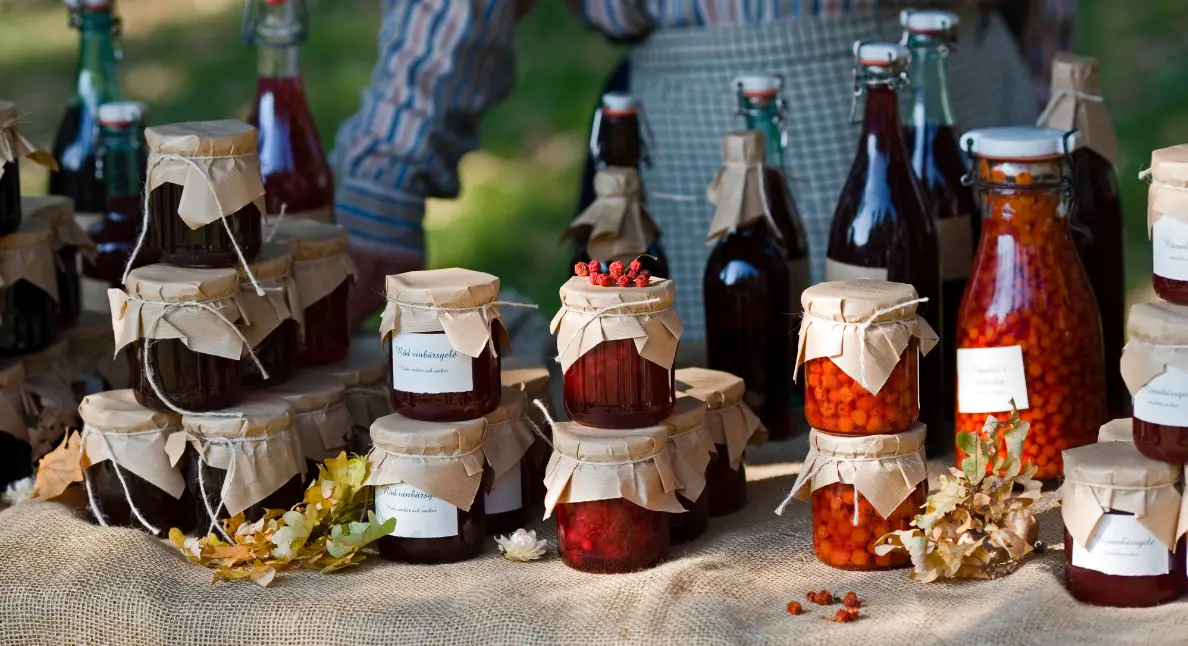
A delightful way to discover local foods is by visiting nearby farm stands and specialty grocers. Local farm shops serve as community hubs where growers and artisans offer their fresh goods directly to the public. Strolling through a farmers market, you’ll likely find stalls brimming with just-picked vegetables, orchard fruits, farm-fresh eggs, local cheeses, honey, homemade jams, baked goods, and more. The experience is a feast for the senses, with the colors of heirloom tomatoes, the smell of herbs and flowers, and the friendly chatter between neighbors and farmers. These venues make buying food an interactive, personal experience rather than a routine trip down supermarket aisles.
Farmers' markets also foster a special bond of trust and transparency. Because producers are selling face-to-face, you can ask them anything about their products: “How did you grow these greens? Do you use organic methods? How should I cook this squash?” In return, farmers get direct feedback and build relationships with their customers. This mutual exchange benefits both sides. You go home with peak-quality produce and perhaps a new recipe idea, while small farms earn a fair price for their goods without middlemen. Many markets even turn into social events with live music, food trucks, and children playing, further strengthening community ties.
Shopping at these local outlets funnels money back into regional agriculture. You’re helping family farms stay in business and keeping food dollars circulating locally. The popularity of farmers' markets has skyrocketed over the past few decades, reflecting a growing demand for farm-to-table connections. The number of farmers' markets in the U.S. has grown from under 2,000 in the early 1990s to more than 8,600 today. This explosive growth means most Americans can find a farmers' market relatively close to home, whether in a big city parking lot or a small town square.
Besides farmers' markets, you might also seek out on-farm stores or roadside stands in agricultural areas. These farm shops often sit right next to the fields and orchards, selling ultra-fresh seasonal produce. Stopping by a farm stand for sweet corn or berries in season can become a cherished ritual. Additionally, local cooperatives and organic food stores are great places to find regional products. Food co-ops often prioritize stocking produce, dairy, and meats from nearby farms, as well as organic and artisanal items. Walking into a local organic grocery, you might see signs highlighting which farm grew the apples on display or the name of the baker who made the rustic bread. Such stores give smaller producers shelf space that they might never get in big-chain supermarkets.
Going Digital: Finding Local Foods Online in an Artisan Food Marketplace
What if you don’t live near many farms or have time to catch the weekly market? Thanks to technology, you can now find local foods online almost as easily as ordering from a grocery app. In recent years, farmers and small-batch food makers have been increasingly turning to online platforms to reach customers. The idea is simple: create a virtual farmers market or artisan food marketplace where local producers list their offerings, and consumers can browse and purchase with a few clicks. These platforms have opened up exciting possibilities. A cheesemaker in Vermont or a chili sauce artisan in Texas can now sell to food enthusiasts across the country who crave those regional flavors.

LocalCart.net is one example of this new wave of online local marketplaces. It acts as a centralized platform where you can shop for products from multiple small farms and food crafters in different areas, all on one website. You might fill your online cart with heirloom cornmeal from a family farm in the Midwest, wildflower honey from a beekeeper in the Southeast, and handmade pasta from a local Italian American deli, all from the comfort of home. Every purchase through such a platform directly supports the farmers and artisans who produced the item, much like buying at a physical farm shop. Other creative models include community-supported agriculture (CSA) subscriptions that now offer online sign-ups and even home delivery, and regional cooperatives that aggregate products from dozens of farms for easy online ordering. Recent challenges accelerated the rise of these online options. During the COVID-19 pandemic, for instance, many farmers quickly adopted online sales when physical markets temporarily closed. Customers became more interested in having farm-fresh food delivered. The result has been a lasting expansion of the local food economy into the digital space.
A Traveler’s Regional Food Guide: Must-Try Local Foods Across America
For culinary explorers, seeking out local specialties is one of the joys of traveling. Every state or region has signature items that are worth a taste. To help guide your foodie adventures, here is a short list of distinctive local food dishes that exemplify unique American regional cuisine. Add these to your road trip bucket list and experience the flavors that locals cherish:
- Scrapple (Mid-Atlantic) – A Pennsylvania Dutch specialty made from pork scraps cooked with cornmeal and spices into a loaf, then sliced and fried crisp. This savory breakfast staple reflects a tradition of using every part of the hog. It’s beloved in parts of Pennsylvania and neighboring states but almost unheard of elsewhere.
- Cheese Curds (Wisconsin) – Bite-sized fresh curdled milk pieces that squeak when you chew them. In Wisconsin, cheese curds are a proud local snack, enjoyed plain or battered and deep-fried. Their ultra-fresh quality doesn’t travel well, so authentic Wisconsin curds are a treat rarely found outside the Upper Midwest.
- Boiled Peanuts (Deep South) – Green (raw) peanuts boiled in salty water for hours until soft. This humble snack is sold at roadside stands and gas stations across the American South, where it’s a nostalgic favorite. Outsiders often find boiled peanuts peculiar, as they’re virtually absent from menus outside the South.
- Poi (Hawaii) – A traditional Hawaiian dish made by pounding taro root into a smooth purple paste, often fermented slightly for tang. Poi has a unique, subtle flavor and a pudding-like texture. It’s a cornerstone of Native Hawaiian cuisine, served at luaus and family gatherings, yet it remains largely unfamiliar to people on the U.S. mainland.
- Akutaq – “Eskimo Ice Cream” (Alaska) – An Alaska Native frozen treat consisting of whipped animal fat (such as seal or reindeer fat) mixed with wild berries and sometimes fish, creating a creamy, energy-rich dessert. Akutaq (pronounced ah-goo-duck) has sustained indigenous communities for generations. Its unusual ingredients make it a truly local delicacy that you won’t encounter outside of Arctic regions.
Hunting down must-try local foods can turn a simple trip into a flavorful adventure. So next time you travel, be sure to bring your appetite and an open mind; you never know what local treasure might be waiting on the menu.

America’s tapestry of local foods is incredibly rich, and exploring it is a rewarding journey for any curious eater. From farm-fresh produce to time-honored recipes, unique regional foods offer experiences that go far beyond what’s available in the supermarket aisle. They reconnect us with the land and the people who cultivate it, reminding us that food is not just fuel but a core part of community and culture. By seeking out and supporting authentic local fare, you are helping preserve those flavors and traditions for future generations. You’re also likely to enjoy some of the best, freshest tastes of your life. In an era of global convenience, making the effort to eat locally and seasonally is like taking a deep breath of fresh air. It brings variety, discovery, and meaning back to what we cook and consume. Embracing local foods is truly a win-win: you delight your palate with something genuinely special and, in doing so, become part of the story of that place.
Sources
- BornFoodie – “Reviving Regional Food Traditions Today.” (2025) bornfoodie.com
- Utah State University Extension – “The Local Food Movement: Definitions, Benefits & Resources.” extension.usu.edu
- American Health & Wellness – “The Benefits of Seasonal Produce.” americanhw.com
- Farmers Market Coalition – Education Q&A: What is a farmers market? farmersmarketcoalition.org
About Us
Local Cart is an easy and convenient platform where local food and beverage entrepreneurs can meet and serve their customers in this new Covid-19 world. We help them more quickly pivot their business from the traditional dine-in or walk-in to a pick-up and/or delivery model. We preserve communities by keeping alive the mom & pop shops they have come to love and depend on for their sense of place.
