Cart is empty
11/16/2025
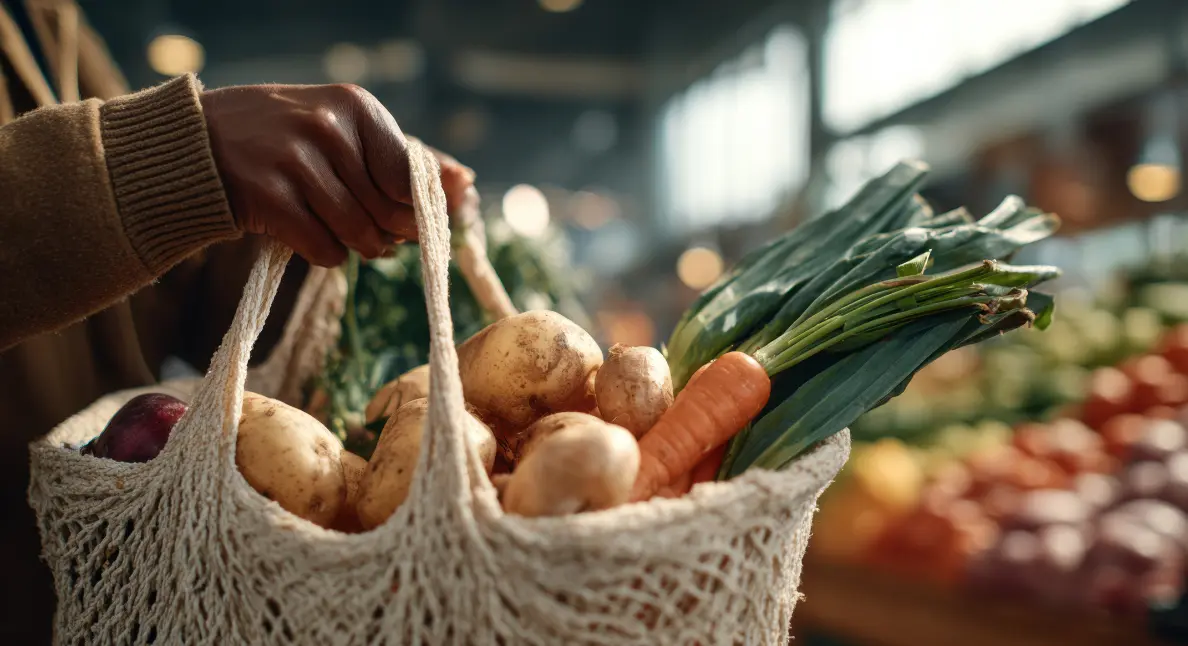
When you pick up fresh tomatoes or artisanal cheese at the market, do you ever wonder about their journey? In recent years, there’s been a growing movement to shorten that journey by focusing on locally sourced products. This farm-to-table approach is changing how we think about our food supply, emphasizing fresher ingredients and stronger community connections. It’s more than just a trendy label. It reflects a shift in consumer values. About two-thirds of consumers now say they feel strongly about buying local produce, especially younger generations who are leading this trend. Interest in local food is surging, raising questions about how these goods go from the farm to our shopping cart.
What Does “Local” Really Mean?
Unlike certified terms such as “organic,” local doesn’t have a single strict definition. When it comes to locally sourced products, the meaning generally boils down to geography, such as how far the food travels from where it’s produced to where it’s consumed. This flexible definition means “local” can vary by region. A rural area might consider the entire state as local, while a densely populated city might define local as within the surrounding counties. What matters is minimizing the distance between production and consumption. By shortening the journey from field to fork, local food networks aim to maintain freshness and reduce the resources spent on transportation. A local food supply is one where food is grown, raised, or made in the vicinity of the community that will eat it, creating a more direct link between farmers and consumers.
It’s also worth distinguishing local from other concepts. “Local” doesn’t automatically mean organic or artisanal, though there is often overlap. Many small local farms do use organic methods, appealing to shoppers who want to buy organic vegetables, along with supporting local businesses. However, a product could be locally made but still use conventional farming practices.
From Farm to Table: A Movement Takes Root
Farm-to-table is about cutting out the middlemen and bringing food straight from the producer to the consumer. Restaurants have championed this approach by partnering with nearby farms for their ingredients. The result is menus that change with the seasons and meals that reflect local agriculture. When a restaurant practices local ingredient sourcing in this way, diners get vegetables picked at their peak and meats raised on nearby farms, often resulting in more flavorful dishes and a connection to the community’s food culture.
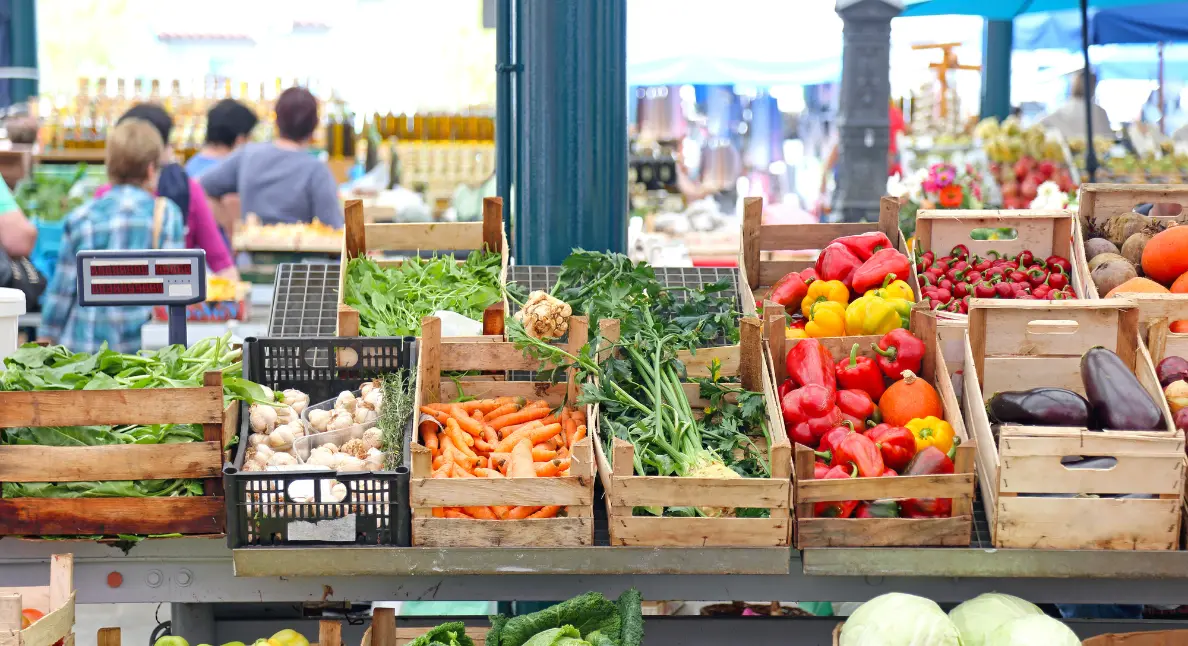
Historically, farm-to-table ideals arose as a reaction against the rise of heavily processed, mass-distributed foods. In the 1960s and 1970s, as convenience foods and large agribusiness grew, some chefs and consumers began seeking alternatives. One famous example is Alice Waters, who opened Chez Panisse in 1971 in Berkeley, California. This is a restaurant dedicated to sourcing fresh, seasonal ingredients from local farms. Pioneers like Waters helped spark a broader interest in where food comes from and how it’s produced. What started as a niche idea is now widely popular. Farmer-chef collaborations, farm-to-table restaurants, and even farm-to-school programs have proliferated across the country.
The principles behind farm-to-table go beyond just proximity. They also emphasize sustainability, quality, and supporting the local economy. By shortening the supply chain, farm-to-table practices reduce the need for long-distance trucking and cold storage, which in turn can lower the carbon footprint of our meals. Food that travels fewer miles uses less fuel and generates fewer emissions. Additionally, direct sourcing builds relationships. Chefs often know the farmers by name and might even request specific crop varieties. This collaboration leads to a deeper respect for ingredients. For consumers, it means a more transparent dining experience: you can often learn exactly which farm produced each item on your plate.
Local Farms and Producers: Quality at the Source
Behind every locally sourced item is a farmer, rancher, or artisan producer who pours care into their product. Local farms tend to be smaller-scale than the giant industrial farms that supply national grocery chains. Because of this, they often grow a wider variety of crops and may use more sustainable or organic practices. For example, a small family farm might grow a dozen types of tomatoes with no chemical pesticides, focusing on flavor and nutrition. Similarly, locally sourced meat often comes from local ranches where animals are raised in lower-stress environments. These practices can translate into higher-quality products: produce picked ripe the day of a market, or meat raised and processed humanely nearby, reaching the consumer without long freezes or cross-country shipping.
Local producers also experiment and innovate. Think of artisan cheese-makers crafting unique cheeses from the milk of their own herd, or beekeepers creating honey that carries the distinctive floral notes of the local area. Many such products start out literally in a home or farm kitchen. A family recipe for jam might turn into jars sold at the town farmers’ market. A home baker’s bread might become a hit at the local cafe. This journey from kitchen to commerce is part of what makes local food scenes so vibrant.
Why Do People Buy Local?
Given the potential benefits in freshness and community support, it’s no surprise that many shoppers are eager to seek out local foods. But what exactly motivates a person to pick the farmers’ market over the supermarket? Surveys have shed light on the top reasons people cite for choosing local. Consumers who buy produce from local farmers most often mentioned three things: fresher taste, supporting the local economy, and knowing where the food comes from. Freshness is perhaps the most obvious draw. Local fruits and vegetables can be harvested ripe and sold immediately, so they often taste better and retain more nutrients. A tomato that ripened in the sun yesterday on a nearby farm will likely beat one picked unripe and shipped for a week in cold storage.
Supporting the local economy is another powerful incentive. People feel good about their food dollars going to nearby farmers and food artisans instead of distant corporations. Buying local means your money circulates in your community. It helps a family farm stay in business or creates local jobs at a small dairy or bakery. This fosters a sense of contributing to your town or region. There’s also a resiliency aspect: a community with a strong local food network is less dependent on far-flung supply chains, which can be important in times of crisis.
The third key motivation is transparency and trust. It is the desire to know the origin of ingredients in your food. Many consumers are concerned about issues like pesticides, GMOs, or foodborne illness. When they buy local, they often have direct knowledge of how the food was produced. For example, you can talk to a farmer about whether they spray their apples or what they feed their livestock. Even without a personal conversation, local products usually come with more identifiable provenance. This traceability gives peace of mind. People value that they can see and understand the path their food took to reach them. In an era of globalized and sometimes opaque food systems, local food offers a reassuring level of clarity.
Benefits of Local Food Systems
The popularity of local sourcing isn’t just because of personal preferences. There are tangible benefits to communities and the environment as well. One major advantage is economic. Choosing local keeps more money circulating close to home. In urban areas, urban farms and community gardens not only produce food but also beautify neighborhoods and engage residents.
Environmental sustainability is another significant benefit. Local food traceability systems often have a smaller carbon footprint compared to the industrial food chain. The shorter distance food travels means much less fuel is burned in transportation. Fewer local food distribution chains rely on long-haul trucks or air freight. Furthermore, local farms are typically smaller and may use farming practices that prioritize the health of the land, such as crop rotation, organic methods, or reduced chemical use. They often grow a diversity of crops, which is good for soil health and biodiversity. And because products are sold quickly, there’s less need for heavy processing or packaging to extend shelf life. All of this can add up to a gentler impact on the environment.
Challenges in the Local Supply Chain
While the case for local food is strong on many fronts, it’s important to acknowledge that it’s not a perfect or easy system. There are practical challenges and limitations to relying on local sourcing. Understanding these challenges can help consumers and producers work together to overcome them or set realistic expectations. Some of the main hurdles include:
- Seasonal availability: Local food is inherently tied to the seasons. You’ll get an abundance of certain crops at harvest time and none in the off-season. For example, a region might have sweet corn only in late summer or oranges only in winter. This means if you eat strictly local, your diet must change throughout the year. Consumers accustomed to getting any produce year-round might find it an adjustment to live without, say, fresh tomatoes in January. Seasonality requires eaters to be flexible and creative with what’s available at any given time. Preservation techniques like canning, freezing, or pickling can extend the enjoyment of local produce beyond its season but require extra effort.
- Volume and consistency: Small local farms may not produce the huge quantities that large distributors provide, and their supply can be less predictable. A big supermarket chain can count on a steady delivery of thousands of pounds of potatoes from industrial farms, but a local farmer might have a great crop one year and a poor one the next. Restaurants and grocers that source locally often have to juggle multiple suppliers to get the quantities they need.
- Cost and price: Locally produced food can sometimes cost more than mass-produced alternatives. Small farms don’t benefit from the economies of scale that large farms do, so their cost per unit may be higher. Labor is often a significant expense. Many local farms pay workers a fair wage, whereas industrial operations might rely on low-wage seasonal labor or automation. Additionally, organic or sustainable methods can be more labor-intensive and yield lower volumes. All this can translate to a higher price tag at the point of sale. Consumers have to be willing to pay a bit extra for the local, ethical choice. Many are, but price remains a factor, especially when household budgets are tight.
- Infrastructure and convenience: The mainstream food system has a very well-oiled infrastructure for processing, packaging, and distributing food. Local producers often lack access to similar facilities. Regulations can also be a hurdle. Small producers have to navigate health and safety rules, which are essential but sometimes complex and geared towards larger operations. For consumers, convenience is a consideration: shopping from local producers might mean visiting multiple specialty shops or markets, which takes more time than a one-stop supermarket trip. Until local foods are as readily accessible as other foods, their adoption by the wider public can be limited.
Despite these challenges, many involved in the local food movement are finding creative solutions. Season extension techniques are improving availability. Cooperative distribution models and local food hubs help aggregate products to achieve consistency and volume. Pricing can be addressed by educating consumers on the value and by farms finding efficiencies or diverse revenue streams. None of these challenges is insurmountable, but they remind us that rebuilding a local-oriented food system requires investment, planning, and sometimes a change in mindset for consumers used to the global supermarket model.
From Kitchen to Market: Getting Local Goods to Consumers
One of the remarkable aspects of the local food scene is how products can go from a humble kitchen or farm workshop into the wider marketplace. The journey from kitchen to market often starts with a simple idea or surplus. So how do these locally made products reach consumers nowadays? There are several routes, and as interest in local food has grown, the options have expanded. Here are some of the most popular ways to connect with local producers and bring their goods to your pantry:
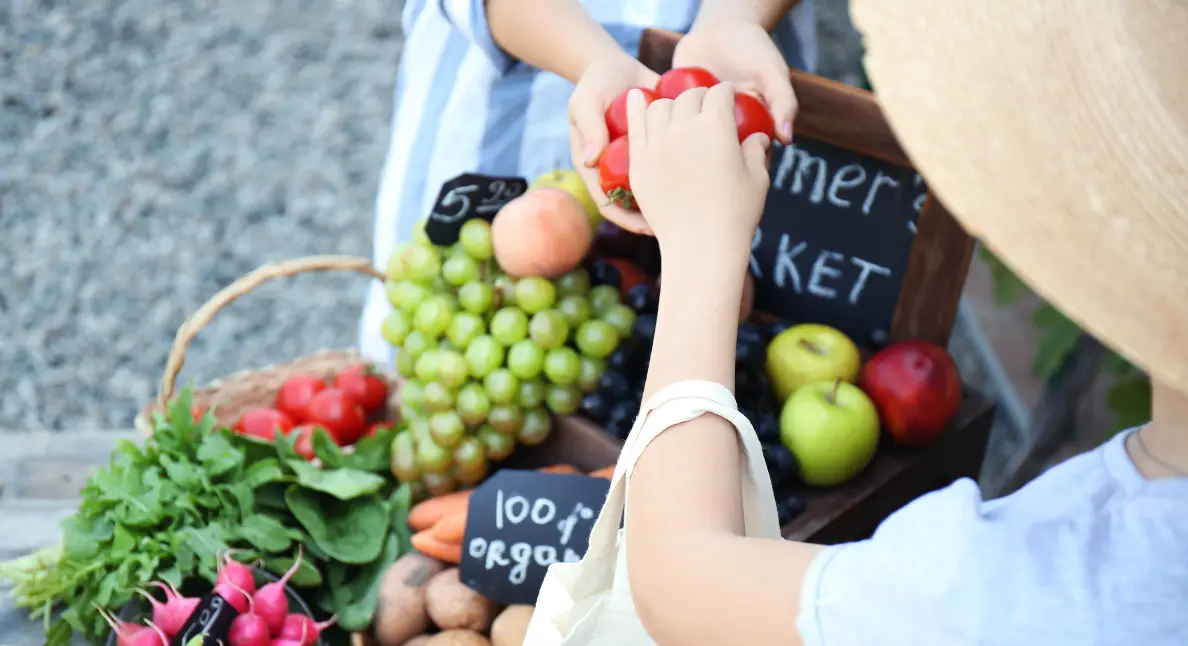
- Farmers’ Markets: The classic direct-to-consumer venue. At weekly farmers’ markets, you can buy bulk vegetables face-to-face. These markets often have not just fruits and vegetables, but also local meats, eggs, dairy, baked goods, and more. It’s a chance to talk with producers, ask questions, and even get cooking tips. The atmosphere is usually lively and community-oriented, making shopping an enjoyable experience.
- Community Supported Agriculture (CSA): CSAs are subscription programs where consumers buy vegetables from local farmers by the season. You pay upfront for a “share” of the harvest, and in return, you receive a box of assorted farm-fresh items every week or two. CSA boxes typically contain whatever is ripe at that time. This model gives farmers a reliable income and gives consumers ultra-fresh produce plus a fun element of surprise with each box.
- On-Farm Stands and U-Pick: Many farms operate their own farm stands or stores right on their property, where locals can drop by to purchase items. Visiting local farms to buy produce straight from the source can be a delightful outing. You see the fields where your food is grown and often get produce that was harvested that very morning. Some farms also offer “U-pick,” where you can pick your own fruits or even vegetables. This not only ensures freshness but is also a great educational experience for families to learn about farming.
- Online Local Marketplaces: Technology has entered the local food arena, making it easier to find and order local goods. Dedicated e-commerce platforms, such as LocalCart, allow people to browse products from multiple nearby producers and purchase them through a single website or app. This means you can buy local farm produce with the convenience of online shopping, often with options for delivery or centralized pickup. For example, you might fill a virtual cart with bread from a local bakery, cheese from a regional creamery, and vegetables from several farms, all through one site. This has been especially useful for expanding access to local foods beyond the one-day-a-week farmers’ market model and reaching customers who may not have the time to shop in person.
- Local Grocery Co-ops and Independent Stores: Aside from big supermarkets, many towns have food co-operatives or independent grocers that prioritize local sourcing. These stores often label the origin of products, so you’ll see tags like “local” or the name of the farm next to items on the shelf. By shopping at such stores, you indirectly support local producers because the store has done the sourcing for you.
The common thread in all these channels is that they strive to retain the integrity and story of the local product. By diversifying outlets, local producers can reach different customer segments and ensure less food goes to waste.

The journey behind locally sourced products is about re-establishing a relationship that industrialization had distanced: the relationship between eater and grower. It’s knowing that your dinner’s ingredients have stories and origins you can trace, often within your own community. You’re helping to carry food on the last leg of its trip from a local kitchen, farm, or workshop to your cart, and finally to your home. And with every bite, you taste not just better flavor but the care and sustainability that went into producing it. That is the valid reward of the kitchen-to-cart journey. Food that nourishes our bodies while also feeding the well-being of our local land and community.
Sources
- extension.usu.edu Utah State University Extension – The Local Food Movement: Definitions, Benefits & Resources (defining why Americans buy local, 2009 study).
- agritecture.com Agritecture blog – Understanding the Farm-to-Table Movement (Feb 15, 2024), noting the environmental benefits of local sourcing.
About Us
Local Cart is an easy and convenient platform where local food and beverage entrepreneurs can meet and serve their customers in this new Covid-19 world. We help them more quickly pivot their business from the traditional dine-in or walk-in to a pick-up and/or delivery model. We preserve communities by keeping alive the mom & pop shops they have come to love and depend on for their sense of place.
