Cart is empty

12/06/2025
Handcrafted foods stand out as a testament to quality over quantity in a world dominated by mass production. These artisanal delights offer flavors and stories that factory-made products simply cannot replicate. Once a niche market, they now command global attention: the artisanal food sector was valued at around $1.5 trillion in 2025 and is projected to reach $2.5 trillion by 2033. This surge signifies a broader shift in how we value what we eat. In this article, we’ll explore the craftsmanship behind artisan foods, the trends driving their popularity, and why supporting them matters for our taste buds, our communities, and our conscience.
The Craftsmanship Behind Handcrafted Foods
At the heart of every artisan cheese, loaf of bread, or jar of jam lies true food craftsmanship. This concept is all about skill, passion, and attention to detail. Unlike assembly-line foods churned out by the thousands, artisanal foods are made on a human scale. They’re typically crafted in small batches using time-honored artisanal food techniques. Think of a baker tending a sourdough starter that’s been passed down for generations, or a cheesemaker carefully controlling temperatures and cultures to perfect each wheel of cheese. Every step in these processes requires care and know-how, often learned through apprenticeships or family tradition rather than formal manuals.
Handcrafting food is as much an art as it is a science. Consider the layered flavors in a barrel-aged hot sauce or the delicate crumb of a naturally leavened bread. These qualities arise from slow, hands-on methods: the slow fermentation of dough, the gentle stirring of a copper jam pot, the precise curing of meats. Such methods take longer and may yield fewer units, but the payoff is in the taste and texture. Small-scale traditional methods often yield superior flavors that factory-made foods can’t match. This is because artisans prioritize quality ingredients and optimal techniques over sheer volume. They’ll use fresh, locally sourced fruits at peak season for jams, or single-origin cacao beans for chocolate, coaxing out nuances that industrial processes often flatten.
Craftsmanship in food also preserves heritage and culture. Many artisanal techniques are living links to the past. A way of making food that carries the story of a place or a people. For example, a traditional vinegar brewery might use a mother culture that’s decades old, or a farmhouse brewery might ferment beer in oak barrels using wild yeasts unique to its valley. By practicing these methods, artisans keep cultural traditions alive, offering us a taste of history. It’s a beautiful paradox that in creating something new to enjoy, they are also safeguarding something old and precious.
Quality Over Quantity: The Rise of Handcrafted Food Trends
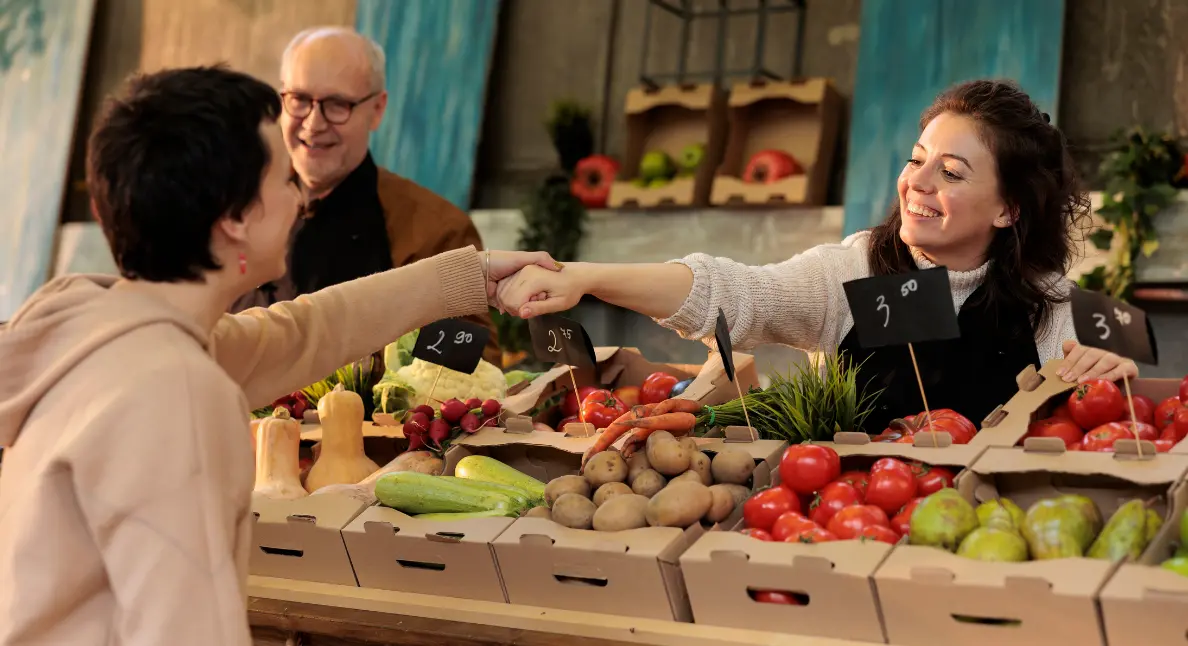
There’s a growing movement of consumers seeking authenticity and connection in what they eat. The preference for imperfection and individuality is manifesting in the rise of handcrafted food trends. People are increasingly rebelling against uniform, mass-produced fare and turning toward foods that showcase unique, hand-crafted qualities. They crave the real stories behind their food. Knowing where it comes from, who made it, and how it was prepared. This desire for authenticity has fueled a broader trend in the food industry. Shoppers are even willing to pay a premium for products that resonate with their values and provide that sense of the genuine article.
The shift toward handcrafted and artisanal foods also reflects a backlash against the “more is better” mentality. Instead of gigantic portion sizes or endless aisles of identical products, many consumers now seek quality over quantity. This is evident in trends like farm-to-table dining, craft brewing, and the resurgence of farmers’ markets. We see younger generations especially interested in artisanal foods as part of a broader lifestyle choice. They prefer the authentic over the processed, and the story over the stereotype. Social media has played a role in this as well, amplifying small brands that have a compelling narrative to showcase.
Small-Batch Food Makers: Passion and Flavor in Every Batch
The world of artisan food is populated by independent small-batch food makers who pour their heart into every jar, loaf, or bottle they produce. These are the family-run bakeries, the local honey farmers, the brewers operating out of a garage. By keeping production limited, they ensure each of their artisan food products meets high standards of taste and quality. The philosophy here is simple: make a little, but make it the best you can. Small-batch producers often have the flexibility to experiment and perfect recipes, adjusting to seasonal ingredients or customer feedback quickly in ways large factories cannot. The result is often a unique product with a distinct identity. The kind of food that, once you taste it, you remember it.
One hallmark of these makers is personal passion. When a chocolatier roasts cacao beans in-house or a pasta maker uses heirloom grain flour they mill themselves, you can sense the dedication in the flavor. This passion tends to translate into a superior product and a loyal following. Many of these producers started as hobbyists or chefs who wanted to share something special with the world. Their businesses might operate on slim margins and small volumes, but they are driven by love for the craft.
Crucially, this small-batch approach also appeals to today’s conscious consumers. People are increasingly looking for alternatives to mass-market brands, seeking out local bakeries, microbreweries, and home-based picklers for something more authentic. In North America, consumers have been increasingly focused on small-batch artisanal food products as part of a shift toward high-quality, sustainable choices. This interest means that many small producers find eager markets right in their own communities and beyond. Some small-batch foods, like craft beers or artisan cheeses, have attained almost cult status, with enthusiasts lining up to buy limited releases. When production is small, supply is often limited. It’s the opposite of the big-box store mentality. Exclusivity and scarcity, paired with genuine quality, make each bite feel special.
These entrepreneurs are also nimble. They can cater to niche tastes and dietary needs, be it vegan artisan pastries, keto-friendly small batch meals, or gluten-free breads, often faster than big companies can. By listening to customer feedback directly at the farmers market or local shop, they adapt and create foods with a built-in audience. The result is a vibrant food ecosystem where passion-driven makers fill gaps in flavor and variety that larger producers often overlook.
Why Shop Local? The Power of Supporting Small Businesses
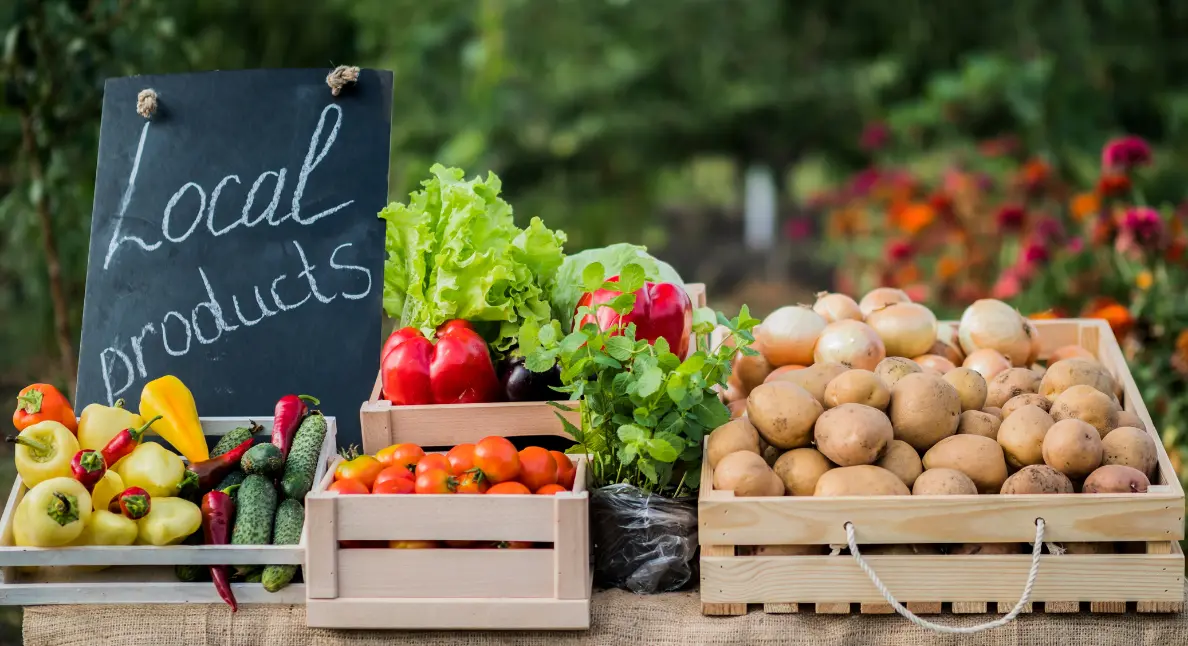
There’s a reason why shop local has become a rallying cry among communities. Choosing locally made foods delivers a host of benefits for consumers and the community alike. Here are a few key benefits of choosing food close to home:
- Supports the local economy: Your purchase boosts local business owners, helps sustain family farms, and creates jobs in your region. Strong local food systems make communities more resilient in the face of economic ups and downs.
- Fresher flavors and nutrition: When you buy local produce, it’s typically harvested at peak ripeness and travels only a short distance to your plate. The shorter time and distance from farm to table mean you enjoy fruits, vegetables, and other foods at the height of freshness. There’s a noticeable difference in taste when, for example, tomatoes are vine-ripened from a nearby farm versus shipped thousands of miles while still green.
- Environmental benefits: Local foods generally have a smaller carbon footprint. Shorter supply chains require less transportation and refrigeration, leading to lower fuel use and emissions. Fewer middlemen and less packaging are needed as well, which cuts down on waste. In essence, supporting local reduces the “food miles” and the pollution associated with long-distance trucking or flying of food.
- Community and culture: Buying from nearby farms and artisans fosters personal connections. You often meet the people who grow or make your food. This builds trust and a sense of community pride. It also helps preserve regional food traditions and crop varieties. Local food events, like farmers’ markets or food festivals, become community gatherings where people bond over shared tastes and cultural heritage.
Shopping local is a statement about what you value. You’re saying you value fresh taste, fair support for producers, and the character of your community. And they give you the satisfaction of knowing your food dollars are going toward small business support and a healthier, more connected way of living.
Ethical Consumerism and Craft Food with Purpose
The rise of ethical consumerism means more people want their food choices to align with their values. Shoppers seek out craft food with purpose. These are artisanal products created with an eye toward ethics, sustainability, and social impact. This could mean a coffee roasted by a company that shares profits with farmers, or a line of sauces made by a local business that employs at-risk youth. For many consumers today, the story behind the food is as important as the flavor.
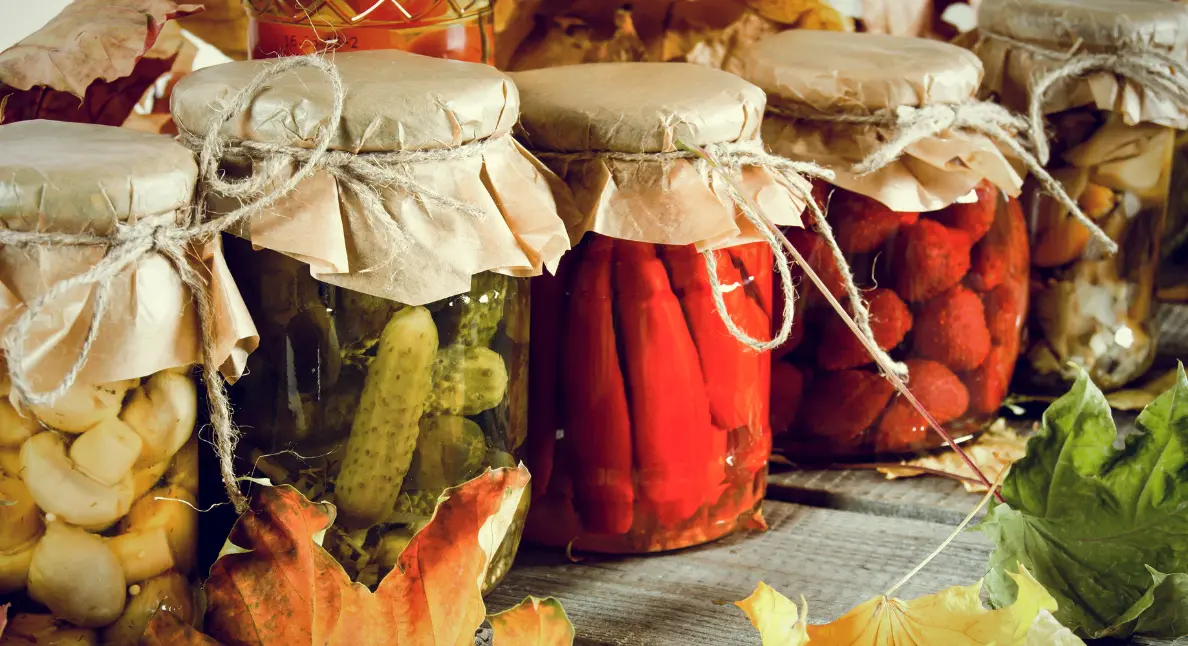
Artisanal food producers are often at the forefront of ethical practices. Many choose local and organic ingredients, avoid artificial additives, and prioritize animal welfare and fair labor. By keeping operations small and transparent, it’s easier for them to ensure that every step of production meets certain values. Moreover, many handcrafted food businesses infuse a sense of purpose into their brand identity. It’s common to find mission statements on their websites or labels outlining what they stand for. Transparency and passion resonate with ethical consumers. When you buy from such a company, you’re not just getting a product. You’re supporting a cause or a set of principles.
From Farmers’ Markets to Online Artisan Food Shop: Shopping Local in the Digital Age
Traditionally, getting your hands on artisanal treats meant seeking them out at farmers’ markets, local fairs, or quaint specialty stores. But today, technology is bridging the gap between local producers and consumers everywhere, essentially bringing the farmers’ market to your fingertips. Platforms like LocalCart make it easy to shop local online by acting as a virtual marketplace for small food businesses. In this digital artisan food shop, you can browse a variety of artisan food brands, all from the comfort of your home. With a few clicks, someone in a big city can enjoy goat cheese from a family farm miles away, or a regionally famous hot sauce that used to only be found at a county fair.
Artisan Food Gifts: Sharing the Art of Flavor
One delightful way people are embracing handcrafted foods is by giving them as gifts. There’s something special about sharing your favorite locally roasted coffee or that jar of small-batch jam you discovered. Artisan food gifts have surged in popularity as perfect presents for holidays, birthdays, or any occasion for the foodies in our lives. Unlike generic gift cards or mass-produced fruit baskets, these gifts feel thoughtful and personal. They say, “I found something truly unique and delicious, and I want you to enjoy it too.”
The variety of artisan food gifts is endless, which makes them fun to choose and to receive. You can tailor the gift to the person’s tastes: perhaps a collection of spicy craft hot sauces for the friend who puts chili on everything, or an assortment of organic teas blended by a local herbalist for the relative who savors a calming cup each evening. Beautifully curated gift boxes are available from many small producers, combining items like artisan cheeses, charcuterie, and crackers for a gourmet picnic set, or a baking kit with heirloom flour, recipe cards, and artisanal vanilla extract for those who love to bake. Some gifts are downright whimsical. Think a DIY mushroom growing kit from a small urban farm, or a set of rainbow-colored macarons from that tiny French patisserie in town. Because these items are handcrafted, they often come with charming packaging and little notes or serving suggestions, which add to the gift’s charm.
Gifting artisanal foods also carries a deeper meaning. It reflects a sense of sharing quality time and care. For instance, giving someone locally roasted beans isn’t just about the coffee, but also inviting them to slow down on a weekend morning and enjoy a truly good cup of joe. It might introduce your loved ones to new flavors or brands that they’ll continue to support, thereby spreading the ripple effect of supporting small businesses. In a way, an artisan food gift is a gift to the makers as well, because it helps them gain a new customer or fan.
In a rapidly changing world, handcrafted foods offer a delicious form of resistance against the bland and impersonal. They invite us to slow down and taste the difference that care and creativity make. Whether you’re shopping at a local farmers’ market, clicking through an online artisan marketplace like LocalCart, or unwrapping a gift of gourmet goodies, you become part of a larger story. One that values people and passion over automation and volume. So next time you’re looking for a memorable meal or a meaningful gift, consider the handcrafted option. You’ll be treating yourself and others to something truly special, and helping to keep alive the traditions and values that put the art into our food.
Sources:
- Future Data Stats – Artisanal Food Market Size, Share & Trends 2025-2033.
- Business Europe – Artisanal Food Production in Europe.
- Seed World – The Return of Real: Seven Consumer Trends Reshaping the Food Industry.
- SkyQuestt – Gourmet Food Market Growth, Trends, and Regional Outlook.
- Sustain – 5 Reasons Why Local Food Matters.
- ReallyEats (Medium) – The Rise of Artisanal Small-Scale Food Producers.
About Us
Local Cart is an easy and convenient platform where local food and beverage entrepreneurs can meet and serve their customers in this new Covid-19 world. We help them more quickly pivot their business from the traditional dine-in or walk-in to a pick-up and/or delivery model. We preserve communities by keeping alive the mom & pop shops they have come to love and depend on for their sense of place.
