Cart is empty
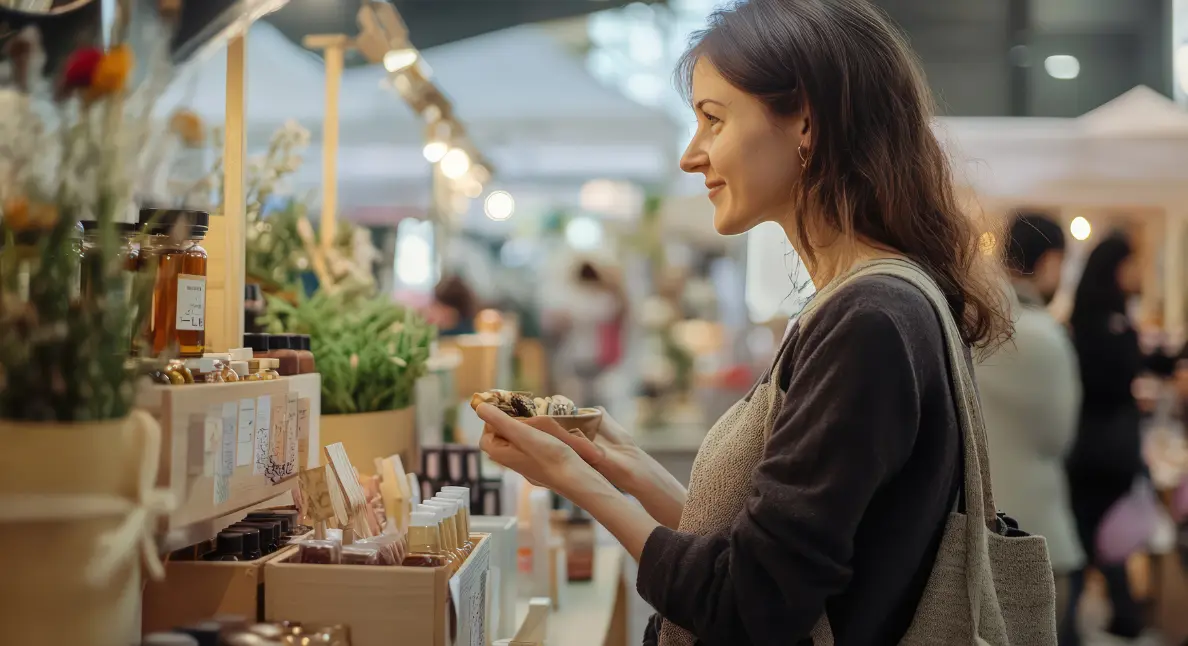
10/30/2025
In an age dominated by mass-produced convenience foods, a quiet revolution is happening on our plates. Across communities, small-batch food producers are gaining recognition for delivering something deeper than just a quick bite. These artisans bring back old-fashioned flavor and a renewed sense of purpose to the table. From farmers’ markets to online shops, they’re proving that food can be more than fuel. It can tell a story, support a community, and even drive positive change in how we eat and live.
Understanding the Artisanal Food Movement
At its heart, the artisanal food movement is about going back to basics. It means celebrating traditional methods, quality ingredients, and the humans behind the products. When we talk about artisan foods, we’re not talking about factory assembly lines churning out identical items. Instead, we refer to foods made in limited quantities by skilled makers who put personal care into each batch. Artisan foods are not merely a trendy label. They represent genuine quality, craftsmanship, and a deeper connection to food’s origins.
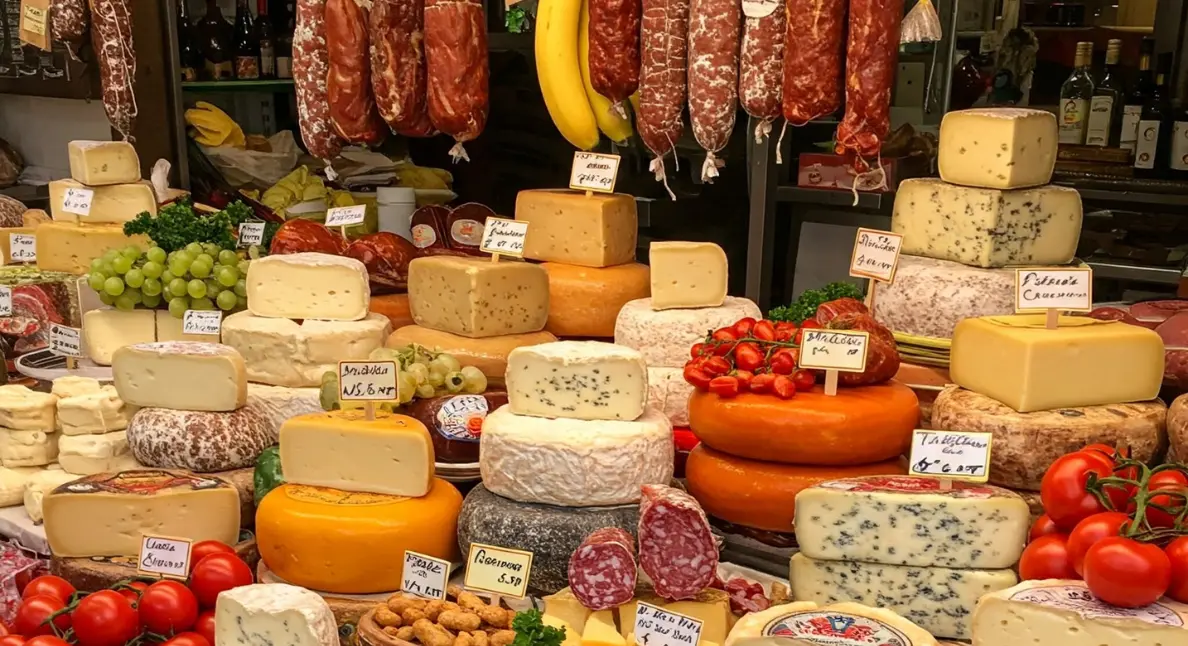
This movement has deep roots. Centuries ago, before industrial food processing, communities relied on local bakers, butchers, cheesemakers, and farmers for their daily meals. Those local food creators produced items with traditional recipes, often passed down through generations. Today’s small-batch producers carry on that legacy. They often use time-honored techniques that were nearly lost in the rush of modern industrial food. By reviving these methods, craft producers are preserving culinary heritage. In fact, choosing artisan foods is a bit like choosing a handmade piece of art instead of a cheap factory print; it carries the imprint of its maker. That personal touch is exactly what many consumers are craving after decades of processed, anonymous food.
Small-batch production is a response to the shortcomings of big agribusiness. Mass production brought food in abundance, but often at the cost of quality, flavor, and transparency. In contrast, these craft producers prioritize things that can’t be mass-produced: freshness, authenticity, and individuality. Every jar of jam or wheel of cheese from a small producer has a unique character shaped by the region’s ingredients and the maker’s skill. This stands in deliberate contrast to the one-size-fits-all approach of “Big Food.”
Flavor: Quality Over Quantity
One of the biggest draws of small-batch foods is unquestionably the flavor. When production isn’t about churning out as much as possible, quality takes center stage. Artisan producers are obsessed with ingredients. They often choose locally sourced, seasonal, and organic components that taste better. Freshly picked heirloom tomatoes, single-origin cacao beans, or grass-fed milk all carry richer flavors than their mass-market counterparts. Small producers highlight these flavors by using techniques that coax out the best in each ingredient. They aren’t rushing the process. If a dough needs a day to rise or a cheese needs months to age, so be it. The result is food with depth and character.
It’s easy to taste the difference. The hallmark of artisanal food lies in its distinctive taste profiles derived from carefully chosen ingredients and time-honored methods. These foods are handmade in small quantities by skilled artisans who pour their expertise and passion into each batch. For example, artisanal cheeses produced by a local dairy farmer using age-old cheesemaking techniques develop distinct flavors that mass-produced cheeses simply can’t match. The slow culturing and natural aging of a farmhouse cheese yield complex notes reflecting the terroir and the craft involved. In contrast, factory cheeses often taste uniform, largely because speed and efficiency override nuance.
Ethical and Conscious Food Production
Small-batch food producers don’t just excel at flavor. Many also operate with a strong sense of purpose regarding how their food is made. Conscious food production is a core value for a lot of these artisans. Unlike giant industrial operations that might prioritize volume and profit above all, local craft producers often choose methods that are kinder to the planet, to animals, and to people. This can mean organic farming practices, humane animal husbandry, fair wages for workers, and minimal waste. Many of these businesses are built on ethics and sustainability from the ground up.
Community Roots and Local Impact
Another defining purpose of small-batch producers is their positive impact on local communities. When you buy from an artisan, you’re not just getting a unique product. You’re also supporting local businesses and strengthening your neighborhood economy. These producers are often our neighbors: the beekeeper down the road, the family-run bakery across town, the farmers at the weekend market. The money spent on their products tends to stay in the community, recirculating to create jobs and sustain local agriculture. Contrast this with dollars spent on big national or global brands, which often whisk profits away to distant corporate headquarters.
Small producers also help keep cultural traditions alive. Many artisans deliberately revive old recipes or regional specialties. Think of a third-generation Italian-American butcher making salami the way his grandparents taught him, or a young miller stone-grinding heritage grains for flour. By doing so, they preserve knowledge that industrialization almost wiped out. And they offer all of us a taste of local identity. Visiting artisanal markets or farmers’ markets isn’t just shopping; it’s an experience where you meet the makers, hear their stories, and build relationships. There’s a trust that forms when you know who made your food. It creates a feedback loop: producers feel accountable to their community, and customers feel invested in the producer’s success.
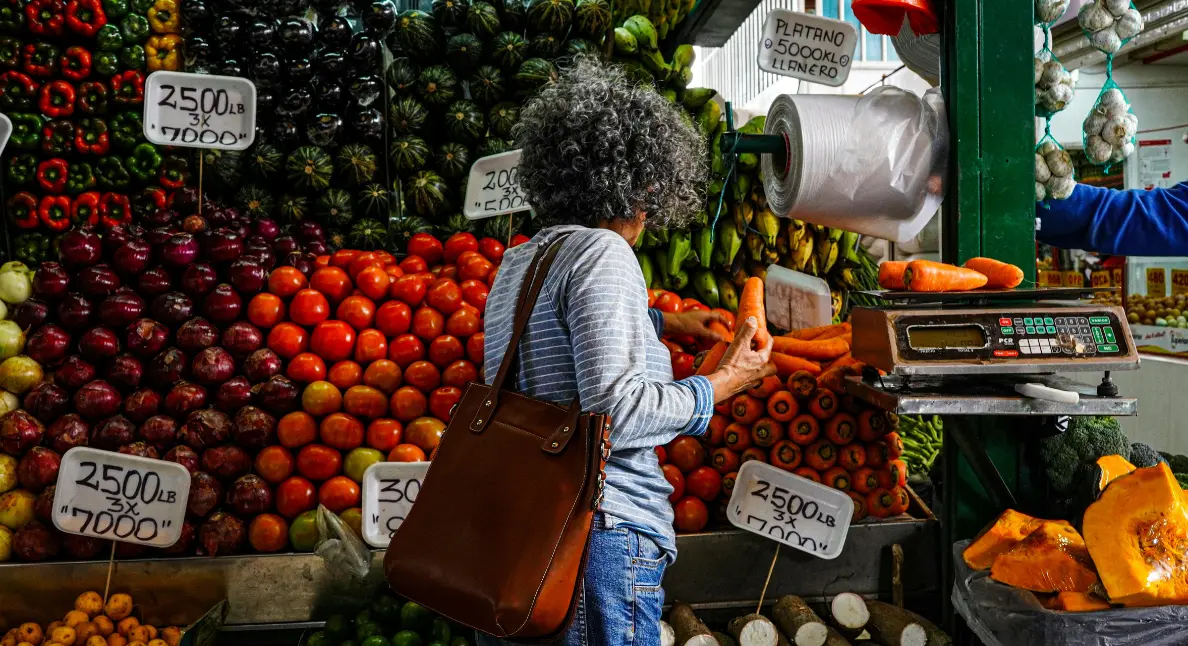
Additionally, small-batch producers tend to collaborate, not compete, with each other. They often cross-promote at community events or co-create products. This spirit of community over competition strengthens the social fabric. Consumers benefit from this camaraderie too: you feel a part of a community when you shop local. It’s food with a face and a place, which is something industrial food can never offer.
Diverse Artisanal Offerings and Innovations
Small-batch producers cover virtually every corner of the culinary world, often adding creative twists along the way. Here are just a few examples of the kinds of handmade delights small-batch producers bring us:
- Artisanal honey – Small-scale beekeepers typically harvest honey in limited quantities, allowing the nectar sources to define each batch rather than blending for uniformity. This results in subtle but noticeable variations in color, viscosity, and flavor, ranging from light and floral to dark and robust. Many producers avoid high-heat processing, which helps preserve enzymes, pollen, and aromatic compounds often stripped out of commercial honey. Some also practice single-apiary or single-harvest bottling, giving consumers a clearer sense of origin and authenticity. Beyond taste, artisanal honey often supports pollinator health through sustainable beekeeping practices and habitat preservation. For buyers, each jar offers a traceable product with a story rooted in local agriculture and careful stewardship rather than industrial scale.
- Artisan pickles – Crunchy pickled vegetables made in small batches. Fermented pickles are also common in this space, introducing complex, tangy flavors created through natural lacto-fermentation rather than quick processing. Production is typically hands-on, with vegetables cut, packed, and monitored manually to ensure consistency and safety. This slower approach allows makers to adjust recipes over time and respond to seasonal produce. The result is a pickle that functions not just as a condiment but as a thoughtfully crafted food reflecting technique and regional taste preferences.
- Artisan gluten-free bread – Homemade-style bread loaves and baked goods that are entirely gluten-free yet wonderfully tasty. Small bakers have innovated with almond flour, buckwheat, rice flour, and other alternatives to recreate the texture and soul of bread without wheat. These loaves are often hand-kneaded and slow-risen, yielding a crust and crumb that defy the dry, dense reputation of typical gluten-free breads.
And the innovation doesn’t stop there. Even in categories long dominated by big companies, artisans are carving out niches. Take cheese, for example. We expect artisanal dairy cheeses, but now there’s also a growing movement of vegan artisan cheese. The diversity of artisan foods available today means there’s an alternative to nearly any mass-produced pantry item.
Reaching Consumers: From Markets to Online
Traditionally, finding these small-batch treasures meant seeking out local venues: weekend farmers’ markets, co-ops, farm stands, or brick-and-mortar specialty shops. Those face-to-face encounters are still a beloved way to shop for handmade goods. There’s nothing quite like chatting with the baker who made your loaf or sampling cheese from the dairy farmer who churned it. However, in the past, if you lived outside of these artisans’ area, you might never have had access to their products. The good news is that technology and evolving shopping habits are changing this rapidly. Today, local online shopping enables small producers to connect with customers near and far without losing that personal touch.
In recent years, more and more small-batch producers have started selling through online marketplaces, social media, and their own websites. This shift to digital has effectively broken geographic barriers. For consumers, it means convenience. You can enjoy the farmers’ market experience from your laptop or phone, browsing a variety of handmade food items and getting them delivered to your doorstep. One can even buy gourmet cheese online directly from the creamery that produced it, something that would have been hard to imagine a decade ago. This expansion into e-commerce doesn’t replace the magic of in-person markets, but it complements them by broadening artisans' reach and giving customers greater access.
The digital realm has also spawned specialized platforms aimed at connecting makers with buyers. For example, LocalCart is an online marketplace that allows you to find and purchase products from multiple local small-batch producers in one place, acting like a virtual farmers’ market. Through such platforms, a customer can support dozens of local businesses with a few clicks, even if they can’t physically visit each farm or kitchen. For the producers, going online provides new lifelines and growth opportunities. The move to online sales presented a powerful opportunity for small producers to scale up their customer base, with socially conscious shoppers increasingly eager to support independent food makers.
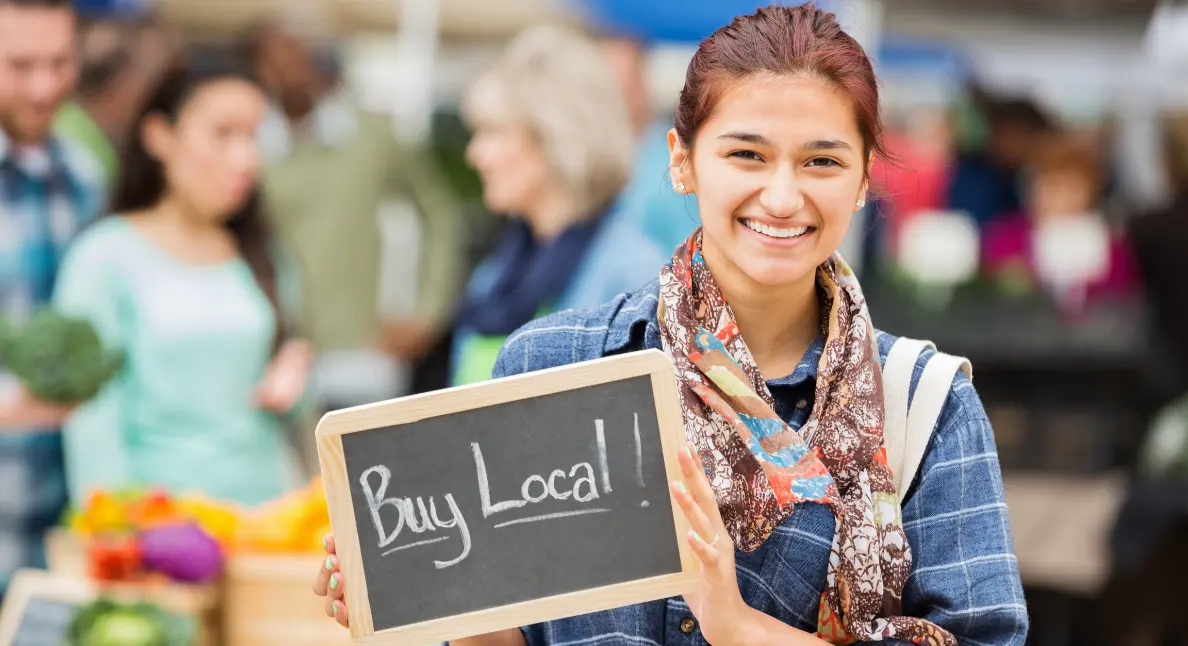
Going online isn’t without challenges for small producers. It requires learning logistics, shipping perishable goods safely, and standing out in a crowded digital marketplace. But many artisans are adapting admirably. They use storytelling on their websites, beautiful photography on Instagram, and even live video tastings or virtual farm tours to engage customers. These efforts convey the authenticity that sets them apart from corporate brands. During the pandemic, consumers significantly increased their purchases of local food online as big supermarket supply chains faltered. People discovered the reliability and quality of local sources and stuck with them. Now, it’s common for someone to pick up fresh veggies from a farmer at a market on Saturday, but also order a gift box of local charcuterie online to send to a friend. The hybrid model of offline and online is likely here to stay, giving small-batch producers multiple ways to sustain and grow their businesses.
Small-batch producers are redefining our relationship with food in profound ways. They remind us that food isn’t just a commodity off a factory line – it’s something crafted with care, meant to be savored. By bringing back bold flavors and insisting on ethical, sustainable methods, these artisans infuse purpose into every jar, loaf, and bottle they create. When we support them, we’re not only treating our taste buds to something special, we’re also choosing to support local businesses and traditions that make our communities unique. In a world where convenience often overshadows quality and meaning, small-batch producers offer a delicious alternative. Every bite of their handmade food carries the story of a person, a place, and a passion. And that, perhaps more than anything, is how they bring both flavor and purpose to the table, by feeding not just our hunger, but our sense of connection and conscience as well.
Sources
- Gourmie Magazine – What is Artisan Food? (Feb 6, 2025) gourmiegoods.com
- FoodDrinkLife (AP News) – The attraction of the artisanal food craze (Oct 24, 2025) fooddrinklife.com
- Indulge Express – How artisanal foods benefit the environment (Jan 16, 2025) indulgexpress.com
- Cheese Connoisseur – Vegan Cheese is Better than Ever (Feb 5, 2025) cheeseconnoisseur.com
- Civil Eats – The Local Food Revolution Goes Online — for Now (Apr 1, 2020) civileats.com
About Us
Local Cart is an easy and convenient platform where local food and beverage entrepreneurs can meet and serve their customers in this new Covid-19 world. We help them more quickly pivot their business from the traditional dine-in or walk-in to a pick-up and/or delivery model. We preserve communities by keeping alive the mom & pop shops they have come to love and depend on for their sense of place.
