Cart is empty
11/21/2025
Building a sustainable pantry stocked with locally sourced staples is a rewarding way to eat well while uplifting your community. By filling your shelves with good local food, from grains and beans to honey and herbs, you can enjoy fresh, high-quality ingredients and know your grocery dollars are going back into local farms and businesses. This guide will explain how to build a pantry of local staples step by step, highlighting why it matters and how to get started. We’ll cover the benefits, essential items to include, and where to buy local staples to make your pantry both abundant and community-friendly.
Strengthening Your Community with Local Staples
One of the biggest motivations for shifting to local pantry staples is the positive impact on your community’s economy and social fabric. Every dollar you spend on a local food product is an investment in your neighbors. These are the farmers, growers, and small business owners who produce that item. Instead of a large share of your grocery money going to distant corporations or middlemen, buying local keeps that money circulating in town. Research shows a strong multiplier effect: for every dollar spent locally, a significant portion is reinvested right back into the community’s economy. This means your grocery shopping can directly help create local jobs and sustain local businesses. When you purchase flour from a regional mill or spices from a local market, you help that enterprise stay afloat and possibly grow, which can lead to more employment opportunities in your area.
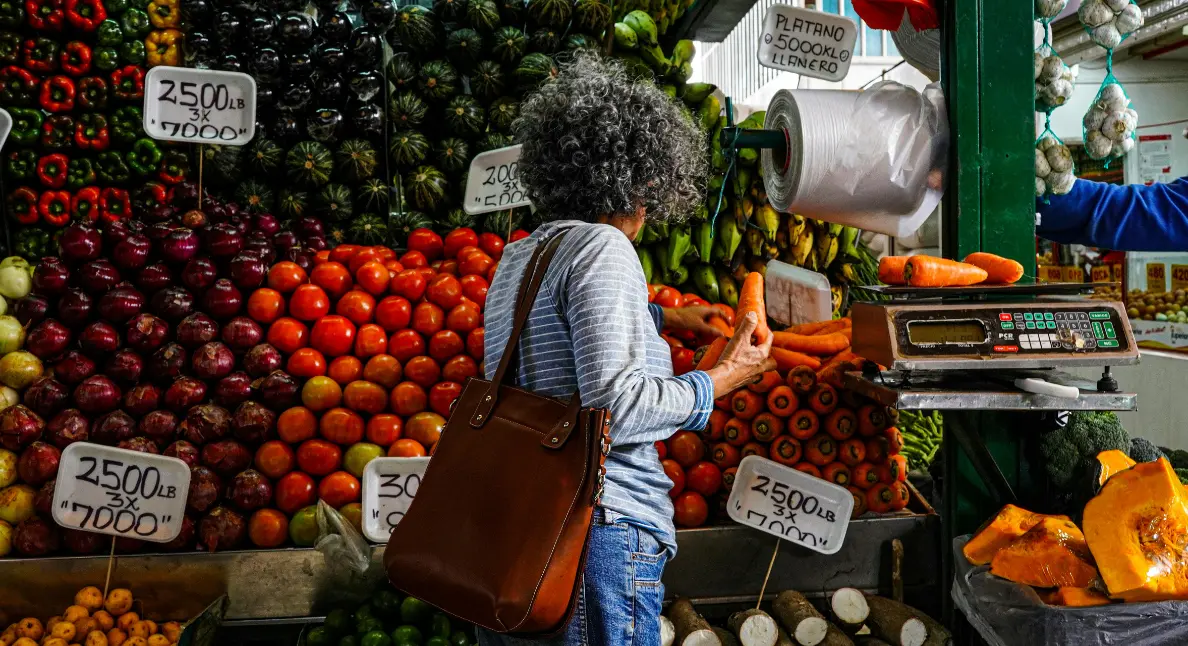
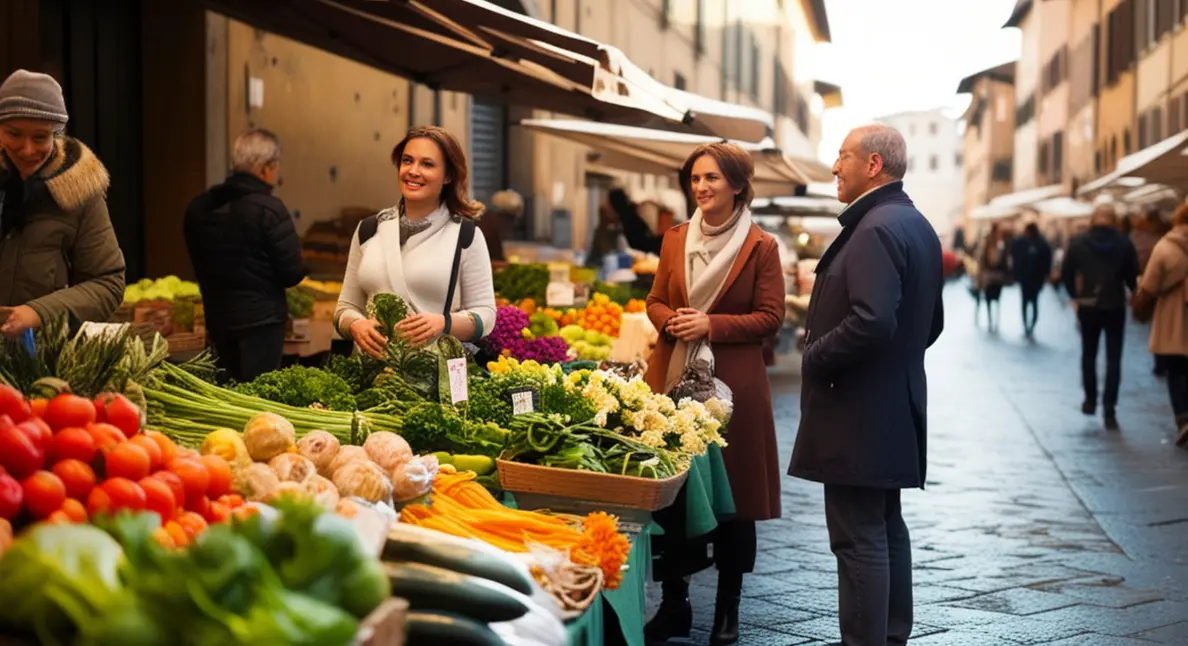
Local purchasing doesn’t just boost numbers in an economic sense; it also strengthens community relationships. Visiting farmers’ markets and local shops connects you to the people behind your food. You might chat with the farmer who grew your beans or the baker who made your bread, building a personal bond that simply doesn’t exist when buying factory-packaged goods. These connections foster trust and a sense of camaraderie. You learn more about how your food is produced and gain appreciation for the work involved. Over time, a network forms, with neighbors supporting neighbors. You’re more likely to feel invested in your community when you know the faces that feed you. This can inspire further local involvement, from volunteering at community gardens to advocating for local food initiatives.
Another benefit is resilience. By supporting local food producers, you help maintain a diverse and robust local food system. This makes the community less reliant on distant supply chains that global events can disrupt. We saw examples during recent crises where long supply chains faltered, but communities with strong local food networks fared better in accessing fresh food. Your commitment to buying local staples contributes to a more self-sufficient regional economy. It encourages local entrepreneurship as well. When people see demand for local products, more folks are motivated to start food businesses or farms, knowing their community values their offerings.
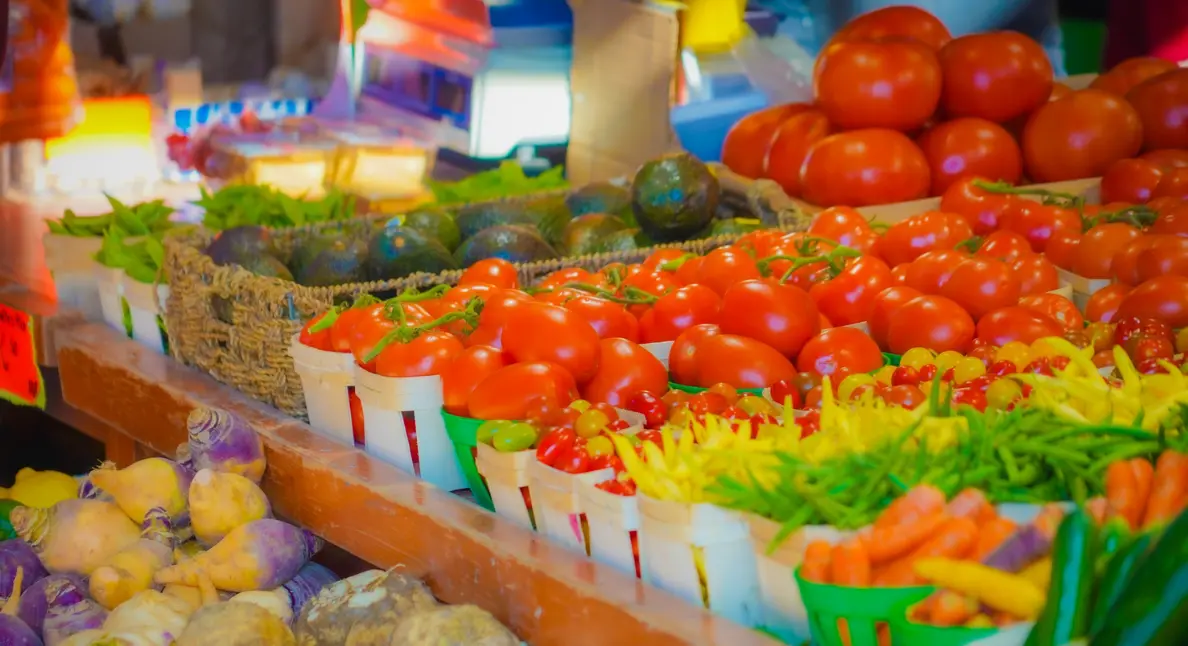
There’s a cultural dimension. Local foods often reflect the heritage and traditions of your area. By stocking region-specific staples, you help keep those food traditions alive. You might introduce friends or family to a locally made jam or sauce with a story behind it, deepening cultural ties. In this way, your pantry becomes not just a storage space but a celebration of local identity. From an economic, social, and artistic perspective, focusing on local staples is a powerful way to support local food producers and enrich your community.
Environmental Benefits of Local Sourcing
Choosing local pantry staples is also beneficial for the planet. When your food travels a shorter distance from farm to pantry, it requires far less transportation fuel and refrigeration time. Consider a simple jar of tomato sauce. If the tomatoes, garlic, and herbs are grown nearby and sold to you directly or through a local market, that jar’s ingredients might have traveled tens of miles instead of thousands. This reduction in “food miles” translates to a smaller carbon footprint. Sourcing food locally drastically cuts down on the greenhouse gas emissions associated with long-distance trucking, shipping, and flying of food.
Another eco-benefit of a sustainable pantry filled with local goods is the reduction of packaging and waste. Small local producers often use minimal and eco-friendly packaging compared to large manufacturers, who might use layers of plastic. When you buy vegetables at the farmers’ market, they likely come without the styrofoam trays and plastic film that supermarket produce often has. You can bring your own reusable bags and containers, engaging in green shopping habits that eliminate single-use waste. Local shopping means you’re more likely to buy just what you need, rather than being forced into supersized packages. This can reduce food waste at home by getting you fresher items in quantities you’ll use. The entire cycle from producer to pantry tends to be leaner and greener.
Local farming itself is often better for the environment. Many small, local farms practice sustainable agriculture because they are stewards of their land and sell directly to their community. By buying from these farms, you encourage those sustainable practices. You’re effectively voting with your wallet for farming that preserves biodiversity and avoids heavy pesticide or fertilizer use. Moreover, supporting local farms helps prevent land from being converted to other uses. If farmers can earn a living by selling staples to local consumers, they’re less likely to sell farmland to developers. In this way, your patronage helps conserve green space and farmland in your area.
A local-food-powered pantry contributes to local sourcing resilience in the face of environmental challenges. As climate change and other disruptions affect large industrial supply chains, having a robust local food network provides a buffer. Communities that can feed themselves with local staples will be more adaptable to environmental changes. And many local farmers grow a variety of crops, which is better for the ecosystem and pollinators. By supporting them, you promote this diversity.
Fresher Taste and Better Nutrition from Local Food
Another fantastic reason to build your pantry around local staples is the superior freshness, flavor, and nutritional value of foods produced nearby. Local ingredients often reach your kitchen much sooner after harvest or production than typical store-bought goods, and that freshness makes a noticeable difference. When your pantry is filled with staple pantry items like locally grown dried beans, grains, or canned tomatoes that were processed at peak freshness, your recipes will shine with richer flavors. Many chefs and home cooks find that the best local foods can turn a simple meal into something truly special, purely because the ingredients taste better.
Cooking with fresh, locally sourced staples can rekindle your love of cooking and eating. The vibrancy of locally grown herbs or the deep flavor of locally roasted spices can inspire you to try new recipes or cuisines. You might find that meals taste more alive when they’re made from ingredients that were in the ground or oven just a few days ago. This enjoyment can encourage you to cook at home more often, which is usually healthier and more economical than eating out or buying pre-packaged meals. It’s a virtuous circle: support local food producers, get delicious and nutritious ingredients in return, and feel more satisfied with the food you make.
Essential Pantry Staples to Source Locally
When transitioning to a community-supported pantry, start by focusing on the basic pantry essentials that you use most frequently. By identifying these key items, you can then seek out local sources for each. It often helps to write out a pantry staples list of everything you consider essential in your kitchen. Below, we’ll go through some major categories of pantry staples and how to find local versions of each:
- Grains and Flours: Items like flour, cornmeal, rice, oats, and other grains are fundamental pantry essentials in most kitchens. Check if there’s a local mill or farm cooperative that sells whole grains or freshly milled flour. Many regions have seen a resurgence of local grain-growing and milling. For example, you might find locally grown wheat or heritage corn at a farmers’ market, which can be milled into flour or meal. Using local baking staples like flour not only supports those mills but often gives you a more flavorful product. Other grain products, such as pasta, bread, or baking mixes, might also be available from local bakeries or producers. These can be stored for short-term use or frozen for longer storage.
- Legumes: Dried beans and lentils are classic staple pantry items thanks to their nutrition and long shelf life. Many small farms grow beans or heirloom varieties of legumes that you won’t find in a supermarket. Buying a bag of locally grown black beans or chickpeas not only gives you a fresher product but also supports local agriculture. Keep jars of these local legumes in your pantry for soups, stews, chilis, and more. They are inexpensive sources of protein and can often be bought in bulk with minimal packaging.
- Herbs, Spices, and Seasonings: While not every spice can be locally sourced, you might be surprised at what seasoning products could be local. Farmers in many areas grow herbs like basil, oregano, thyme, and rosemary. These can be bought fresh and dried at home, or sometimes purchased as dried herbs from local vendors. Blended seasonings and spice mixes are also commonly made by local artisans. For example, a local vendor might create custom dry rubs, curry powders, or herb blends using whatever ingredients they can get regionally. Pantry essentials in this category include things like garlic powder, chili flakes, or dried herb mixes, which you can often find from farmers’ market stalls or local spice shops. Even salt can be local if you live near a sea salt harvesting operation or an artisanal salt maker. If not, you can still buy specialty salts from small businesses rather than big brands to support artisans.
- Oils and Fats: Cooking oil is a must-have in any pantry. Depending on where you live, you might source certain oils locally. Some regions produce olive oil, while others may produce sunflower, walnut, or pumpkin seed oil. The flavor of artisan oils or butter from grass-fed cows can be noticeably superior. Store oils in a cool, dark pantry spot to prolong their shelf life.
- Sweeteners and Baking Ingredients: Don’t overlook sweet pantry staples when going local. Honey is a top contender. Local honey is available in most areas, and it’s an ideal replacement for processed sugar in many recipes. It has the bonus of potentially helping with seasonal allergies, and it requires far less processing than white sugar. Other natural sweeteners, like maple syrup, might be local to your region. Even cane sugar might be regional if you’re in a cane-growing state. Check if any smaller farms or refineries near you sell sugar. Beyond sweeteners, consider baking staples like baking powder, baking soda, and yeast. These are typically manufactured, not farmed, so you can’t get “local baking soda,” but you can still purchase from small independent brands if available.
- Canned & Preserved Goods: A truly robust pantry contains some canned or jarred foods, and these, too, can be sourced locally or preserved at home using local produce. Look for locally made jams, jellies, pickles, salsas, and sauces. These products are often sold by small businesses at farm stands or shops. These are fantastic basic pantry staples to have on hand for quick meals. If you can’t find a particular item pre-made, you can also buy the raw local produce in season and preserve it yourself.
- Specialty Items and Other Staples: Consider other items you use regularly: tea or coffee, snack foods, vinegar, and condiments. Each region will have its specialties. Don’t hesitate to expand your definition of “pantry staple” based on what your region offers. Part of the fun is discovering unique local foods that can become household favorites.
By focusing on these categories, you’ll gradually fill your pantry with locally sourced equivalents of all the pantry essentials you need. This might not happen overnight, and that’s okay. You can start by swapping in one local item at a time.
Where to Find Local Pantry Staples
You might be asking where to buy local staples for your pantry. There are more places than ever to find locally produced foods, thanks to the growing interest in farm-to-table living. Here are some of the top sources and tips for sourcing your pantry essentials close to home:
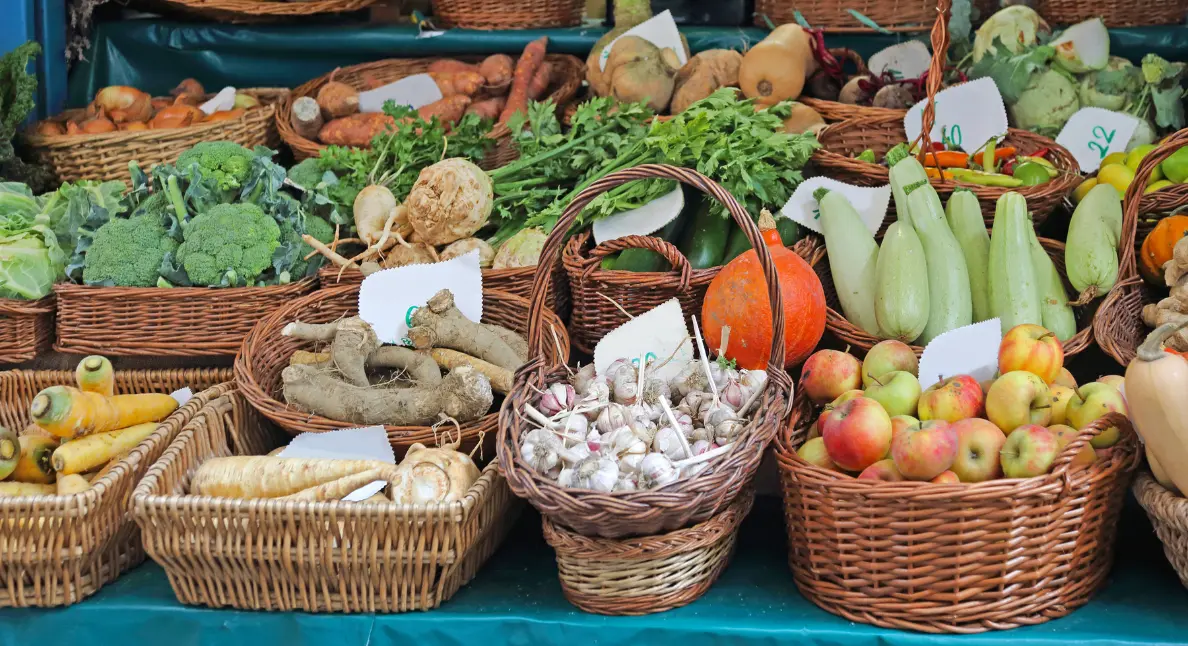
- Farmers’ Markets: These are a go-to resource for anything local. Farmers’ markets typically happen weekly and gather many producers in one place. You can stroll through and pick up vegetables, fruits, eggs, meats, dairy, baked goods, and more. For pantry stocking, look for vendors selling items like dried beans, flours, honey, oils, or canned goods in addition to fresh produce. Don’t hesitate to ask farmers if they offer bulk purchases for staples. Some might be willing to sell you a 10-pound bag of potatoes or a case of tomatoes for canning. Farmers’ markets have proliferated in recent years, making local shopping easier. For example, in the U.S., the number of farmers’ markets jumped from under 2,000 in the mid-1990s to over 8,700 by 2019. This means you’re likely to have a market within reach, and many cities even have multiple markets for different neighborhoods or days of the week. Visiting the market regularly will clue you in on what’s in season and which vendors carry which staples.
- On-Farm Stands and U-Pick Farms: Many farms have their own retail stands right on the farm property or at least a self-serve kiosk. These farm stands are wonderful for getting ultra-fresh items and often good deals on bulk produce. Keep an eye out for signs advertising seasonal farm sales or check community social media pages for announcements from local farms.
- Food Co-ops and Local Groceries: Food cooperatives (co-ops) and independent local grocery stores often prioritize stocking regional products. If you have a food co-op in your area, consider becoming a member. Co-ops typically carry bulk bins of grains, nuts, and spices, and they highlight local dairy, bread, and other goods. Even if a co-op is a bit of a drive, a monthly stock-up trip for pantry items can be worth it. Small local grocers or health food stores can also be treasure troves of local staples.
- Community Supported Agriculture (CSA) and Buying Clubs: Joining a CSA is like getting a subscription to a farm’s produce. Typically, you pay at the start of a season and then receive a weekly box of whatever is ripe. While CSA boxes are usually produce-focused, some farms include or offer add-ons like grains, eggs, dairy, or even pantry goods. CSA memberships guarantee you a share of the harvest, which can be a great way to ensure you have a steady flow of seasonal ingredients to cook with or preserve.
- Direct from Farms (Online or Farm Stores): In the digital age, some local farms and producers take orders online for pickup or delivery. You might find a local grain farm that sells products through their website or a local apiary where you can order honey in bulk online and then pick it up. There are also growing numbers of multi-farm online marketplaces, sort of like virtual farmers’ markets, that aggregate products from many local sources. These platforms allow you to shop from home but still buy local. You place an order for various items and then either get a delivery or pick up a box containing all your chosen local goods. LocalCart is one example of a service that partners with farms and artisans in some areas, allowing you to browse local pantry staples and have them delivered to your door. Embracing such platforms can be especially useful if you have limited time to visit physical markets or want year-round access to local products. Just be sure to plan your pantry needs and perhaps buy in larger quantities to reduce packaging and trips.
Be patient and flexible. Part of embracing local pantry shopping is accepting what’s available versus expecting every possible item. You might not find a local version of every single thing you use, and that’s okay. Get the ones you can, and for those you can’t, perhaps choose the next best thing. The goal isn’t to be 100% local in your pantry if that’s impractical. It’s to make meaningful shifts toward local sourcing. Every jar of local jam or bag of local flour is a win for your community.
Tips for Maintaining a Sustainable Local Pantry
Once you’ve begun stocking local staples, a few habits can help you maintain your sustainable pantry in the long term. First, always practice rotation and check your stock. Just as with any pantry, you want to use the oldest items first so nothing expires or goes to waste. This is especially important if you’ve bought items in bulk or preserved food yourself. Label jars or containers with the purchase or canning date. Keeping an inventory list can be helpful, so you don’t accidentally buy a third bag of local rice when you already have two tucked away. Using what you have efficiently ensures your efforts don’t go to waste.
When friends see your pantry full of local goodies, they’ll be curious. This is an opportunity to encourage others to try green shopping and local sourcing. You could invite friends for a dinner cooked entirely with local ingredients from your pantry, showing how delicious and feasible it is. Or bring a locally sourced dish to a potluck and talk about where the ingredients came from. By spreading the word, you help strengthen the local food economy even further. The more people who demand local staples, the more local producers will thrive and expand their offerings.
Transforming your pantry into a trove of local staples is a journey worth taking. It may require a bit more thought and effort than running to the nearest big-box store, but the rewards are manifold. You end up with basic pantry staples that are fresher and often more flavorful than their mass-produced counterparts. You gain the satisfaction of self-reliance and knowledge. Knowing exactly where your food comes from and that it was produced in ways you support. Perhaps most importantly, you become an active participant in nurturing your local economy and environment. The simple act of choosing a locally milled grain or a locally canned sauce means you’re helping a neighbor make a living and keeping food traditions alive.
Sources
- Small Business Trends – “Fun Facts for National Farmers’ Market Week” smallbiztrends.com
- New Leaf Foods – “Supporting Local Food and Farmers’ Markets” newleaffoods.org
- Caitlin John – “Farm-to-Table: The Benefits and Joys of Using Locally Sourced Ingredients” caitlinjohn.com
- USDA Economic Research Service – “Growth in the number of U.S. farmers markets slows in recent years” ers.usda.gov
About Us
Local Cart is an easy and convenient platform where local food and beverage entrepreneurs can meet and serve their customers in this new Covid-19 world. We help them more quickly pivot their business from the traditional dine-in or walk-in to a pick-up and/or delivery model. We preserve communities by keeping alive the mom & pop shops they have come to love and depend on for their sense of place.
