Cart is empty
12/01/2025
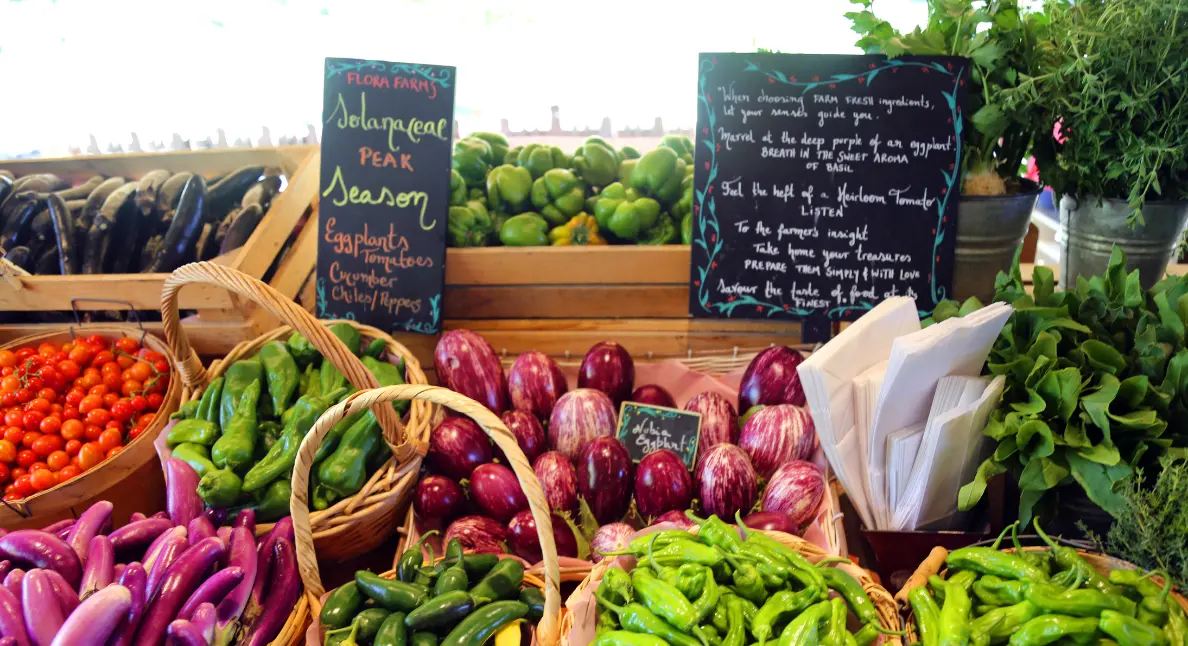
Local farmers' markets are a cornerstone of community food culture, offering a vibrant experience of fresh, seasonal foods and personal connections with growers. These markets have surged in popularity over the past few decades. Today, there are over 8,700 farmers' markets across the U.S., where some 40,000 farmers sell directly to consumers. Why do so many people flock to farmers' markets each week? This guide will explore the benefits of buying from farmers at local markets, explain what seasonal produce really means, and provide tips to help you make the most of your farmers' market shopping trips.
Why Shop at Local Farmers' Markets?
It’s an experience that supports your health, your community, and the environment. When you shop at a farmers' market, you’re engaging in local food shopping that benefits everyone involved. Here are some key advantages of choosing the market over a typical supermarket:
- Unbeatable Freshness and Flavor: Produce is often harvested just hours before the market opens. This means you can shop for seasonal vegetables at peak ripeness, bursting with flavor and nutrients. Unlike grocery store produce that may travel thousands of miles, farmers' market goods are fresh food in the truest sense. Many shoppers find that tomatoes, berries, or sweet corn from a local market simply taste better because they’re sold at their prime.
- Health and Nutrition: With fresher, just-picked produce comes higher nutritional value. People who frequent farmers' markets often report eating more fruits and veggies overall. The majority of market-goers said they ate healthier because of farmers' markets. When you have a basket full of colorful, farm-fresh items, you’re more inclined to cook at home and incorporate those wholesome ingredients into your meals. Markets also introduce you to new produce varieties, which can diversify and improve your diet.
- Supporting Local Farmers and Economy: By buying from farmers in person, you help small family farms stay in business and preserve local farmland. This, in turn, keeps money circulating in your community. Farmers' markets also act as business incubators for small-scale producers. You might be supporting a young farmer’s startup or a local beekeeper’s honey business. The community impact is significant. Local markets create jobs and maintain the agricultural traditions of the area.
- Community Connection and Fun: Markets serve as lively gathering places where neighbors catch up, kids sample fresh peaches, and you can chat with the farmer who grew your food. Many markets feature live music, food trucks, or cooking demonstrations, turning grocery shopping into a fun weekend outing. This atmosphere of connection and learning makes farmers' market visits something to look forward to.
- Environmentally Friendly: Local markets promote sustainable eating. The produce hasn’t traveled far, which reduces transport-related carbon emissions and usually involves minimal packaging.
Choosing the farmers' market means fresher and often more organic fruits and vegetables, a healthier diet, a boost to local farmers, and a pleasant community outing. Now, let’s talk about one of the defining features of farmers' markets: seasonal produce.
Understanding Seasonal Produce and Why It Matters
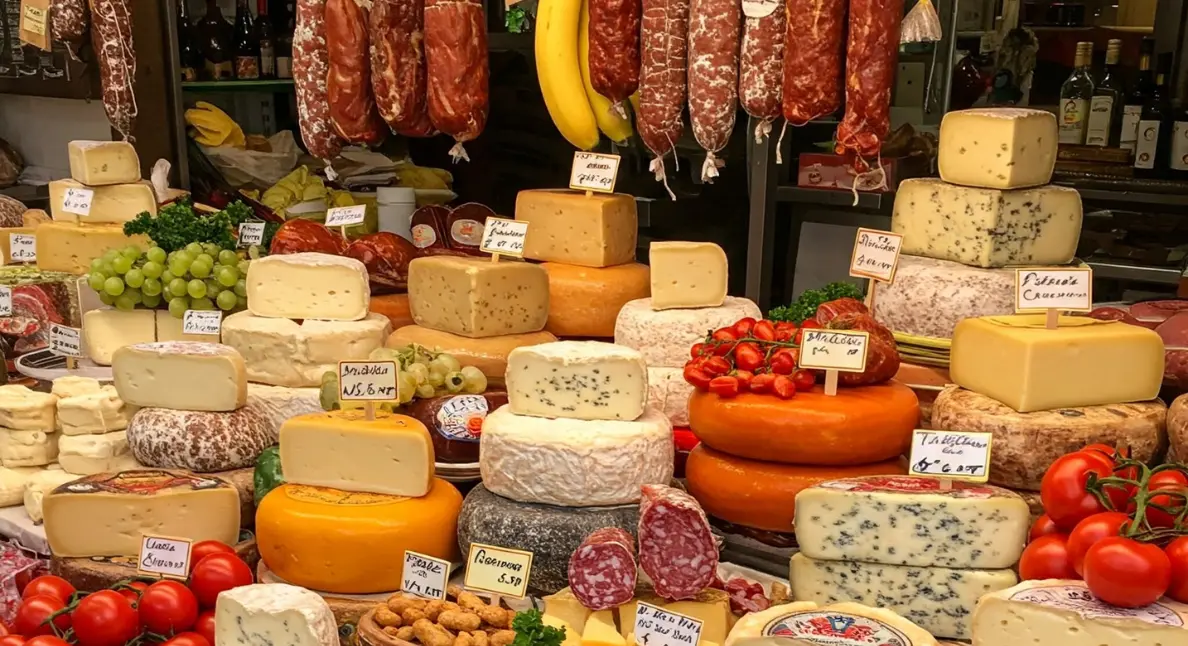
One phrase you’ll hear often at markets is “eat with the seasons.” But what exactly is seasonal produce? It’s the fruits and vegetables that are naturally harvested at the peak of their season in your region. Every crop has a window of time each year when it grows best and develops optimal flavor. For example, tomatoes love the warmth of summer, while squash and apples thrive in the fall. Modern supermarkets stock just about everything year-round, but those out-of-season strawberries in December are often imported or grown in artificial conditions, and they don’t hold a candle to ripe June berries from a local farm.
How to Find the Best Farmers' Markets Near You
Ready to explore a market for yourself? Whether you’ve moved to a new area or just want to expand your market-hopping, here are some tips on locating the best farmers' markets and ensuring you’ll find fresh produce that meets your needs:
- Use Online Directories: A quick way to discover markets in your region is by using online tools. The U.S. Department of Agriculture maintains a National Farmers Market Directory where you can search for markets by zip code, day of the week, and more. A simple web search will usually surface the major ones. These directories can help you identify which markets operate on which days, so you can plan your visits.
- Check Community Resources: Often, local community bulletin boards, Facebook groups, or neighborhood newsletters will have information on nearby markets. Many cities and towns host weekly markets at parks, church parking lots, or main street areas. So keep an eye out for signs around town, especially as spring and summer roll in. Don’t hesitate to ask your neighbors or coworkers, too. People who love farmers' markets are usually enthusiastic about recommending their favorites and might have insider tips on the best vendors or the best times to go.
- Time and Location Convenience: “Best” is subjective. The ideal market for you is one you can actually attend regularly. Consider the location, day, and time that fits your schedule. Some markets run on Saturday mornings, while others might be on a weekday afternoon or evening. If you’re not an early riser, a weekday evening market might be perfect. If you have a free Saturday, the classic morning market could be a great weekend ritual. It’s also worth considering parking and accessibility. A fantastic market across town might be less practical than a good market nearby that you can walk or drive to easily.
- Size and Product Selection: Markets can vary from a handful of vendors to hundreds. A larger market will have more variety. A smaller market might offer a more intimate experience and more time to chat with farmers, albeit with fewer choices. Think about what you’re looking for. Do you want a one-stop shop for all your groceries? Then, a bigger market or a farmers' market that’s been established for a while might be best. If you’re mainly after produce and a community vibe, a small neighborhood market could suffice.
- Look for Producer-Only Markets: Some markets are “producer-only,” meaning the vendors must be the ones who grew or made the products they’re selling. These markets tend to ensure everything is genuinely local. If buying direct from farmers is your goal, a producer-only market is ideal. Market websites or brochures usually mention whether they have this rule. If not, you can often tell by chatting with the vendors. Genuine farmers will gladly tell you about their farm. In any case, pay attention to vendor booths: if you notice stickers on produce or items that are out of season for your area, that could be a sign the vendor is reselling rather than growing.
- Consider Special Features: Each market has its unique character. Some emphasize organic produce, turning them into de facto organic food markets for the community. Others might have a focus on prepared foods and food trucks, making them great for grabbing lunch. There are markets with live music and artisans, and others that are all about serious produce shopping. Some communities even have an organic farmers' market day where all farmers are certified organic or follow strict growing practices. Decide what features matter to you and seek out a market that aligns with those priorities. You can usually find this kind of info on the market’s website or social media, or by asking regulars.
Once you find a market you love, become a regular! Farmers will start to recognize you, which can lead to great relationships. You might get the occasional perk, like your favorite farmer setting aside a ripe melon for you. Being a loyal customer can also give you access to insider knowledge. The community feels truly blossoming when you visit consistently.
Farmers Market Shopping Tips for Success
Stepping into a bustling market can be a bit overwhelming at first. The sights, sounds, and options are abundant. But with a little preparation and savvy, you’ll shop like a pro. Here are some essential tips to make your farmers' market shopping experience enjoyable and fruitful:
- Go Early (for Best Selection): If you’re after the cream of the crop, plan to arrive early. Markets tend to be freshest in the morning, and popular items can sell out fast. For example, the choicest berries, the ripest peaches, or that pasture-raised eggs vendor might be picked clean by mid-morning. For the best selection, you should get to the farmers' market early. The most sought-after goods often go first. Early hours are also typically less crowded, giving you space to browse at your own pace.
- Go Late (for Deals): Some farmers prefer to discount produce in the last hour instead of packing it back up. You might score a great deal on a basket of tomatoes or “buy one get one” on baked goods when it’s near closing time. Of course, by going late, you risk missing out on certain items, so this strategy is best if you’re flexible about what you’ll buy.
- Bring Your Own Bags and Cash: Markets are going green, so bringing reusable shopping bags is always a good move. You’ll be more comfortable carrying your haul, and you'll cut down on plastic waste. Carry some cash, especially small bills. While more vendors now accept credit/debit or mobile payments, many still operate as cash-only. Having small denominations ($1s, $5s) makes transactions smoother. Your farmer will appreciate not having to break a $50 bill for $3 of carrots. Some markets have an ATM on site, but it’s easier to come prepared.
- Do a Lap First: When you arrive, resist the urge to buy from the first stand you see. It’s wise to stroll through the entire market once to see who’s selling what and at what prices. That way, you can compare quality and deals.
- Talk to the Farmers: Don’t be shy. One of the best parts of farmers' markets is the direct interaction with growers and artisans. If you see a vegetable you don’t recognize or wonder how something was grown, just ask! Vendors are usually proud of their products and love to share information. Ask the farmer how to tell if a melon is ripe, or how they recommend cooking that unusual variety of squash. Most farmers will gladly explain their growing practices if you’re curious about organic or pesticide use. Building a rapport not only enriches your knowledge, but sometimes farmers might offer you a sample or a tip on when something great will be available. These conversations can lead to discovering unique local finds you never knew existed.
By following these farmers' market tips, you’ll maximize both the quality of your haul and the joy of the outing. You’ll soon develop your own rhythms and favorite habits, whether it’s hitting your top three stands in order or always rewarding yourself with the bakery’s scones after finishing your veggie shopping.
Beyond Produce: Unique Local Finds at the Market
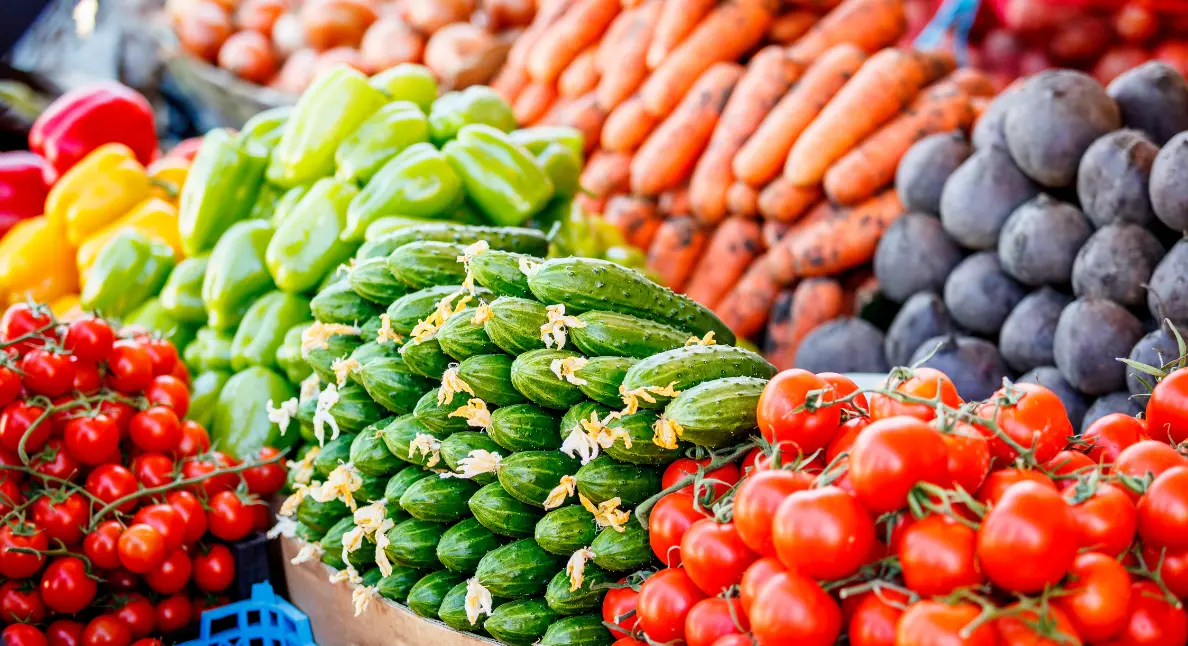
Many markets feature stands with fresh-baked breads, pastries, and desserts made by local bakers. You might find crusty sourdough loaves, flaky croissants, or seasonal pies. There are often small-batch jams, jellies, and preserves using local fruit. Keep an eye out for locally roasted coffee, handmade chocolates, or specialty sauces and pickles. These items make great gifts or indulgences for yourself, and you can usually sample them before buying.
It’s common to find farm-fresh eggs at a market, with golden yolks from free-roaming hens. Local dairies may sell artisan cheeses, from cheddars and chèvres to fresh mozzarella, often made from the milk of cows or goats just a county or two away. If you’re lucky, there might be a vendor selling farm-fresh milk, or even unique products like goat’s milk soap. For those who enjoy yogurt, cream, or butter, some creameries bring those too. The flavors can be richer and more complex than mass-produced dairy.
Bringing the Farmers Market to You: Online Options and Delivery
Despite all the appeal of in-person markets, sometimes it’s tough to make it there regularly. Busy schedules, limited transportation, or off-season closures can be obstacles. You can even get fresh meals delivered to your door that feature farmers' market ingredients. Here are a few ways to bring the market experience home:
- Community Supported Agriculture (CSA) Boxes: Many farms and local co-ops offer CSA programs, where customers subscribe to receive weekly or biweekly boxes of seasonal produce. It’s like getting a surprise package of whatever is ripe and ready on the farm. CSA boxes often can be delivered to your home or a central pickup point. This is a fantastic option if you want to support a specific farm and get ultra-fresh produce without having to shop. Some CSAs even include recipes for the more unusual veggies in your box. While you don’t hand-pick the items like at a market, you get the benefit of super-fresh food, and you’ll learn to cook with the seasons. Over the course of a season, you might receive everything from berries to greens to root vegetables, directly reflecting the farm’s harvest.
- Online Farmers Markets: In the digital age, online platforms are springing up to connect farmers with consumers. These operate sort of like an e-commerce organic online market for local goods. For example, LocalCart is one such platform that lets you browse products from various local farms and artisan producers, add them to a virtual cart, and have them delivered to you. It’s essentially a farmers' market at your fingertips. You can typically filter by product category, see which farm each item comes from, and place an order for delivery or pickup. This model gained popularity, especially during times when in-person markets were closed or restricted. By using an online market, you support the same small producers and get local quality, but with the convenience of shopping from home.
- Farm-to-Door Services and Meal Kits: Building on the CSA idea, some areas offer services that deliver curated farm-fresh groceries or ready-to-cook meal kits featuring local ingredients. Imagine a service that drops off a bundle of seasonal produce along with a recipe for, say, a summer ratatouille or a hearty fall stew. These are like meal kit subscriptions but with an emphasis on local farms. Similarly, some farmers' market collectives organize their own delivery service.
- Year-Round Indoor Markets and Stores: Some communities have permanent indoor farmers' markets or cooperative grocery stores that operate daily. These aren’t deliveries, but they provide flexibility if you can’t make the Saturday morning market. For instance, an indoor public market might host farmers and vendors every day or most days of the week. Food co-ops often stock local farm products and may function much like an organic grocery store focused on local foods. While not as bustling as a weekend market, these places keep you connected to local producers year-round and on your own schedule.
- Ordering Direct from Farms: Let’s not forget, many farms take orders directly. Whether via their website, Instagram, or a quick phone call, some farmers will sell you produce or meat for pickup at the farm or delivery. If you have a favorite vendor at the market, ask if they offer any direct ordering or off-day sales. You might be able to get bulk goods by arranging it directly with the farm. This can be a win-win: you get volume at a good price, and the farmer makes a sale outside of market day.
Services like LocalCart make it possible to eat locally even if life is hectic or if mobility is an issue. The key is to find what combination of in-person and at-home works for you. Some folks love the ritual of waking up early and strolling the market aisles, while others are thrilled to unpack a CSA box on their kitchen counter and skip the crowds.
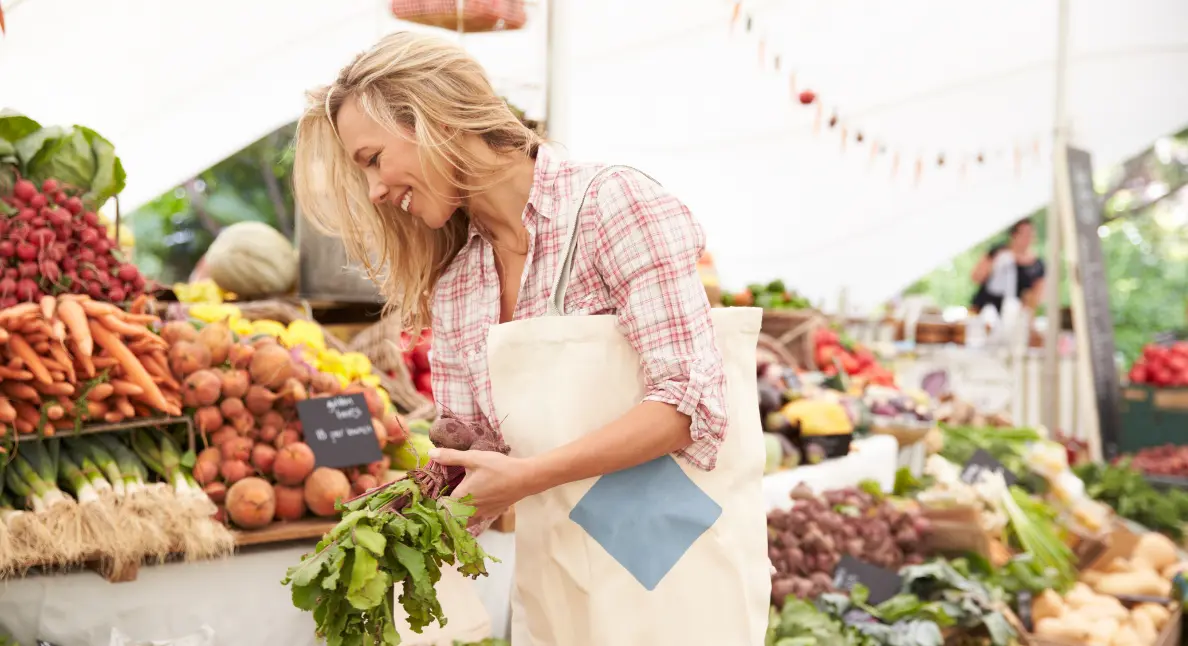
In a world where food is often anonymous and shipped from far away, farmers' markets offer a refreshing personal touch. You can taste before you buy, learn the story behind your food, and feel the satisfaction of supporting local agriculture. Every season will bring something new to relish, from the first greens of spring to the hearty stews of winter roots. So go ahead. Explore the markets near you, chat with the farmers, and enjoy the adventure of eating with the seasons.
Sources
- Farmers market impact and statistics – JAFSCD (2025) waukesha.extension.wisc.edu
- Chefs for Seniors – The Benefits of Eating Seasonal Produce chefsforseniors.com
- The Spruce Eats – 10 Farmers Market Shopping Tips thespruceeats.com
- Farmers Market Coalition – Farmers Market Facts & Figures 2022 farmersmarketcoalition.org
- American Heart Association News – Why seasonal eating can be a healthy delight heart.org
About Us
Local Cart is an easy and convenient platform where local food and beverage entrepreneurs can meet and serve their customers in this new Covid-19 world. We help them more quickly pivot their business from the traditional dine-in or walk-in to a pick-up and/or delivery model. We preserve communities by keeping alive the mom & pop shops they have come to love and depend on for their sense of place.
