Cart is empty

12/11/2025
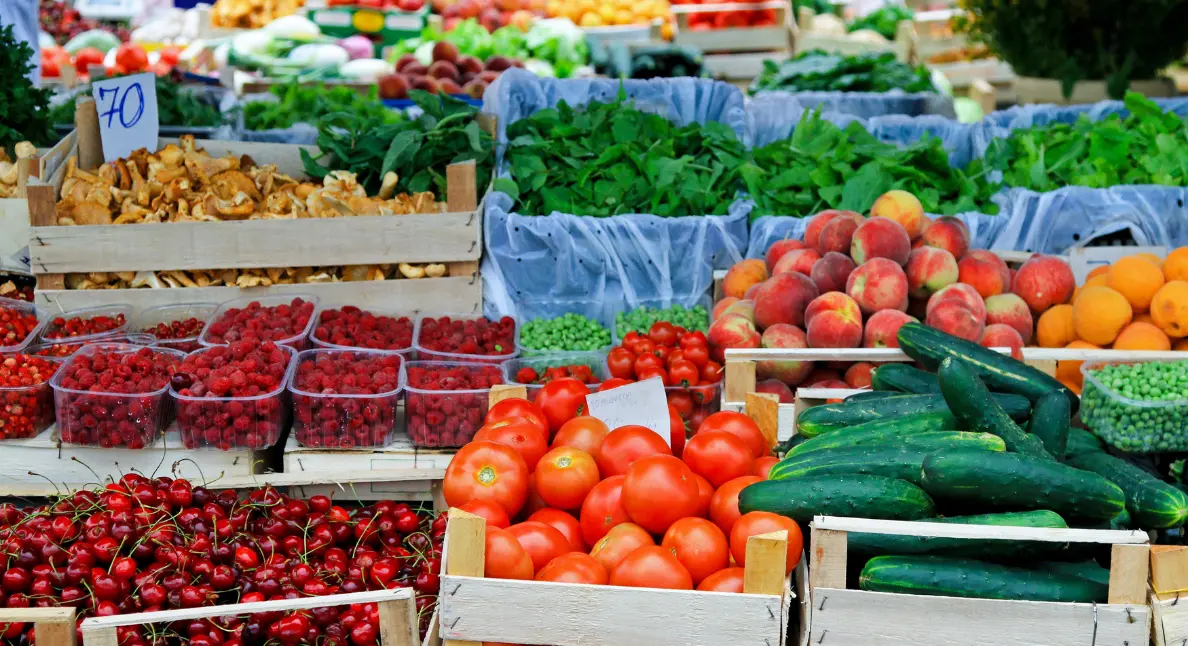
We often hear the call to eat local, but what does it really mean, and why does it matter? Eating local refers to consuming food grown and produced in your own community or region. From the neighborhood produce market to farm-to-table restaurants, the emphasis on locally grown food is growing nationwide. Choosing local food isn’t just a trend. It’s a powerful way to invest in your health, your environment, and your community. During recent events like the pandemic, many people discovered that local farmers and markets could be vital lifelines when global supply chains faltered. By choosing local food, you’re not only getting fresher ingredients on your plate. You’re also helping to build a stronger, more resilient community with every meal.
Why Eat Local? Understanding Local Food Benefits
Consider these local food benefits for individuals and communities:
- Freshness and Flavor: Local produce is often harvested at peak ripeness, so it reaches you with maximum flavor and nutrition.
- Seasonal Variety: Eating local means enjoying foods in season. You’ll experience a greater variety of fruits and vegetables throughout the year, often including unique heirloom varieties.
- Environmental Sustainability: Fewer “food miles” mean less fuel burned and a smaller carbon footprint, plus farmland is preserved from urban sprawl.
- Economic Impact: Money spent on local food stays within the community, supporting farmers and creating jobs in the local food economy.
- Community Connection: Local food networks bring people together, strengthening social bonds and food security close to home.
Buying local leads to fresher produce and a greener planet. It also builds a stronger local economy and fosters community connections, as we’ll explore in detail below.
Fresher Food and Richer Flavor
One of the most immediate rewards of eating local is better-tasting food. Fruits and vegetables grown close to home can be allowed to ripen naturally on the plant and arrive in your kitchen at peak freshness. In contrast, produce shipped long distances is often harvested early and chilled for transport, sacrificing flavor and texture. Local growers can offer varieties chosen for taste rather than for long-haul durability. Because local food travels a shorter distance from farm to fork, it also retains more nutrients that would otherwise degrade over time. The result is meals made with ingredients that are bursting with flavor and higher in vitamins, providing more nourishment for you and your family. Moreover, eating with the seasons means you get to enjoy produce at its natural best and develop a deeper appreciation for each season’s unique offerings.
Environmental Sustainability: Fewer Miles from Farm to Fork
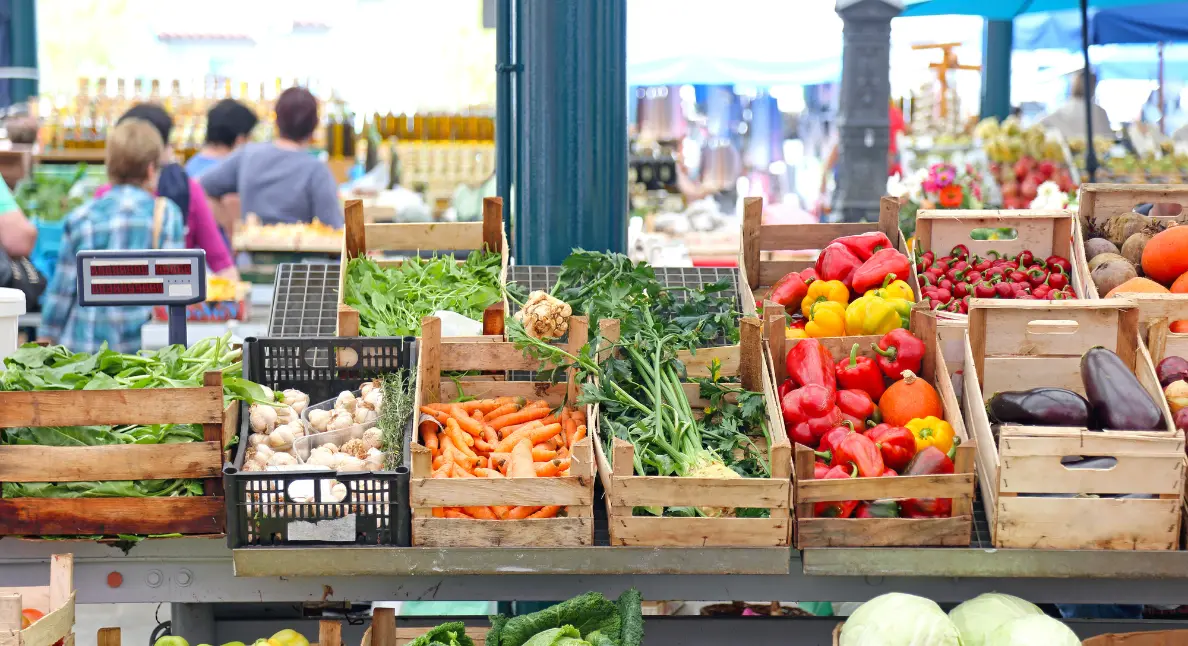
When it comes to food sustainability, choosing local can significantly shrink the carbon footprint of your meals. The shorter the distance food travels, the fewer fossil fuels are burned in transportation and refrigeration. While transportation is only one part of food’s environmental impact, local food systems also encourage sustainable farming practices and help preserve green space. Farmland near cities is often under pressure from development. Supporting local farms gives them an economic reason to keep growing food instead of selling land to developers, which in turn conserves open space and wildlife habitats.
Researchers found that producing vegetables within a region can cut greenhouse gas emissions by more than half compared to conventional long-distance supply chains and use only a tenth of the water. Fewer “food miles” and less resource-intensive production mean that local eating can lower pollution and save water. Additionally, well-managed small farms tend to maintain healthier soils and greater crop diversity, further benefiting the environment. By supporting local growers, you’re investing in a food system that works in harmony with the land, reducing waste and ensuring that fertile farmland remains a part of your community for generations to come.
Supporting the Local Economy with Every Bite
Another powerful advantage of eating local is the boost it gives to your community’s economy. When you purchase food from area farmers, farmers’ markets, or nearby producers, more of that money stays circulating locally. Paying local workers, supporting farm families, and stimulating other businesses. This localized spending creates a “multiplier effect,” meaning each dollar generates additional economic activity close to home. Local food initiatives create substantially more jobs than equivalent sales in the industrial food system. This higher job creation is partly because local producers buy supplies and services from other local businesses, further fueling the community’s economy. Small and mid-sized farms that sell locally also tend to have more stable incomes and better viability, helping to keep family farms in business. In addition, a thriving local food economy attracts related enterprises, all contributing to a more self-reliant and prosperous region.
Building Community Through Food Networks
Local food systems create value far beyond the groceries people bring home. They shape how neighbors interact, how families learn about food, and how communities respond to shared challenges. When food is exchanged face-to-face, it becomes a tool for education and connection.
- Markets as Social Anchors: Local farmers' markets function as gathering points where commerce and community intersect. Shoppers are not anonymous customers but familiar faces, often returning weekly to the same vendors. These interactions foster casual conversations, shared recommendations, and a sense of belonging. Children observe food being sold directly by those who grow it, which humanizes agriculture. These repeated encounters turn markets into reliable social anchors that reinforce neighborhood identity and strengthen everyday social bonds.
- Trust Between Producers and Consumers: Direct food networks allow consumers to form personal relationships with farmers and food producers. Questions about growing practices, sourcing, and seasonality are answered in real time, building transparency that is difficult to achieve through industrial supply chains. This trust encourages more thoughtful purchasing decisions and long-term loyalty. Producers, in turn, gain immediate feedback and appreciation for their work. The result is a mutually reinforcing relationship rooted in accountability and shared investment in food quality.
- Food as an Educational Tool: Community food outlets often serve as informal classrooms where practical knowledge is exchanged. Cooking demonstrations, seasonal recipe cards, and conversations about preparation techniques help households feel more confident using fresh ingredients. This hands-on education explains unfamiliar produce and reduces reliance on processed foods. By learning directly from growers and experienced cooks, families gain skills that support healthier eating habits while reconnecting daily meals to agricultural cycles and local food traditions.
- Public Health and Everyday Access: When fresh, locally produced food is readily available within a community, healthier choices become easier and more routine. Direct farm sales increase access to fruits and vegetables, especially in underserved areas. Research has linked strong local food networks with improved health outcomes, including lower rates of diet-related disease. These benefits emerge not from isolated interventions, but from consistent exposure to nutritious options embedded in everyday community life.
- Resilience During Disruption: Community-based food systems provide stability when broader supply chains are strained. Local farms and fresh produce markets can adapt quickly to changing conditions because they operate on shorter distribution paths. During emergencies or disruptions, these networks help ensure continued access to fresh food. Equally important, they mobilize social support, encouraging neighbors to look out for one another.
By combining social connection, education, health, and resilience, local food networks play a foundational role in community well-being. They transform food from a transactional necessity into a shared resource that supports stronger relationships and more sustainable lifestyles. When communities invest in these systems, they cultivate not only better diets but also deeper trust and collective strength.
Embracing Community Supported Agriculture (CSA)
One popular model that embodies the spirit of local food and community is community-supported agriculture (CSA). In a CSA program, consumers become “members” of a local farm by purchasing a share of the upcoming harvest, usually at the start of the growing season. In return, they receive weekly or biweekly boxes of fresh produce (and sometimes other farm goods, such as eggs, dairy, or meat) throughout the season. This arrangement creates a direct partnership between eaters and growers. In fact, CSAs directly connect consumers and producers to help create a more transparent and mutually beneficial local food system.
For farmers, the upfront funds from CSA memberships provide vital capital to buy seeds, equipment, and other inputs before harvest, reducing the need for loans and helping them plan for the season. They also gain a guaranteed market for their products, making small farms more economically stable. For CSA members, the benefits include receiving ultra-fresh, often organically grown food straight from the farm, typically harvested just a day or two before it reaches their kitchen. Members get to “eat with the seasons,” enjoying ripe tomatoes in summer or hearty greens in fall, and often discover new vegetables and varieties they wouldn’t find in a supermarket.

Many CSAs also nurture a sense of community by inviting members to farm events, volunteer days, or potlucks. Families can actually visit the farm, meet the people growing their food, and even participate in the harvest. The result is a deeper connection to the land and a shared commitment to sustainable agriculture. CSA programs are a win-win. Farmers receive support and fair payment for their hard work, while members secure a steady supply of fresh produce and gain the satisfaction of supporting local agriculture directly.
Farm to Fork: Bringing Local Food to the Table
The influence of the local food movement extends beyond home kitchens and markets. It’s changing how institutions and businesses approach food as well. The farm-to-fork (or farm-to-table) philosophy has been embraced by restaurants, schools, and even hospitals that prioritize sourcing ingredients from nearby farms. Chefs at farm-to-fork restaurants value local suppliers because fresh local ingredients often taste better and allow menus to showcase regional specialties. Diners can enjoy meals made with peak-season produce, artisan cheeses, or grass-fed meats sourced from their area, fostering a cuisine that reflects local terroir and tradition. In many U.S. school districts, farm-to-school programs bring local fruits and vegetables into cafeterias, improving meal quality for students and providing stable outlets for farmers. These institutional efforts demonstrate how local food can scale up to serve entire communities in a sustainable way.
Technology is also expanding the reach of local foods. Not everyone has the time or ability to visit a farmers' market regularly, but that’s where innovative solutions come in. Today, you can find an online farmers market through digital platforms that aggregate products from multiple local farms and artisanal producers. For example, services like LocalCart act as a virtual farmers market, allowing consumers to browse and purchase local produce, meats, and other goods via a convenient online storefront. Such platforms preserve the farm-to-fork values while adding the ease of modern e-commerce. Customers get the same farm-fresh foods delivered to their doorstep, and small producers gain access to a wider customer base without sacrificing their independence. These online community marketplaces often include background stories about the farms and transparent sourcing information, so buyers still know exactly where their food comes from.
Every time you choose local foods, you’re casting a vote for a healthier and more connected community. The simple act of cooking dinner with locally sourced ingredients sets off a chain reaction of positive impacts. You get to enjoy food at the height of freshness and flavor. You help small farmers thrive and keep local dollars circulating in the area. You reduce the environmental toll of long-distance shipping and excessive packaging. And you become part of the story of your food, building relationships with the people who grow it. In a very real sense, we support local food producers by integrating their harvests into our daily lives, and in return, they nourish us, steward the land, and invigorate the local economy. Over time, these reciprocal relationships create communities that are more self-sufficient, resilient, and rich in social capital.
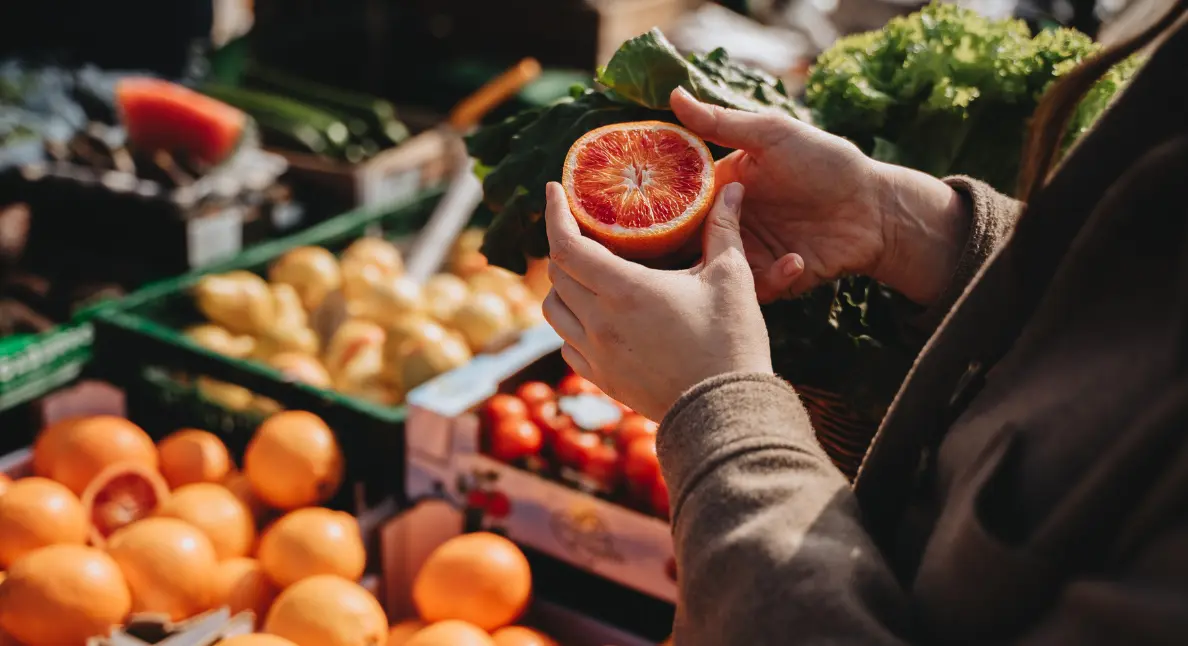
In the United States, the revival of local food traditions is showing that progress can sometimes mean circling back to our roots. By re-establishing the link between farm and family table, we rediscover the value of fresh, honest food and the importance of place in our diets. The next time you plan a meal, consider how you might eat local and support a farmer nearby. Even one item in your basket, like honey from a local apiary or greens from a family farm, makes a difference. These choices add up. Strengthening your community can be as enjoyable as sharing a delicious meal, nd it starts with local foods on your plate.
Sources
- Michigan State University Extension – Seven benefits of local food (2019) canr.msu.edu
- Iowa State University, College of Agriculture and Life Sciences – Research shows significant environmental benefits of local food production (2022) cals.iastate.edu
- Federal Reserve Bank of St. Louis – The Economic Impact of Locally Produced Food (2017) stlouisfed.org
- National Sustainable Agriculture Coalition – Local Farms and Food Act Strengthens Regional Food Economies Across the US (2023) sustainableagriculture.net
- Michigan State University Extension – Benefits of Community Supported Agriculture (2020) canr.msu.edu
About Us
Local Cart is an easy and convenient platform where local food and beverage entrepreneurs can meet and serve their customers in this new Covid-19 world. We help them more quickly pivot their business from the traditional dine-in or walk-in to a pick-up and/or delivery model. We preserve communities by keeping alive the mom & pop shops they have come to love and depend on for their sense of place.
