Cart is empty
11/01/2025
In an era of global supermarkets and overnight shipping, it’s easy to forget where our food comes from. Yet a quiet revolution is happening in communities around the world: the local food movement. More people are choosing to support local farmers and artisans, buying food grown close to home instead of shipped from thousands of miles away. This shift isn’t just a trendy fad. It brings real advantages. From boosting the local economy to getting fresher flavors on your plate, the decision to buy local produce has far-reaching impacts. Let’s explore the many benefits of local food and exactly why your purchase matters so much to your community, your health, and the planet.
What Does It Mean to “Buy Local”?
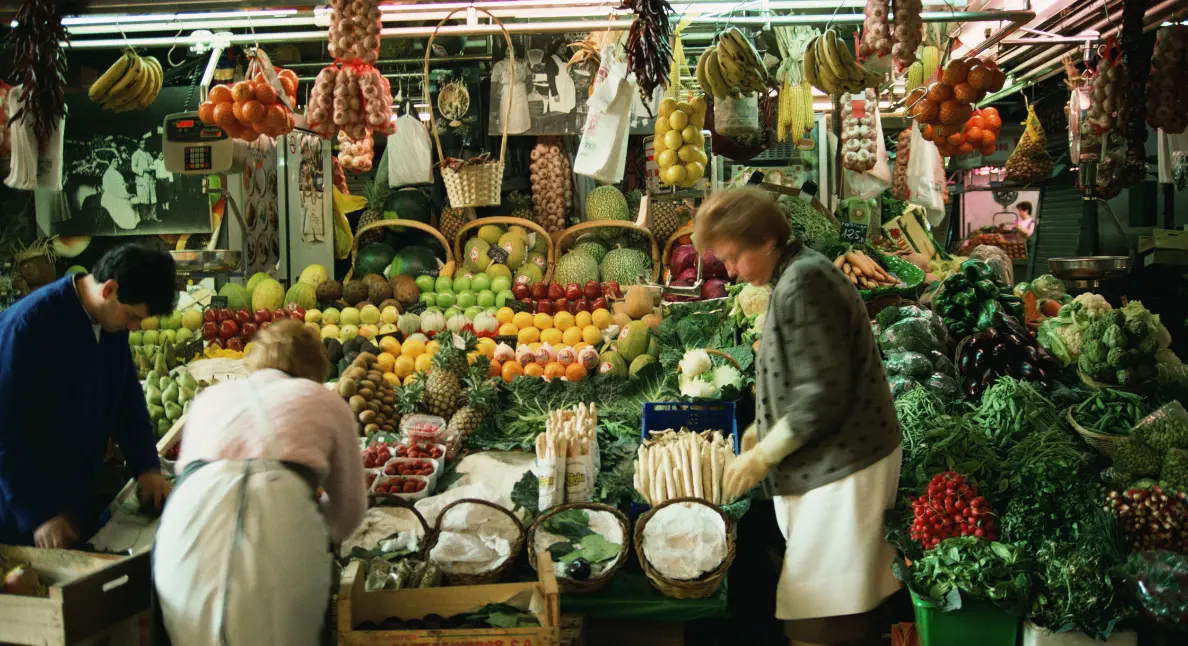
Buying local generally means purchasing food that was produced relatively close to where you live. U.S. federal guidelines say food marketed as “local” should be sold within 400 miles of its origin or within the same state. The idea is to minimize the distance between where food is grown and where it’s consumed. This stands in contrast to the modern global food system, where a typical grocery item might travel fresh fruit and veg over a thousand miles to reach you.
The local food movement has been gaining momentum for good reason. People are drawn to local foods for their freshness and the trust that comes with knowing the producer. Many buy local produce not only because it tastes better, but also because we know our dollars are helping local farms and businesses thrive. There’s also a certain satisfaction in knowing exactly where your apples or tomatoes came from, maybe even the name of the farmer who grew them.
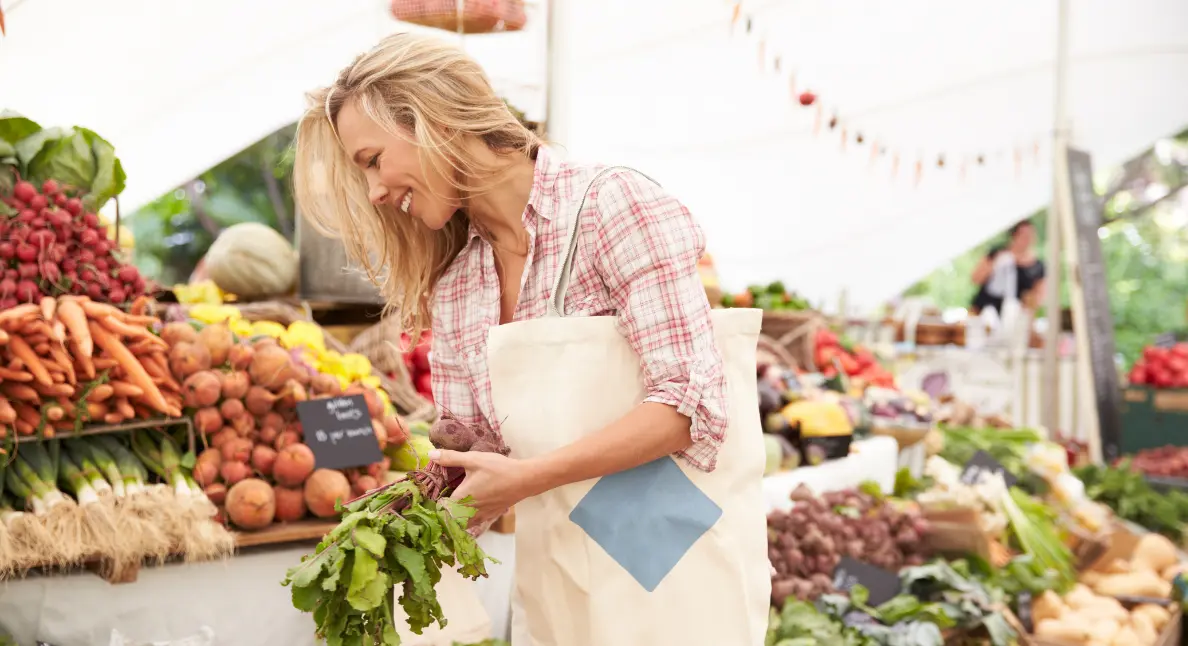
Importantly, “buying local” can take different forms. Some folks shop at weekend farmers’ markets in their town, while others join community-supported agriculture programs to get a weekly box of seasonal produce. Restaurants, schools, and grocery stores may label items from nearby farms, signaling their participation in the local food economy. All these efforts are part of a broader movement to reconnect consumers with local producers. And while local food still makes up a small slice of total food sales, it’s growing fast. The number of farmers’ markets and CSAs has exploded over the past two decades as more people discover the value of eating close to home.
Economic Benefits: Investing in Your Local Food Economy
One of the biggest impacts you make by shopping local is economic. When you buy from a neighborhood farm or a local baker, more of your money stays in the community. Local businesses spend their earnings on local services and pay local taxes, which creates a positive ripple effect. In contrast, dollars spent at a distant corporate chain quickly funnel out of town to far-off headquarters and suppliers.
By shifting some of your food budget to local producers, you’re essentially investing in your hometown’s future. It helps keep family farms in business and can even spur job growth. Farms selling locally create significantly more employment than those that don’t. About 13 full-time jobs are supported per $1 million in local farm revenue, versus only 3 jobs for farms selling into the conventional global supply chain. That’s a remarkable difference, highlighting how supporting local food producers fuels local job creation.
The farmers you buy from are also more likely to spend money at other local businesses, further circulating those dollars nearby. This strengthens the entire local economic web. Over time, thriving local farms and food enterprises contribute to a more resilient local economy, less dependent on the ups and downs of distant markets. In times of wider economic stress, communities with robust local food networks have an easier time bouncing back. We saw this vividly during the COVID-19 pandemic: when national supply chains stumbled, and big-box stores had empty shelves, farmers’ markets, farm stands, and CSA boxes became vital lifelines. Those “niche” local producers turned out to be essential, continuing to feed communities when imports and long-haul distribution were disrupted.
Spending locally is a vote with your dollar. It’s a way of telling the market what you value. Every purchase from a farmers’ market or local butcher sends a clear message that you value what they offer. As more people do the same, demand grows, and new opportunities emerge for small farms and food startups. This can attract younger generations into agriculture and food crafts, knowing there’s support for their efforts. Your choice to buy local strengthens the local food economy, nurtures entrepreneurship, and preserves the character of your community.
Environmental Benefits: Sustainable Food Choices Close to Home
Beyond dollars and cents, buying local is also about making sustainable food choices. Locally produced food generally has a much smaller environmental footprint compared to food shipped across continents. The most apparent factor is transportation. Many foods in a supermarket travel hundreds or thousands of miles by truck, ship, or even air freight to reach the store. All that transportation burns fossil fuels, emitting carbon dioxide and other pollutants. When you buy local, those “food miles” shrink dramatically. Fewer miles traveled means less fuel consumed and fewer greenhouse gases released.
There’s research to back up these green benefits. A recent study comparing local versus industrial vegetable production found that smaller-scale local farms can produce food with significantly lower carbon emissions and resource use. The local vegetable production in the study generated less than half the greenhouse gas emissions and used only about 10% of the water that conventional large-scale systems required. Those are huge reductions in environmental impact.
Quality and Health Benefits: Fresh Farm Produce on Your Plate
One bite of a locally grown strawberry in season, and you understand the appeal of fresh farm produce. Taste and nutrition are where local foods truly shine. Because local fruits and vegetables can be picked at the peak of ripeness and often reach consumers within a day or two, they tend to be fresher and more flavorful than supermarket produce that was harvested early and shipped for weeks. That freshness also means higher nutritional value. Produce starts losing nutrients from the moment it’s picked. The longer it sits in a truck or warehouse, the more vitamins and antioxidants degrade.
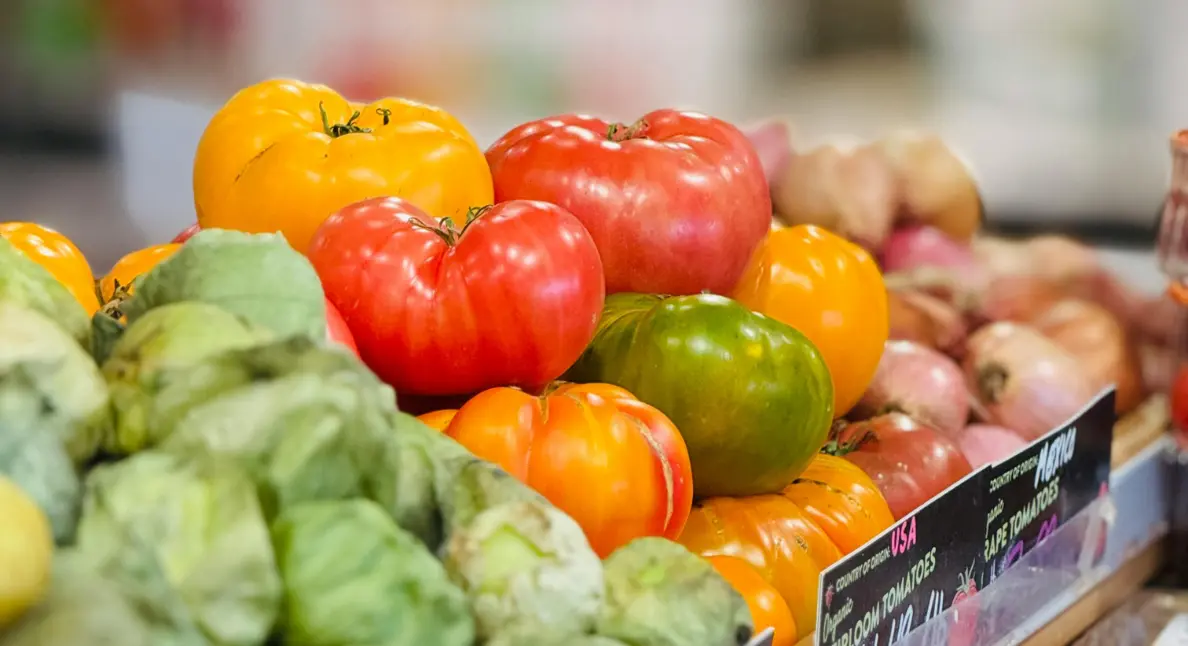
Local produce also typically doesn’t require the kinds of preservatives, waxes, and processing that long-distance foods do. Many crops meant for cross-country travel are picked unripe and then gassed to induce ripening, or they’re bred for tough skins to survive shipping rather than for taste. Local farmers can instead focus on flavor and variety. They often grow heirloom and unique varieties you’ll never see in a supermarket, the kind of tomatoes that bruise easily but taste incredible, or greens that are highly perishable but exceptionally nutritious.
Community Connections: The Social Benefits of Buying Local
When you buy directly from a farmer or chat with a vendor at the market, you form a personal connection that simply doesn’t exist in a supermarket checkout line. These connections are the heart of strong communities. Farmers’ markets and local food events become gathering places where neighbors meet and mingle. They offer a friendly atmosphere buzzing with conversation. You might swap recipe ideas with other shoppers or learn cooking tips from the farmer who grew your carrots. Supporting local producers thus nurtures a social fabric that benefits everyone. There’s a shared sense of community pride and trust that comes from knowing the people who put food on your table.
How to Support Local Food Producers
By now, the benefits of supporting local producers are clear. But how can you actually do it in practice? The good news is that it’s easier than ever to find and enjoy local foods. Here are some practical ways to make local a part of your lifestyle:
- Shop at Farmers’ Markets and Farm Stands: Visiting a farmers’ market is one of the simplest and most enjoyable ways to buy direct from farmers. These markets let you browse a wide variety of seasonal produce, meats, dairy, baked goods, and more. Not only do you get ultra-fresh food, but you can also talk to producers about their farming methods and get cooking tips. Farm stands and pick-your-own farms are another great option, especially during harvest season. A quick online search or a drive in the country can lead you to roadside stands brimming with freshly picked corn, berries, or flowers.
- Join a CSA (Community Supported Agriculture): Consider subscribing to a local farm’s CSA program if one is available in your area. A CSA is essentially a membership to a farm’s harvest. You pay at the start of the season, and then each week (or biweekly), you receive a box full of whatever is ripe that week. It could be a beautiful mix of lettuces, tomatoes, squash, herbs, and more. Many CSA farms offer convenient pickup sites in town, and some even get produce delivered to a community drop point or your doorstep. It’s a win-win that deeply connects you to the source of your food.
- Visit Local Food Co-ops and Independent Grocers: If you don’t have a farmers’ market every week or prefer one-stop shopping, look for cooperative grocery stores or independent markets that prioritize local sourcing. Food co-ops often label products from nearby farms, making it easy to spot local milk, eggs, honey, or veggies. Some regular grocery stores now have a local section as well. By choosing local options on the shelf, you signal to retailers that there’s demand for local goods. Don’t hesitate to ask the store managers for more local products, as consumer interest often prompts stores to stock more from area producers. Keep an eye out for seasonal farm festivals, u-pick farm days, or local food fairs. These events can be a fun way to meet producers and stock up on local specialties.
- Use Online Local Marketplaces and Delivery Services: In the digital age, supporting local farms doesn’t even require leaving your home. A growing number of platforms act as a local food marketplace, letting you browse and purchase products from multiple local farms and artisans in one place. For instance, LocalCart is an online platform that enables you to easily buy local food online. You can shop for everything from produce and dairy to baked goods sourced directly from farmers and small businesses in your region, all through a convenient website or app. Many of these services offer organic produce delivered straight to your door, often within a day or two of harvest. It’s never been simpler to shop for local food: you get the freshness and quality of farm-direct products, and local producers gain a broader reach to customers who might not make it to the market in person.
No matter which route you choose, the key is consistency. Make it a habit to seek out local options when planning your meals. Even swapping one grocery trip a week for a farmers’ market visit, or subscribing to a seasonal CSA, can make a meaningful difference. Explore what’s available in your area. And remember, supporting local isn’t an all-or-nothing proposition. Every bit counts. Over time, you may find you prefer it not just for the feel-good factor, but because of the quality and enjoyment it brings to your table.
Your purchase truly matters. It matters to the farmer who can keep doing what they love. It matters to the environment that benefits from greener practices. It matters to your taste buds and health. And it matters to the community that grows stronger through every local exchange. By choosing to support local food producers, you’re part of something bigger. A movement toward a healthier, more sustainable, and connected way of living. That’s a legacy worth cultivating, one meal at a time.
Sources
- Utah State University Extension – The Local Food Movement: Definitions, Benefits & Resources.
- National Sustainable Agriculture Coalition – Local Farms and Food Act Strengthens Regional Food Economies Across the US.
- Iowa State University – Research shows significant environmental benefits of local food production.
- University of New Hampshire Extension – Health Benefits of Eating Locally.
- University of Missouri Extension – Local and Regional Food System Resilience During COVID-19.
About Us
Local Cart is an easy and convenient platform where local food and beverage entrepreneurs can meet and serve their customers in this new Covid-19 world. We help them more quickly pivot their business from the traditional dine-in or walk-in to a pick-up and/or delivery model. We preserve communities by keeping alive the mom & pop shops they have come to love and depend on for their sense of place.
