Cart is empty


11/26/2025
Many people want to embrace more ethical and green shopping habits, but worry that it's too expensive. If you’ve ever wondered how to shop sustainably without overspending, you’re not alone. The good news is that sustainable shopping doesn’t have to break the bank. With some savvy strategies, you can align your purchases with your values and still keep your finances in check. This beginner’s guide will arm you with sustainable shopping tips to help you save money on a budget while reducing your environmental footprint.
Why Sustainable Shopping Matters
It helps to understand why ethical shopping is worth the effort. Our daily purchases have a huge impact on the planet. The production of everyday goods, from food and clothing to gadgets and furniture, accounts for roughly 45% of global carbon emissions, driving climate change. This means that what we buy directly affects greenhouse gas emissions and environmental health. By choosing sustainable options, you help lower demand for products that are resource-intensive or polluting.
Sustainable shopping is also about supporting better practices. This can mean buying from companies with eco-friendly and ethical standards, or opting for products that are organic, Fair Trade, or cruelty-free. These choices encourage industries to reduce pollution, conserve resources, and treat workers fairly. Additionally, sustainable choices often overlap with healthier choices. For example, organic produce has fewer pesticides, and items with less packaging mean less exposure to plastics or harmful chemicals.
Sustainable shopping benefits your local community. When you spend money on locally made goods or at neighborhood businesses, more of that money stays in the community. Local shops and farms create jobs and reinvest in your area, whereas shopping at large chains or distant online retailers sends most of your dollar elsewhere. Choosing sustainable, local shopping options is a win-win: it’s better for the planet and for the people around you.

Plan Ahead and Shop Mindfully
One of the best ways to save money while shopping sustainably is to plan your purchases and practice mindful consumption. Low-waste shopping and budget-friendly shopping both start before you ever set foot in a store. By taking a little time to strategize, you can avoid impulse buys and focus on what you really need. Here are some simple steps to plan ahead and prioritize your needs:
- Take Inventory: Before shopping, check what you already have at home. Look in your pantry, fridge, and closet. Use up items you’ve forgotten about or get creative with recipes to use leftover ingredients. This prevents buying duplicates and reduces waste.
- Make a List: Whether you’re grocery shopping or buying household goods, write down exactly what you need. Having a list helps you avoid those tempting extras that can blow your budget. It also gives you time to research sustainable alternatives for specific items in advance.
- Set a Budget: Decide how much you can afford to spend on that shopping trip or month. Knowing your limit encourages you to prioritize essentials and look for deals. It’s okay to spend a bit more on a sustainably-made item if you’ve budgeted for it by skipping several cheaper, low-quality items.
- Research and Compare: If you have something in mind to buy, do a little homework. Read reviews to ensure the product is durable and well-made. Compare prices across retailers and look for discounts or coupon codes for eco-friendly brands. Sometimes buying directly from a brand’s website or from a local seller can be cheaper than buying from big-box stores.
- Think Long-Term: A key part of ethical shopping is to buy less, but choose better quality. Whenever possible, invest in items that will last a long time rather than cheap products that might break or wear out quickly. In the long run, a sturdy item that you don’t have to replace often will save money. For example, a well-made pair of shoes or a reliable reusable water bottle can serve you for years, unlike flimsier versions.
By planning and staying mindful, you’ll find that you naturally buy fewer unnecessary things. This not only saves you money but also cuts down on clutter and waste. Every item you don’t purchase is a win for your wallet and the environment. Mindful planning also gives you the chance to choose sustainable options for the items you do need, rather than grabbing whatever is most convenient at the last minute.
Shop Local and Seasonal
You’ve probably heard the phrase shop local. Focusing on local and seasonal purchases is one of the most effective ways to practice sustainable shopping on a budget. When you buy from local farmers, producers, and artisans, you support your community and often get high-quality products at lower cost. Local shopping also cuts down on transportation and packaging, which is better for the environment.
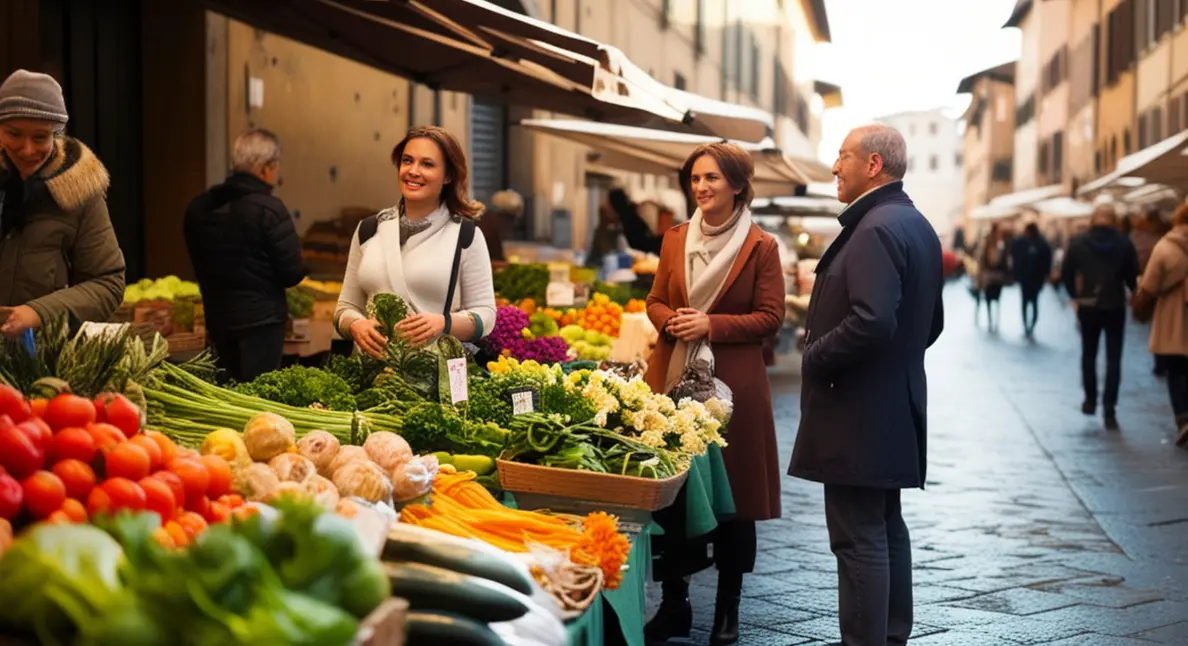
Community markets like farmers’ markets, co-ops, and farm stands are fantastic places to start. These community markets allow you to buy fruits, vegetables, and other farm produce directly from local farmers. Produce that’s in season is typically abundant and priced lower. For example, buying strawberries in the summer from a nearby farm will usually cost less than buying shipped-in strawberries in the winter. The same goes for vegetables like tomatoes or squash. When there’s a glut of them locally, you’ll get a bargain and enjoy peak freshness.
There’s a misconception that farmers’ markets are always expensive or only for gourmet shoppers. In reality, many staples at farmers’ markets cost the same or even less than at grocery chains, especially for organic items. Organic produce at a farmers’ market can be up to 40% cheaper than the same organic products in a supermarket. Cutting out the middleman means local growers can offer competitive prices and still earn a fair profit. You can stretch your dollar further by shopping toward the end of the market day, when some vendors discount remaining items rather than pack them up. Don’t be afraid to chat and build relationships with vendors. They might offer bulk deals or tips on how to store produce to make it last longer.
Aside from cost savings, local shopping has other advantages. You’re likely getting farm-fresh meat, eggs, and dairy that taste better and have fewer preservatives because they didn’t travel for days. Local produce is picked ripe, so it’s bursting with flavor and nutrition compared to out-of-season produce shipped from across the world. And every dollar you spend locally helps area farmers stay in business and preserves local agriculture. This keeps your food supply more secure and resilient. It also means fewer food miles. Those apples or greens aren’t being trucked 1,500 miles to get to you, which reduces fuel use and emissions.
Think beyond food. When you shop local, check out local craft fairs, artisan markets, or neighborhood shops for other needs. You might find local crafts such as handmade soaps, clothes, decor, or furniture that are made sustainably. These items often have a story and quality that mass-produced goods lack. And while supporting a local artisan, you’re likely getting a unique product without the hefty markup that big brands sometimes add. Keep an eye out for community swap events or neighborhood yard sales as well. Trading or buying used items from neighbors is both sustainable and extremely budget-friendly.
Use Online and Virtual Farmers Markets
What if you don’t have easy access to a physical farmers’ market or local shop? You can still support local businesses and buy sustainably through the power of the internet. In recent years, many communities have developed online produce market platforms, essentially a virtual farmers market experience that brings local goods to your screen. Using these services allows you to shop local from the convenience of home, often directly from farmers and producers in your region.
One example is LocalCart, a platform that acts as an online farmers' market for various areas. Through a single website or app, you can browse and purchase products from multiple local vendors. This might include seasonal produce, organic pantry staples, locally-raised meats, dairy, baked goods, and even handmade crafts. The process is similar to shopping on a grocery site: you fill your cart with items from different local sources, pay in one checkout, and then either have it delivered or picked up. Platforms like LocalCart make it easy to discover local food producers who take pride in small-batch, sustainable products.
Choose Organic and Ethical Products Wisely
To save money on organic foods, buy direct from local organic farms whenever you can. Local farms often have lower prices than big organic brands in supermarkets because they avoid cross-country shipping and retail markups. You can visit farm stands, join a local farm’s CSA program, or find organic farmers at the farmers' market. This way, you’re getting organic quality without paying for the fancy packaging or national brand marketing. Organic farms may also offer “pick-your-own” days for things like berries or apples, where you can get organic produce at bulk prices by doing the harvesting yourself.

For meat and animal products, consider sourcing from local organic meat farms or sustainable ranches. Yes, grass-fed or organic meat can be pricey per pound, but there are a few ways to keep costs down. One option is to buy directly in bulk. Some farms sell quarter, half, or whole animal shares, which you can split with family or friends. This often brings the price per pound down significantly compared to retail, and you end up with a variety of cuts. Another option is to choose cheaper cuts of high-quality meat; for instance, pasture-raised chicken drumsticks or thighs cost less than breasts and can be very flavorful. Organ meats and bone-in cuts are usually bargain buys and very nutritious. If you eat meat sparingly, you can afford better quality by treating it as a special ingredient rather than the center of every meal.
Thrift, Repair, and Buy Secondhand
One of the greenest ways to shop is not to buy new at all. Embracing the secondhand economy is a cornerstone of sustainable living. When you buy secondhand, you’re extending the life of products that might otherwise end up in landfills, and you’re not contributing to the demand for new production. This not only conserves resources and energy but also saves you a ton of money. From clothing and furniture to electronics and toys, you’d be amazed at what you can find gently used if you look.
The fashion industry is a prime example of where secondhand shopping can make a huge impact. Fast fashion has a hidden environmental cost. The fashion industry contributes roughly 10% of global carbon emissions, which is more than all international flights and shipping combined. It’s also a massive consumer of water and a polluter through textile waste and chemical use. By choosing to thrift or buy used clothing, you reduce the demand for new clothing production, thereby cutting down those impacts. Not to mention, you’ll save a lot of money. Used clothes often cost a fraction of new ones, and you can find high-quality or even brand-name items in thrift stores or online resale platforms.
Thrift stores and consignment shops are treasure troves. Make it a habit to check your local thrift store when you need something, whether it’s a new winter coat, a set of dishes, or decor for your home. It’s like a constantly changing sale where everything is discounted. Some days, you might score exactly what you need. You can also sell or donate your own unwanted items, which keeps the cycle going.
You don’t have to overhaul everything at once. Maybe start with one area, like groceries or clothing, and apply some of these sustainable shopping tips there. As you gain confidence and see the benefits, move on to other areas. Celebrate your frugal and eco-friendly wins. By reading this guide, you’ve taken the first step. Now, go ahead and try out these ideas. You’ll be proving day by day that shopping responsibly and how to shop sustainably doesn’t mean spending more, it just means spending with purpose.
Sources
- Climate Action Wales – “Buy less and shop sustainably”, ClimateAction.gov.wales (2024)
- The Daily Meal – “Here’s Why It Pays To Shop At A Farmer’s Market At The End Of The Day”, thedailymeal.com (2023)
- U.S. EPA – “Containers and Packaging: Product-Specific Data”, epa.gov (2018 data)
- Earth.org – “Fast Fashion and Emissions: What’s the Link?”, Earth.org (2024)
About Us
Local Cart is an easy and convenient platform where local food and beverage entrepreneurs can meet and serve their customers in this new Covid-19 world. We help them more quickly pivot their business from the traditional dine-in or walk-in to a pick-up and/or delivery model. We preserve communities by keeping alive the mom & pop shops they have come to love and depend on for their sense of place.
