Cart is empty

10/19/2025
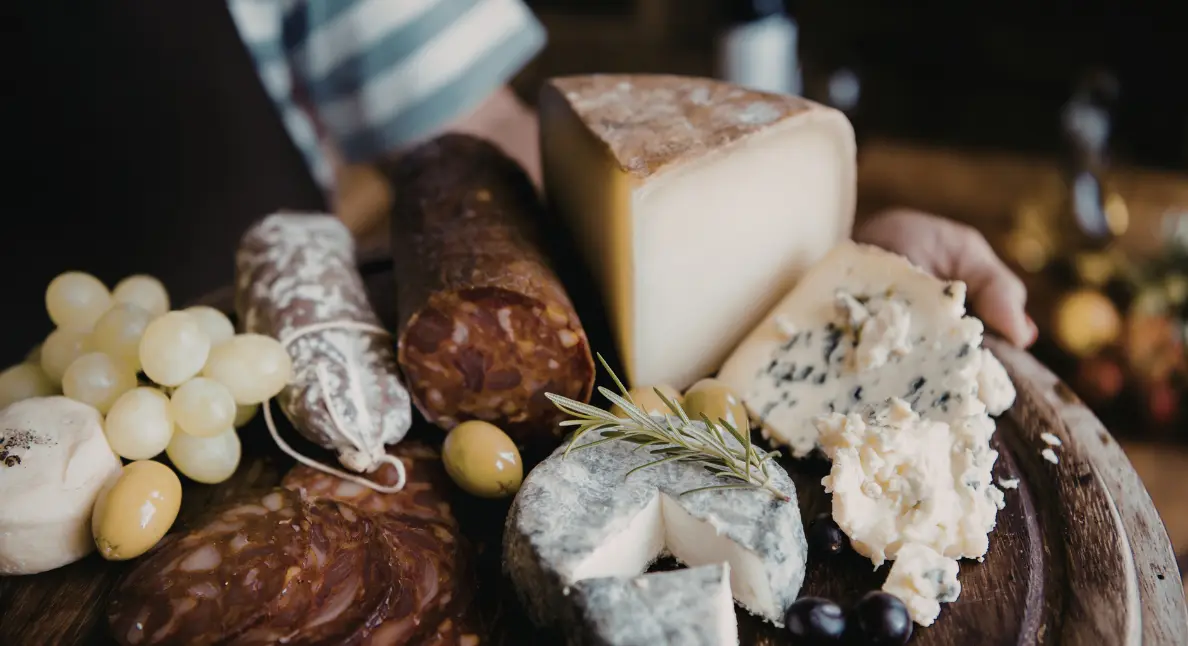
Bringing small batch products from a home workshop or local farm stand to customers nationwide is a complex journey. On one end, you have artisans and small businesses crafting limited quantities of unique goods with care. On the other hand, consumers increasingly demand the convenience of quick delivery and broad availability. Bridging this gap requires carefully designed logistics. This article explores how small-scale producers handle production growth and fulfillment to get their limited-run products into customers’ hands, all while preserving the qualities that make their goods special.
The Benefits of Buying Small-Batch Products
Why do shoppers seek out small-batch goods in the first place? These products offer qualities that mass-produced items often lack. For one, they tend to be unique small-batch items. Whether it’s a one-of-a-kind ceramic bowl or a jar of artisanal jam, there’s a special touch and story behind each product. This uniqueness makes them excellent small batch gifts; giving someone a locally roasted coffee blend or hand-sewn accessory carries a personal sentiment that generic factory-made goods can’t match. Quality is another key factor. Small producers usually put meticulous care into each item, often using higher-grade materials or ingredients and traditional methods. The result is a level of craftsmanship and flavor or durability that stands out.
Importantly, buying from sustainable small-batch brands and artisans aligns with values like environmental responsibility and community support. Small-batch producers typically make only what they can sell, avoiding the massive overproduction and waste seen in fast fashion and mass manufacturing. Consumers are increasingly aware of this – many are actively shifting away from cookie-cutter, mass-produced goods in favor of items that are eco-friendly and authentically crafted. The benefits of buying small-batch products include getting high-quality, distinctive goods and knowing your purchase supports ethical practices. Often, these are locally made products, so your money stays in the community, and the carbon footprint from production and shipping is lower.
Scaling Small-Batch Production Without Sacrificing Quality
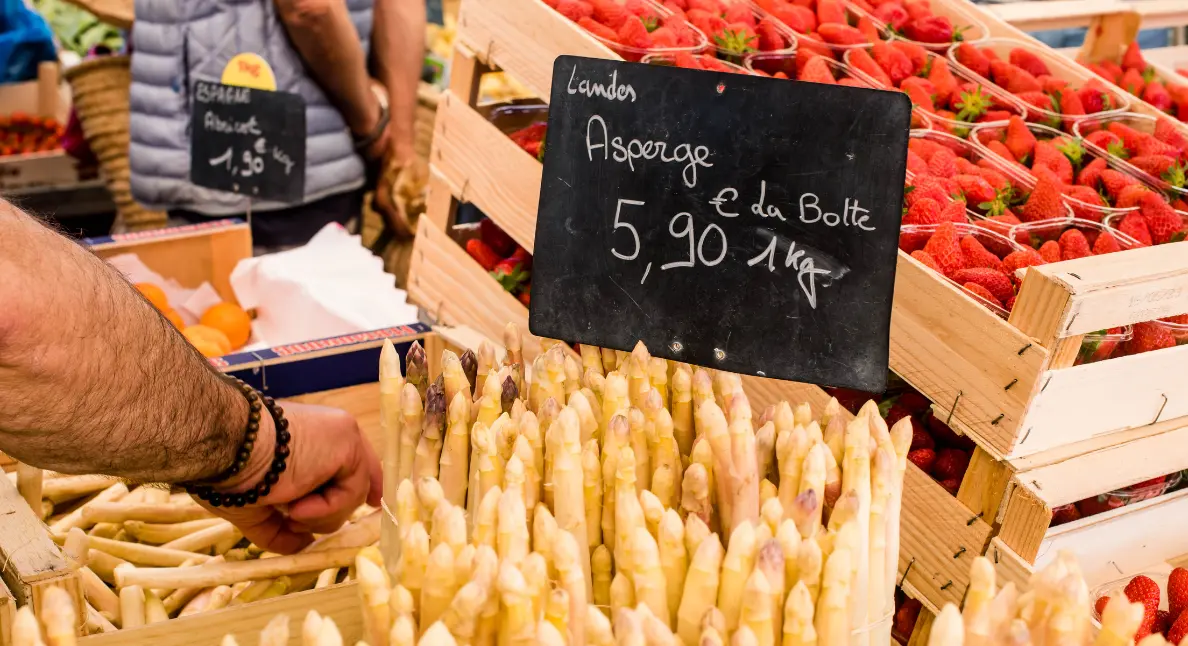
The very traits that make small-batch goods appealing can become hurdles when demand grows. Small producers frequently start out making limited-run products in home kitchens, studios, or micro-factories. Batches might be just a few dozen units at a time. This keeps quality high and waste low, but if a product suddenly takes off in popularity, fulfilling larger orders becomes challenging. Scaling small-batch production means figuring out how to increase output while maintaining the same level of craftsmanship and attention to detail.
Another challenge is demand planning for small producers. Big manufacturers use sophisticated forecasts and produce in bulk to meet global demand. In contrast, a small-batch artisan might experience highly variable sales. If they under-produce, they’ll stock out and miss opportunities. If they over-produce, they risk unsold inventory. Striking the right balance requires careful planning and often a willingness to incrementally scale. Many makers will gradually increase batch sizes and see how the market responds, rather than jumping straight from producing 100 units to 10,000 overnight. Some turn to co-manufacturers or shared commercial kitchens for help, though this introduces questions of control and consistency.
The goal is to grow production volume in a sustainable way. Maintaining the handmade or small-scale ethos that defines the product’s identity, even as output rises. This might involve standardizing processes and recipes, investing in better tools, and training staff, all while keeping a close eye on quality so that “small batch” continues to mean something real and not just a marketing term.
Small-Batch Distribution Challenges
Growing beyond local sales introduces a different set of obstacles for small-batch producers. While demand may increase, the systems designed to move products at scale often work against smaller operations. Distribution challenges are rarely about product quality and more about infrastructure, cost, and access. Understanding where friction occurs helps explain why many artisan brands grow slowly and why distribution decisions shape both pricing and long-term sustainability.
- Retail Readiness and Compliance Barriers: Large retailers operate within rigid frameworks that favor established suppliers. Minimum order quantities, standardized packaging, barcodes, and third-party certifications create immediate hurdles for small-batch producers. Meeting these requirements requires upfront investment, administrative knowledge, and production consistency that many emerging makers lack. Even when a store expresses interest, aligning with its systems can strain limited resources. These barriers often delay or prevent entry into traditional retail, forcing producers to choose between costly compliance efforts and slower, more controlled growth.
- High-Cost, Low-Efficiency Shipping: Small producers typically ship products in small quantities rather than consolidated loads. Sending individual boxes to multiple destinations increases per-unit shipping costs and complicates logistics planning. Unlike large brands that rely on freight contracts and distribution centers, artisans often depend on postal or courier services.
- Limited Access to Shelf Space: Mainstream distribution channels are heavily influenced by large, well-known brands with proven sales volume. Securing shelf space requires more than a compelling product; it demands consistency, marketing support, and reliable replenishment. Small-batch producers struggle to compete in this environment, where retailers prioritize predictability and turnover, without visibility in physical stores or major online marketplaces, growth stalls.
- Absence of Economies of Scale: Large manufacturers benefit from optimized supply chains that reduce costs at every stage, from warehousing to freight. Small producers operate without these efficiencies, often storing goods in limited spaces and shipping orders individually. The lack of scale drives up costs and narrows margins, leaving less room for reinvestment. As expenses rise, producers face difficult pricing decisions. Passing costs to consumers risks limiting demand, while absorbing them threatens financial sustainability.
Distribution challenges shape how small-batch producers grow, price their products, and choose their markets. These obstacles explain why many artisans prioritize direct sales or gradual expansion rather than rapid scaling. By recognizing where structural limitations exist, producers and consumers alike can better understand the realities behind small-batch pricing and availability, and why thoughtful distribution strategies are essential for long-term viability.
Logistics for Artisanal Products: Fulfillment Solutions for Small Producers
To overcome distribution barriers, many small-batch companies partner with third-party logistics providers or leverage modern e-commerce infrastructure. Outsourcing fulfillment for small producers can be a game-changer. Rather than the maker individually packing and shipping every order, a fulfillment partner can store inventory, pack boxes, and ship orders to customers as they come in. This not only saves time but also often gets better shipping rates thanks to the 3PL’s volume. When artisan businesses reach a certain scale, they often must rethink storage and shipping. They need to establish larger storage for inventory, efficient packing processes, and broader distribution channels to support growth. Many turn to professional 3PL solutions to handle direct-to-consumer shipping and even wholesale order distribution. Handing off logistics to specialists lets the artisans focus on production and product development.
Using a fulfillment center or 3PL can also improve the customer experience. These providers typically offer integrated technology. Orders from the producer’s website or online store are automatically forwarded for fulfillment, and tracking numbers go out to customers seamlessly. For a small brand, providing reliable, fast shipping and tracking information helps build credibility on par with larger companies. There are also hybrid approaches: some artisan companies will ship bulk quantities of their goods to an Amazon fulfillment warehouse or to other specialized platforms that cater to handcrafted goods, while still selling through their own site or boutique stores. However, outsourcing logistics requires trust.
A big concern for artisanal small-batch foods, for example, is maintaining quality during storage and transit. So choosing the right logistics partners is crucial. Leveraging external logistics and fulfillment networks has enabled many small-batch producers to scale up their sales footprint dramatically without having to build a distribution empire from scratch.
Regional Warehousing Strategies for Faster Delivery
Whether using a third-party or managing in-house, regional warehousing strategies can significantly improve distribution for small-batch brands. The idea is to store inventory in multiple smaller warehouses closer to key customer regions, rather than in a single central location. This approach shortens the distance each package travels in the last leg, cutting transit times and shipping expenses. For customers accustomed to two-day or even next-day delivery, that speed is essential. Locating stock near buyers also has sustainability perks: shorter shipping routes mean lower fuel use and emissions. In today’s world of high consumer expectations, positioning products closer to buyers can be a game-changer for a small brand’s logistics. It creates a more agile supply chain that can respond quickly to local demand surges. Even a modest artisan company can adopt a mini-version of the logistics networks used by giants: strategically placed inventory hubs that ensure customers get their orders quickly and affordably.
Last-Mile Delivery for Specialty Products
No matter how well goods are produced, stored, or shipped across the country, the final hurdle is getting them to the customer’s doorstep efficiently. This final leg, known as the last-mile delivery for specialty products here, poses particular challenges for small-batch and specialty items. For one, many artisanal goods require extra care during delivery. A box of artisanal small-batch foods like gourmet chocolates or a craft cheesecake might need insulation and cold packs to stay fresh, and someone must be home to receive it. Fragile items require careful packaging and handling to prevent breakage in transit. These needs can make last-mile delivery more complicated and costly compared to delivering, say, a book or a t-shirt.
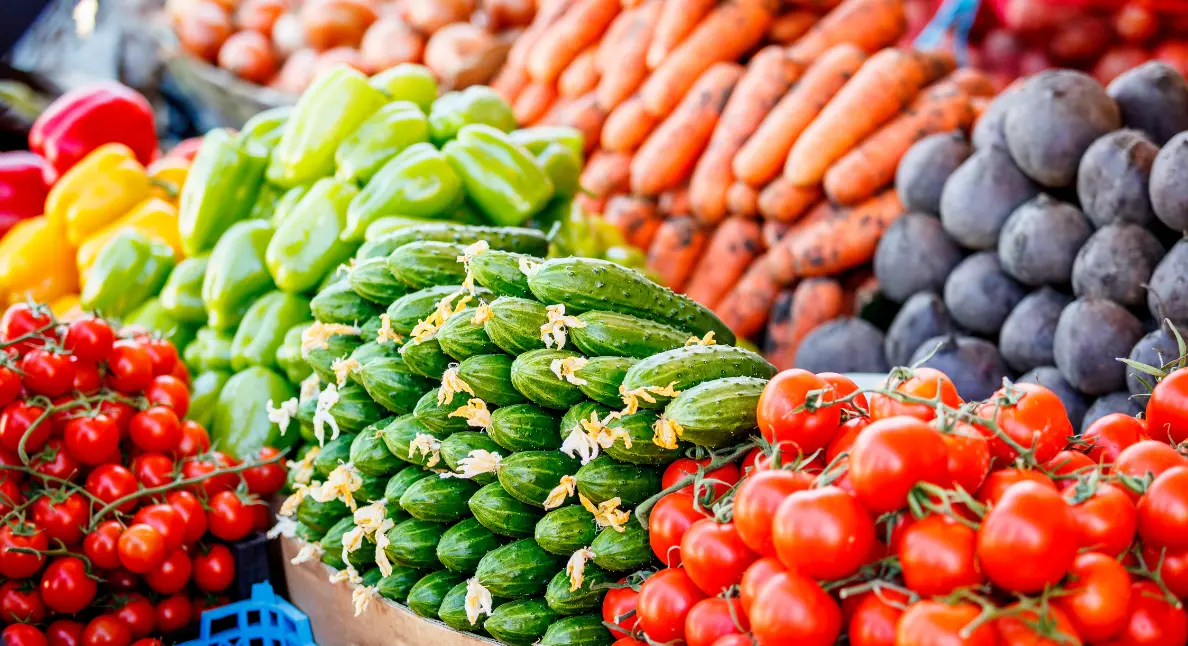
Cost is indeed a major issue. The last mile is often the most expensive segment of the shipping journey on a per-package basis. Delivering individual orders to scattered residential addresses involves time, fuel, and labor that doesn’t benefit from the economies of scale seen in earlier transport stages. This final delivery step can account for up to 53% of the total shipping cost for a package. For a small business, those costs add up quickly, eating into margins if not managed carefully. Customers expect affordable (or free) shipping and quick arrival, creating a tough balance.
Small-batch producers have been adapting by exploring creative last-mile solutions: teaming up with local courier services, offering local pickup points, or using delivery apps and services that specialize in same-day local delivery. Some makers opt to limit shipping of certain delicate products to nearby regions only, to avoid long transit. Others increase shipping charges for heavy or fragile items to cover the cost of special handling, and are transparent with customers about why. Last-mile logistics is an area where technology is rapidly evolving, too. For now, though, careful planning and sometimes setting realistic delivery promises are part of ensuring specialty goods make that final journey successfully.
Connecting Artisans to Customers: Where to Buy Small-Batch Products
With all the logistical pieces in place, there’s still the question of how customers discover and purchase these goods. Traditionally, people found local artisan products at farmers' markets, craft fairs, co-ops, or small independent shops. These remain fantastic ways to buy locally made products and support community businesses. But in the digital age, the options have expanded enormously. Now, a customer can seek out a small batch store online that curates multiple makers’ products, or even buy directly from the producer via their website or social media. When deciding where to buy small-batch products, consumers should look for platforms and retailers that specialize in authenticity and quality. For example, LocalCart is one emerging platform that serves as an online marketplace for small-batch and locally produced goods, making it easier for artisans to reach a broader audience without losing their identity. By browsing such platforms or even larger marketplaces’ handmade sections, shoppers can find everything from unique small-batch items for the home to limited-edition artisan foods, all from the comfort of their home.
Buying through these channels is also about supporting small-batch artisans and their communities. When you purchase a handcrafted soap or a batch of cookies from a small producer, you’re directly contributing to the livelihood of a craftsperson or family business. Unlike buying from a big-box retailer, supporting an artisan means your money stays local (or at least with the maker) and often gets reinvested in the community. Every purchase of a handmade or small-batch item helps keep money circulating in the local economy, cultivating a vibrant and diverse community. Many artisans also preserve cultural traditions and techniques through their work, so by shopping small-batch, you’re helping keep those traditions alive.
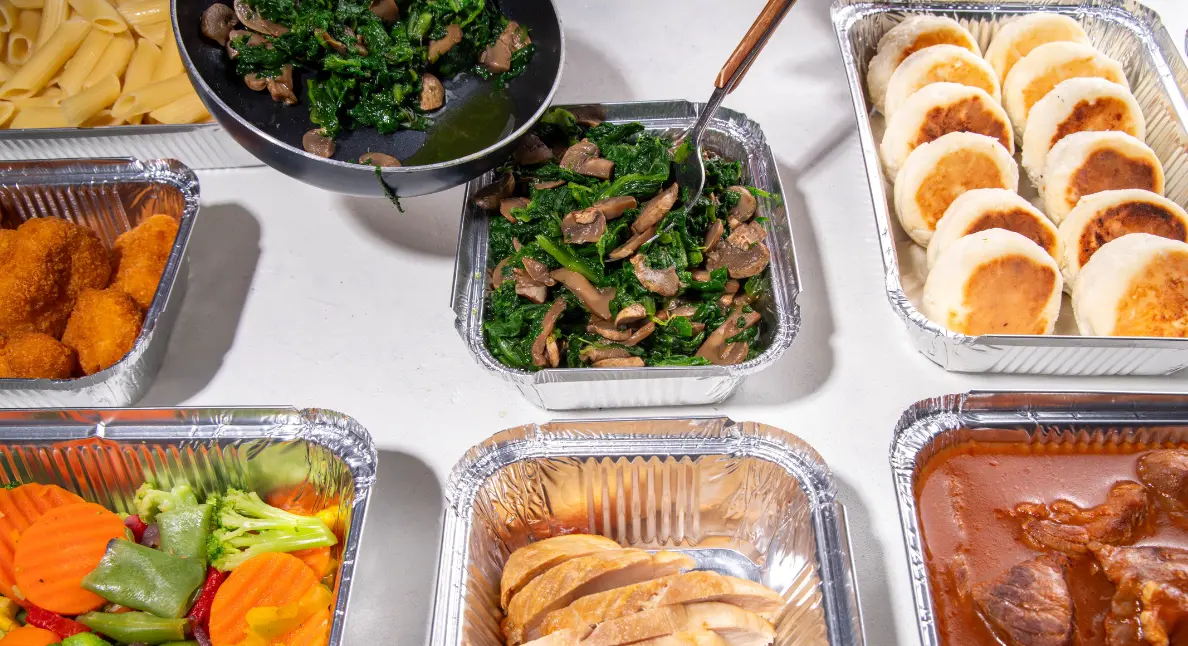
Scaling up the availability of small-batch goods is a careful balancing act. Producers must grow their supply chain for small-batch goods in smart ways without losing the artisanal quality and authenticity that define their products. Through inventive use of logistics solutions like 3PL fulfillment, regional warehousing strategies, and specialized last-mile delivery options, even the smallest artisans can reach customers far and wide. The logistics of getting a batch of handmade products to market at scale may be intricate, but they're driven by connecting people who crave unique, high-quality items with the talented folks who make them. As consumers, when we appreciate the effort it takes and choose to support these makers, we become part of that story. In doing so, we help ensure that unique small-batch items continue to thrive in a world of mass production. Delivered efficiently to our doors, yet carrying the soul of the local workshop or kitchen where they began.
Sources:
- modernrestaurantmanagement.com Modern Restaurant Management, “Beyond the Scoop Shop: A Blueprint for Scaling Artisan Food Businesses.”
- inboundlogistics.com Inbound Logistics, “Last Mile Delivery: Trends, Cost and How to Optimize” (Feb 2025).
- smallbiztrends.com Small Business Trends, “Why Handmade Matters: Discover the Value of Artisan Craftsmanship” (Jul 2025).
About Us
Local Cart is an easy and convenient platform where local food and beverage entrepreneurs can meet and serve their customers in this new Covid-19 world. We help them more quickly pivot their business from the traditional dine-in or walk-in to a pick-up and/or delivery model. We preserve communities by keeping alive the mom & pop shops they have come to love and depend on for their sense of place.
