Cart is empty
11/10/2025
Something interesting is happening in a mass-produced world. Consumers are gravitating towards locally made foods and other handmade food products that offer a personal touch and authentic flavor. This artisanal food movement has emerged as a reaction against anonymous factory fare, giving rise to what many call the craft food trend. Instead of relying solely on big brands and industrialized meals, people are seeking out small-scale, high-quality alternatives made with care. For the makers of these products, "small-batch" isn’t just a marketing buzzword. It describes producing food in limited quantities with great attention to detail. Unlike huge assembly lines churning out identical items, small-batch foods are often made by skilled artisans using traditional methods. The result is often unique items with flavors and quality you won’t find on supermarket shelves. Consumers in the United States are increasingly embracing this shift, viewing small-batch foods as a way to get more than just nourishment from what they eat.
What Is Small-Batch Food Production?
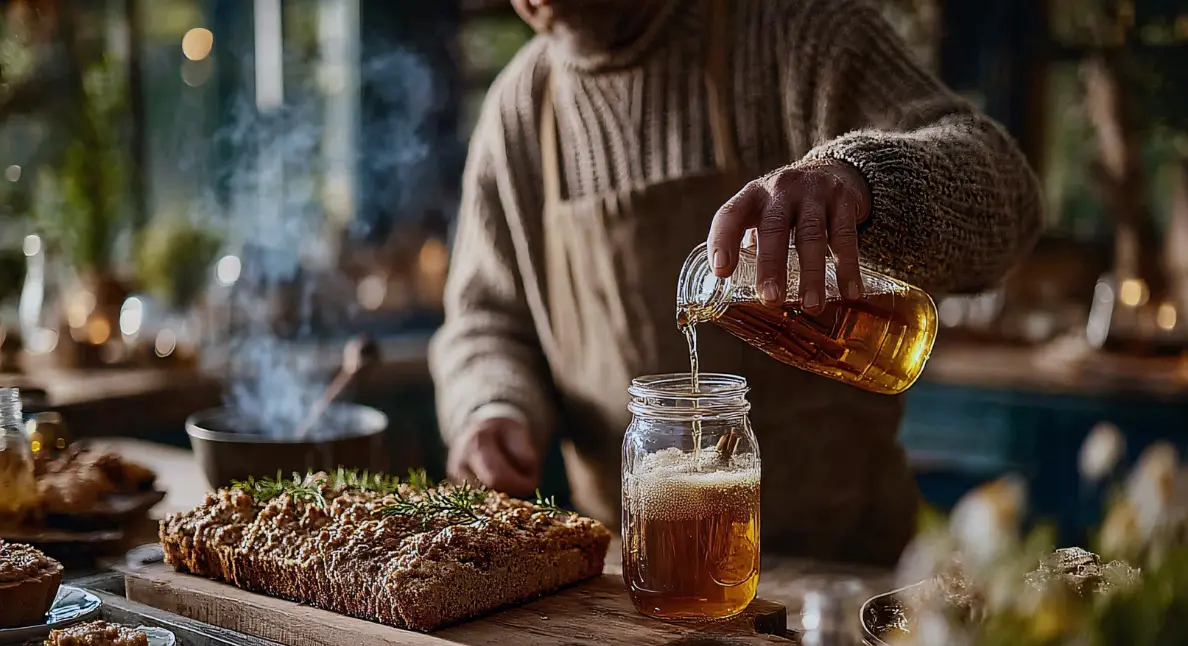
To understand how small-batch foods are made, consider the difference in scale between a home kitchen and a factory. Small-batch food production simply means preparing food in limited quantities, often with hands-on techniques, to preserve quality and authenticity. When a recipe is mass-produced at an industrial scale, the end result can suffer. Scaling a home recipe up by 100 times in a factory setting usually doesn't yield the same flavor. At a certain volume, the math and chemistry of cooking stop working the same way. Small-batch food producers recognize this, so they deliberately keep batch sizes small to maintain control over each step.
A small-batch producer might cook only a few dozen jars of jam at a time or roast coffee beans in micro-lots, rather than tens of thousands of units in one go. These producers often use traditional, handmade techniques. The process is usually more labor-intensive, but it allows for greater oversight and care. Instead of a fully automated assembly line, you have people closely monitoring quality, tasting, tweaking, and ensuring that every batch meets their standards.
Manufacturers forego the usual cost-cutting shortcuts of large-scale food manufacturing. In industrial production, companies might add extra chemical preservatives or alter recipes to make food last longer on shelves or run smoothly through machinery. Small-batch producers tend to avoid those compromises. They focus on high-quality ingredients and natural processes, even if it means yielding a smaller amount of product. The guiding philosophy is that it’s better to make a limited number of excellent products than a huge volume of mediocre ones.
The Artisanal Food Movement and the Craft Food Trend
The rise of small-batch foods is part of a larger shift in consumer culture. Over the past decade or so, a broad artisanal or craft movement has taken hold in the food industry. What started as niche enthusiasm by foodies has grown into a mainstream trend. Many people have grown tired of one-size-fits-all, mass-produced food. They’re craving something more personal and flavorful. In the United States, this is reflected in real numbers: nationally, artisan food sales jumped about 19% between 2009 and 2011, and nearly half of U.S. adults say they like to eat food with artisan appeal. Consumers are showing with their wallets that they value the difference.
A variety of factors are driving this craft food trend. One is the search for better taste and quality, as factory-made snacks and meals can be bland or full of fillers, whereas small-batch goods often use premium ingredients that deliver superior flavor. Another factor is health and trust. After years of food safety scares and the rise of ultra-processed diets, many people feel more comfortable buying from small producers who are transparent about their ingredients and methods. There’s also an element of nostalgia and authenticity at play. The artisanal food movement is, in a way, about getting back to our roots. Knowing who made your food and how they made it, much like communities did before the era of mega supermarkets.
Quality Over Quantity: Benefits of Small-Batch Food Production
When it comes to food, a smaller scale can mean bigger benefits for the consumer. Here are some of the key benefits of small-batch food production often cited:
- Freshness and nutrition: Small batches are typically made closer to the time of sale. That means the food hasn’t been sitting in a warehouse or on a supermarket shelf for months. For consumers, this often translates into fresher products with higher nutritional value and no need for heavy preservatives.
- Variety and creativity: Big manufacturers usually play it safe, but small-batch producers can experiment and offer unique flavors. They might use heirloom produce, seasonal ingredients, or bold flavor combinations that you won’t find in the big brands. This creativity means more interesting choices for consumers. It keeps the food scene innovative and fun.
- Natural ingredients and fewer additives: Many small producers avoid the artificial additives, fillers, and processing aids that are common in mass production. The result is more natural small-batch products with short, recognizable ingredient lists. If you read the label on a jar of small-batch pasta sauce, you’re more likely to see just tomatoes, basil, garlic, etc., instead of a long list of chemicals. For health-conscious consumers, this is a significant benefit.
- Community and sustainability: Small-batch foods often have a local or regional character. Buying these products means you’re supporting local farmers, bakers, and family businesses, which keeps money in the community. Environmentally, small-scale production can be gentler on the planet. Think organic farming practices, lower transportation emissions when you buy nearby, and less packaging waste in some cases. Many artisans prioritize sustainable practices as part of their values. In sum, choosing small-batch supports a food ecosystem that values people and planet, not just profit.
It’s a very different experience from buying a mass-market item where the origin is completely opaque. These benefits help explain why small-batch food has gained such a loyal following of customers who swear by the quality and don’t mind paying a little extra for it.
Local Producers and Farmers Markets: Community at the Core
Local farmers' markets and roadside stands have become central to the small-batch food movement. They are the places where local producers and consumers come together face-to-face, bridging the gap between farm and table. Part of the appeal of small-batch foods is this personal connection. Shoppers enjoy meeting the person who grew their vegetables or baked their bread, rather than buying an anonymous product off a grocery shelf.
Farmers' markets across the U.S. have exploded in number over the past decade. These markets provide a direct line to locally made foods, allowing consumers to buy straight from the source. The food is often ultra-fresh, and the variety can be delightful. A stroll through a weekend market might lead you to pastured eggs, small-batch goat cheeses, artisanal sourdough loaves, handmade pickles, and heirloom organic vegetables you won’t see in a supermarket. The market becomes not just a shopping trip, but an experience. You can chat with a beekeeper about how this year’s honey crop is different from last year’s, or sample a new flavor of jam while hearing the recipe’s backstory.
These community markets are invaluable for producers. Farmers' markets are effectively incubators for food entrepreneurs. An affordable, low-barrier way to test products and build a following. A person can start with a single stall selling, say, family-recipe salsa or artisan cookies, and if customers love it, that venture can gradually grow. Many boutique food companies today got their start at a local market or fair. There’s a sense of camaraderie among small-batch producers who share the same space; rather than cutthroat competition, there’s mutual support rooted in a shared passion for good food.
Beyond the personal connections, buying from local producers has tangible community benefits. More of the money spent stays local, supporting small farms and businesses in the area. It helps preserve regional food traditions and even local varieties of produce and livestock. The farmers' market culture encourages sustainable practices, too. Many vendors emphasize organic or regenerative farming, humane animal care, and seasonal eating. And because the food travels a short distance to get to customers, the carbon footprint is lower than that of foods shipped thousands of miles. In these ways, local markets and producers form the backbone of a resilient, community-centered food system.
Gourmet Appeal: Small-Batch Foods as Gifts and Treats
Small-batch foods aren’t just everyday groceries. They’ve also taken off as high-end treats and gifts. Think of the last time you received a food gift that felt truly special. Chances are, those were small-batch products. People love giving and receiving gourmet food gifts because they carry an air of exclusivity and thoughtfulness. An entire segment of the food industry now caters to this desire for distinctive, gourmet goodies. A number of gourmet snack brands have emerged that focus solely on small-batch production. They make upscale versions of snacks and treats. These companies position their premium small-batch snacks as worthy indulgences. The idea is that if you’re going to treat yourself, you might as well have the best: a snack crafted in limited quantity with top-notch ingredients, rather than a mass-produced candy bar or chips.
From the Market to Your Door: Buying Small-Batch Foods
Visiting a farmers' market is one of the best ways to find small-batch goodies, but it’s not the only way. In today’s connected age, you can just as easily order craft foods while sitting on your couch. The rise of e-commerce has made it easier than ever to discover and purchase artisanal foods from all over the country. This is great news for both consumers and producers: consumers get access to a wider variety of specialty products, and small producers can reach customers far beyond their local area.
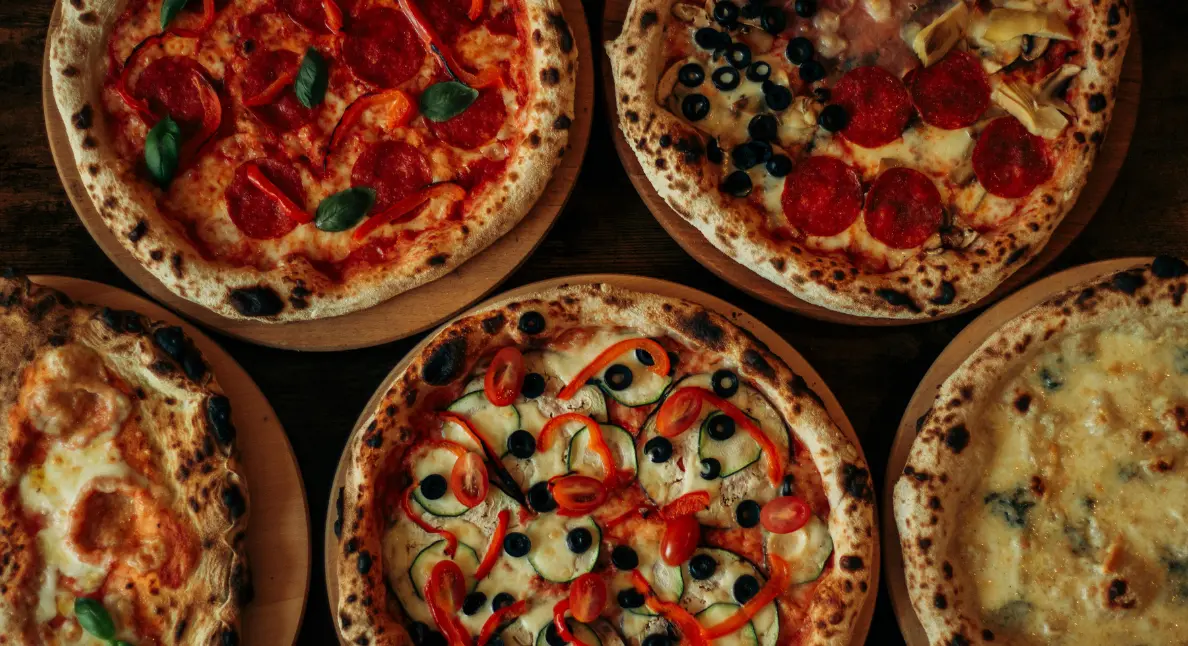
Many cities have specialty grocery stores, co-ops, or gourmet markets that carry selections of artisanal products. These brick-and-mortar options are fantastic if you have them. But what if you don’t live near such stores, or you’re searching for a particular item from another region? That’s where the internet steps in. Now there are numerous websites and marketplaces dedicated to small-batch and craft food producers, effectively creating a virtual farmers' market.
For example, LocalCart is one platform that connects customers with a wide range of small-batch goods from different local producers across the United States. A service like this lets you browse dozens of independent vendors in one place and purchase items for delivery. You could pick out artisan barbecue sauce from Texas, maple candy from Vermont, and spice blends from a boutique company in California, all in one order. The ability to shop for gourmet food online in this way has been a game-changer for small businesses; it massively expands their reach without requiring them to secure a national retail deal.
Today’s food landscape includes countless unique food producers who have turned personal passion into a profession. These entrepreneurs have injected diversity and creativity into what we eat. They’ve also proven that there’s a market for integrity and storytelling in food. As these boutique companies navigate the business side of things, they continue to remind the rest of the industry that food is not just about profit margins and volume, but also about craft and connection.
Challenges and the Future of Small-Batch Foods
Operating on a small scale comes with real challenges, especially when these artisans try to grow or reach a wider audience. One major hurdle is scaling up production. A recipe that works beautifully for 50 jars can be tricky to multiply for 5,000 jars. Small producers often lack the massive equipment and automation that big companies have, so increasing output means much more labor or significant new investment. There’s a delicate balance between meeting demand and maintaining quality. If an artisanal granola company suddenly gets featured on a national blog and thousands of orders pour in, they might struggle to fulfill those orders on time while still hand-mixing and oven-roasting every batch to perfection. Some businesses face the tough choice of whether to expand or stay small and potentially turn away opportunities.
Another challenge is cost and pricing. By nature, small-batch foods cost more to produce per unit than mass-produced foods. Ingredients are often high-quality, machines don’t replace labor, and there are fewer economies of scale. This means the final product is more expensive for consumers. While there is a loyal segment of customers willing to pay $8 for artisan pickles or $5 for a gourmet cookie, not everyone can afford that regularly. The higher price point limits the market share of small-batch products. Artisans constantly have to educate consumers on why their product costs what it does. The story of better ingredients, ethical production, and so forth.
Despite these challenges, the future looks promising for small-batch foods overall. Consumer trends continue to favor what small producers excel at: transparency and quality. Local food sales, for instance, have been growing steadily. U.S. sales of local edible farm products reached about $11.8 billion in 2017, up from $8.7 billion just two years earlier. That surge reflects a broader shift in how people value their food. Younger generations especially seem to prioritize experiences and authenticity.
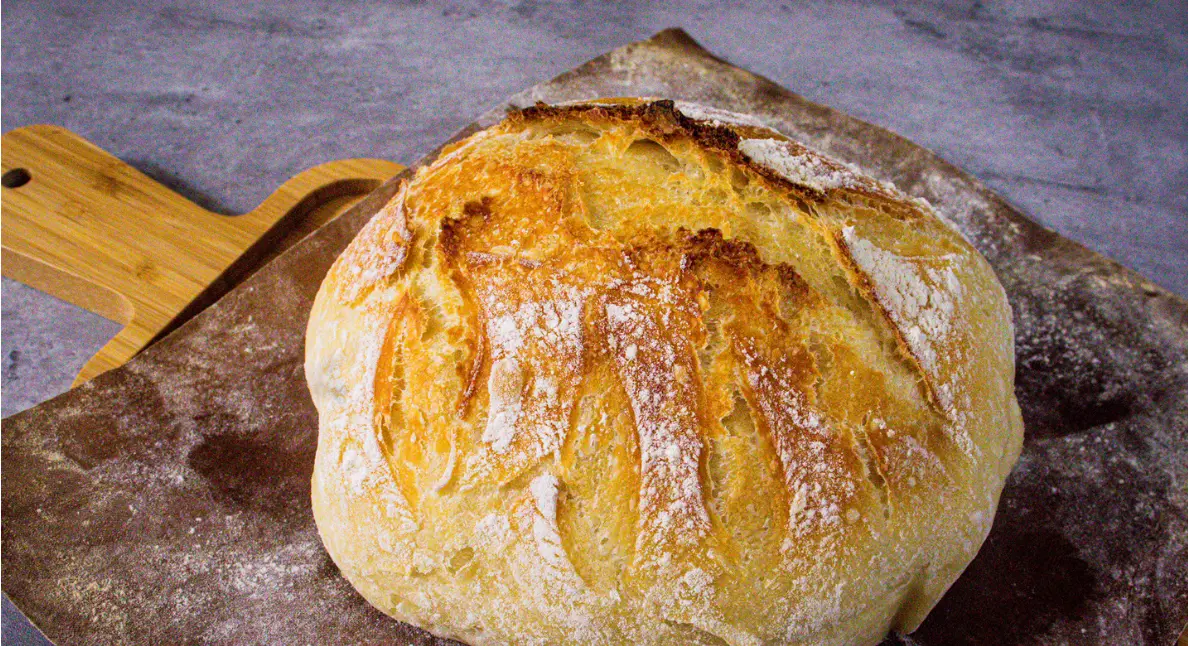
In a society awash with mass-produced options, the rise of small-batch foods is a reminder of our desire for connection and quality. These foods tell a story that resonates with consumers seeking more than just convenience. The small-batch trend has reintroduced diversity and humanity into what we eat, and it shows no signs of slowing down. As small producers continue to innovate and collaborate, and as consumers continue to seek out the next great artisan treat, we move toward a food culture that values the experience of food as much as its price and availability. The growth of small-batch foods is changing the landscape of a mass-produced world, one delicious small batch at a time.
Sources
- Food Manufacturing – “Artisan Food A Booming Industry.” (K. Fernau, The Arizona Republic, Oct 1, 2012) foodmanufacturing.com
- MediaPost – “Dunnhumby: Fermented, Small-Batch Among 2015's Biggest Food Trends.” (K. Lukovitz, Jan 15, 2015) mediapost.com
- ReallyEats (Medium) – “The Rise of Artisanal Small-Scale Food Producers.” (Jul 1, 2023) reallyeats.medium.com
- USDA Economic Research Service – “Local Food Sales Continue to Grow Through a Variety of Marketing Channels.” (S. Martinez, Oct 4, 2021) ers.usda.gov
About Us
Local Cart is an easy and convenient platform where local food and beverage entrepreneurs can meet and serve their customers in this new Covid-19 world. We help them more quickly pivot their business from the traditional dine-in or walk-in to a pick-up and/or delivery model. We preserve communities by keeping alive the mom & pop shops they have come to love and depend on for their sense of place.
