Cart is empty
10/25/2025
Conscious consumers today are increasingly mindful about what they eat and where it comes from. This shift is part of a broader food for mindful living ethos that values authenticity and quality over convenience. Many shoppers have grown skeptical of mass-produced, anonymous goods. Instead, they are seeking a more genuine connection to their food. There is a cultural shift as consumers reject artificial perfection in favor of authenticity and human connection. Driven by these values, a growing number of people are turning to handcrafted foods as a way to align their purchases with their principles. The result is a rising demand for all things artisanal and an enthusiastic handmade food movement that emphasizes tradition, craftsmanship, and transparency.
The Handmade Food Movement and Artisan Trends
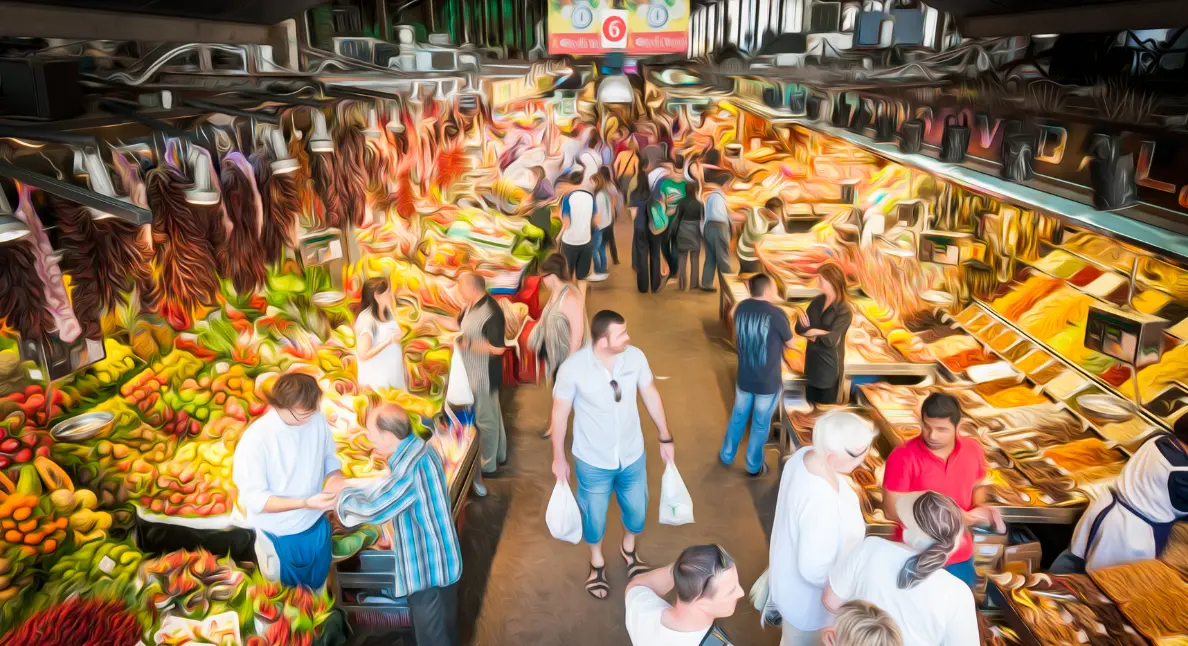
One of the most striking artisan food trends in recent years is the resurgence of small-scale, traditional food production. Shoppers today crave food with a story and a personal touch. This handmade food movement is characterized by an appreciation for heritage recipes, regional ingredients, and small-batch food made in limited quantities. In an age of industrialized mass production, many people find the human element of handcrafted foods refreshing. There is a noticeable consumer pushback against bland uniformity.
This trend is evident across various sectors of the food industry. From craft bakeries to artisan cheese makers, producers who emphasize quality over quantity are gaining loyal followings. Consumers increasingly seek high-quality, handcrafted foods made with care and attention to detail, reflecting a broader appreciation for artisanal craftsmanship. Discerning buyers are willing to try unique cheeses, breads, sauces, and preserves that offer distinctive flavors and a connection to their maker.
Benefits of Handcrafted Foods
Beyond their nostalgic appeal, there are many benefits of handcrafted foods that explain why conscious consumers love them. First and foremost is superior taste and quality. Handcrafted items are often made using fresh, whole ingredients and time-honored techniques, resulting in richer flavors and textures. A loaf of sourdough slowly fermented by an artisan baker or a wedge of farmstead cheese aged to perfection can deliver a depth of taste that mass-produced versions simply can’t match. The focus on quality ingredients means each bite is more flavorful and satisfying.
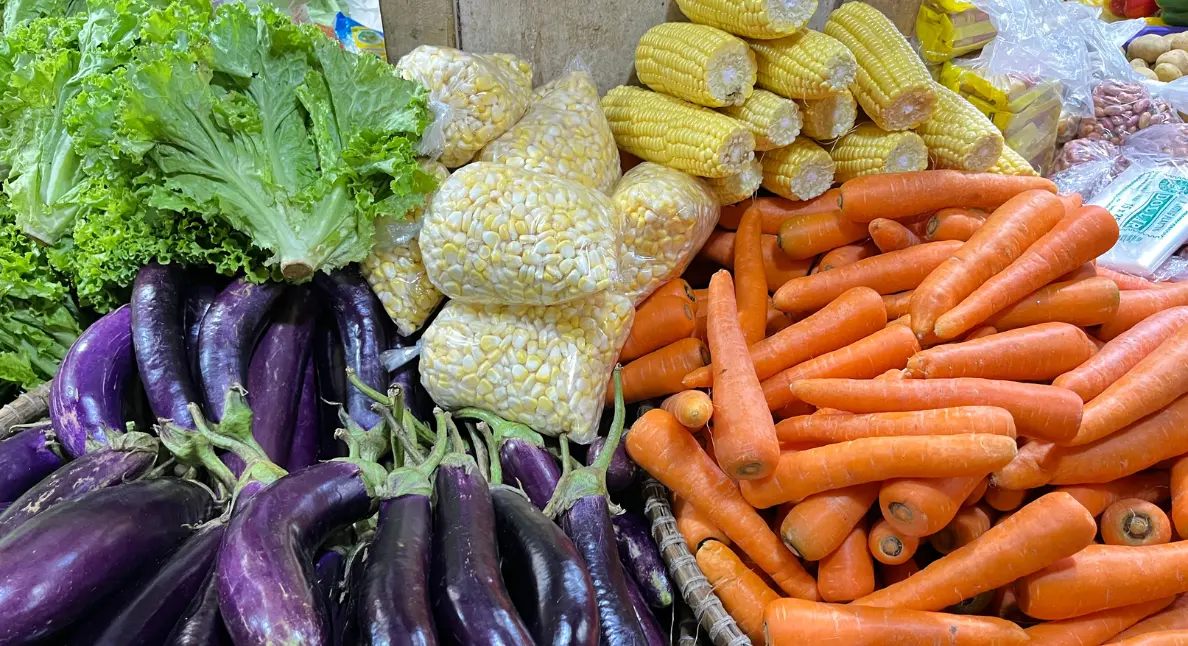
Another key benefit is the potential health advantage of artisanal foods. Many handcrafted products avoid the artificial additives and heavy processing found in factory foods. Traditional preparation methods can preserve nutrients that would be lost in an industrial process. For example, slow fermentation of bread dough or pickling vegetables using natural methods can retain vitamins and make nutrients more bioavailable to the body. Research suggests that traditional techniques help retain more nutrients, offering a healthier option compared to heavily processed alternatives. Artisans often cater to specific dietary needs by creating options that are gluten-free, vegan, or free of common allergens in small batches. All of this means that choosing handcrafted foods can be a boon to personal health and enjoyment.
Buying handcrafted foods supports a deeper connection with what we eat. There’s intangible value in knowing the story behind your food. This connection can make eating more meaningful and mindful. Consumers often report greater satisfaction from foods that they know were made with care and skill. Handcrafted foods contribute to food for mindful living, encouraging people to slow down and savor the experience of eating something real and lovingly made.
Handcrafted vs Processed Food: Quality Over Quantity
When considering handcrafted vs processed food, the differences come down to quality ingredients and careful methods versus mass efficiency. Processed foods are typically designed for long shelf life, uniformity, and low cost, which often means they rely on artificial preservatives, flavor enhancers, and other chemicals. In contrast, handcrafted foods prioritize freshness and natural ingredients. They are usually made in small batches without the need for complex processing aids or additives. The result is a product that may be less uniform but far more genuine in composition.
Nutritionally, handmade products tend to have cleaner labels. Think of a jar of artisan pasta sauce with just tomatoes, herbs, and olive oil, versus a canned sauce full of high fructose corn syrup and stabilizers. The absence of unnecessary fillers means you’re getting more real food and fewer empty calories. Artisanal bread crafted with organic flour and wild yeast, for example, won’t contain the dough conditioners or preservatives found in supermarket loaves. Handcrafted foods skip the extras that industrial foods use for speed and profit, focusing instead on natural goodness.
The production processes also differ greatly. Processed foods often come from automated factories producing thousands of identical items an hour. Handcrafted foods are made in kitchens and workshops where skilled makers oversee each step. This human touch allows for better quality control. Flaws can be caught and adjusted on the fly, and every batch receives personal attention. It’s the difference between assembly-line cookies and cookies your grandmother baked by hand. Consequently, artisanal foods may have slight variations in appearance or taste, but they deliver on the promise of authenticity. For many conscious consumers, these qualities tilt the balance heavily in favor of handcrafted over processed options.
Sustainability and Environmental Impact
Choosing handcrafted foods often goes hand-in-hand with making sustainable food choices, which is a major priority for conscious consumers. Industrial food production and long supply chains can take a serious toll on the environment. Large factories consume substantial energy and water, and shipping food over long distances racks up “food miles." Handcrafted foods, especially those produced locally or regionally, typically have a smaller ecological footprint. Many artisans source ingredients nearby and sell at local markets or through community-supported agriculture, which cuts down transportation emissions and packaging waste. Additionally, small-scale producers are more likely to employ eco-friendly farming and production practices. They might use organic farming methods, crop rotation, or humane animal rearing standards, all of which contribute to more sustainable agriculture.
One clear environmental benefit comes from eating local artisanal products. By buying from a neighborhood bakery or a local jam-maker, consumers reduce the distance that food travels to reach them. Studies indicate that buying local produce has positive results in communities regarding energy, water usage, and greenhouse gas emissions. Fewer transportation miles and less industrial processing mean lower carbon dioxide output and often less plastic packaging. These environmental food choices help shrink the carbon footprint of our diets.
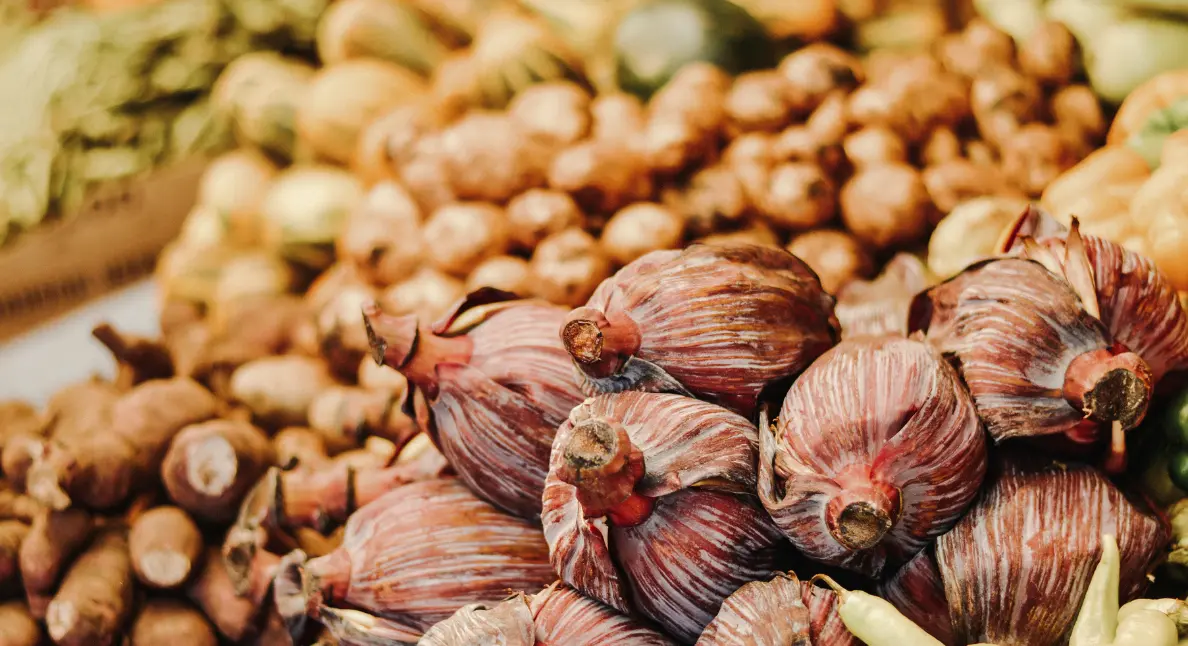
Many makers of handcrafted foods are inherently aligned with sustainability values. They often rely on seasonal ingredients, minimize waste, and avoid harmful chemicals in both farming and food preparation. For example, a local cheese artisan might compost whey byproducts or feed them to farm animals rather than polluting waterways. A craft chocolatier may choose fair-trade cocoa to ensure ethical, eco-friendly sourcing. When consumers choose sustainable food by supporting such producers, they incentivize environmentally responsible practices across the supply chain. In return, they get sustainable food options that they can feel good about. All of these efforts contribute to a food system that is gentler on the planet.
Supporting Communities and Ethical Food Options
In addition to environmental advantages, handcrafted foods align with ethical food options that many conscious consumers seek out. Ethical eating involves a range of issues, from fair labor practices and animal welfare to community well-being. Artisanal foods often excel in these areas precisely because they are made on a human scale. When you buy a handcrafted product, you’re usually supporting a small business or local farmers rather than a distant corporation. This keeps more money circulating in local economies and helps sustain family farms and traditional foodways. It’s an ethical choice in terms of social responsibility: you’re contributing to someone’s livelihood and preserving local food culture.
Animal welfare is another ethical dimension where handcrafted foods shine. Small-scale producers of dairy, eggs, or meat are more likely to raise animals humanely, with access to outdoor space and without the intensive confinement common in factory farms. Similarly, artisans making products like honey or wool often emphasize humane treatment of bees and sheep. Conscious consumers appreciate that ethical food options avoid practices that harm animals needlessly. For a food to qualify as "ethical," consumers overwhelmingly expect it to avoid harming the environment, meet high safety standards, use sustainable practices, and avoid inhumane treatment of animals. Handcrafted foods, by their nature, tend to fulfill these criteria better than their industrial counterparts. Many carry labels such as organic, free-range, fair-trade, or non-GMO, signaling adherence to higher ethical standards.
There’s also a strong community aspect to choosing artisan foods. Frequenting farmers' markets or local craft food fairs fosters relationships between consumers and producers. Shoppers can meet the bakers, beekeepers, and picklers in person, building trust and a sense of community. Even when purchased online or in stores, handcrafted products often include storytelling on their labels about the people and traditions behind them. This transparency and personal touch build consumer trust that the product was made with integrity. Conscious consumers find value in supporting businesses that treat their workers well, uphold traditions, and give back to their communities.
From Farm to Table
While handcrafted foods have traditionally been found at local farmers’ markets and specialty shops, modern technology is making them more accessible than ever. The rise of farmers' market online shopping means that even if you can’t visit a weekend market in person, you can still enjoy artisan products. With just a few clicks, consumers can shop farmers' markets online via dedicated platforms that gather offerings from multiple small producers. These services essentially allow you to get the farmers' market delivered to your doorstep, combining convenience with the charm of local shopping. Online farmers' markets are extremely convenient for both buyers and sellers. Customers can order year-round from their computer, and farmers save time on travel while reaching a wider audience. Many such platforms emerged during recent years to help farms stay connected to consumers, and they have thrived as people discovered the ease of ordering local produce, baked goods, or preserves from home.
To cater to this demand, innovative businesses have sprung up that function as local online farmers' market hubs. Localcart.net is one example of a platform that connects conscious consumers with numerous local farms and artisans in a single online marketplace. Through such a service, you can easily buy handcrafted foods produced in your region and have them delivered in a single consolidated package. This not only saves time but also reduces the logistical barriers for small producers to sell beyond their farm stand. The convenience of having farm-fresh, handmade products delivered appeals to those who want to eat well without always having the time to go out and source each item. These online channels still uphold the values of the farmers' market, just in a digital format. Access to handcrafted foods is expanding, allowing more people to join in the movement even if their busy schedules previously made it difficult.
Why choose artisan food over the countless mass-produced items lining supermarket shelves? For conscious consumers, the answer lies in the combination of quality, ethics, and experience that handcrafted foods provide. Artisan food offers rich flavors and genuine ingredients that heighten the pleasure of eating, all while aligning with values like sustainability and community support. Each purchase is a vote for a food system that prioritizes people and planet over profits.
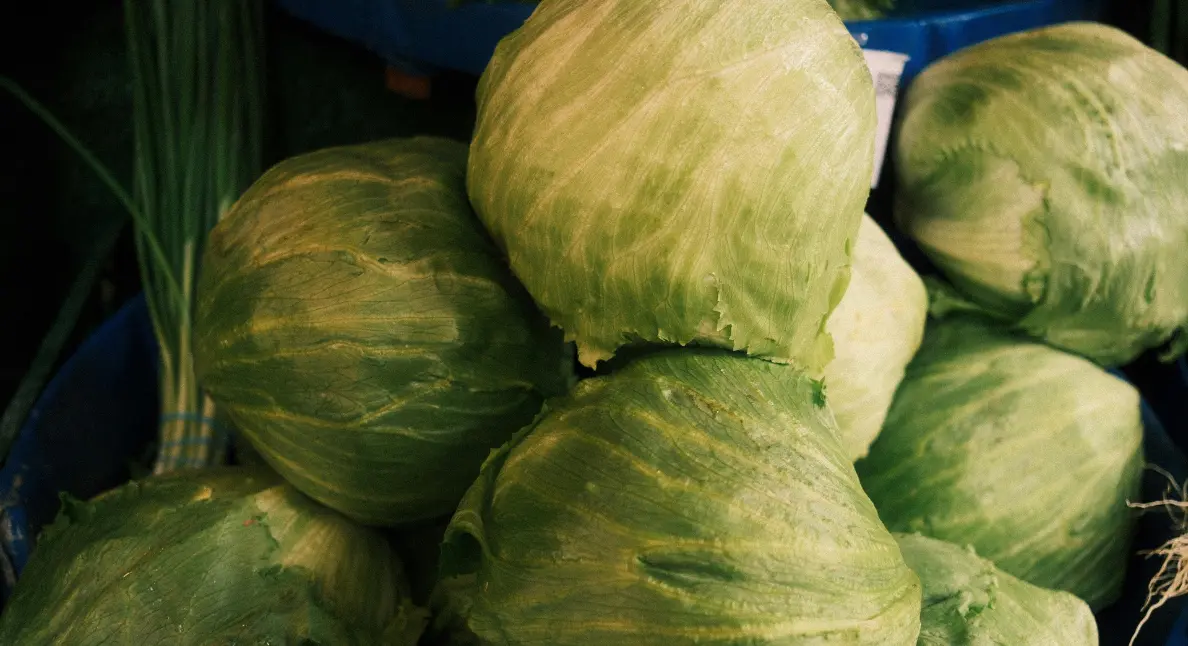
Handcrafted foods are winning over conscious consumers because they represent real food in an era dominated by ultra-processed convenience. They allow individuals to eat in tune with their principles, whether that means reducing environmental impact, ensuring fair treatment of workers and animals, or simply enjoying the authentic taste of something made by hand. By opting for artisanal over industrial, consumers are saying they value authenticity, connection, and responsibility. And as more people make that choice, the market responds with even more variety and availability of artisan products. In the end, choosing handcrafted foods is about nourishing both body and conscience. It’s a delicious way to support a healthier lifestyle and a more sustainable, ethical food culture.
Sources
- seedworld.com Seed World – The Return of Real: Seven Consumer Trends Reshaping the Food Industry (December 15, 2025)
- navirelogistics.com Navire Logistics – Trend in Food Import: Artisanal and Small-Batch Delights (May 21, 2024)
- iccadubai.ae ICCA Dubai – Exploring the Rise of Artisanal Foods and Top Artisanal Courses (Blog)
- uwf.edu UWF Student Research – Sustainable Bites: The Eco-Friendly Benefits of Eating Local (October 9, 2025)
- faunalytics.org Faunalytics – Ethical Food: Ethical Claims That Matter Most To Food Shoppers (Research Summary)
About Us
Local Cart is an easy and convenient platform where local food and beverage entrepreneurs can meet and serve their customers in this new Covid-19 world. We help them more quickly pivot their business from the traditional dine-in or walk-in to a pick-up and/or delivery model. We preserve communities by keeping alive the mom & pop shops they have come to love and depend on for their sense of place.
