Cart is empty

01/07/2026
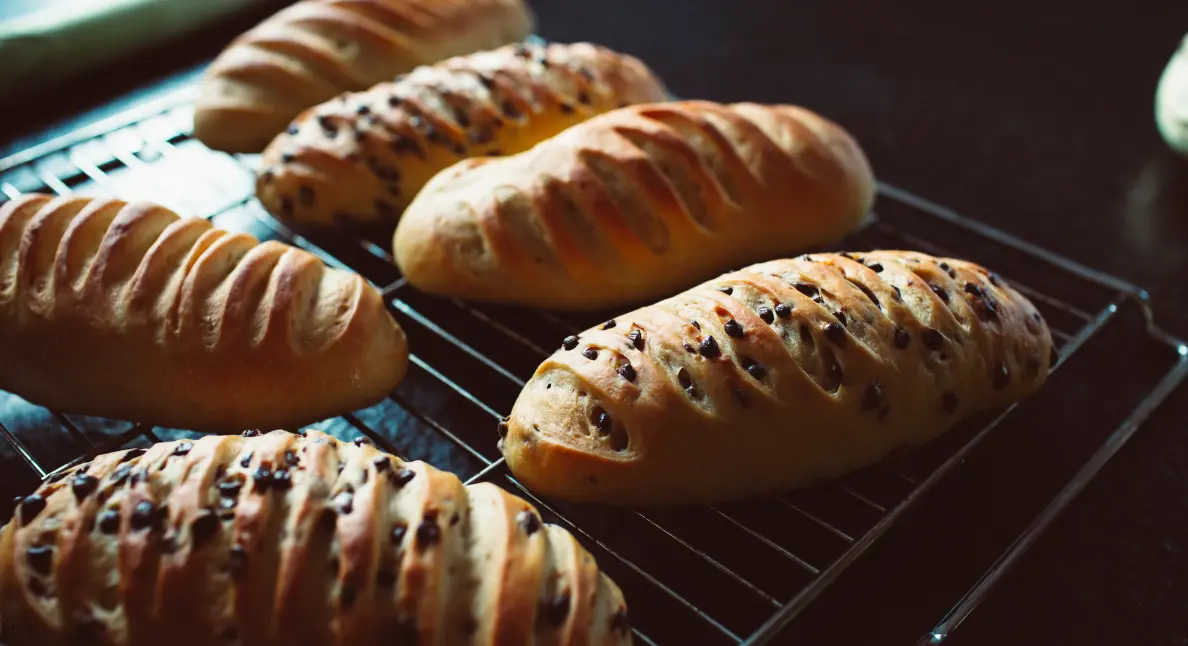
When you bite into a crusty loaf from a neighborhood bakery or a flaky croissant still warm from the oven, you’re tasting more than just bread or pastry. You’re experiencing the result of small-batch baking craftsmanship. In an era dominated by mass production, many people have begun to seek out the old-fashioned goodness of artisan bread and artisanal pastries made in small quantities. Why do these small-batch products often taste, look, and even feel different from the factory-produced loaves and packaged danishes on supermarket shelves? Let’s explore what truly sets small-batch bread and pastries apart, from ingredients and methods to freshness, flavor, and even community impact.
What Does “Small-Batch” Mean in Baking?
“Small-batch” typically refers to food made in limited quantities using traditional, hands-on methods. In baking, that means mixing, fermenting, shaping, and baking in smaller lots rather than an endless industrial assembly line. It aligns closely with the term “artisan.” An artisan producer creates food in limited quantities with traditional bread baking techniques, often by hand and using fresh, minimally processed ingredients. A small neighborhood bakery making a few dozen loaves a day with care and skill embodies this concept, rather than a factory churning out thousands of identical loaves per hour. The baker’s touch and intuition are key parts of the process, resulting in unique loaves and pastries that reflect craftsmanship rather than automation.
Artisanal vs. Commercial Baking: Key Differences
Artisan baking and industrial baking differ in almost every aspect of production. Here are some of the key differences between a small batch bakery and a factory-style operation:
- Production Scale & Process: Small bakeries produce in limited batches, often with individual attention to each dough. Mixing, kneading, and shaping might be done by hand or with minimal mechanization. Industrial bakeries run high-capacity mixers and machines around the clock, turning out huge volumes of bread and pastries continuously. Automation handles most steps in a factory, whereas an artisan bakery relies more on skilled people.
- Ingredients: Small-batch bakers tend to use simple, high-quality ingredients. Often just flour, water, yeast, or natural starter, salt, and perhaps a few enrichments like butter or milk for pastries. There are no fillers or unnecessary chemicals. Industrial producers, however, deploy a long list of additives and processing aids to cut costs and extend shelf life. Ingredients used in mass-produced dough often include refined flours, added sugars or corn syrup, oils, and various additives common in packaged bread, such as preservatives and emulsifiers, which are not found in traditional recipes.
- Techniques & Time: Artisan bakers embrace slow, traditional bread-baking methods. Dough may ferment for many hours or overnight to develop flavor. Many loaves are hand-shaped and given time to proof at their own pace. By contrast, commercial baking is all about speed. Dough is forced to rise quickly using more yeast or chemical leaveners and even high-energy mixing to shorten fermentation to an hour or two. Machines divide and mold the dough in seconds for a uniform shape. The result is a much faster turnaround, but the dough doesn’t get the same time to develop character.
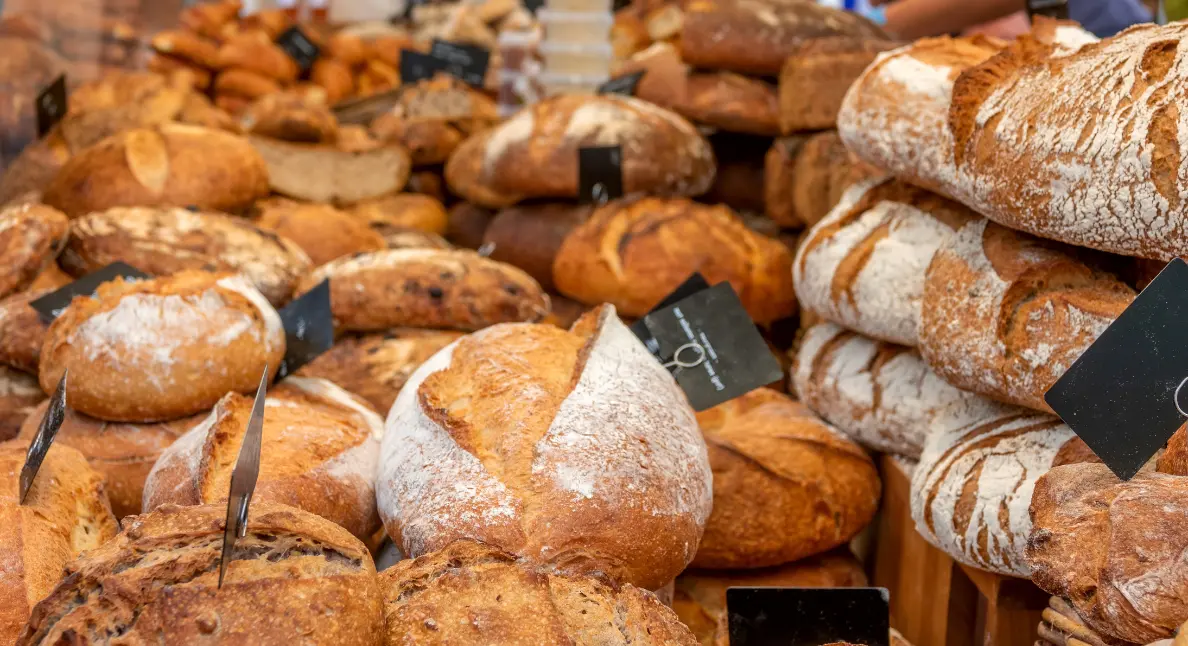
- Flavor & Texture: Because of those extended fermentation times and simple ingredients, small-batch breads and pastries tend to have richer flavor and more interesting texture. A rustic sourdough loaf from a local baker might have a crackling, caramelized crust and a chewy, open crumb with irregular air holes. The aroma will be deeply wheaty or buttery, with a complex character. Mass-produced bread, on the other hand, is formulated to be soft, ultra-uniform, and blandly palatable to as many people as possible. The crust is often very thin or soft, the crumb is tightly closed and spongy, and the aroma is muted. Each slice or pastry is engineered for consistency more than character.
- Consistency vs. Uniqueness: Pick up two baguettes from an artisan shop, and you might notice they’re not exactly identical. Each item is a one-of-a-kind product of human touch, weather, oven quirks, etc. With industrial baked goods, uniformity is paramount. Every hamburger bun in a bag and every factory-made croissant looks exactly the same. That consistency is achieved through machines and additives, but it sacrifices the personal stamp of an individual baker.
These distinctions underscore a fundamental philosophical difference. Small-batch baking is about quality over quantity, infusing each loaf or pastry with tradition and personal care, whereas industrial baking is about high output and reliable sameness on a massive scale.
Fewer Ingredients and No “Mystery Chemicals”
One of the easiest ways to tell apart an old-world bakery loaf from a factory loaf is to look at the ingredient list. Local bakery bread and pastries are usually made of a handful of familiar ingredients. Whereas a typical store-bought mass-produced wheat loaf might contain nearly twenty ingredients, an artisan bread often has closer to five. Those five would be the basics: flour, water, yeast, salt, and maybe a little oil or sugar, depending on the bread type. By keeping recipes simple, artisan bakers let the quality of each component shine through.
Mass producers add a wide range of compounds to dough to tweak its behavior and shelf life. Many supermarket breads include sweeteners to please the palate and promote browning, oils or fats to soften texture, and dough conditioners to strengthen dough or speed up fermentation. These dough conditioners and improvers can include enzymes, emulsifiers, and oxidizing agents. It’s not unusual to find a commercial loaf with ingredients you can barely pronounce. Calcium sulfate, mono- and diglycerides, sodium stearoyl lactylate, or azodicarbonamide may appear in industrial bread formulas. By contrast, you would never find those in a true artisan bakery’s bread. They simply aren’t needed when you have time, skill, and quality ingredients.
In pastries, the small-batch approach favors real butter, fresh eggs, and natural flavors, whereas mass-produced versions might use margarine or shortening, artificial flavorings, and stabilizers to extend shelf stability. When you see a label full of chemical-sounding names on a loaf or pastry, it’s a sign it was engineered for long shelf life or ease of manufacturing, not pure taste. Artisan bakers pride themselves on avoiding additives common in packaged bread. As a result, the flavor of local sourdough bread, for example, comes purely from flour fermentation and skilled baking, not from added sugars or flavor chemicals.
Additives, Preservatives, and Shelf Life
A traditional fresh-baked baguette or croissant has a very short window of peak quality. By the next day, that baguette’s crust is tough, and the interior is drying out. A freshly baked artisan baguette can start to go stale after just one day, whereas a packaged supermarket loaf can stay soft and “fresh” for a week or more. The extended life of factory bread isn’t magic. It’s chemistry.
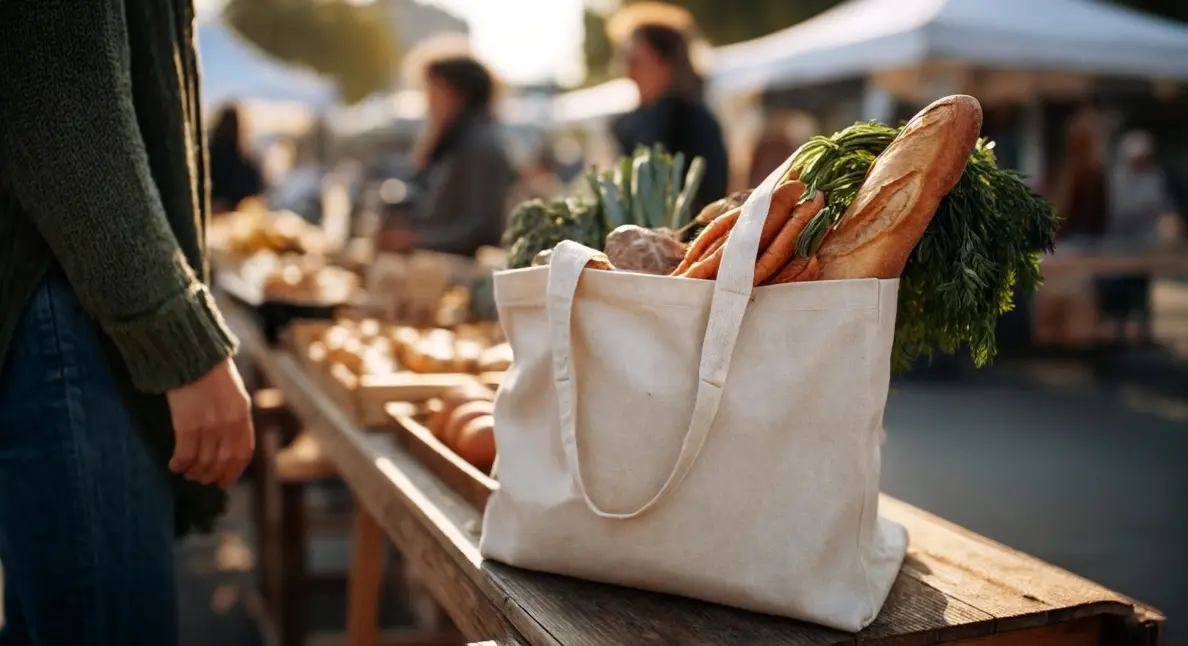
Artisan products are meant to be enjoyed as fresh-baked pastries and breads, consumed within a short time. The shelf life of fresh pastries or an artisan loaf is naturally short, often just 1 to 2 days at room temperature for peak enjoyment. After that, they will stale or spoil because they don’t contain those anti-fungal or anti-staling agents. Some artisan loaves, like true sourdough, can last a bit longer naturally; the acidity in local sourdough bread can deter mold a little, and its crumb retains moisture well, but generally speaking, you won’t get a week of softness from a loaf that has zero additives. And that’s a good thing if you value natural food. Many fans of small-batch bread see this not as a downside but as proof of purity. Real bread should go stale, not remain mysteriously soft for days on end.
Time, Fermentation, and the Art of Baking
Another huge differentiator between small-batch and industrial baked goods is time. Time is an ingredient in itself in artisan baking. Small bakeries often use slow fermentation and proofing schedules. For instance, a baker might mix a dough in the afternoon, let it rise slowly, shape the loaves early next morning, proof them for several more hours, and finally bake them for the day’s customers. This process could easily span 12 to 24 hours from start to finish. The long rise develops not just flavor but also the bread’s structure. Yielding that open, irregular crumb and chewy bite that bread aficionados love.
Commercial bakeries can’t afford to take that kind of time. They rely on industrial yeast strains, higher temperatures, and often mechanical intensification to force dough to rise in a fraction of the time. A technique pioneered in England, known as the Chorleywood Bread Process, uses high-speed mixing and added oxygen to develop gluten in minutes, allowing a loaf to go from flour to packaged product in just a few hours. No slow overnight proofing here. Speed is the goal. While extremely efficient, this rapid process doesn’t give the yeast or bacteria time to create the nuanced flavors that come from slow fermentation.
The Croissant Test: Small-Batch Croissants vs. Factory Croissants
Many boutique bakeries pride themselves on their croissants, making them fresh daily in limited quantities. These artisanal pastries involve a labor-intensive process of laminating dough with real butter. A baker might take two days to produce a batch: Day 1 to prepare and rest the dough; Day 2 to laminate, cut, proof, and bake the croissants in the early morning. The result is a pastry with a shatteringly crisp shell and a tender, honeycombed interior, redolent of butter. Because they’re made in small batches, the baker can adjust the process as needed. If it’s a warm day, they might chill the dough more. If a certain butter works better, they’ll use it even if it’s pricier. Each croissant might have slight variations in shape, but all will boast the handcrafted quality that signals a genuine artisan-bakery product.
Now consider how croissants are handled in many large grocery chains or coffee shop chains. It’s common for these stores not actually make the croissants from scratch on-site, even if they advertise “fresh-baked” goods. Instead, mass production is off-site: a factory produces tens of thousands of croissants using machines, then partially bakes or raw-freezes them. These are shipped frozen to all the store locations. The store’s in-house oven is then used to bake or simply brown them before selling.
For a customer trying to decide, the difference might not be immediately obvious, especially if you’re mainly focused on convenience. But if you ever do a side-by-side tasting of a handmade croissant versus a mass-produced one, you’ll notice the superior aroma and mouthfeel of the handmade item. The butter tastes real, and the pastry has a light but satisfying richness. By contrast, the mass croissant might leave a slight greasy aftertaste or just taste a bit flat. Handmade croissants from a small batch are a benchmark for pastry quality, and they highlight how factory shortcuts can fall short of the real deal.
Supporting Local Bakeries and Traditions
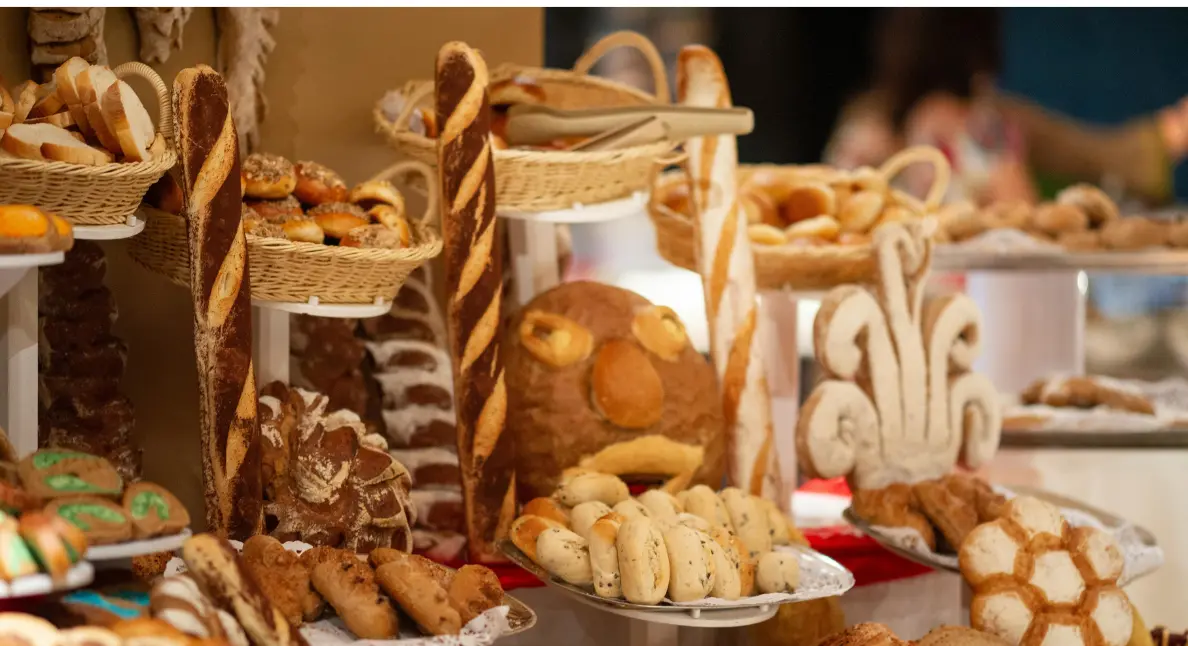
There’s more to small batch bakeries than just the food itself. Choosing an artisan baker’s bread or a family-run patisserie’s pastries is also about supporting a way of life and a set of values. Small-batch bread and pastries are often deeply connected to local culture and community. The recipes might be traditional, passed down for generations, or inspired by regional ingredients. The flour could be sourced from a nearby mill, and the fruits for the Danish from a local farm. These businesses thrive on a close relationship with customers. Artisan bread’s revival has been fueled in part by consumers seeking authentic food experiences and a connection to where their food comes from. A local artisan bakery can become a community gathering spot, a place where people meet and share not just bread, but also conversation and culture.
In recent times, platforms like Local Cart have emerged to connect consumers with these very local artisan producers, making it easier to find and purchase local bakery bread and pastries made in small batches. Technology can support small businesses by allowing you to discover and order from small batch bakeries in your region, ensuring you get authentic products while helping those bakers thrive.
At the end of the day, the differences between small-batch and mass-produced bread and pastries boil down to a simple truth: you can taste and feel the passion and authenticity in the former. The crackle of a well-baked crust, the depth of flavor from long fermentation, the knowledge that only traditional ingredients went into it. That’s not to say there is no place for supermarket bread or that all mass-produced baked goods are “bad.” They serve a purpose in terms of affordability and convenience. By choosing small-batch bread and pastries when you can, you’re not just treating yourself to superior flavor and texture. You’re also keeping baking traditions alive and supporting artisans who truly care about their craft. Each purchase is a vote for real food made by real people. So next time you need bread for your table or a treat for yourself, consider skipping the grocery aisle and visiting a local baker or an online local marketplace. Savor the difference that a small batch makes. Once you’ve experienced it, you’ll know that in the world of bread and pastries, smaller is often better.
Sources:
- Michigan State University Extension – Clearing up confusion about artisan food (definition and characteristics of artisan bread)
- Mirabake – Artisan vs Commercial Baking: Key Differences (comparison of artisan and industrial baking philosophies)
- Popular Science – What is Gluten? (ingredient count in mass-produced vs. artisan bread)
- Food Republic – The Science Behind Why Store-Bought Bread Lasts Longer (shelf life and additives in commercial bread)
- Food Business Review – The Artisan Bread Revival and the Benefits of Handcrafted Baking (nutritional and digestive benefits of long fermentation)
- Sustain (Real Bread Campaign) – “Freshly baked or freshly faked?” (exposé on par-baked breads in chains and supermarkets)
- The Daily Meal – The Clever Bakery Bread Hack That Guarantees Fresh Loaves In A Flash (explanation of par-baking and its outcomes)
About Us
Local Cart is an easy and convenient platform where local food and beverage entrepreneurs can meet and serve their customers in this new Covid-19 world. We help them more quickly pivot their business from the traditional dine-in or walk-in to a pick-up and/or delivery model. We preserve communities by keeping alive the mom & pop shops they have come to love and depend on for their sense of place.
