Cart is empty

01/10/2026
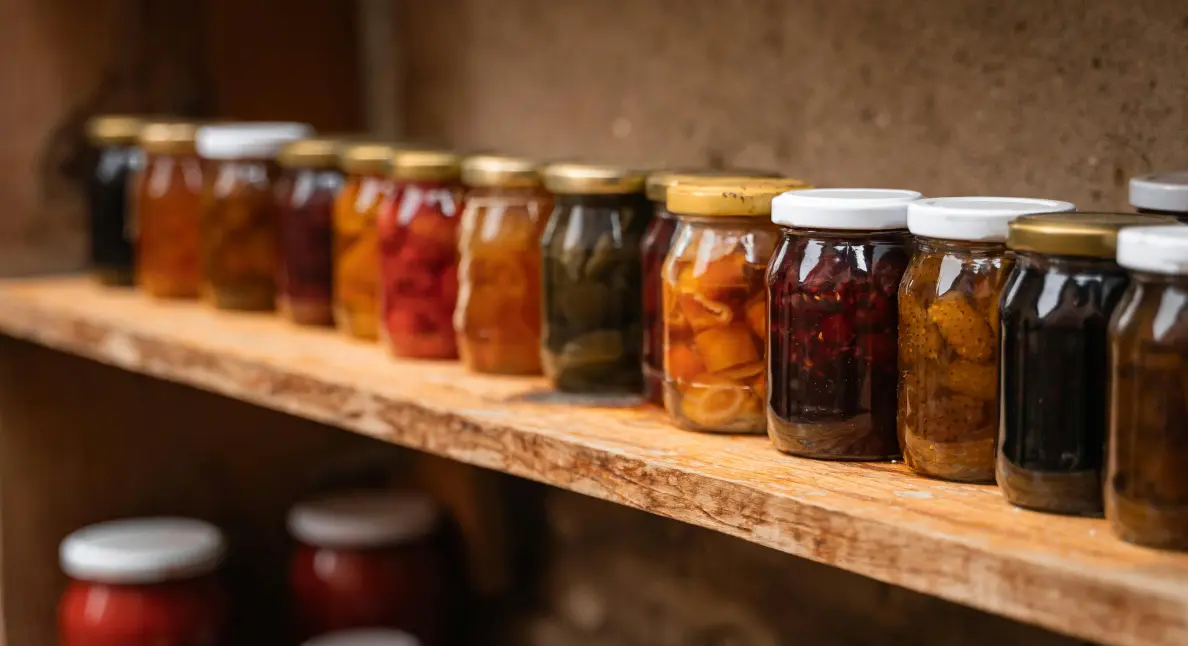
Making small-batch jam at home has become an increasingly popular pastime for food enthusiasts. There’s something satisfying about transforming seasonal fruits into homemade fruit preserves with simple ingredients and artisanal techniques. From experimenting with unique flavor combinations in artisanal jam recipes to adjusting sugar levels for healthier spreads, small-batch jam-making lets you control every aspect of the process. This article will delve into the fundamentals of crafting quality jams and preserves. Whether you’re an experienced canner or a curious beginner, these basics will help you create delicious small-batch preserves with the perfect consistency and flavor.
Jam vs. Preserves: Understanding the Difference
Fruit preserves and jams might seem identical. Both are sweet spreads made from fruit and sugar. However, the differences between jam and preserves come down to the form of the fruit and the texture of the finished product. Jam is typically made from crushed or chopped fruit cooked with sugar until it breaks down into a spreadable consistency. It contains bits of fruit pulp and sometimes seeds, giving it a slightly textured, yet uniform, spread that holds its shape. Preserves, on the other hand, feature more distinct pieces of fruit. They are often made with small whole fruits or larger chunks suspended in a thick syrupy gel. This means preserves usually have a chunkier texture than jams.
It’s worth noting that both jams and preserves fall under the broader category of fruit spreads or preserves. Both types rely on sugar and heat to preserve the fruit, but their textural distinction can impact how you use them. A strawberry jam might spread easily onto toast, while strawberry preserves with larger berry pieces could serve as a chunky topping for ice cream or yogurt. When shopping or labeling your own creations, remember that jelly is different, too. Jelly is made from fruit juice and is clear and firm. Jams and preserves use the whole or mashed fruit pulp, making them opaque and less rigid than jelly. Understanding these terminology differences ensures you choose the right style of fruit preserves for your needs, whether you crave a smooth spread or fruit-packed treat.
Selecting the Best Fruits for Small-Batch Jam
The foundation of any great jam is high-quality fruit. Using ripe, flavorful produce is one of the secrets to exceptional small-batch jam. But beyond flavor, fruit selection also affects the jam’s ability to gel. Some fruits naturally contain a lot of pectin, the plant fiber that thickens jams, while others have very little. For the best fruit for small batch jam, consider both the fruit’s flavor and its pectin content. Fruits like apples, quince, grapes, and blackberries are rich in natural pectin and tend to set into jam easily. By contrast, fruits such as strawberries, cherries, peaches, and apricots are lower in pectin. Jams made from these may require longer cooking or added pectin to achieve a good set. One traditional trick for a better gel is to include a portion of slightly under-ripe fruit in your batch. Just-ripe or under-ripe fruits have higher pectin levels than overripe ones.
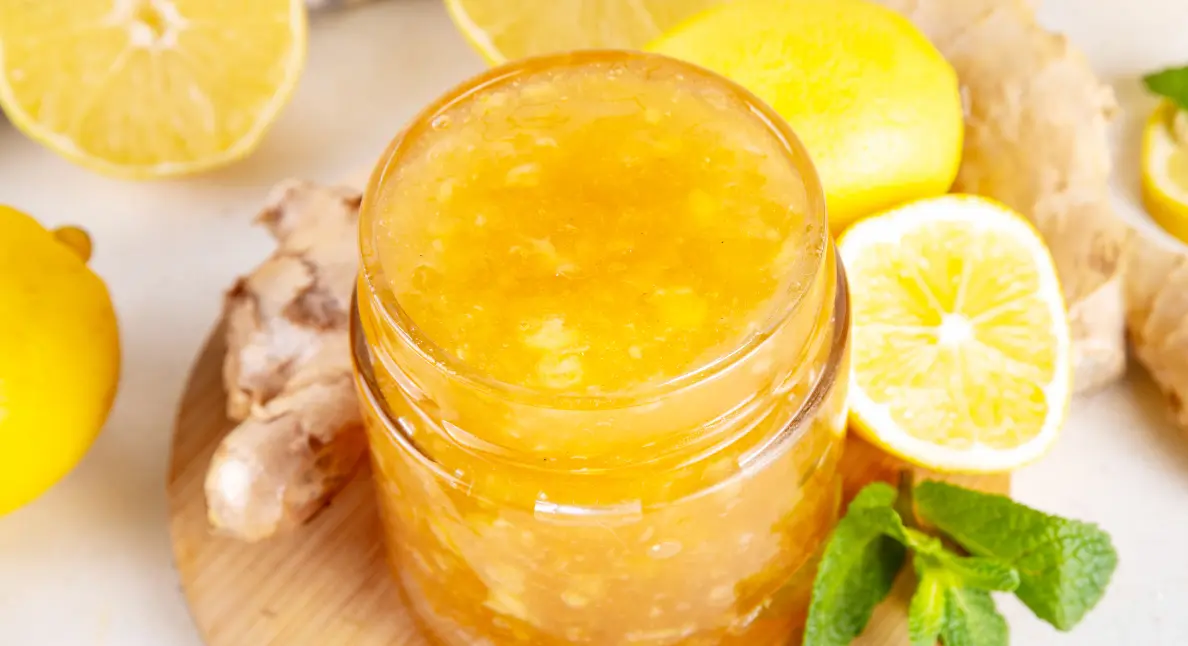
Besides pectin, the fruit’s acidity matters too. High-acid fruits also assist in gelling and flavor brightness. Low-acid fruits might need added lemon juice to balance sweetness and help the jam set. Always start with high-quality fruit. Avoid any that are moldy or overly bruised. Blemished or misshapen fruits that are otherwise fresh and tasty are fine for jam, but the best flavor comes from fruit at its peak ripeness. Small-batch jam is a wonderful way to capture seasonal flavors at their freshest. You might do a berry jam in the summer and a citrus marmalade in winter, for example. By picking ripe, flavorful fruits and being mindful of pectin, you set the stage for a jam or preserve with great taste and a pleasing texture.
Sweetness and Science: Sugar’s Role in Jam Making
When it comes to sugar for jam making, the amount of sweetener you use is a critical factor in preservation and texture. Indeed, understanding sugar levels in jam is essential because sugar plays multiple roles beyond sweetness. In a jam recipe, sugar acts as a preservative by binding water molecules, preventing mold or bacteria from growing. It also works with pectin and acid to form the gel structure that gives jam its semi-solid consistency. Traditional jam recipes are developed to include a precise ratio of fruit to sugar to ensure proper gelling and long-term shelf stability. Too little sugar, and your jam might not set properly or could spoil more easily; too much sugar, and the jam could become overly stiff or candy-like in texture.
For a typical fruit jam, the sugar content is quite high, often close to equal weight with the fruit, yielding a final concentration around 65% sugar in the finished product. This might sound excessive, but that level is what enables the jam to “set” and resist spoilage. As the jam mixture cooks, water boils off, and the sugar concentration increases. The magic gel point for jam usually occurs when the boiling mixture reaches about 220°F (105°C) at sea level, corresponding to roughly 65% sugar content. At that point, the sugar, pectin, and acid form a network, and the jam will thicken upon cooling. Not coincidentally, 65% sugar is also a hostile environment for most microorganisms, which is why properly made jam can be sealed and stored for months or even years. In short, sugar is the backbone of both jam flavor and preservation.
If you’re aiming for a low-sugar jam version, you must compensate for the sugar’s lost functions. Simply cutting the sugar in a standard recipe can lead to runny syrup and sa horter shelf life. One solution is to use special low-sugar pectin products or pectin types that are formulated to gel with little or no sugar. Another approach is making refrigerator or freezer jam, which skips traditional canning and is stored cold. These can use less sugar since you’re relying on refrigeration for preservation rather than sugar concentration.
Keep in mind that with less sugar, the jam’s flavor may taste less sweet, and the color might not be as vibrant over time. Understanding sugar levels in jam also means recognizing that sugar balances acidity. If you reduce sugar, the jam might taste tart unless you also adjust the acid. Always use a tested low-sugar jam recipe rather than just reducing sugar arbitrarily, because the chemistry of gelling needs to be right. Sugar is the key to preservation, and without the proper proportion, you may end up with ice cream topping instead of jam. So, respect the role of sugar or choose proven low-sugar methods to ensure your jam is both safe and scrumptious.
Pectin and Texture: Choosing the Right Gelling Agent
Pectin is a natural carbohydrate (fiber) found in fruits, and it’s what creates that gel structure when combined with sugar and acid. While many fruits contain some pectin, they might not have enough on their own to fully set a jam, especially in small batches or low-sugar recipes. That’s where commercial pectin comes in. Home jammers can buy pectin in powder or liquid form, derived usually from apples or citrus peels. But not all pectins work the same way. When choosing pectin for thicker preserves, it's important to know the different pectin types available and how they gel. In simple terms, pectins fall into two broad categories: high-methoxyl (HM) and low-methoxyl (LM). High-methoxyl pectin is the standard type in most regular jam recipes – it requires a good amount of sugar and an acidic environment to set properly. Low-methoxyl pectin, on the other hand, will gel in the presence of calcium ions and does not need high sugar to form a gel. This distinction is crucial. If you use a regular HM pectin but try to make a low-sugar jam, it may never set because there isn’t enough sugar for the pectin to form its network.
Reasons a Jam Turns Runny: Troubleshooting Setbacks
A runny jam can feel discouraging, especially after carefully following a recipe. Most setting problems stem from chemistry, timing, or environmental conditions rather than a single mistake. Understanding the most common causes makes it much easier to diagnose what went wrong and adjust future batches with confidence.
- Ingredient Balance Issues: Jam relies on the right relationship between fruit, sugar, pectin, and acid to form a gel. Reducing sugar, skipping lemon juice, or using fruit low in natural pectin can prevent structure from forming, leaving the finished jam thin instead of spreadable.
- Insufficient Cooking Temperature: For pectin to activate, jam must reach the gel point, typically around 220°F at sea level. Ending the cooking too early or using uneven heat can stop the chemical process before it completes, resulting in a mixture that never thickens properly.
- Oversized Batch Problems: Large batches heat less evenly, making it harder to reach the gel stage throughout the pot. Some areas may scorch while others remain undercooked. Smaller batches allow better temperature control and more consistent evaporation, improving the chances of achieving a proper set.
- Environmental Cooking Factors: Humidity and altitude affect how water evaporates and when mixtures boil. On humid days or at higher elevations, jam may require extra cooking time to reach the correct concentration. Ignoring these conditions can lead to under-reduced, runny results.
- Recipe Adjustments and Improvisation: Altering a tested recipe without compensating for changes can disrupt the balance needed for setting. Cutting sugar, doubling volume, or swapping fruit varieties often requires recalculating pectin or acid levels to maintain the gel structure.
Even when a batch doesn’t set as expected, it’s rarely a failure. Runny jam can often be re-cooked or repurposed as a sauce, and each attempt builds practical experience. With careful measuring, attention to temperature, and a willingness to adapt, consistent results come surprisingly quickly.
Reading Ingredient Labels on Preserves
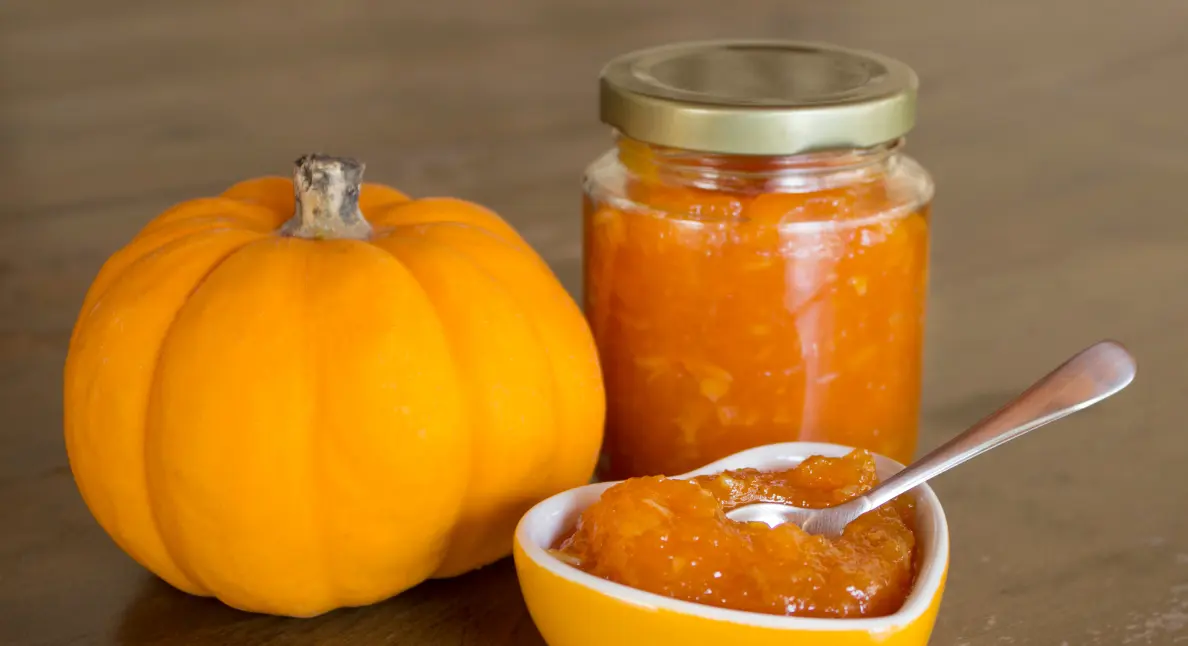
If you’re buying jams or preserves from stores or local markets, becoming savvy at reading ingredient labels on preserves will help you choose the highest-quality products. The ingredient list can tell you a lot about a jam's content and quality. Ingredients are listed in order of predominance by weight, so ideally, you want to see fruit listed first. That’s a sign that the product contains more fruit than sugar. Some mass-produced, or cheaper jams might list sugar or corn syrup before any fruit, indicating that the spread is more sweetener than fruit. If a strawberry jam’s label starts with “high fructose corn syrup” or “grape juice concentrate,” that means those cheaper sweeteners make up a large part of the jam, often resulting in an overly sweet taste with less real fruit flavor. Premium or artisan jams usually boast a short ingredient list: just fruit, sugar, pectin, and maybe lemon juice.
Be wary of terms like “fruit spread” or “spreadable fruit.” These labels are often used to market jams that might have no cane sugar or reduced sugar, but they can be misleading. A name like “All Fruit Spread” might suggest no added sugar, but the product could still contain high-calorie concentrated fruit syrups. Always check the fine print. Look out for any preservatives or additives. Many shelf-stable jams simply rely on sugar and proper canning for preservation and shouldn’t need artificial preservatives. If you see ingredients like potassium sorbate or artificial flavorings, that jam might be more processed.
Note the fruit content percentage if provided. A higher fruit content generally means a more intense fruit taste. When reading ingredient labels on preserves, you might discover that two jars labeled “strawberry preserve” can be quite different. One might be packed with actual strawberries, while another is bulked out with apple juice or puree as filler. If you prefer an old-fashioned jam made with just fruit and sugar, those details matter. The effort is worth it: jams made with pure, straightforward ingredients often taste more like homemade. In short, don’t be swayed only by marketing terms like “natural” or “artisan.” Let the ingredient label and your taste buds be the judge. Remember that fruit preserves and jams, even the indulgent sugary ones, are meant to be eaten in small amounts as a treat.
The Price of Quality: Understanding Small-Batch Pricing
Artisan jams made in small batches often carry a higher price tag than mass-produced supermarket jams, and there are good reasons behind the pricing of small-batch preserves. When you buy a jar from a local jam maker or farmers’ market, you’re usually paying for top-notch ingredients and a labor-intensive process. Consider the fruit itself: small-batch producers tend to use high-quality fruit, often sourced locally and picked at peak ripeness. These fruits might be organic or unsprayed, and they’re usually not the bargain bulk buys that large factories might get. Quality fruit costs more, and it also yields fewer jars if you’re prioritizing fruit over cheap fillers. In many artisan jam kitchens, you won’t find corn syrup stretching out the yield – it’s all real fruit and cane sugar. That means the fruit-to-sugar ratio might even be higher than a commercial jam, which is great for flavor but also more costly to make.
Economies of scale also play a big role. A major jam company can produce thousands of jars in an hour with industrial equipment, buying sugar and fruit at huge volume discounts. A small producer might be cooking 10 or 20 jars at a time in an open kettle, hand-filling and labeling each jar. The per-jar labor and overhead are much higher. Equipment and kitchen space also add to the cost. Think of it this way: the price of that $10 artisan jam isn’t just the ingredients; it’s also a share of the time and care that went into it. Many small-batch jam entrepreneurs do it for love more than profit. If you break down the cost, they often aren’t making a huge margin. Real vanilla beans, exotic spices, or liquor infusions in a specialty jam can further increase ingredient costs but also elevate the flavor.
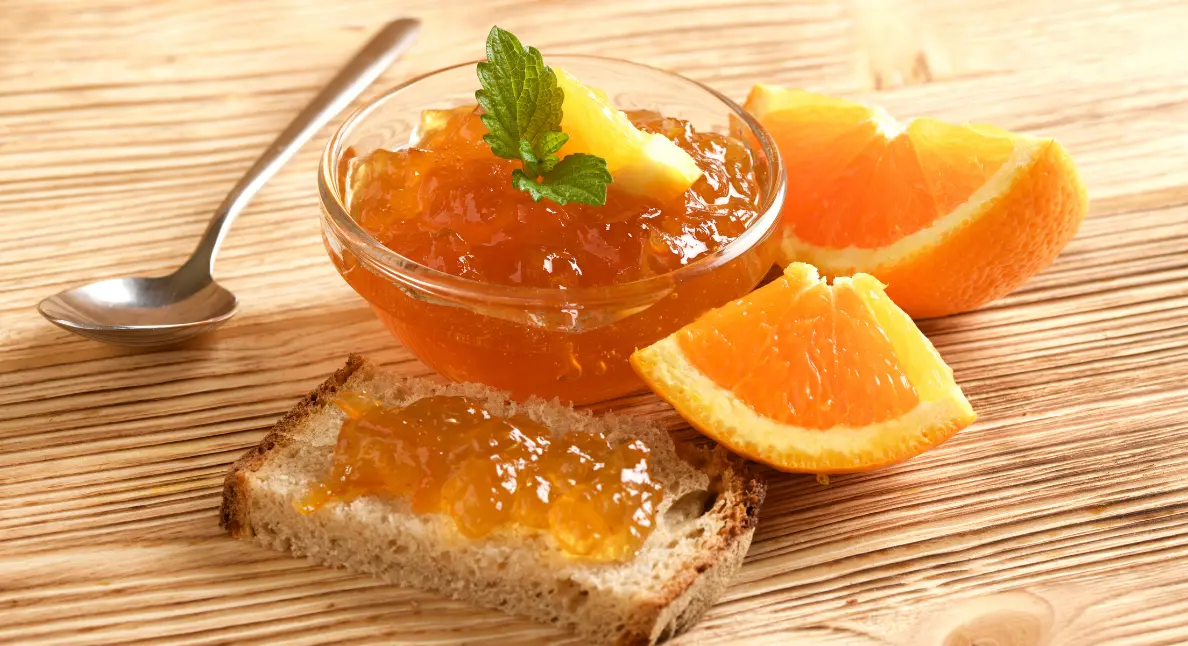
At Local Cart, we celebrate these traditions of quality and craftsmanship. Small-batch producers pour their passion into every jar, and the results are well worth tasting. So whether you’re shopping for a unique jam or boiling up fruit and sugar on your own stove, remember the basics: great fruit, balanced ingredients, patience, and a dash of love. Armed with this knowledge, you’ll be on your way to enjoying jam and preserves with perfect texture and incredible flavor, a true taste of homemade goodness.
Sources:
- University of Nebraska-Lincoln Food Extension – Jams, Jellies and Preserves: Definitions and Ingredients
- Exploratorium – Science of Cooking: Pectin & Preserves
- National Center for Home Food Preservation – Jellied Product Ingredients (Sugar and Pectin)
- University of Georgia Extension – Pectin for Home Food Preservation: Types, Uses, and Tips
- WeightWatchers – The Skinny on Preserves, Jams, and Jellies (Choosing a Healthier Option)
- Naramata-Blend Blog – “Spreading the love – Artisan jam vs. store bought”
About Us
Local Cart is an easy and convenient platform where local food and beverage entrepreneurs can meet and serve their customers in this new Covid-19 world. We help them more quickly pivot their business from the traditional dine-in or walk-in to a pick-up and/or delivery model. We preserve communities by keeping alive the mom & pop shops they have come to love and depend on for their sense of place.
