Cart is empty

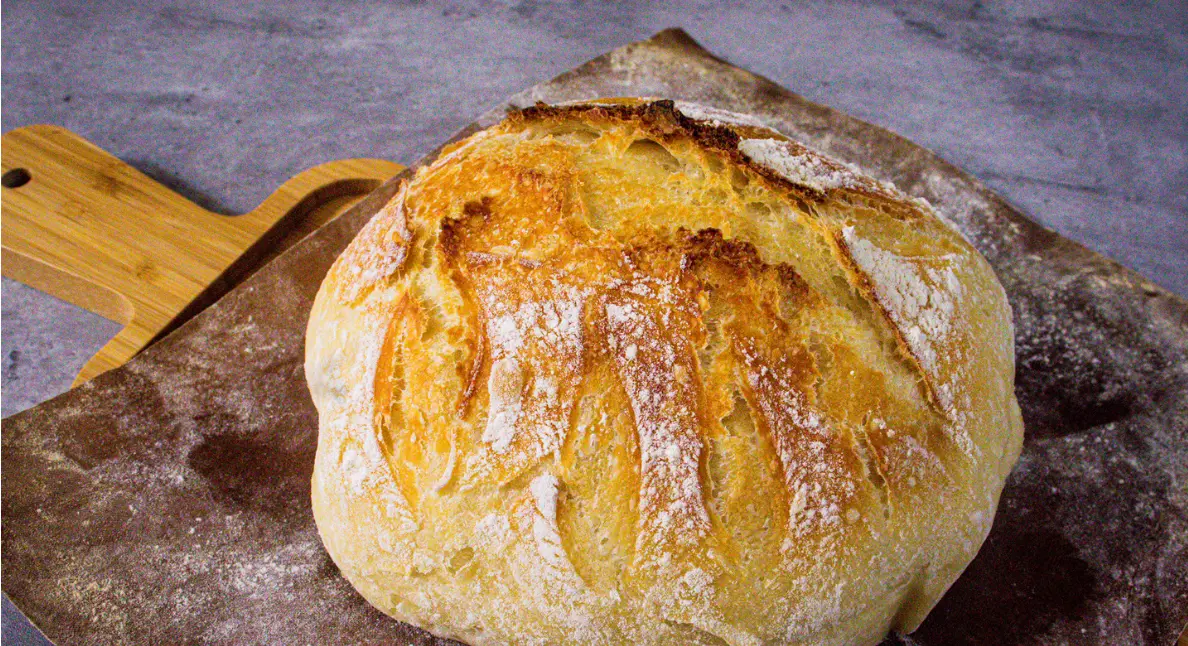
01/04/2026
In today’s food landscape, consumers can choose between handcrafted foods from local artisans and mass-produced products from big factories. This comparison of artisan vs. industrial food production isn’t just about scale. It raises questions of taste, nutrition, and overall quality. Many people have noticed that foods made in small-batch food operations often boast a freshness and flavor that their mass-market counterparts lack. Whether it’s the jam from a neighborhood farm stand or a canned spread from a global brand, understanding mass market quality versus small-scale quality can inform smarter choices. Platforms like LocalCart help bridge that gap by connecting consumers with local food producers and small food businesses focused on quality.
Small Batch vs. Mass Market: Defining the Difference
Small producers usually make limited quantities with an emphasis on quality and local sourcing. Large industrial producers, by contrast, prioritize efficiency and volume to supply national or global markets. This means mass-produced foods lean on standardized recipes, automation, and additives to ensure every unit is identical and shelf-stable across thousands of stores. Industrial food products commonly include preservatives, artificial additives, and cheaper commodity ingredients to extend shelf life and maintain consistency across huge batches. On the other hand, an artisan bakery or sauce maker working in small batches can be choosier with ingredients and adjust each batch by hand, yielding a product with unique character.
Ingredient Quality: Real vs. Processed
One major difference lies in the ingredients themselves. Small producers tend to use high-grade, whole-food ingredients to create a superior product. Many local farmers' markets showcase this approach, with vendors selling products made from farm-fresh ingredients such as raw honey, heirloom tomatoes, and single-origin cocoa. Big food companies often formulate products to hit a price point, which can mean relying on processed inputs, fillers, or even artificial substitutes.
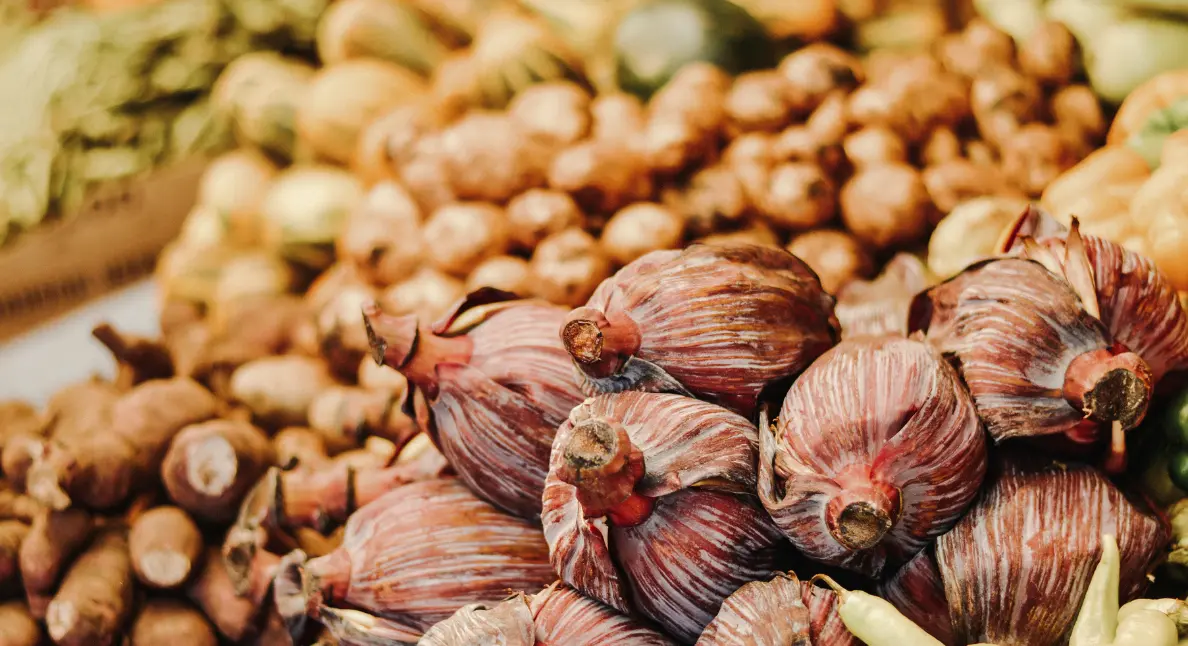
The ingredient quality in small-batch food is typically higher because these producers aren’t afraid to use real vanilla, pure olive oil, or organic cane sugar, even if it’s pricier. Mass-market brands might use imitation flavorings or lower-cost oils to save a few cents per unit. Industrial manufacturers have even invented substitute ingredients to cut costs. For instance, using “cheese analogues,” which are fake cheese products made from vegetable oil and milk by-products with minimal nutritional value, solely to reduce manufacturing costs, regardless of the loss of quality. By contrast, a small cheesemaker would use real milk and time-honored practices to achieve flavor, not cheap stand-ins.
Processing and Additives
Beyond what goes into a recipe, how the food is processed plays a huge role in quality. Small producers often use traditional processing methods. These methods preserve flavor and nutrition but aren’t easily scalable. In contrast, processing in mass-produced foods is optimized for speed and volume. Large factories use high-temperature cooking, rapid mechanical mixing, and continuous production lines. The result is efficient output, but such heavy processing can strip away subtle flavors and degrade some nutrients.
To compensate for long distribution times, big manufacturers rely on chemical preservatives, stabilizers, and extensive packaging. It’s common to find preservatives in big-brand foods like commercial breads or sauces so they can sit on warehouse or supermarket shelves for months. Small-batch items, made without those additives, usually have a shorter shelf life, and that’s by design. Unlike mass-produced foods, cottage food products often have a much shorter shelf life because they lack the preservatives used in big factories. For consumers, this means small-batch foods may arrive fresher and free of the artificial chemicals that can alter taste or raise health concerns. The trade-off is that you might need to enjoy them sooner and store them carefully. Minimal processing and the avoidance of additives give small-batch foods a “cleaner” quality profile, whereas mass-produced foods sacrifice some freshness for longevity and convenience.
Scale Effects on Food Flavor
Perhaps the most noticeable difference for consumers is in the flavor and texture of small-batch foods versus mass-market foods. Many people swear that a local farm’s vegetables or an artisan baker’s loaf simply taste better than the supermarket versions. There is scientific and historical evidence behind this perception. Over the past decades, large-scale agriculture and food companies have bred and engineered products for yield, uniform appearance, and durability in shipping. The industry’s strict focus on maximizing production and shelf life coincided with an erosion of flavor and even nutrition in produce. Breeders created fruits and vegetables that are big, tough, and plentiful, but while production has been priority one, flavor and nutrition have suffered in comparison.
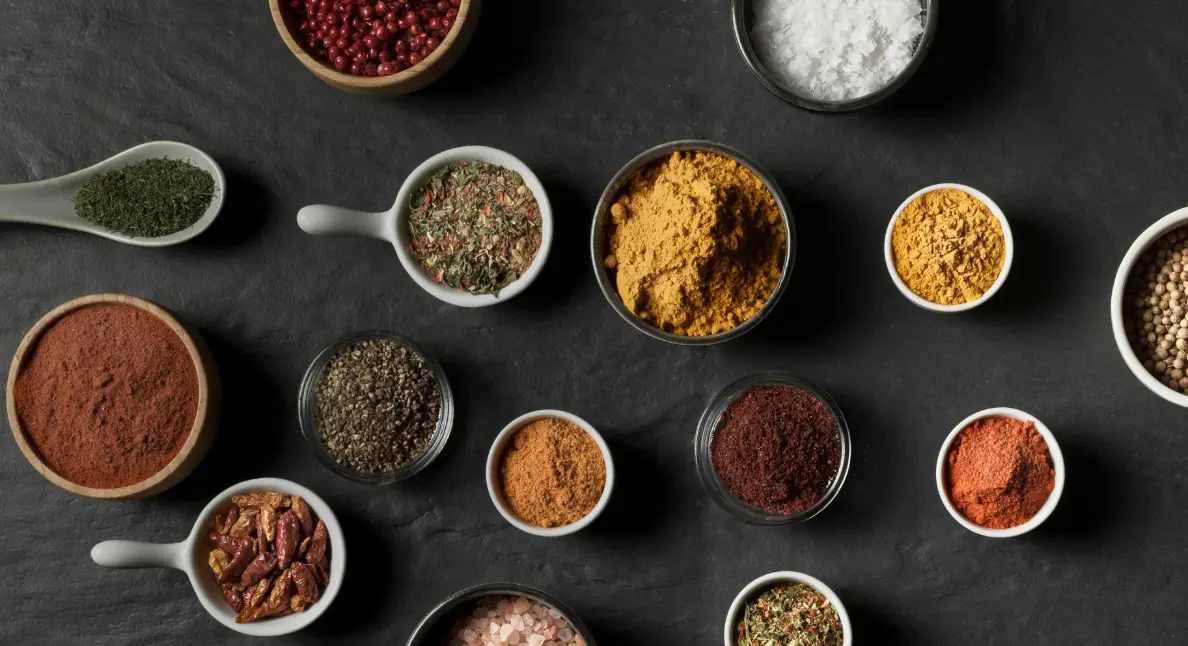
Mass-market produce often ends up bland and mealy because it's optimized for shipping, not flavor. Small-scale farmers, however, can grow heritage varieties or pick crops at peak ripeness since they don’t need them to survive a 1,500-mile journey. In prepared foods, recipes that taste perfect in a home kitchen can lose their magic when scaled up to an industrial factory. The delicate flavors that develop from slow cooking or careful seasoning might get lost when a recipe is produced in a huge 5,000-gallon batch. The differences show up clearly in how ingredients are grown, processed, and prepared before they ever reach a plate.
- Breeding for Yield Over Taste: Large-scale agriculture has reshaped crops to meet the demands of industrial distribution rather than sensory quality. Fruits and vegetables are bred for uniform size, thick skins, and long shelf life, allowing them to withstand harvesting machines and long-distance shipping. These traits often come at the expense of natural sugars, aromatic compounds, and texture. Small-batch producers can grow heritage or flavor-forward varieties and harvest at peak ripeness, preserving complexity that mass-market systems typically sacrifice.
- Processing Methods That Flatten Flavor: Techniques such as prolonged heat exposure, high-pressure extrusion, and large-scale pasteurization can mute delicate flavors and aromas. Seasonings that taste balanced in small quantities may become indistinct or harsh when multiplied thousands of times. In contrast, small-batch preparation allows for shorter cooking times, gentler handling, and adjustments that protect subtle flavor notes throughout the process.
- Freezing, Storage, and Time Delays: Mass-market foods are often frozen, stored, and transported for extended periods before consumption. Bulk freezing and long storage cycles can degrade texture and dull freshness, especially in items designed to be eaten soon after preparation. Ice crystal formation, moisture loss, and oxidation all play a role. Small-scale producers typically work within tighter timelines, reducing the need for aggressive preservation and allowing foods to retain brightness and a more immediate, vibrant taste.
Small-batch producers often avoid those pitfalls by cooking in smaller pots or baking in small ovens, closely monitoring quality at each step. The result is often a depth of flavor or a textural “personality” that mass-produced foods struggle to achieve. From the pronounced spices in a jar of local kimchi to the complex aroma of a micro-roasted coffee, scaling down seems to scale up the flavor.
Freshness and Nutrient Retention
When it comes to fresh products from small producers, another quality advantage is how quickly those foods move from farm or kitchen to your plate. Local and small-batch producers usually sell directly at local farmers' markets, through community-supported agriculture (CSA) boxes, or via specialty organic food stores and co-ops. These short supply chains mean products are harvested or made and then sold within days. The freshness is not just a taste perk. It has nutritional implications, too. Fruits and vegetables begin losing nutrients as soon as they are picked. Large agribusiness supply chains often require produce to be picked before fully ripe and then transported long distances in cold storage. By the time a tomato or berry reaches a national grocery chain, it could be a week or more since harvest. The average grocery store produce item travels about 1,500 miles from farm to store, and in the process, it may lose up to 45% of some of its vitamin content. That means the tomato from a farm stand likely has far more vitamins than one that was trucked across the country and gassed to appear ripe.
Even when comparing organic fruits and vegetables, local wins on freshness: a lettuce grown organically in California but shipped cross-country will have fewer nutrients by the time it arrives than one grown organically nearby and sold the same day it was picked. Small producers are also less likely to use practices like waxing fruits or irradiating produce for longevity, so what you get is more natural. Of course, not everything local is automatically superior, but generally, a shorter time from soil to table preserves more vitamins, antioxidants, and live enzymes in our food.
Beyond produce, freshness matters for dairy, baked goods, and other items as well. A loaf of bread from a small bakery with no preservatives might only be at peak quality for two or three days, but you know it was baked that morning with simple ingredients. A factory-made loaf can last two weeks due to additives, but it likely doesn’t deliver the same fresh-baked goodness or nutritional value. So if you want nutrient-dense, fresh products from small producers, the key is to enjoy the seasonal rhythms. Eat foods when and where they’re produced, and you’ll taste the difference and likely get more nutrition too.
Transparency and Labels: Organic and Non-GMO
Another aspect of quality is transparency about how food is made and what’s in it. Here, small-batch producers often excel by building trust through honesty and high standards. Pick up a jar of artisan jam or a bag of local granola, and you’ll typically see a short ingredient list with recognizable items, sometimes even a note about which farm or region ingredients came from. Many small brands also adhere to values that appeal to health-conscious consumers, such as using only organic ingredients or avoiding genetically modified organisms (GMOs). You might notice non-GMO claims on labels of many boutique or craft food brands, along with certifications like USDA Organic and Fair Trade. These labels signal a commitment to quality and ethics that go beyond what’s inside the box.
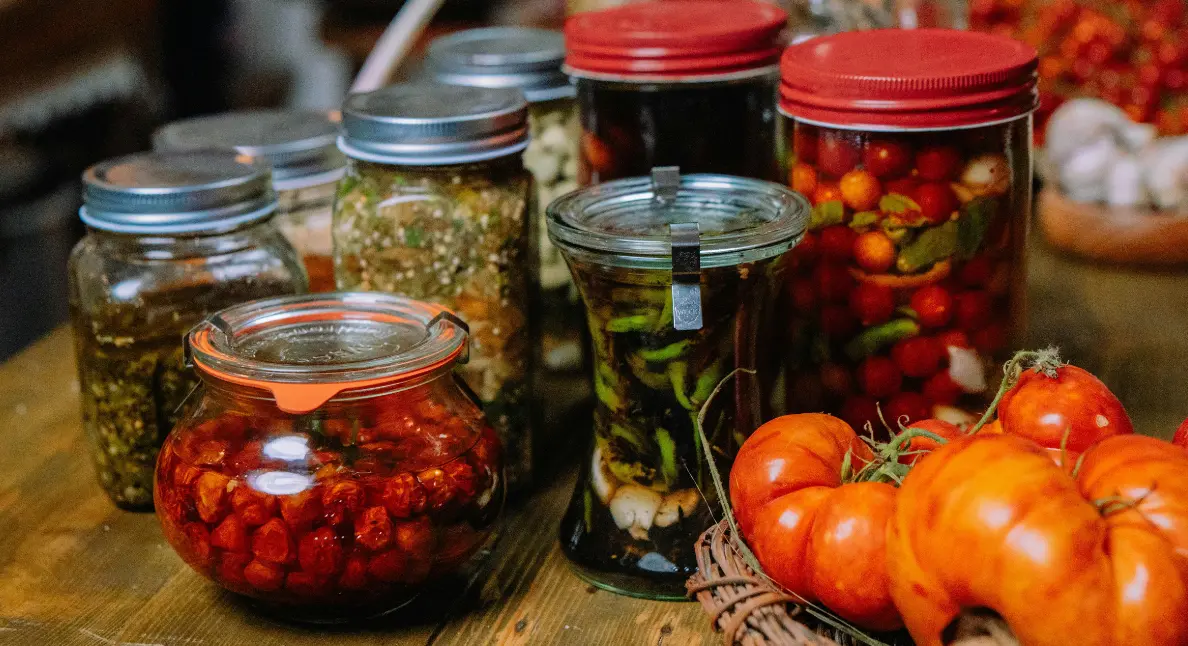
Generally, industrial producers follow minimum requirements to use those labels, whereas small producers often exceed them because it’s part of their core mission. Consumer demand supports this trend: a recent industry report highlighted that about 62% of shoppers said they prefer snacks that are labeled organic or non-GMO, a jump from a few years prior. That means a majority actively look for these quality cues when making purchases. Small producers leverage this by maintaining clean labels and avoiding the laundry list of additives that can be found in mass-market items. Shopping at organic food stores or farmers' markets, you’re likely to encounter many such products where the branding is all about what’s not in the food. This transparency not only helps consumers make informed choices, but it also often correlates with a better product.
Benefits of Small-Batch Food Producers for Consumers
People are increasingly seeking quality over quantity. They want foods that are not only safe to eat but also more enjoyable and nourishing. Shoppers buy artisan or small-batch foods for the exceptional flavor and premium ingredients, to support their local economy, and to eat more natural or organic diets. They see multiple benefits: a tastier product, a healthier profile, and the satisfaction of knowing their dollar supports a local food venture or sustainable practice. While small-batch items can be more expensive than mass-produced ones, many find the quality worth the price. The old “you get what you pay for” mentality.
Quality in food is a multi-faceted concept. It covers flavor, nutrition, safety, and even ethical sourcing. Comparing small-batch and mass-market food producers shows that scale does influence quality in meaningful ways. Small-batch foods often deliver on taste, freshness, and authentic ingredients, largely because their makers prioritize these factors over maximizing output. Mass-produced foods focus on consistency, cost-effectiveness, and a long shelf life, which can mean compromises such as blander flavors or added preservatives. There is room for both in our lives, and each consumer can decide what matters most per purchase. If you’re seeking the peak of quality and a connection to how your food is made, then leaning into the world of small producers is rewarding. That could mean cooking more with organic fruits and vegetables from a local farm, treating yourself to artisan cheese or craft chocolate, or finding pantry staples made by passionate small businesses. Even one choice at a time can let you experience the difference. It’s not just about nostalgia or luxury; often it’s a tangible improvement in taste or health benefits. As more people become aware of these differences, the movement toward supporting small producers continues to grow. In the end, understanding what really changes in quality between small-batch and mass-market foods empowers us to make better choices for our palates, our well-being, and our communities.
Sources:
- Keshtezar – “The Difference Between Mass-Produced and Artisan Food Production.” (March 17, 2025)
- The Ecologist – “Why 'long-life' sandwiches could be bad for health and the environment.” (Sarah Lewis-Hammond, Aug 4, 2011)
- Nature (Horticulture Research) – “Sensory sacrifices when we mass-produce mass produce.” (Kevin M. Folta & Harry J. Klee, 2016)
- University of Illinois Extension – “Is produce from the Farmers Market more nutritious? Shopping tips” (Caitlin Mellendorf, 2018)
- Straits Research – “Organic Snacks Market Share & Trends by 2033.” (includes IFIC survey on organic/non-GMO preference, 2025)
- Food Manufacturing (Arizona Republic) – “Artisan Food A Booming Industry.” (Karen Fernau, Oct 1, 2012)
- The Cottage Foodie – “Managing Production and Quality Control in a Cottage Food Business.” (Sergeant Shortbread, Apr 21, 2025)
About Us
Local Cart is an easy and convenient platform where local food and beverage entrepreneurs can meet and serve their customers in this new Covid-19 world. We help them more quickly pivot their business from the traditional dine-in or walk-in to a pick-up and/or delivery model. We preserve communities by keeping alive the mom & pop shops they have come to love and depend on for their sense of place.
