Cart is empty

01/13/2026
Small-batch and artisanal foods have become increasingly popular in recent years, from craft chocolate and farmhouse cheeses to local microbrew beers and sourdough breads. However, shoppers often notice that these premium food products carry a higher price tag than the mass-produced alternatives on supermarket shelves. Whether it’s the cost of artisan bread at a farmers’ market or a jar of small-batch jam sold online, many people wonder why they are paying extra. In this article, we’ll explore small-batch food pricing and discuss when paying more for these specialty foods is truly worth it.
Small Batch vs. Mass Market Pricing: Understanding the Difference
When comparing small batch vs. mass market pricing, several key differences emerge in how these foods are produced and brought to market. Large food manufacturers rely on economies of scale, which lowers the cost per unit. Small artisanal producers, by contrast, operate on a limited scale with hands-on methods. They often lack the cost advantages of bulk buying and high-speed production lines. As a result, their per-unit costs are naturally higher. There’s also the issue of subsidies and hidden costs, like industrial agriculture and processed foods, which often benefit from government subsidies that keep ingredient prices artificially low, whereas local craft producers don’t receive the same support. A mass-market snack may be cheaply made with subsidized corn syrup and cheap oils, while an artisanal counterpart uses real butter and cane sugar. These and other factors are drivers of small-batch food costs, helping explain why an item made in small quantities will usually cost more than a similar mass-produced product.
Despite these price gaps, it’s important to note what you’re getting for the extra money. In mass-produced foods, the priorities are usually consistency, long shelf life, and low cost, often achieved by using cheaper ingredients and automated processes. With artisanal foods, the focus is on quality, flavor, and authenticity.
Premium Ingredients and the True Cost of Local Sourcing
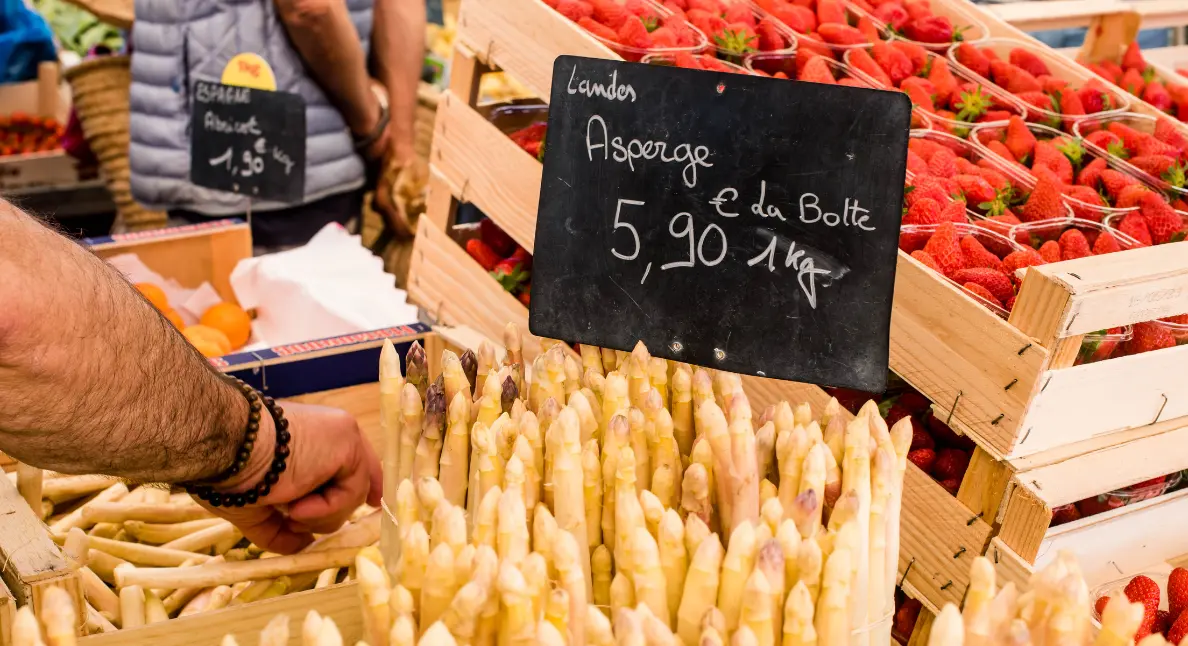
One major reason small-batch foods cost more is the true cost of local sourcing and high-quality ingredients. Artisan producers tend to use premium foods in their recipes. Think organic produce, heritage grains, grass-fed dairy, single-origin spices, etc. These superior ingredients simply cost more than the mass-farmed, bulk commodities used in big factory foods. For example, a small ice cream maker might use organic milk from grass-fed cows and real vanilla beans, whereas a big brand uses conventional dairy and artificial flavoring. The artisans will argue that the difference is tangible in terms of taste and nutrition, and that it’s a key justification for the higher price. Makers of ultra-premium ice cream point out that their costs are driven up by ingredients like extra butterfat, organic grass-fed milk, and the best direct-trade coffee beans or hand-smoked cherries for flavor. In other words, the product is more expensive because it’s made of better stuff.
Local sourcing also adds to the cost in several ways. Small craft producers often buy from local farmers or grow their own ingredients, thereby paying the real price of sustainable agriculture. There are no giant bulk discounts or heavy subsidies offsetting the price. You’re paying what that organic heirloom tomato or that grass-fed milk actually costs to produce ethically. These artisans may insist on humane animal treatment, environmental stewardship, and paying fair wages to farm suppliers, all of which increase input costs.
Local ingredients can be seasonal and limited in supply, which sometimes means paying a premium or having less efficiency. This is the true cost of local sourcing: you pay more at checkout, but that money reflects real value rather than hidden costs being passed off to the environment or subsidized by taxpayers. You’re getting food that often tastes fresher and more flavorful, without the fillers, artificial additives, or long-distance transport that characterize many mass-market foods.
Craftsmanship and Labor Costs in a Small-Batch Production
Another significant factor in small-batch pricing is the intensive labor and craftsmanship involved. Artisanal food is often handmade or produced with much more human attention than mechanized factory foods. This means higher labor costs in a small batch operation, which ultimately raises the product’s price. Unlike an assembly line churning out thousands of identical cookies per hour, a craft producer might have a baker mixing dough by hand, monitoring each batch in the oven, or an expert cheese-maker tending wheels of cheese over months. Labor isn’t something that can be scaled down easily. Whether you make 50 loaves or 5,000, a baker still has to shape each loaf, and that time and skill have to be paid for.
Skill and expertise are part of the cost as well. Many craft producers are highly trained, and their workmanship is a key ingredient in the food. When you buy from these craft producers, part of what you’re paying for is that artisan’s time, skill, and the fact that they likely put more care into each unit of product. Small businesses also usually pay their staff a living wage, because they’re often family-owned or value their tight-knit team. All of this means higher labor costs per unit of food.
Small Scale, Big Overhead: Culinary Crafts Pricing Challenges
Running a small food business comes with certain fixed costs that are harder to bear when you don’t have a huge volume. In discussions of culinary crafts pricing, one crucial factor is the lack of economies of scale. Expenses like commercial kitchens, equipment, utilities, and certifications have to be paid regardless of output, and a small-batch producer has fewer units to spread those costs over. Imagine a tiny artisan jam company renting a kitchen space and buying jars, labels, and ingredients in relatively small quantities. Their cost per jar will be much higher than that of a multinational jam brand that owns a factory and buys truckloads of sugar and thousands of jars at a time. Everything from rent to refrigeration to quality testing fees can hit a small producer’s balance sheet hard.
Packaging is a great example of how being small can mean higher costs. Big companies might order custom packaging by the million at ultra-low prices, but packaging costs for small producers are steeper. They might be buying just a few hundred jars or bottles, plus designing and printing labels in small runs. Not only do they pay more per unit, but they often choose eco-friendly or artisanal packaging that further raises costs, because it aligns with their brand’s quality image. Distribution is another overhead: sending out a few cases of product via mail or local courier is far less efficient (per item) than a mass producer’s nationwide trucking network. Small food businesses also shoulder costs for farmers’ market fees, insurance, permits, and sometimes specialty certifications that are costly and time-consuming to maintain.
The overhead and “back-end” expenses for a craft food operation contribute significantly to why their product costs more. A local artisan business doesn’t have the same economies of scale to dilute these costs. Organic and locally grown foods are often more expensive in part because of reduced economies of scale for smaller farms, as well as additional expenses like certification and more labor-intensive methods. Small producers can’t easily cut corners by scaling up or automating. If anything, they intentionally avoid those shortcuts to preserve quality. Consequently, consumers pay a bit more to support a more boutique, human-scaled operation, including its associated expenses.
Distribution and Retail Markups on Artisan Foods
Even after an artisan food is made and packaged, there’s the matter of getting it to the customer. Distribution and retail can add another layer of cost to small-batch foods. Many small producers sell directly at farmers’ markets, local shops, or through online marketplaces, but in any scenario, there are costs involved in connecting with the customer. If a local bakery or sauce maker sells through a specialty grocery store, that retailer will take a margin to cover their own costs and profit. These retail markups on artisan foods can range widely. Specialty retailers might mark up products 30%, 40%, or more. Part of what you pay at a boutique grocery is the store’s overhead and curation, not just the producer’s cost.
Supporting Local Businesses and Communities
One often overlooked aspect of buying small-batch foods is the positive impact it has beyond your plate. Choosing artisan and local products is a way to support local businesses and contribute to your community. When you buy from a neighborhood bakery, a local cheesemaker, or a family-run sauce company, you’re helping sustain those entrepreneurs’ livelihoods. This is money that tends to stay local. Circulating in the area rather than being siphoned off to a distant corporate headquarters. Economists call this the local multiplier effect: for every dollar spent on local food, a portion gets re-spent in the community, generating additional income for other local shops and services. For each dollar of revenue a farmer makes at a farmers’ market, other local businesses generate about 48 cents in additional income as a ripple effect. That’s a powerful reason to feel good about paying a bit more to a local vendor. You’re effectively investing in your town or region.
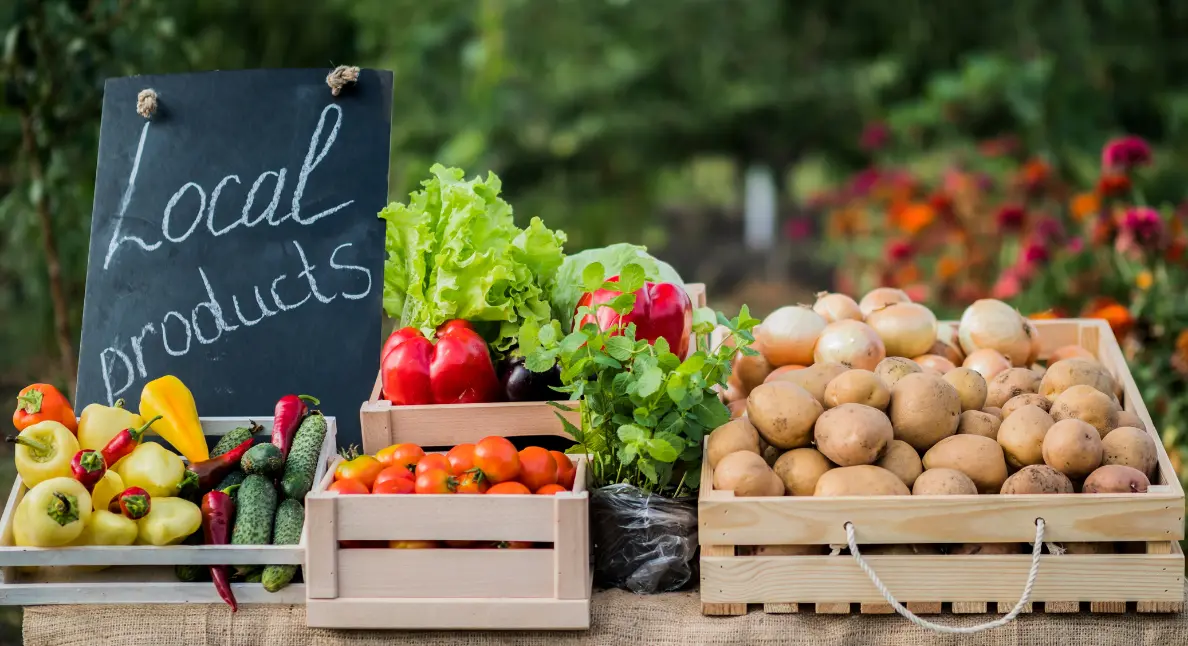
Supporting craft producers also means helping preserve important food traditions and encouraging diversity in the marketplace. Instead of one-size-fits-all products from global brands, you get a wide variety of foods tied to local culture and skills. This can include everything from a particular style of charcuterie specific to your area to innovative new flavors dreamed up by a local food startup. By spending on these products, you help these niche producers survive and innovate, keeping food culture vibrant and varied.
In today’s digital age, supporting local doesn’t always require a trip to the farm or weekend markets. You can also engage in local online shopping to find and purchase small-batch goods. For instance, platforms like Local Cart make it easy to discover local artisan foods and order them to your doorstep. This not only offers convenience but also expands the reach for local producers, allowing more people to join in supporting them.
When to Splurge – and When It’s Not Necessary
With all the above in mind, how do you decide when a small-batch food is worth the splurge? It ultimately comes down to your values and the context. Here are a few guidelines:
- Splurge for standout items: If a product has significantly better taste or ingredients, and those qualities matter to you, it’s likely worth paying more. Use artisan versions for foods you really savor plain or where quality shines. For things you eat a lot of without much thought, you might stick with less pricey options and save the splurge for when it counts.
- Consider the occasion: Paying extra makes sense when the food experience is the goal – such as a holiday meal, a gift, or a personal treat. That bottle of small-batch hot sauce or the loaf of crusty artisan bread can elevate an occasion. On the other hand, if you’re cooking a heavily seasoned stew, you might not need every ingredient to be artisan-made because the subtleties could get lost.
- Budget for what you love: You don’t have to replace your entire pantry with premium products. Identify a few categories that mean the most to you. Perhaps you decide that coffee and chocolate are your “must-be-artisan” items because you can really tell the difference and appreciate the ethical sourcing. Meanwhile, you might be fine with grocery store pasta or canned tomatoes most of the time. Allocating your food budget in this way lets you enjoy the best of both worlds.
- Watch for value, not just price: Sometimes, paying double for an artisan product doesn’t make sense if the difference is negligible to you. But often, the artisan version might actually offer more usable value. A dense artisan bread can be more filling and stay fresh longer than a flimsy, cheap loaf that goes stale in a day. Or a jar of artisan curry paste might be so flavorful that it lasts for many meals, compared to a cheaper one, where you use more. Think in terms of quality per dollar, not just quantity per dollar.
When it’s worth it is a personal decision. Small-batch food isn’t meant to replace all mass-market food. Rather, it offers an alternative for those willing to invest in food as an experience and as a statement of support for quality and locality.
Small-batch, artisanal foods cost more for very valid reasons: better ingredients, more labor and care, smaller-scale operations, and often a distribution path that doesn’t enjoy big efficiencies. In any local food price comparison, it might seem like you’re paying a premium, but much of that premium is the “true cost” of making food the right way. Sustainably, ethically, and with attention to detail. Paying more for small-batch food is about aligning your spending with your values and palate. These premium food products are often a great investment. Each purchase is a vote for a food system that is less industrial and more personal. So the next time you encounter a lofty artisan bread cost or a pricey jar of local honey, you’ll understand exactly what you’re paying for. And if those aspects matter to you, you can enjoy each bite knowing not only that it tastes better, but also that it carries a story of quality and community.
Sources:
- Gianaclis Caldwell, Culture Cheese Magazine – Why artisan cheese has high input costs and still barely pays a living wage.
- Rachel Carter, Vermont Farm to Plate – How subsidies make mass food cheap and local producers face full costs (equipment, fair wages, etc.).
- Charlotte Druckman, Eater – Premium ice cream makers justify prices with organic milk and top ingredients (grass-fed dairy, direct-trade flavors).
- Gianaclis Caldwell, Culture Cheese Magazine – Small yield and long aging (hours and months of labor) make each pound of artisan cheese expensive.
- Walden Mutual Bank Blog – Organic/local foods often cost more due to certification, reduced economies of scale, and higher labor intensity in small farms.
- Meredith Favre, N.C. Cooperative Extension – Direct-market farmers incur costs for packaging, transport, market labor, etc., adding to small-batch product prices.
- Donna Berry, Dairy Processing – Consumers will pay more for artisanal options because of the higher quality and flavor they provide.
- Cornell Cooperative Extension – Money spent on local food recirculates in the community (local multiplier effect, boosting other local businesses).
About Us
Local Cart is an easy and convenient platform where local food and beverage entrepreneurs can meet and serve their customers in this new Covid-19 world. We help them more quickly pivot their business from the traditional dine-in or walk-in to a pick-up and/or delivery model. We preserve communities by keeping alive the mom & pop shops they have come to love and depend on for their sense of place.
