Cart is empty


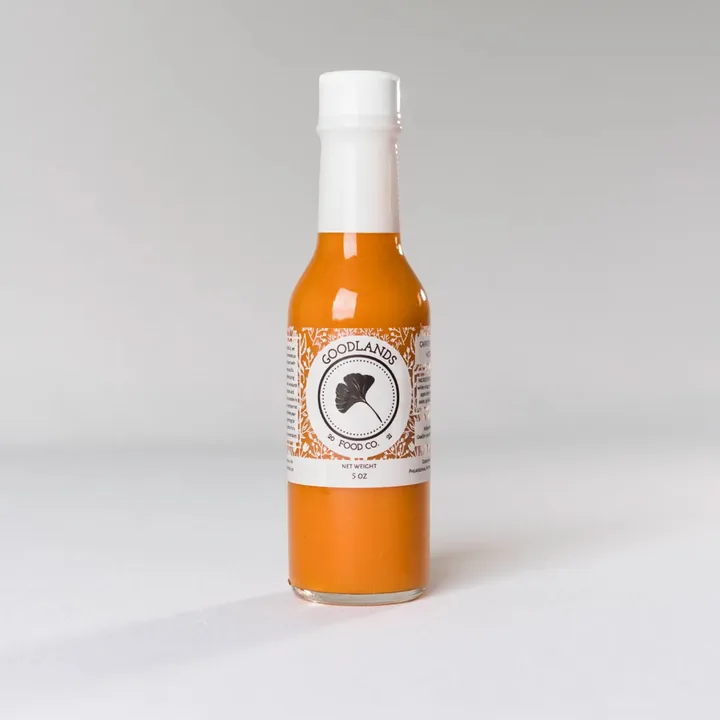
Habanero and jalapeno are the two chiles most people meet first in a hot sauce aisle, and they sit far apart. The jalapeno is a medium pepper you can slice onto nachos. The habanero is one of the hottest peppers in a typical grocery store, with a fruity aroma that makes it a favorite for sauces.
Below: the Scoville numbers from university extension, what each pepper tastes like, how that carries into a bottle, and small-batch sauces built on each pepper.
Habanero Scoville vs jalapeno Scoville
Thousands of units vs hundreds of thousands
Short answer
Jalapeno for everyday heat, habanero when you want fire with fruit.
Penn State Extension puts a jalapeno at 2,500 to 8,000 Scoville heat units and a habanero at 100,000 to 350,000.
- Jalapeno: medium heat, fresh green flavor
- Habanero: very hot, fruity & floral aroma
- A few drops of habanero sauce go a long way
Jalapeno
2,500 to 8,000 SHU, Capsicum annuum
Habanero
100,000 to 350,000 SHU, Capsicum chinense
On LocalCart
Goodlands & Caulfield sauces, $5.99 to $12.00
In the habanero vs jalapeno matchup, heat is the headline. Penn State Extension's guide to preserving hot peppers gives jalapeno Scoville ratings of 2,500 to 8,000 SHU and habanero Scoville ratings of 100,000 to 350,000 SHU. Rutgers Cooperative Extension's habanero fact sheet uses a range of 150,000 to 350,000 and calls the habanero up to 50 times hotter than a jalapeno.
| Feature | Jalapeno | Habanero |
|---|---|---|
| Scoville range (Penn State) | 2,500 to 8,000 SHU | 100,000 to 350,000 SHU |
| Species | Capsicum annuum | Capsicum chinense |
| Usually eaten | Green, before it ripens | Ripe, often orange or red |
| Flavor | Fresh, green, vegetal | Fruity, floral, citrus-like |
| Smoked & dried | Becomes chipotle | Mostly used fresh or in sauces |
Ranges are wide because the same pepper varies. Wikipedia's habanero article notes research in which habaneros watered daily had lower capsaicin concentrations than plants watered only when dry, and that researchers in Texas bred a mild habanero in 2004 that kept the traditional aroma and flavor.
How hot is a habanero on the Scoville scale
Near the top of the grocery store, far from the top of the scale
How hot is a habanero? Very hot for a pepper you can buy fresh, but nowhere near the hottest chiles. The Scoville scale ranks peppers by their capsaicinoids, the compounds behind the burn, and capsaicin is the main one.
For how heat is measured, Wikipedia explains that pharmacist Wilbur Scoville's 1912 test dissolved dried pepper in alcohol, diluted the extract in sugar water and gave it to a panel of five tasters until most could no longer detect heat. The rating is based on that dilution. Since the 1980s, labs have also used high-performance liquid chromatography (HPLC) to measure capsaicinoid content directly and convert it to Scoville units.
Jalapeno8,000 SHU
Habanero350,000 SHU
The jalapeno bar is drawn at its true scale, a sliver beside the habanero.
Higher on the scale sit relatives of the habanero. Wikipedia notes the Scotch bonnet is a variety of the same species with a similar heat level, and that the Trinidad moruga scorpion, another Capsicum chinense, is even hotter. As Penn State puts it, the higher the Scoville rating, the hotter the pepper.
Handling fresh habanerosPenn State Extension says capsaicin is concentrated in the membranes and seeds, and advises wearing gloves when you work with hot peppers to keep the oil away from your eyes and other sensitive areas.
Flavor: Fruity habanero vs grassy jalapeno
Apricot & citrus on one side, green pepper on the other
Heat is not the only difference. Rutgers says habanero fruits have a distinctive fruity aroma often described as apricot or citrus-like, and Wikipedia credits the habanero's heat, flavor and floral aroma for its place in hot sauces.
Grassy is the word many cooks use for a green jalapeno, meaning a fresh, green-vegetable taste closer to a green bell pepper than to fruit. Wikipedia notes jalapenos are commonly picked and eaten while still green, and are only occasionally left to ripen to red, orange or yellow. Ripe red jalapenos are used to make sriracha sauce.
Jalapenos also have a second life as chipotles. Wikipedia notes that Aztec markets sold chipotles, which are smoked jalapenos, before the Spanish conquest. Smoking trades the green taste for a deep, smoky one.
Jalapeno
- Nachos, salsa verde & poppers
- People who want flavor with mild-to-medium heat
- Pickling, a jalapeno tradition from Xalapa, Mexico
Habanero Our pick
- Fruit-based hot sauces & marinades
- Yucatan-style salsas
- Anyone who wants serious heat
Habanero hot sauce vs jalapeno hot sauce
Fruit tames the habanero, vinegar lifts the jalapeno
In a bottle, each pepper pulls in different partners. Habanero hot sauce often leans on fruit or sweet vegetables to round out the burn, because the pepper already tastes fruity. Jalapeno hot sauce tends to stay green and tangy, with vinegar, herbs or tomatillo.
| Feature | Habanero hot sauce | Jalapeno hot sauce |
|---|---|---|
| Typical color | Orange, red or yellow | Green |
| Common partners | Carrot, citrus, mango, fruit | Vinegar, dill, cilantro, tomatillo |
| How much to use | A few drops | A few dashes or a spoonful |
| Good on | Eggs, grilled meat, marinades | Tacos, eggs, sandwiches, potato salad |
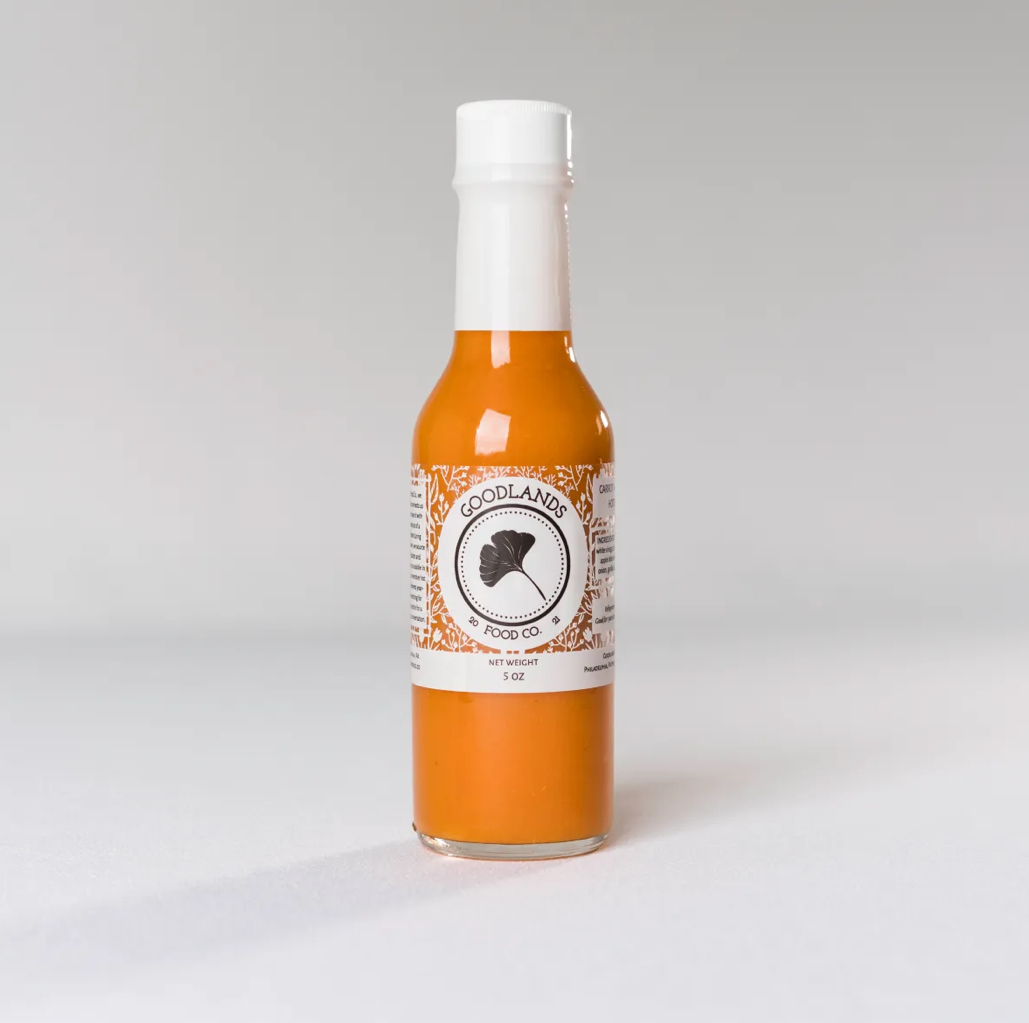
Goodlands Food Co. of New Jersey, founded by Anna Dausman, shows both approaches. Its carrot habanero hot sauce, Goodlands' carrot habanero ($12.00, 5 oz), uses a sweet carrot base that, in the maker's words, rounds out the bold heat of the habanero. Goodlands suggests it for scrambled eggs, black bean bowls and burgers, or as a base for buffalo sauce.
For an orange habanero hot sauce, the Goodlands orange habanero hot sauce ($12.00, 5 oz) is a Goodlands Food Co. bottle that LocalCart files under Caulfield Provision Company's storefront. Its page calls it a medium-hot, citrusy sauce for eggs, grilled food, marinades, salads and dips. Goodlands also makes a pink Rhubarb Habanero ($12.00) that it calls fresh, fruity and super tangy.
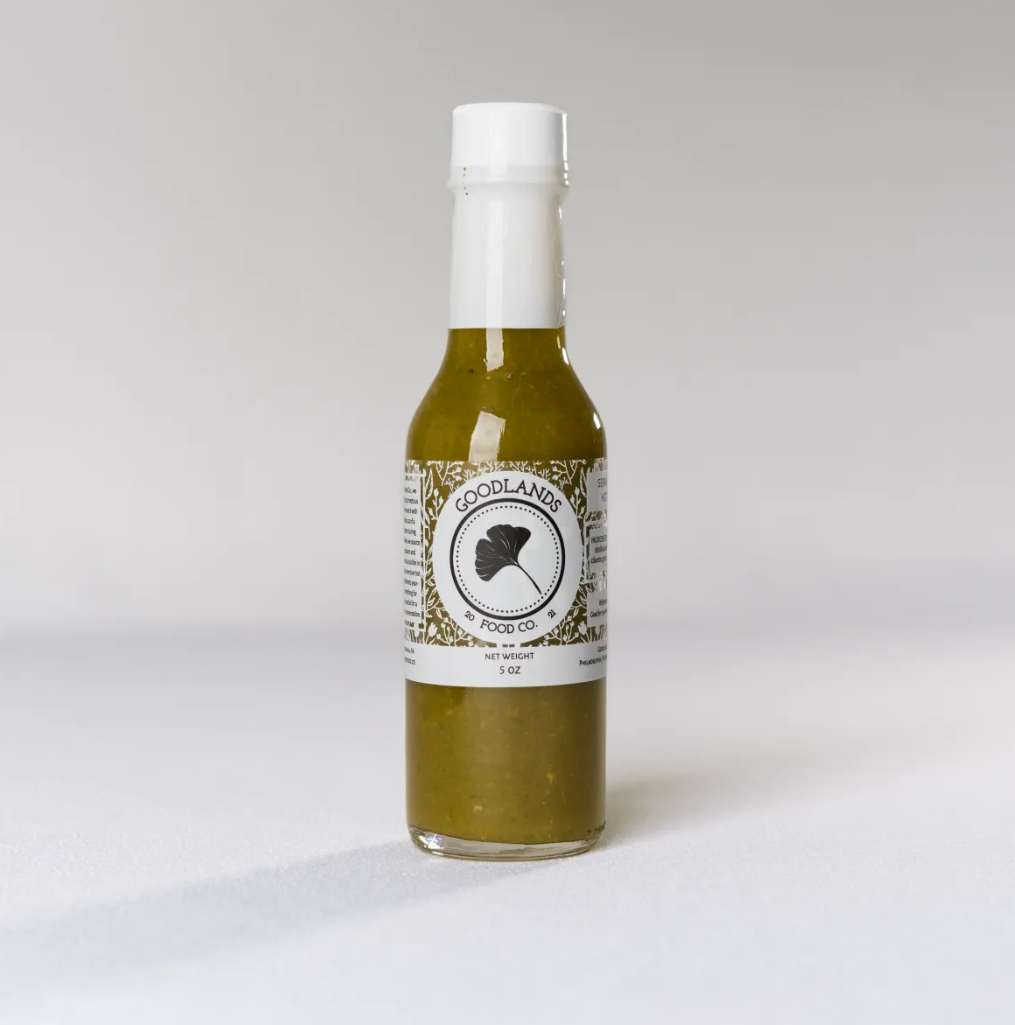
On the jalapeno side, the Goodlands jalapeno dill pickle sauce ($12.00, 5 oz) is an homage to the dill pickle, blending jalapeno with fresh dill, garlic, toasted coriander and black pepper. The maker suggests it on breakfast sandwiches, falafel, potato salad and hot dogs, or in a Bloody Mary.
Finding both at local grocery stores
Small makers, real ingredient lists
Most local grocery stores stock a jalapeno sauce and a habanero sauce from the big national brands. Small-batch makers are where you find the stranger pairings, like mint or mustard, and an ingredient list you can read in one breath.
Caulfield Provision Company in Potomac, MD, is a woman-owned, family-operated maker with a sauce for each pepper. Caulfield's jalapeno tomatillo sauce, sold as Minty Jalapeno Tomatillo ($6.50, 6 oz), lists jalapeno peppers first, followed by tomatillos, lemon juice, garlic, mint and basil, and the maker suggests it for scrambled eggs, tacos, poultry and lamb. Its Fiery Habanero Mustard Sauce ($5.99, 6 oz) pairs habanero with carrots, honey and mustard powder.
Caulfield also makes a Smoky Red Pepper Chipotle Sauce ($6.50) with red jalapenos and chipotle powder, which covers the ripe and smoked sides of the jalapeno in one bottle. Each maker on LocalCart ships its own order, so a cart with Goodlands and Caulfield bottles shows two shipping charges at checkout, calculated for your address.
The ingredient list also tells you how much pepper is in the bottle, since ingredients are listed by weight from most to least. Jalapeno peppers come first on the Minty Jalapeno Tomatillo label, so the pepper leads. On the Fiery Habanero Mustard label, carrots come first and habanero chillies sixth, after garlic, water, onion and vinegar, so the heat is spread through a sweeter base. LocalCart's pages give no Scoville ratings for any sauce, so the label and a drop on your tongue are the best guides.

Goodlands and Caulfield make sauces from both peppers.
Shop sauces & spicesSources
Habanero vs jalapeno FAQs
Frequently asked questions
Is a habanero hotter than a jalapeno?
Yes, by a wide margin. Penn State Extension rates a jalapeno at 2,500 to 8,000 Scoville heat units and a habanero at 100,000 to 350,000, and Rutgers calls the habanero up to 50 times hotter.
Can you swap habanero for jalapeno in a recipe?
You can, but use far less and taste as you go. Start with a small piece in place of a whole jalapeno, and remove the seeds and membranes, where Penn State Extension says the capsaicin is concentrated. The fruity flavor will also change the dish.
Which sauce is milder for beginners?
A jalapeno sauce. Jalapenos sit far lower on the Scoville scale, so a sauce like Caulfield's Minty Jalapeno Tomatillo or Goodlands' Jalapeno Dill Pickle is the gentler start. LocalCart's sauce pages give no Scoville ratings, so taste a drop first.
Why do habanero sauces often include fruit or carrot?
Habaneros already have a fruity, apricot or citrus-like aroma, per Rutgers, so fruit and sweet vegetables match the flavor and soften the heat. Goodlands says the carrot in its Carrot Habanero rounds out the habanero's heat.
Is chipotle a jalapeno?
Yes. A chipotle is a smoked jalapeno, a tradition Wikipedia traces to Aztec markets before the Spanish conquest.
Local food & small-batch shopping guides
More from the LocalCart blog