
Small-batch food producers selling handmade natural products at an outdoor market stall with jars, herbs, and soaps on display.
05/21/2024
How Small-Batch Producers Bring Flavor and Purpose to the Table

In an age dominated by mass-produced convenience foods, a quiet revolution is happening on our plates. Across communities, small-batch food producers are gaining recognition for delivering something deeper than just a quick bite. These artisans bring back old-fashioned flavor and a renewed sense of purpose to the table. From farmers’ markets to online shops, they’re proving that food can be more than fuel. It can tell a story, support a community, and even drive positive change in how we eat and live.
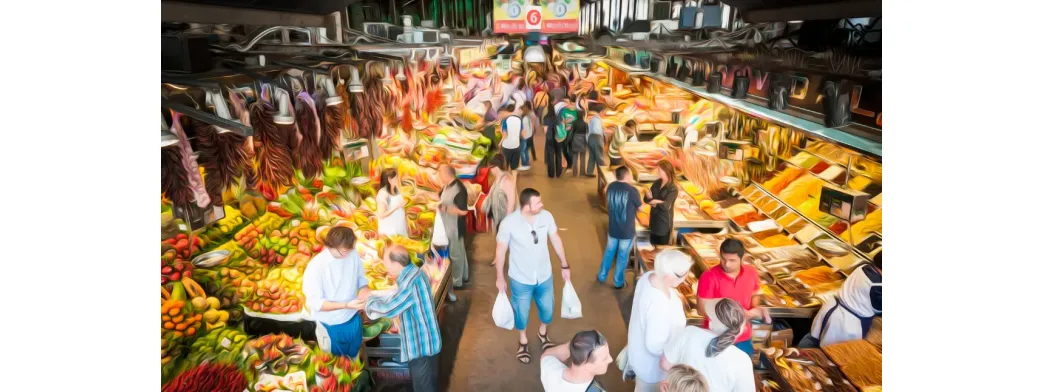
Understanding the Artisanal Food Movement

At its heart, the artisanal food movement is about going back to basics. It means celebrating traditional methods, quality ingredients, and the humans behind the products. When we talk about artisan foods, we’re not talking about factory assembly lines churning out identical items. Instead, we refer to foods made in limited quantities by skilled makers who put personal care into each batch. Artisan foods are not merely a trendy label. They represent genuine quality, craftsmanship, and a deeper connection to food’s origins.

Artisan foods including cheeses, cured meats, and fresh produce arranged at a traditional market counter.

This movement has deep roots. Centuries ago, before industrial food processing, communities relied on local bakers, butchers, cheesemakers, and farmers for their daily meals. Those local food creators produced items with traditional recipes, often passed down through generations. Today’s small-batch producers carry on that legacy. They often use time-honored techniques that were nearly lost in the rush of modern industrial food. By reviving these methods, craft producers are preserving culinary heritage. In fact, choosing artisan foods is a bit like choosing a handmade piece of art instead of a cheap factory print; it carries the imprint of its maker. That personal touch is exactly what many consumers are craving after decades of processed, anonymous food.


Small-batch production is a response to the shortcomings of big agribusiness. Mass production brought food in abundance, but often at the cost of quality, flavor, and transparency. In contrast, these craft producers prioritize things that can’t be mass-produced: freshness, authenticity, and individuality. Every jar of jam or wheel of cheese from a small producer has a unique character shaped by the region’s ingredients and the maker’s skill. This stands in deliberate contrast to the one-size-fits-all approach of “Big Food.”

Flavor: Quality Over Quantity

One of the biggest draws of small-batch foods is unquestionably the flavor. When production isn’t about churning out as much as possible, quality takes center stage. Artisan producers are obsessed with ingredients. They often choose locally sourced, seasonal, and organic components that taste better. Freshly picked heirloom tomatoes, single-origin cacao beans, or grass-fed milk all carry richer flavors than their mass-market counterparts. Small producers highlight these flavors by using techniques that coax out the best in each ingredient. They aren’t rushing the process. If a dough needs a day to rise or a cheese needs months to age, so be it. The result is food with depth and character.


It’s easy to taste the difference. The hallmark of artisanal food lies in its distinctive taste profiles derived from carefully chosen ingredients and time-honored methods. These foods are handmade in small quantities by skilled artisans who pour their expertise and passion into each batch. For example, artisanal cheeses produced by a local dairy farmer using age-old cheesemaking techniques develop distinct flavors that mass-produced cheeses simply can’t match. The slow culturing and natural aging of a farmhouse cheese yield complex notes reflecting the terroir and the craft involved. In contrast, factory cheeses often taste uniform, largely because speed and efficiency override nuance.

Ethical and Conscious Food Production

Small-batch food producers don’t just excel at flavor. Many also operate with a strong sense of purpose regarding how their food is made. Conscious food production is a core value for a lot of these artisans. Unlike giant industrial operations that might prioritize volume and profit above all, local craft producers often choose methods that are kinder to the planet, to animals, and to people. This can mean organic farming practices, humane animal husbandry, fair wages for workers, and minimal waste. Many of these businesses are built on ethics and sustainability from the ground up.

Community Roots and Local Impact

Another defining purpose of small-batch producers is their positive impact on local communities. When you buy from an artisan, you’re not just getting a unique product. You’re also supporting local businesses and strengthening your neighborhood economy. These producers are often our neighbors: the beekeeper down the road, the family-run bakery across town, the farmers at the weekend market. The money spent on their products tends to stay in the community, recirculating to create jobs and sustain local agriculture. Contrast this with dollars spent on big national or global brands, which often whisk profits away to distant corporate headquarters.


Small producers also help keep cultural traditions alive. Many artisans deliberately revive old recipes or regional specialties. Think of a third-generation Italian-American butcher making salami the way his grandparents taught him, or a young miller stone-grinding heritage grains for flour. By doing so, they preserve knowledge that industrialization almost wiped out. And they offer all of us a taste of local identity. Visiting artisanal markets or farmers’ markets isn’t just shopping; it’s an experience where you meet the makers, hear their stories, and build relationships. There’s a trust that forms when you know who made your food. It creates a feedback loop: producers feel accountable to their community, and customers feel invested in the producer’s success.

 Support local businesses by shopping fresh fruits and vegetables at a vibrant open-air produce market.

Additionally, small-batch producers tend to collaborate, not compete, with each other. They often cross-promote at community events or co-create products. This spirit of community over competition strengthens the social fabric. Consumers benefit from this camaraderie too: you feel a part of a community when you shop local. It’s food with a face and a place, which is something industrial food can never offer.

Diverse Artisanal Offerings and Innovations

Small-batch producers cover virtually every corner of the culinary world, often adding creative twists along the way. Here are just a few examples of the kinds of handmade delights small-batch producers bring us:


  • Artisanal honey – Small-scale beekeepers typically harvest honey in limited quantities, allowing the nectar sources to define each batch rather than blending for uniformity. This results in subtle but noticeable variations in color, viscosity, and flavor, ranging from light and floral to dark and robust. Many producers avoid high-heat processing, which helps preserve enzymes, pollen, and aromatic compounds often stripped out of commercial honey. Some also practice single-apiary or single-harvest bottling, giving consumers a clearer sense of origin and authenticity. Beyond taste, artisanal honey often supports pollinator health through sustainable beekeeping practices and habitat preservation. For buyers, each jar offers a traceable product with a story rooted in local agriculture and careful stewardship rather than industrial scale.
  • Artisan pickles – Crunchy pickled vegetables made in small batches. Fermented pickles are also common in this space, introducing complex, tangy flavors created through natural lacto-fermentation rather than quick processing. Production is typically hands-on, with vegetables cut, packed, and monitored manually to ensure consistency and safety. This slower approach allows makers to adjust recipes over time and respond to seasonal produce. The result is a pickle that functions not just as a condiment but as a thoughtfully crafted food reflecting technique and regional taste preferences.
  • Artisan gluten-free bread – Homemade-style bread loaves and baked goods that are entirely gluten-free yet wonderfully tasty. Small bakers have innovated with almond flour, buckwheat, rice flour, and other alternatives to recreate the texture and soul of bread without wheat. These loaves are often hand-kneaded and slow-risen, yielding a crust and crumb that defy the dry, dense reputation of typical gluten-free breads.


And the innovation doesn’t stop there. Even in categories long dominated by big companies, artisans are carving out niches. Take cheese, for example. We expect artisanal dairy cheeses, but now there’s also a growing movement of vegan artisan cheese. The diversity of artisan foods available today means there’s an alternative to nearly any mass-produced pantry item.

Reaching Consumers: From Markets to Online

Traditionally, finding these small-batch treasures meant seeking out local venues: weekend farmers’ markets, co-ops, farm stands, or brick-and-mortar specialty shops. Those face-to-face encounters are still a beloved way to shop for handmade goods. There’s nothing quite like chatting with the baker who made your loaf or sampling cheese from the dairy farmer who churned it. However, in the past, if you lived outside of these artisans’ area, you might never have had access to their products. The good news is that technology and evolving shopping habits are changing this rapidly. Today, local online shopping enables small producers to connect with customers near and far without losing that personal touch.


In recent years, more and more small-batch producers have started selling through online marketplaces, social media, and their own websites. This shift to digital has effectively broken geographic barriers. For consumers, it means convenience. You can enjoy the farmers’ market experience from your laptop or phone, browsing a variety of handmade food items and getting them delivered to your doorstep. One can even buy gourmet cheese online directly from the creamery that produced it, something that would have been hard to imagine a decade ago. This expansion into e-commerce doesn’t replace the magic of in-person markets, but it complements them by broadening artisans' reach and giving customers greater access.


The digital realm has also spawned specialized platforms aimed at connecting makers with buyers. For example, LocalCart is an online marketplace that allows you to find and purchase products from multiple local small-batch producers in one place, acting like a virtual farmers’ market. Through such platforms, a customer can support dozens of local businesses with a few clicks, even if they can’t physically visit each farm or kitchen. For the producers, going online provides new lifelines and growth opportunities. The move to online sales presented a powerful opportunity for small producers to scale up their customer base, with socially conscious shoppers increasingly eager to support independent food makers.

 Local food creators promote community engagement with a smiling woman holding a "Buy Local!" sign at a farmers market.

Going online isn’t without challenges for small producers. It requires learning logistics, shipping perishable goods safely, and standing out in a crowded digital marketplace. But many artisans are adapting admirably. They use storytelling on their websites, beautiful photography on Instagram, and even live video tastings or virtual farm tours to engage customers. These efforts convey the authenticity that sets them apart from corporate brands. During the pandemic, consumers significantly increased their purchases of local food online as big supermarket supply chains faltered. People discovered the reliability and quality of local sources and stuck with them. Now, it’s common for someone to pick up fresh veggies from a farmer at a market on Saturday, but also order a gift box of local charcuterie online to send to a friend. The hybrid model of offline and online is likely here to stay, giving small-batch producers multiple ways to sustain and grow their businesses.


Small-batch producers are redefining our relationship with food in profound ways. They remind us that food isn’t just a commodity off a factory line – it’s something crafted with care, meant to be savored. By bringing back bold flavors and insisting on ethical, sustainable methods, these artisans infuse purpose into every jar, loaf, and bottle they create. When we support them, we’re not only treating our taste buds to something special, we’re also choosing to support local businesses and traditions that make our communities unique. In a world where convenience often overshadows quality and meaning, small-batch producers offer a delicious alternative. Every bite of their handmade food carries the story of a person, a place, and a passion. And that, perhaps more than anything, is how they bring both flavor and purpose to the table, by feeding not just our hunger, but our sense of connection and conscience as well.

Sources

  • Gourmie Magazine – What is Artisan Food? (Feb 6, 2025) gourmiegoods.com
  • FoodDrinkLife (AP News) – The attraction of the artisanal food craze (Oct 24, 2025) fooddrinklife.com
  • Indulge Express – How artisanal foods benefit the environment (Jan 16, 2025) indulgexpress.com
  • Cheese Connoisseur – Vegan Cheese is Better than Ever (Feb 5, 2025) cheeseconnoisseur.com
  • Civil Eats – The Local Food Revolution Goes Online — for Now (Apr 1, 2020) civileats.com
Read more
Sustainable food choices available at a bustling indoor market filled with fresh produce and spices.
05/21/2024
Why Handcrafted Foods Are Winning Over Conscious Consumers

Conscious consumers today are increasingly mindful about what they eat and where it comes from. This shift is part of a broader food for mindful living ethos that values authenticity and quality over convenience. Many shoppers have grown skeptical of mass-produced, anonymous goods. Instead, they are seeking a more genuine connection to their food. There is a cultural shift as consumers reject artificial perfection in favor of authenticity and human connection. Driven by these values, a growing number of people are turning to handcrafted foods as a way to align their purchases with their principles. The result is a rising demand for all things artisanal and an enthusiastic handmade food movement that emphasizes tradition, craftsmanship, and transparency.

The Handmade Food Movement and Artisan Trends

One of the most striking artisan food trends in recent years is the resurgence of small-scale, traditional food production. Shoppers today crave food with a story and a personal touch. This handmade food movement is characterized by an appreciation for heritage recipes, regional ingredients, and small-batch food made in limited quantities. In an age of industrialized mass production, many people find the human element of handcrafted foods refreshing. There is a noticeable consumer pushback against bland uniformity.


This trend is evident across various sectors of the food industry. From craft bakeries to artisan cheese makers, producers who emphasize quality over quantity are gaining loyal followings. Consumers increasingly seek high-quality, handcrafted foods made with care and attention to detail, reflecting a broader appreciation for artisanal craftsmanship. Discerning buyers are willing to try unique cheeses, breads, sauces, and preserves that offer distinctive flavors and a connection to their maker.

Benefits of Handcrafted Foods

Beyond their nostalgic appeal, there are many benefits of handcrafted foods that explain why conscious consumers love them. First and foremost is superior taste and quality. Handcrafted items are often made using fresh, whole ingredients and time-honored techniques, resulting in richer flavors and textures. A loaf of sourdough slowly fermented by an artisan baker or a wedge of farmstead cheese aged to perfection can deliver a depth of taste that mass-produced versions simply can’t match. The focus on quality ingredients means each bite is more flavorful and satisfying.

 Handmade food movement represented by fresh vegetables including corn, eggplant, lettuce, and carrots at a local market stall.

Another key benefit is the potential health advantage of artisanal foods. Many handcrafted products avoid the artificial additives and heavy processing found in factory foods. Traditional preparation methods can preserve nutrients that would be lost in an industrial process. For example, slow fermentation of bread dough or pickling vegetables using natural methods can retain vitamins and make nutrients more bioavailable to the body. Research suggests that traditional techniques help retain more nutrients, offering a healthier option compared to heavily processed alternatives. Artisans often cater to specific dietary needs by creating options that are gluten-free, vegan, or free of common allergens in small batches. All of this means that choosing handcrafted foods can be a boon to personal health and enjoyment.


Buying handcrafted foods supports a deeper connection with what we eat. There’s intangible value in knowing the story behind your food. This connection can make eating more meaningful and mindful. Consumers often report greater satisfaction from foods that they know were made with care and skill. Handcrafted foods contribute to food for mindful living, encouraging people to slow down and savor the experience of eating something real and lovingly made.

Handcrafted vs Processed Food: Quality Over Quantity

When considering handcrafted vs processed food, the differences come down to quality ingredients and careful methods versus mass efficiency. Processed foods are typically designed for long shelf life, uniformity, and low cost, which often means they rely on artificial preservatives, flavor enhancers, and other chemicals. In contrast, handcrafted foods prioritize freshness and natural ingredients. They are usually made in small batches without the need for complex processing aids or additives. The result is a product that may be less uniform but far more genuine in composition.


Nutritionally, handmade products tend to have cleaner labels. Think of a jar of artisan pasta sauce with just tomatoes, herbs, and olive oil, versus a canned sauce full of high fructose corn syrup and stabilizers. The absence of unnecessary fillers means you’re getting more real food and fewer empty calories. Artisanal bread crafted with organic flour and wild yeast, for example, won’t contain the dough conditioners or preservatives found in supermarket loaves. Handcrafted foods skip the extras that industrial foods use for speed and profit, focusing instead on natural goodness.


The production processes also differ greatly. Processed foods often come from automated factories producing thousands of identical items an hour. Handcrafted foods are made in kitchens and workshops where skilled makers oversee each step. This human touch allows for better quality control. Flaws can be caught and adjusted on the fly, and every batch receives personal attention. It’s the difference between assembly-line cookies and cookies your grandmother baked by hand. Consequently, artisanal foods may have slight variations in appearance or taste, but they deliver on the promise of authenticity. For many conscious consumers, these qualities tilt the balance heavily in favor of handcrafted over processed options.

Sustainability and Environmental Impact

Choosing handcrafted foods often goes hand-in-hand with making sustainable food choices, which is a major priority for conscious consumers. Industrial food production and long supply chains can take a serious toll on the environment. Large factories consume substantial energy and water, and shipping food over long distances racks up “food miles." Handcrafted foods, especially those produced locally or regionally, typically have a smaller ecological footprint. Many artisans source ingredients nearby and sell at local markets or through community-supported agriculture, which cuts down transportation emissions and packaging waste. Additionally, small-scale producers are more likely to employ eco-friendly farming and production practices. They might use organic farming methods, crop rotation, or humane animal rearing standards, all of which contribute to more sustainable agriculture.


One clear environmental benefit comes from eating local artisanal products. By buying from a neighborhood bakery or a local jam-maker, consumers reduce the distance that food travels to reach them. Studies indicate that buying local produce has positive results in communities regarding energy, water usage, and greenhouse gas emissions. Fewer transportation miles and less industrial processing mean lower carbon dioxide output and often less plastic packaging. These environmental food choices help shrink the carbon footprint of our diets.

 Small-batch food like banana blossoms and root vegetables stacked at a rustic farmer's market display.

Many makers of handcrafted foods are inherently aligned with sustainability values. They often rely on seasonal ingredients, minimize waste, and avoid harmful chemicals in both farming and food preparation. For example, a local cheese artisan might compost whey byproducts or feed them to farm animals rather than polluting waterways. A craft chocolatier may choose fair-trade cocoa to ensure ethical, eco-friendly sourcing. When consumers choose sustainable food by supporting such producers, they incentivize environmentally responsible practices across the supply chain. In return, they get sustainable food options that they can feel good about. All of these efforts contribute to a food system that is gentler on the planet.

Supporting Communities and Ethical Food Options

In addition to environmental advantages, handcrafted foods align with ethical food options that many conscious consumers seek out. Ethical eating involves a range of issues, from fair labor practices and animal welfare to community well-being. Artisanal foods often excel in these areas precisely because they are made on a human scale. When you buy a handcrafted product, you’re usually supporting a small business or local farmers rather than a distant corporation. This keeps more money circulating in local economies and helps sustain family farms and traditional foodways. It’s an ethical choice in terms of social responsibility: you’re contributing to someone’s livelihood and preserving local food culture.


Animal welfare is another ethical dimension where handcrafted foods shine. Small-scale producers of dairy, eggs, or meat are more likely to raise animals humanely, with access to outdoor space and without the intensive confinement common in factory farms. Similarly, artisans making products like honey or wool often emphasize humane treatment of bees and sheep. Conscious consumers appreciate that ethical food options avoid practices that harm animals needlessly. For a food to qualify as "ethical," consumers overwhelmingly expect it to avoid harming the environment, meet high safety standards, use sustainable practices, and avoid inhumane treatment of animals. Handcrafted foods, by their nature, tend to fulfill these criteria better than their industrial counterparts. Many carry labels such as organic, free-range, fair-trade, or non-GMO, signaling adherence to higher ethical standards.


There’s also a strong community aspect to choosing artisan foods. Frequenting farmers' markets or local craft food fairs fosters relationships between consumers and producers. Shoppers can meet the bakers, beekeepers, and picklers in person, building trust and a sense of community. Even when purchased online or in stores, handcrafted products often include storytelling on their labels about the people and traditions behind them. This transparency and personal touch build consumer trust that the product was made with integrity. Conscious consumers find value in supporting businesses that treat their workers well, uphold traditions, and give back to their communities.

From Farm to Table

While handcrafted foods have traditionally been found at local farmers’ markets and specialty shops, modern technology is making them more accessible than ever. The rise of farmers' market online shopping means that even if you can’t visit a weekend market in person, you can still enjoy artisan products. With just a few clicks, consumers can shop farmers' markets online via dedicated platforms that gather offerings from multiple small producers. These services essentially allow you to get the farmers' market delivered to your doorstep, combining convenience with the charm of local shopping. Online farmers' markets are extremely convenient for both buyers and sellers. Customers can order year-round from their computer, and farmers save time on travel while reaching a wider audience. Many such platforms emerged during recent years to help farms stay connected to consumers, and they have thrived as people discovered the ease of ordering local produce, baked goods, or preserves from home.


To cater to this demand, innovative businesses have sprung up that function as local online farmers' market hubs. Localcart.net is one example of a platform that connects conscious consumers with numerous local farms and artisans in a single online marketplace. Through such a service, you can easily buy handcrafted foods produced in your region and have them delivered in a single consolidated package. This not only saves time but also reduces the logistical barriers for small producers to sell beyond their farm stand. The convenience of having farm-fresh, handmade products delivered appeals to those who want to eat well without always having the time to go out and source each item. These online channels still uphold the values of the farmers' market, just in a digital format. Access to handcrafted foods is expanding, allowing more people to join in the movement even if their busy schedules previously made it difficult.


Why choose artisan food over the countless mass-produced items lining supermarket shelves? For conscious consumers, the answer lies in the combination of quality, ethics, and experience that handcrafted foods provide. Artisan food offers rich flavors and genuine ingredients that heighten the pleasure of eating, all while aligning with values like sustainability and community support. Each purchase is a vote for a food system that prioritizes people and planet over profits.

 Food for mindful living shown through freshly harvested iceberg lettuce heads at a local produce market.

Handcrafted foods are winning over conscious consumers because they represent real food in an era dominated by ultra-processed convenience. They allow individuals to eat in tune with their principles, whether that means reducing environmental impact, ensuring fair treatment of workers and animals, or simply enjoying the authentic taste of something made by hand. By opting for artisanal over industrial, consumers are saying they value authenticity, connection, and responsibility. And as more people make that choice, the market responds with even more variety and availability of artisan products. In the end, choosing handcrafted foods is about nourishing both body and conscience. It’s a delicious way to support a healthier lifestyle and a more sustainable, ethical food culture.

Sources

  • seedworld.com Seed World – The Return of Real: Seven Consumer Trends Reshaping the Food Industry (December 15, 2025)
  • navirelogistics.com Navire Logistics – Trend in Food Import: Artisanal and Small-Batch Delights (May 21, 2024)
  • iccadubai.ae ICCA Dubai – Exploring the Rise of Artisanal Foods and Top Artisanal Courses (Blog)
  • uwf.edu UWF Student Research – Sustainable Bites: The Eco-Friendly Benefits of Eating Local (October 9, 2025)
  • faunalytics.org Faunalytics – Ethical Food: Ethical Claims That Matter Most To Food Shoppers (Research Summary)
Read more
Small batch products including artisanal cheeses, cured meats, grapes, and olives arranged on a rustic wooden serving board.
05/21/2024
The Logistics Behind Getting Small-Batch Products to Market at Scale

Bringing small batch products from a home workshop or local farm stand to customers nationwide is a complex journey. On one end, you have artisans and small businesses crafting limited quantities of unique goods with care. On the other hand, consumers increasingly demand the convenience of quick delivery and broad availability. Bridging this gap requires carefully designed logistics. This article explores how small-scale producers handle production growth and fulfillment to get their limited-run products into customers’ hands, all while preserving the qualities that make their goods special.
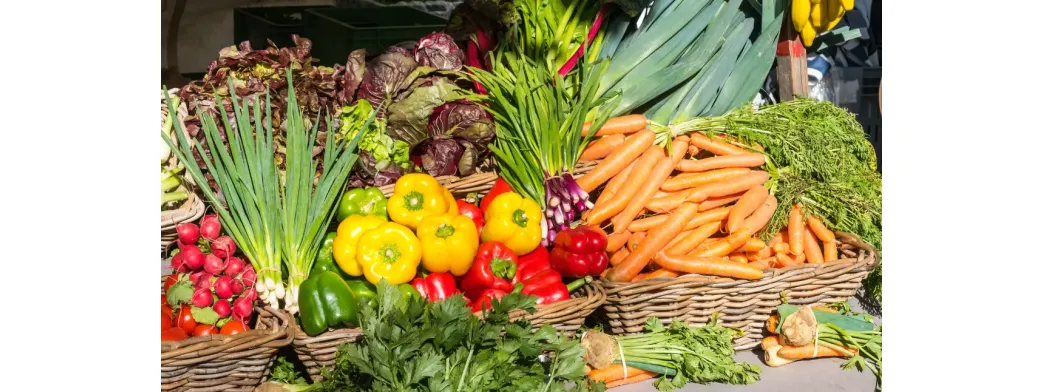
The Benefits of Buying Small-Batch Products

Why do shoppers seek out small-batch goods in the first place? These products offer qualities that mass-produced items often lack. For one, they tend to be unique small-batch items. Whether it’s a one-of-a-kind ceramic bowl or a jar of artisanal jam, there’s a special touch and story behind each product. This uniqueness makes them excellent small batch gifts; giving someone a locally roasted coffee blend or hand-sewn accessory carries a personal sentiment that generic factory-made goods can’t match. Quality is another key factor. Small producers usually put meticulous care into each item, often using higher-grade materials or ingredients and traditional methods. The result is a level of craftsmanship and flavor or durability that stands out.


Importantly, buying from sustainable small-batch brands and artisans aligns with values like environmental responsibility and community support. Small-batch producers typically make only what they can sell, avoiding the massive overproduction and waste seen in fast fashion and mass manufacturing. Consumers are increasingly aware of this – many are actively shifting away from cookie-cutter, mass-produced goods in favor of items that are eco-friendly and authentically crafted. The benefits of buying small-batch products include getting high-quality, distinctive goods and knowing your purchase supports ethical practices. Often, these are locally made products, so your money stays in the community, and the carbon footprint from production and shipping is lower.


Scaling Small-Batch Production Without Sacrificing Quality

The very traits that make small-batch goods appealing can become hurdles when demand grows. Small producers frequently start out making limited-run products in home kitchens, studios, or micro-factories. Batches might be just a few dozen units at a time. This keeps quality high and waste low, but if a product suddenly takes off in popularity, fulfilling larger orders becomes challenging. Scaling small-batch production means figuring out how to increase output while maintaining the same level of craftsmanship and attention to detail.


Another challenge is demand planning for small producers. Big manufacturers use sophisticated forecasts and produce in bulk to meet global demand. In contrast, a small-batch artisan might experience highly variable sales. If they under-produce, they’ll stock out and miss opportunities. If they over-produce, they risk unsold inventory. Striking the right balance requires careful planning and often a willingness to incrementally scale. Many makers will gradually increase batch sizes and see how the market responds, rather than jumping straight from producing 100 units to 10,000 overnight. Some turn to co-manufacturers or shared commercial kitchens for help, though this introduces questions of control and consistency.


The goal is to grow production volume in a sustainable way. Maintaining the handmade or small-scale ethos that defines the product’s identity, even as output rises. This might involve standardizing processes and recipes, investing in better tools, and training staff, all while keeping a close eye on quality so that “small batch” continues to mean something real and not just a marketing term.

Small-Batch Distribution Challenges

Growing beyond local sales introduces a different set of obstacles for small-batch producers. While demand may increase, the systems designed to move products at scale often work against smaller operations. Distribution challenges are rarely about product quality and more about infrastructure, cost, and access. Understanding where friction occurs helps explain why many artisan brands grow slowly and why distribution decisions shape both pricing and long-term sustainability.


  • Retail Readiness and Compliance Barriers: Large retailers operate within rigid frameworks that favor established suppliers. Minimum order quantities, standardized packaging, barcodes, and third-party certifications create immediate hurdles for small-batch producers. Meeting these requirements requires upfront investment, administrative knowledge, and production consistency that many emerging makers lack. Even when a store expresses interest, aligning with its systems can strain limited resources. These barriers often delay or prevent entry into traditional retail, forcing producers to choose between costly compliance efforts and slower, more controlled growth.
  • High-Cost, Low-Efficiency Shipping: Small producers typically ship products in small quantities rather than consolidated loads. Sending individual boxes to multiple destinations increases per-unit shipping costs and complicates logistics planning. Unlike large brands that rely on freight contracts and distribution centers, artisans often depend on postal or courier services.
  • Limited Access to Shelf Space: Mainstream distribution channels are heavily influenced by large, well-known brands with proven sales volume. Securing shelf space requires more than a compelling product; it demands consistency, marketing support, and reliable replenishment. Small-batch producers struggle to compete in this environment, where retailers prioritize predictability and turnover, without visibility in physical stores or major online marketplaces, growth stalls.
  • Absence of Economies of Scale: Large manufacturers benefit from optimized supply chains that reduce costs at every stage, from warehousing to freight. Small producers operate without these efficiencies, often storing goods in limited spaces and shipping orders individually. The lack of scale drives up costs and narrows margins, leaving less room for reinvestment. As expenses rise, producers face difficult pricing decisions. Passing costs to consumers risks limiting demand, while absorbing them threatens financial sustainability.


Distribution challenges shape how small-batch producers grow, price their products, and choose their markets. These obstacles explain why many artisans prioritize direct sales or gradual expansion rather than rapid scaling. By recognizing where structural limitations exist, producers and consumers alike can better understand the realities behind small-batch pricing and availability, and why thoughtful distribution strategies are essential for long-term viability.

Logistics for Artisanal Products: Fulfillment Solutions for Small Producers

To overcome distribution barriers, many small-batch companies partner with third-party logistics providers or leverage modern e-commerce infrastructure. Outsourcing fulfillment for small producers can be a game-changer. Rather than the maker individually packing and shipping every order, a fulfillment partner can store inventory, pack boxes, and ship orders to customers as they come in. This not only saves time but also often gets better shipping rates thanks to the 3PL’s volume. When artisan businesses reach a certain scale, they often must rethink storage and shipping. They need to establish larger storage for inventory, efficient packing processes, and broader distribution channels to support growth. Many turn to professional 3PL solutions to handle direct-to-consumer shipping and even wholesale order distribution. Handing off logistics to specialists lets the artisans focus on production and product development.


Using a fulfillment center or 3PL can also improve the customer experience. These providers typically offer integrated technology. Orders from the producer’s website or online store are automatically forwarded for fulfillment, and tracking numbers go out to customers seamlessly. For a small brand, providing reliable, fast shipping and tracking information helps build credibility on par with larger companies. There are also hybrid approaches: some artisan companies will ship bulk quantities of their goods to an Amazon fulfillment warehouse or to other specialized platforms that cater to handcrafted goods, while still selling through their own site or boutique stores. However, outsourcing logistics requires trust.


A big concern for artisanal small-batch foods, for example, is maintaining quality during storage and transit. So choosing the right logistics partners is crucial. Leveraging external logistics and fulfillment networks has enabled many small-batch producers to scale up their sales footprint dramatically without having to build a distribution empire from scratch.

Regional Warehousing Strategies for Faster Delivery

Whether using a third-party or managing in-house, regional warehousing strategies can significantly improve distribution for small-batch brands. The idea is to store inventory in multiple smaller warehouses closer to key customer regions, rather than in a single central location. This approach shortens the distance each package travels in the last leg, cutting transit times and shipping expenses. For customers accustomed to two-day or even next-day delivery, that speed is essential. Locating stock near buyers also has sustainability perks: shorter shipping routes mean lower fuel use and emissions. In today’s world of high consumer expectations, positioning products closer to buyers can be a game-changer for a small brand’s logistics. It creates a more agile supply chain that can respond quickly to local demand surges. Even a modest artisan company can adopt a mini-version of the logistics networks used by giants: strategically placed inventory hubs that ensure customers get their orders quickly and affordably.

Last-Mile Delivery for Specialty Products

No matter how well goods are produced, stored, or shipped across the country, the final hurdle is getting them to the customer’s doorstep efficiently. This final leg, known as the last-mile delivery for specialty products here, poses particular challenges for small-batch and specialty items. For one, many artisanal goods require extra care during delivery. A box of artisanal small-batch foods like gourmet chocolates or a craft cheesecake might need insulation and cold packs to stay fresh, and someone must be home to receive it. Fragile items require careful packaging and handling to prevent breakage in transit. These needs can make last-mile delivery more complicated and costly compared to delivering, say, a book or a t-shirt.


Cost is indeed a major issue. The last mile is often the most expensive segment of the shipping journey on a per-package basis. Delivering individual orders to scattered residential addresses involves time, fuel, and labor that doesn’t benefit from the economies of scale seen in earlier transport stages. This final delivery step can account for up to 53% of the total shipping cost for a package. For a small business, those costs add up quickly, eating into margins if not managed carefully. Customers expect affordable (or free) shipping and quick arrival, creating a tough balance.


Small-batch producers have been adapting by exploring creative last-mile solutions: teaming up with local courier services, offering local pickup points, or using delivery apps and services that specialize in same-day local delivery. Some makers opt to limit shipping of certain delicate products to nearby regions only, to avoid long transit. Others increase shipping charges for heavy or fragile items to cover the cost of special handling, and are transparent with customers about why. Last-mile logistics is an area where technology is rapidly evolving, too. For now, though, careful planning and sometimes setting realistic delivery promises are part of ensuring specialty goods make that final journey successfully.

Connecting Artisans to Customers: Where to Buy Small-Batch Products

With all the logistical pieces in place, there’s still the question of how customers discover and purchase these goods. Traditionally, people found local artisan products at farmers' markets, craft fairs, co-ops, or small independent shops. These remain fantastic ways to buy locally made products and support community businesses. But in the digital age, the options have expanded enormously. Now, a customer can seek out a small batch store online that curates multiple makers’ products, or even buy directly from the producer via their website or social media. When deciding where to buy small-batch products, consumers should look for platforms and retailers that specialize in authenticity and quality. For example, LocalCart is one emerging platform that serves as an online marketplace for small-batch and locally produced goods, making it easier for artisans to reach a broader audience without losing their identity. By browsing such platforms or even larger marketplaces’ handmade sections, shoppers can find everything from unique small-batch items for the home to limited-edition artisan foods, all from the comfort of their home.


Buying through these channels is also about supporting small-batch artisans and their communities. When you purchase a handcrafted soap or a batch of cookies from a small producer, you’re directly contributing to the livelihood of a craftsperson or family business. Unlike buying from a big-box retailer, supporting an artisan means your money stays local (or at least with the maker) and often gets reinvested in the community. Every purchase of a handmade or small-batch item helps keep money circulating in the local economy, cultivating a vibrant and diverse community. Many artisans also preserve cultural traditions and techniques through their work, so by shopping small-batch, you’re helping keep those traditions alive.


Scaling up the availability of small-batch goods is a careful balancing act. Producers must grow their supply chain for small-batch goods in smart ways without losing the artisanal quality and authenticity that define their products. Through inventive use of logistics solutions like 3PL fulfillment, regional warehousing strategies, and specialized last-mile delivery options, even the smallest artisans can reach customers far and wide. The logistics of getting a batch of handmade products to market at scale may be intricate, but they're driven by connecting people who crave unique, high-quality items with the talented folks who make them. As consumers, when we appreciate the effort it takes and choose to support these makers, we become part of that story. In doing so, we help ensure that unique small-batch items continue to thrive in a world of mass production. Delivered efficiently to our doors, yet carrying the soul of the local workshop or kitchen where they began.


Sources:

  • modernrestaurantmanagement.com Modern Restaurant Management, “Beyond the Scoop Shop: A Blueprint for Scaling Artisan Food Businesses.”
  • inboundlogistics.com Inbound Logistics, “Last Mile Delivery: Trends, Cost and How to Optimize” (Feb 2025).
  • smallbiztrends.com Small Business Trends, “Why Handmade Matters: Discover the Value of Artisan Craftsmanship” (Jul 2025).
Read more
Local food sourcing displayed with fresh carrots, peppers, onions, radishes, and leafy greens in baskets at an outdoor market.
05/21/2024
When Buying Local Does Not Mean Buying Better: How to Make Informed Tradeoffs

Buying from local farmers, artisans, and independent shops has become a popular way for consumers to shop more ethically and sustainably. The idea of buying local carries the promise of fresher products, stronger communities, and reduced environmental impact. However, just because something is locally made or grown does not automatically make it the superior choice in every respect. While over 90% of people believe shopping local benefits their community, about two-thirds of consumers admit they can’t do it as often as they’d like. There are situations when “buying local” might not live up to the hype, and understanding these nuances is key to making smart purchasing decisions. This article explores the advantages of buying local and the scenarios where local doesn’t necessarily mean better, so you can make informed tradeoffs as a consumer.
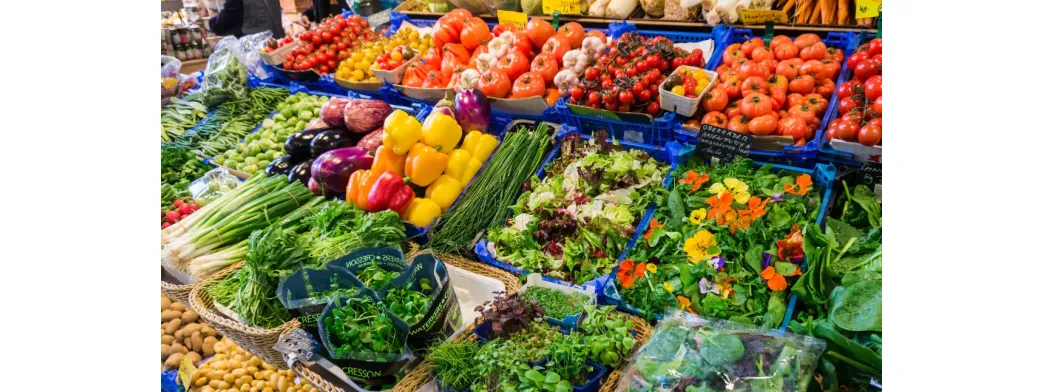
Supporting the Local Economy

One of the most cited economic benefits of shopping locally is that more of your money stays within the community. When you spend money at a neighborhood bookstore, family-run café, or farmers’ market, a larger portion of that revenue recirculates locally. For every $100 spent at a local business, about $68 stays in the local economy. By buying from local businesses and small businesses, you are essentially investing in your own town’s well-being. This can translate to more jobs and better infrastructure over time, as your dollars help local enterprises grow and hire.


Local entrepreneurs are also important job creators. Small businesses collectively employ a significant share of the workforce, and they often offer more jobs per dollar of revenue than large corporations. Local retailers might hire more staff per $1 million in sales compared to an online megastore, simply because their business model is more service-oriented and community-focused. These businesses tend to pay back into the community in other ways, too. All of that creates a “multiplier effect” where each dollar spent locally can generate additional economic activity nearby. Moreover, local businesses often offer better wages and working conditions than some big-box retailers. Hiring is also frequently done locally, so residents can find jobs close to home without long commutes. Altogether, choosing to buy local goods helps create a virtuous cycle of economic growth at the community level.


Strengthening Community Connections

Beyond the direct dollars, community-based shopping brings social benefits that strengthen the fabric of a neighborhood. Small local shops and markets become gathering places. These day-to-day interactions build relationships and trust among community members. A tight-knit community where people know each other is often safer and more resilient. It’s common to see local business owners sponsoring Little League teams, organizing street fairs, or donating to school fundraisers. They have a personal stake in the community’s success and often give back in ways large corporations do not. Equally, local shops give a town its distinctive character. Compare a main street filled with quirky independent stores to a strip of look-alike big-box retailers. This unique local flavor can instill community pride and make your area a more vibrant place to live.


The presence of vibrant local businesses can even influence lifestyle and health. When shops, cafes, and services are nearby, people tend to walk or bike more and drive less. Residents in neighborhoods with a high density of local businesses logged about 26% fewer automobile miles compared to those in areas with few local stores. Areas with more local shops also had better health outcomes on average, possibly thanks to reduced pollution and more active lifestyles.


Having a strong base of local businesses isn’t just a feel-good bonus. It can tangibly improve the quality of life. While local supply chains are not inherently invulnerable, they do give communities additional options and a sense of security in uncertain times. The benefits of shopping local clearly extend well beyond economics, enriching social connections and community well-being.

Fresher Produce and Better Quality Goods

One of the major benefits of buying local is the potential for higher quality, especially when it comes to food. Locally grown fruits, vegetables, dairy, and meats typically reach the consumer much sooner after harvest or production than goods shipped over long distances. Because there’s a shorter time between farm and table, produce hasn’t been sitting in distribution centers or on trucks for weeks. In fact, fruits and vegetables can begin to lose their nutrients within just 24 hours of being picked, so the faster they get to your plate, the more nutritious they tend to be. This means one of the key local produce benefits is that you often get food that is fresher, more nutrient-dense, and full of flavor.


Beyond nutrition and taste, buying locally can also give you more transparency and trust in the quality of goods. When you purchase at a farm stand or local artisan shop, you can usually talk directly to the producer or grower. You can ask the farmer how the lettuce was grown or ask the baker which ingredients they use in their bread. This direct connection offers reassurance about what you’re getting. These are the advantages of shopping locally that big-box retailers or imported products typically can’t provide. Fewer middlemen and shorter supply chains mean there are fewer points where something can go wrong, potentially making local foods safer in some cases.


For non-food items, local craftspeople and artisans often put special care into their work, resulting in unique, well-made products. A locally crafted piece of furniture or jewelry isn’t mass-produced. It might even be custom-made for you, with an attention to detail that large manufacturers can’t match. Local markets also introduce consumers to products they might not find elsewhere. Smaller growers often offer heirloom produce or specialty varieties that never make it to supermarket shelves, and local makers experiment with one-of-a-kind goods. This adds variety and character to your shopping options. The quality advantages are a strong driver for people to purchase locally whenever feasible.

Environmental Factors: Local Food Sourcing vs. Global Supply Chains

A common motivation for local food sourcing is the belief that it cuts down on pollution and carbon emissions. If your food travels 20 miles instead of 2,000, that’s a lot of fuel saved. Local purchases can also involve less packaging and refrigeration since they don’t need to endure long transit. However, the environmental equation is more complicated than just distance traveled. Transportation is only one part of a product’s overall carbon footprint, and often a relatively small part.


Buying local can encourage sustainable farming practices if consumers demand organically grown or low-impact methods from nearby farms. It also helps preserve green space and farmland in your area. When local farmers stay in business, their land is less likely to be sold off for development, which maintains open space and biodiversity. Shorter supply chains mean less need for things like excessive plastic packaging or chemical preservatives that are often used to keep food fresh during long transport. These are real shopping local benefits for the environment and public health.


It’s also worth noting how the mode of transport matters. Goods shipped in large quantities by boat or rail are extremely efficient per item, so importing some products may be less carbon-intensive than it appears. By contrast, a local product that still requires a long truck drive or individual car trips to deliver or purchase might have hidden emissions. The most enormous red flag is air-freighted food. Fortunately, only a tiny fraction of food is air-shipped, and those tend to be luxury or off-season products. If you’re aiming to eat sustainably, it can be more impactful to avoid air-freighted specialties than to focus solely on local vs. non-local. The environmental impact of local buying depends on the specifics: sometimes local wins out, but other times a well-managed global supply chain is actually more efficient.

When Buying Local May Not Be Better

There are scenarios when “local” isn’t automatically the superior choice. Here are a few situations where buying local might not mean buying better:


  • Out-of-Season and Energy-Intensive Production: Local isn’t always environmentally friendly if it means producing goods inefficiently. For instance, growing certain fruits or vegetables in a local greenhouse during winter might use far more energy than importing them from a region where they’re naturally in season.
  • Limited Variety and Availability: Depending on where you live, not everything you want or need is available locally. Certain foods simply don’t grow in many climates, so they must be imported if you want them. If you insist on only buying local, you might be restricting yourself to a very limited diet or missing out on products that aren’t produced nearby.


The advantages of shopping locally come with caveats. There are times when global sourcing or larger-scale production can be more efficient or even more sustainable. A balanced perspective recognizes that both local and non-local goods have their place depending on the context.


How to Make Informed Tradeoffs as a Consumer

How can you decide when to purchase locally and when another option makes more sense? The answer will depend on your personal priorities and the specific situation. Here are some tips to help you make informed shopping decisions that fit your values and needs:


  1. Identify Your Priorities: First, be clear on what matters most to you for a given purchase. Is it reducing your carbon footprint, supporting your community, getting the best price, or obtaining the highest quality? For example, if cutting emissions is your top concern, remember that what you buy might matter more than where it comes from. If community support is your main priority, you might choose to buy local goods even if they cost a bit more or have a slightly higher footprint, because the social benefits are worth it to you.
  2. Research the Product’s Journey: Not all products labeled “local” are created equal, and not all imported products are bad. Try to learn about how the item was produced and transported. If it’s food, was it grown in season and without excessive chemical inputs? If it’s a locally made craft, where do the raw materials come from? Sometimes a product shipped from afar is produced in a highly sustainable or ethical way, while a local producer might use unsustainable practices. Understanding these details helps you weigh the tradeoffs beyond just the distance on the label.
  3. Consider the Whole “Cost”: When comparing local and non-local options, factor in all the costs and benefits, not just the price tag on the shelf. Maybe imported strawberries are cheaper in winter, but they won’t taste as good, and they traveled thousands of miles to reach you. The local strawberries in summer might be a bit more expensive than the grocery store’s, but they’re bursting with flavor, and your money spent on them supports a nearby farm. In many cases, the advantages of buying local are worth the extra dollar or two. Other times, it might not be worth it to you.
  4. Mix and Match Your Approach: You don’t have to take an all-or-nothing stance. A sensible strategy for many people is to enjoy the best of both worlds. Buy local where it makes a noticeable positive difference, and take advantage of global or non-local sources where they excel. You might get your produce, bread, and meat from local farmers and bakeries, but purchase pantry staples or out-of-season fruits from a larger grocer that imports goods.
  5. Use Tools to Support Local Shopping Conveniently: One challenge with relying exclusively on local shopping is that it can be less convenient. However, technology is helping bridge this gap. Many communities now have online farmers’ market platforms or directories of local businesses. LocalCart.net lets you browse and buy from various neighborhood shops through one website, bringing the ease of e-commerce to the local marketplace. Take advantage of these tools if they’re available, because they can help you support small businesses without sacrificing too much convenience. Similarly, joining a Community Supported Agriculture (CSA) program or local co-op can provide a steady supply of local foods in a more accessible way. By leveraging such resources, you make supporting community-based shopping a seamless part of your routine.


Buying local is a fantastic way to invest in your community, enjoy fresh and unique products, and reduce certain environmental impacts. By understanding the tradeoffs and asking the right questions, you can reap the rewards of shopping locally where it truly counts, while still benefiting from the efficiency and variety of the global marketplace.


Informed consumers can strike a thoughtful balance. Supporting local businesses and farmers when it genuinely makes a positive difference, and appreciating the wider world of goods when that offers a better solution. At the end of the day, buying local is a meaningful part of mindful consumption, but it's most beneficial when approached with an informed perspective rather than a one-size-fits-all rule, an approach that benefits both you and your community.

Sources

  • CAMEO Network – “How Can Consumers Support Their Local Economy?” cameonetwork.orgcameonetwork.org
  • Virtua Health – “Is Eating Locally Grown Food Healthier for You?” virtua.org
  • Chatham House – “Privileging Local Food is Flawed Solution to Reduce Emissions” chathamhouse.org
  • Our World in Data – “You want to reduce the carbon footprint of your food? Focus on what you eat, not whether your food is local.” ourworldindata.org
  • Stein & Santini (Review of Agr. Food & Env. Studies, 2022) – “The sustainability of ‘local’ food: a review for policy-makers” link.springer.com
Read more
Buying local vegetables and greens at a vibrant market stall filled with peppers, tomatoes, lettuce, herbs, and edible flowers.
05/21/2024
How to Evaluate Local Products Without Relying on Labels or Marketing Claims

Buying local has become more than a trend. It’s a conscious consumer movement. The share of consumers who consider a product’s local origin “very important” jumped from about 26% to 32% in just one year. Many people want the benefits of buying local, such as fresher goods, support for community businesses, and reduced environmental impact. However, the challenge lies in ensuring that products touted as “local” are genuinely local. With clever marketing and loose labeling, it’s easy for companies to make something appear locally made when it’s not. So how can a consumer evaluate local products without relying on labels or marketing claims alone? This guide will discuss the advantages of buying local, why labels can be misleading, and practical ways to identify authentic local products by digging deeper into producer practices.
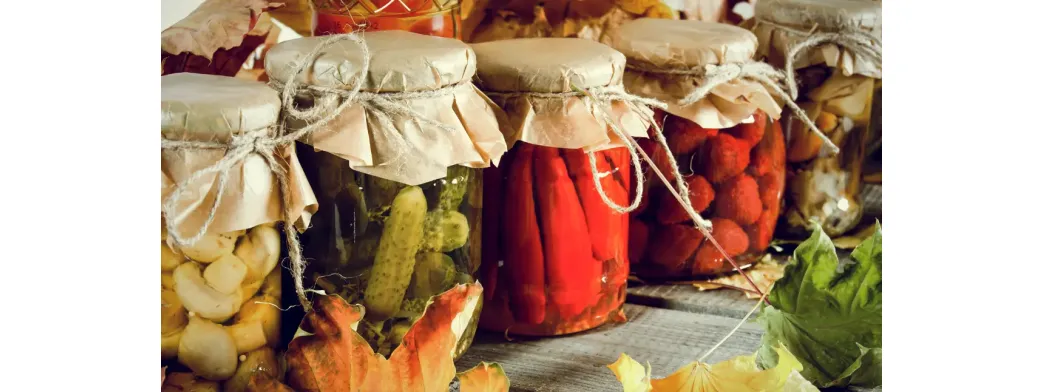
The Benefits of Buying Local

Before learning how to verify authenticity, it’s important to understand why buying local matters. Supporting local producers offers numerous advantages for consumers and communities alike. For one, locally owned businesses tend to reinvest much more of their revenue back into the local economy. In fact, studies have found that the advantages of shopping locally are striking. Local retailers and restaurants return up to four times more money to the community for every dollar earned compared to national chains. This local “multiplier effect” means your purchase at a neighborhood store or farmers’ market helps create local jobs and stimulate nearby businesses.


Beyond economics, there are other key benefits to shopping local. Locally grown or made products often reach you faster and with fewer miles traveled, so they can be fresher. A shorter supply chain also generally means a lower carbon footprint, contributing to environmental sustainability. Additionally, buying local preserves your community’s unique character and flavor. Small local producers often offer distinctive, artisanal goods.


Another benefit is the personal connection. When you purchase from a local farmer or artisan, you can often meet them in person and learn the story behind the product. This fosters a sense of community and trust that’s hard to replicate with distant manufacturers. Local businesses are also more accountable to their neighbors. They’re producer accountability is higher because their reputation in the community is on the line with every sale.

Why Labels and Marketing Can Mislead

The reality is that marketing can be deceptive, and terms like “local” have no strict legal definition in most contexts. Much like buzzwords such as “natural” or “green,” companies can use “local” as a selling point without meeting any universal standard. A multinational food brand might add a token ingredient from a nearby farm or feature a photo of a local farmer, and then label the product in a way that suggests it’s locally produced. This practice is informally known as “local-washing,” which creates a false impression that a product or brand is more locally rooted than it truly is.


It’s also easy for marketing to play on our assumptions. A package could display a quaint barn, farmers’ market scenes, or phrases like “farm fresh,” leading consumers to believe they’re supporting a nearby farm, when in fact the item might be mass-produced and just given a “local” spin. Evaluate product claims critically: does the packaging provide real details, or just feel-good imagery? Be wary of vague terms like “locally sourced ingredients” without specifics. This isn’t to say companies are always intentionally deceitful. Sometimes they follow their own internal definition of local. But as a consumer, you have to look past the front-of-package marketing.

Understanding What “Local” Really Means

Government agencies and industry groups have proposed various distance limits. The U.S. Congress provided one guideline in the 2008 Farm Bill: it defined a “locally or regionally produced” food product as one transported less than 400 miles from its origin or produced within the same state. By this definition, a jar of jam made four states away might legally qualify as “local” if those states are within 400 miles. It shows how a local manufacturing process on paper could still involve a significant distance.


Some regions have stepped in to tighten definitions. For example, the state of Vermont updated its food labeling law to make “local” essentially synonymous with “made in Vermont.” Under their standards, to label a food product as “local” in Vermont, the primary ingredients must be from Vermont, and the product must be processed in-state. This kind of regulation is designed to understand local product standards clearly and prevent misuse of the term. However, such strict rules are the exception rather than the norm. Unless you live in an area with a defined local label law, you can’t automatically trust that “local” on a package meets any particular threshold.

Verifying Local Sourcing Through Research and Questions

Instead of taking labels at face value, consumers can play detective to identify authentic local products. Start by doing a bit of research and asking direct questions. The simplest way is to go to the source: if you’re at a farmers’ market or local shop, talk to the seller or producer. Ask them, “Where was this product grown or made?” A genuine local producer will usually be transparent and even enthusiastic in sharing details about their farm or workshop. Engaging with producers is one of the best parts of shopping locally. You can learn about their methods, the seasonality of ingredients, and the story behind the product.


When a product is sold through a retailer and the producer isn’t present, you can still seek information. Look for clear origin labels that give the farm name, the town or county, or other verifiable info. If the info isn’t on the package, check the brand’s website or social media for clues. Many small producers list their location and even the farms they source from. You can also consult community resources: many areas have “buy local” directories or food cooperatives that list local producers. Some states or regions maintain online directories of farms, farmers’ markets, and artisans. These can be great for cross-checking whether a producer is truly local to your area. If a brand claims to be local but you can’t find any mention of them in local business listings or markets, that’s reason to be skeptical.


Don’t be shy about inquiring about the distance a product traveled to reach you. At a market, you might ask, “How far did you come to sell here?” Sellers at authentic farmers’ markets are typically from the region. If you’re investigating a product in a grocery store, sometimes the store staff in the produce or specialty section might know the supplier’s locality. The key is to verify local sourcing by seeking evidence beyond a sticker. Use your own eyes and ears. Transparency is crucial: legitimate local products will withstand a bit of scrutiny. a logo, you should still check what the certification means and verify the producer’s details.)

Direct-from-Producer Evaluation at Farmers’ Markets

One of the most effective ways to ensure authenticity is what we might call direct-from-producer evaluation. In practice, this often means buying at farmers’ markets, farm stands, or through community-supported agriculture (CSA) programs where you deal directly with the farmer or maker. The best farmers’ markets are “producer-only,” meaning every vendor is required to sell only what they themselves grew or made. At these markets, you won’t find resellers or distributors repackaging wholesale goods. However, some markets have looser rules and allow vendors to bring in produce from afar to resell. There are a few telltale signs to identify authentic local products in a market setting.


  • Packaging and Physical Clues: Locally grown or made goods are rarely labeled with standardized retail packaging or barcodes. Instead, they are often sold loose or with simple identification. Signs of bulk handling or commercial branding suggest involvement beyond the farm or workshop. Physical cues such as reusable containers or handwritten signage often align with small-scale operations.
  • Depth of Vendor Knowledge: Producers typically demonstrate detailed familiarity with their products, from growing methods to preparation tips. Conversations feel natural and specific rather than scripted. Vendors may explain varieties, cultivation choices, or challenges faced during the season. This depth reflects direct involvement and pride in the process. In contrast, limited or vague answers can indicate distance from production. Knowledgeable engagement builds trust because it shows the seller is personally responsible for the outcome, not simply managing a point of sale.
  • Pricing and Volume Alignment: Small-scale production involves higher labor and resource costs, which are reflected in pricing and availability. Authentic local vendors usually offer realistic quantities at prices that support sustainable operations. Extremely low prices combined with large volumes can signal external sourcing. True producers balance affordability with viability, often selling out rather than overstocking. Observing how quickly items move and how prices compare across similar stalls helps buyers assess whether offerings align with the economic realities of local production.


Evaluating authenticity at markets is less about a single indicator and more about recognizing consistent patterns. By applying these criteria thoughtfully, shoppers can make informed decisions that support genuine producers and strengthen local food systems through intentional, well-observed purchasing choices.

Demanding Supply Chain Visibility and Transparency

If you’re buying local products from retail stores or online platforms, you might not have the luxury of meeting the producer face-to-face. In these cases, supply chain visibility becomes crucial. Savvy consumers today are increasingly asking companies to provide transparency about where and how products are sourced. More than ever, shoppers want to understand the journey of a product from farm to factory to store with complete transparency at each step.


Some forward-thinking food companies now include QR codes or tracking numbers on their packages that you can scan to see the product’s origin and path. You might scan a code on a jar of local honey and see the beekeeper’s location and the distribution route, for instance. If a product offers that level of detail, it’s a good sign of authenticity and ingredient origin verification. If a “local” product’s supply chain is opaque, you may have reason to doubt its claims.

Community Trust and Producer Accountability

One often-overlooked aspect of evaluating local products is leveraging community knowledge. Truly local businesses operate within a community and are subject to producer accountability in ways that big distant companies are not. What does this mean for a consumer? It means you can often find out a lot about a local producer by asking around or checking community forums and reviews. If a farm or local brand has been selling in the area for a while, people will know them. A good reputation is usually a reliable indicator that their “local” claims are genuine. Conversely, if there have been issues, local food enthusiasts or farmers’ market managers likely know the story. Small communities have their grapevines; plug into these resources. This could be as simple as chatting with other customers at the farmers’ market or joining local social media groups devoted to food and farming. As this movement grows, tools are emerging to help consumers make informed choices. LocalCart is one example of a platform that connects people with community-based producers, providing information on who made the product and where, making it easier to shop local with confidence.


Buying local is a fantastic practice with many benefits, but don’t take claims at face value. Use all the resources at your disposal to verify local sourcing and authenticity. By doing so, you ensure that your hard-earned money supports exactly what you intend: real local producers and not just clever marketing. In turn, you get higher-quality products and the satisfaction of strengthening your local economy and community. That’s a win-win that goes far beyond what any label can convey.

Sources

  • Institute for Local Self-Reliance – The Corporate Co-Opt of Local ilsr.org (consumer survey on importance of local origin)
  • Vital Communities – Study Underscores the Benefits of Buying Local vitalcommunities.org (local businesses’ economic return vs. chains)
  • Organic Authority – Are You Being “Localwashed” by Corporate Giants? organicauthority.com (no regulations for “local” labeling and marketing tactics)
  • USDA National Agricultural Library – What Makes a Food “Local”? nal.usda.gov (400-mile definition from 2008 Farm Bill)
  • Sustainability Directory – How Can a Consumer Verify the ‘Local’ Claim of a Product? lifestyle.sustainability-directory.com (advice on checking origin labels and asking sellers)
  • Epicurious – How to Tell If Your Farmers Market Is Full of Actual Farmers epicurious.com (signs of genuine producers vs. resellers at markets)
  • NielsenIQ – COVID-19 Sparks Shift to Local Brands & Consumer Trust nielseniq.com (consumers seek supply chain transparency from farm to store)
  • VinePair – How Do You Define What Makes A Product Local? It’s Complicated. vinepair.com (local products may use non-local ingredients like imported hops)
Read more
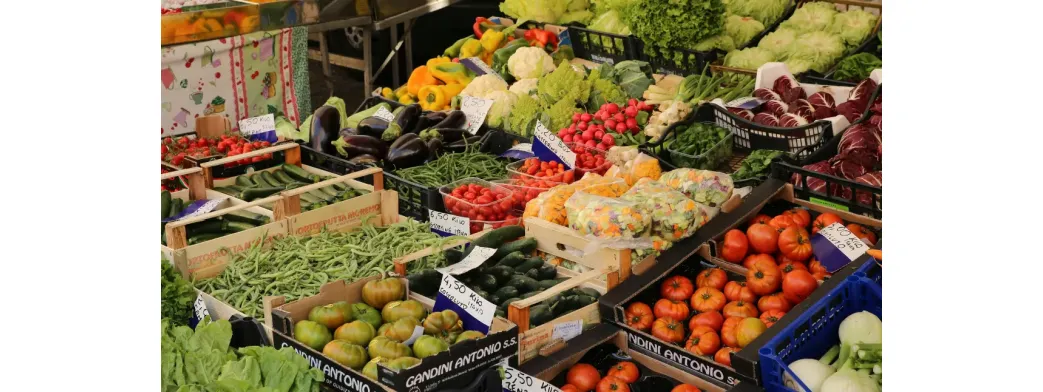
Sustainable products like pickled vegetables and fruits preserved in reusable glass jars with paper tops.
05/21/2024
Why Locally Sourced Products Are Better for the Environment

Consumers today are increasingly concerned about the environmental impact of their purchases.
Read more
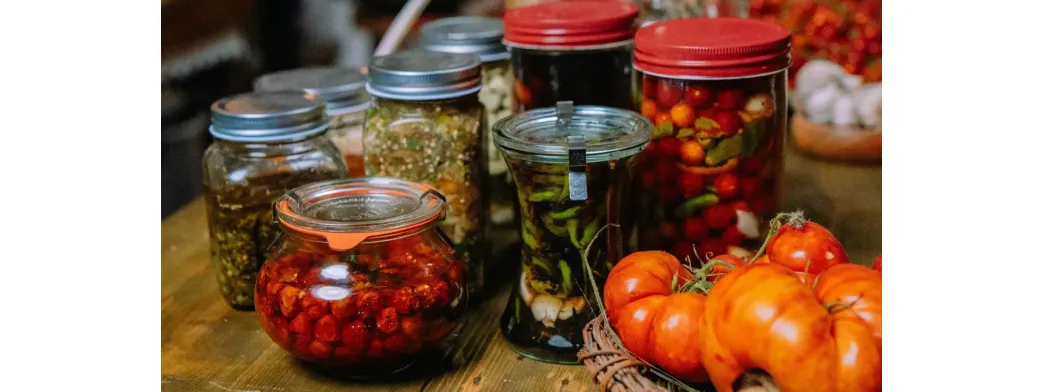
Local makers displaying colorful fresh vegetables and greens at an outdoor produce market.
05/21/2024
Discover Unique Small-Batch Goods Made by Local Makers Nationwide

Over the last decade, consumer behaviour in the United States has shifted toward more intentional purchasing.
Read more
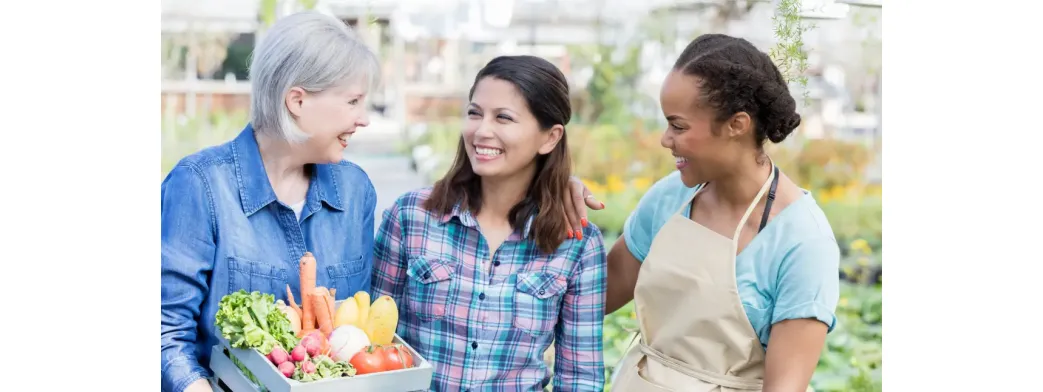
Small businesses offering assorted pickled vegetables and preserves in jars alongside fresh tomatoes.
05/21/2024
How Supporting Local Businesses Helps Preserve Your Neighborhood’s Character

Cities and towns are living ecosystems formed by the interactions of residents, workers, and visitors.
Read more
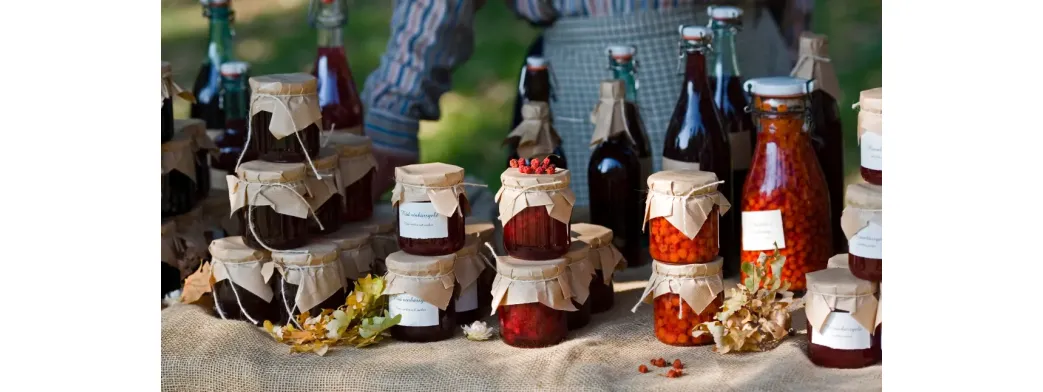
Local farmers sharing smiles while holding a box of fresh vegetables at a community market.
05/21/2024
How to Find Local Artisans and Farmers in Your Area

As people become more conscious about where their food and goods come from, many are turning away from anonymous supply chains and rediscovering the value of buying directly from makers.
Read more
Artisanal goods displayed in glass jars and bottles at a rustic outdoor market stall.
05/21/2024
Local Artisans and Farmers: The Heart of Sustainable Shopping

Sustainable shopping is about recognizing the people behind the goods we buy.

Read more

About Us

Local Cart is an easy and convenient platform where local food and beverage entrepreneurs can meet and serve their customers in this new Covid-19 world.  We help them more quickly pivot their business from the traditional dine-in or walk-in to a pick-up and/or delivery model.  We preserve communities by keeping alive the mom & pop shops they have come to love and depend on for their sense of place.

Be Updated!