Cart is empty


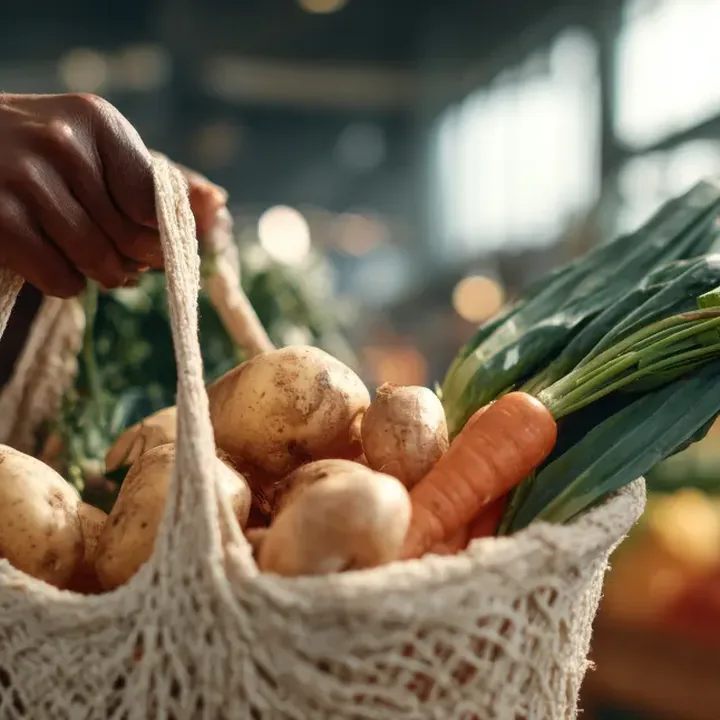
The right choice depends less on the app and more on the food. A store's delivery can only bring what that store stocks. A farm route brings what one farm or hub grows and gathers. Shipping from the maker reaches the widest range of small-batch goods, but you pay for shipping, and unless the maker ships cold, it only suits food that is fine at room temperature.
So start with your list, sort it into "needs a fridge" and "shelf-stable", and then match each half to the delivery that handles it best. The steps below walk through that, with a fee worksheet you can reuse.
Compare grocery delivery options
Five ways small-batch food gets to you
Most people searching for local grocery delivery picture a driver from a nearby store. That is one model of five, and for jars from independent makers it can be the weakest, because it depends entirely on one store's shelves.
What you need
-
Your shopping list, split in twoCold items on one side, shelf-stable on the other.
-
Your zip codeEvery option prices and limits delivery by address.
-
The checkout page, not the adSome fees appear only at the last step.
-
A food thermometerOnly if you order anything perishable by mail.
| Delivery model | What it can bring | Cold food? | Watch for |
|---|---|---|---|
| Store delivery, by the store's drivers or an app shopper | Whatever that store stocks, including its local shelf | Yes, if the store packs it cold | Delivery and service fees, a tip, item prices that may differ from the shelf |
| Online-only grocer from a warehouse | Its own catalog | Yes | Order minimums, delivery windows |
| Farm, CSA or food hub delivery | One farm's harvest, or a hub's mix of nearby producers | Usually, on set routes | Fixed delivery days, subscriptions, limited areas |
| A maker shipping from its own website | That maker's full range | Only if the maker ships cold | Shipping per order, one maker per box |
| A multi-maker marketplace that ships | Many makers in one checkout | Depends on the marketplace | Shipping charged per maker |
For small-batch food, the best local grocery delivery is the one that actually lists the makers you want by name. Before comparing prices, open each option and search for two or three products you already buy. If the maker's name and town are not on the listing, you cannot be sure the jar you came for is the one that arrives.
Then run each option through the same short test:
- Does the listing name the maker and where they are based?
- Can it handle the cold items on your list, or only shelf-stable ones?
- Does it deliver to your address, and on which days?
- What does the policy say if a jar arrives broken?
- What is the total cost of one typical order, fees included?
Check delivery fees & shipping costs
Price the whole order, not the item
Grocery delivery prices are spread across several lines, and the cheapest-looking option on the first screen is not always the cheapest at checkout. The online grocer overview on Wikipedia sums up the models behind the screens: in-store pickup, local drivers working from a warehouse or dark store, and courier shipping for grocers covering large areas. Each model charges in its own way.
| Cost line | Where it shows up | How to check it |
|---|---|---|
| Delivery fee | Store and app delivery, farm routes | Look at the checkout total, not the banner |
| Service fee | Many app-based services | Usually its own line near the end of checkout |
| Item price difference | Some delivery services | Compare three item prices with the store's own shelf or website |
| Order minimum or small-order fee | Warehouse grocers, apps | Add one item and see if the fee disappears |
| Membership | Some online grocery delivery plans | Divide the yearly cost by the orders you will really place |
| Tip | Driver and shopper delivery | Count it as part of the cost |
| Shipping per seller | Makers and multi-maker marketplaces | Count how many sellers are in your cart |
| Sales tax | Almost everywhere | Added at checkout by state and locality |
Shipped small batch food delivery has a cost pattern of its own: you pay per box, and each maker packs its own box. Four jars from one maker usually means one shipping charge. Four jars from four makers means four.
Do not expect the first price you see to include those fees. The FTC's rule on unfair or deceptive fees, 16 CFR Part 464, makes a business show the total price up front, but it covers only live-event tickets and short-term lodging. Grocery delivery is outside it, so under federal rules an app or store can list item prices first and add delivery and service fees later in checkout. Some states have broader price-display laws of their own. Either way, the reliable number is the one on the final checkout screen.
Use this worksheet for any option. It turns a pile of fees into one number you can compare across a store app, a farm route and a shipped order.
- Items: add up the prices of what you actually want.
- Fees: add every delivery, service, small-order and shipping line, including one shipping charge per maker for shipped orders.
- Tip and tax: add both.
- Total: items plus fees plus tip and tax.
- Cost per item: divide the total by the number of items. This is the number to compare.
A restaurant food delivery service works the same way on paper but is built mostly around restaurant meals. It is rarely where jarred small-batch food lives, so leave it out of the comparison unless a local shop sells through one.
Batch by maker.If you shop shipped goods, build each order around one or two makers and buy several of their items at once. That keeps the shipping lines down without chasing a free-shipping offer.
Local food delivery vs specialty food delivery
Cold food rides with a driver, jars can travel by mail
Here is the split that matters most. Local delivery, by a driver within a set area, can keep cheese, meat, eggs and produce cold for a short trip. Specialty food that is shipped across states goes by parcel carrier, often for several days, so it suits jams, hot sauces, spice blends, dried pasta and snacks, and only suits cold food if the seller packs it with a cold source.
| Local food delivery | Specialty food shipped by mail | |
|---|---|---|
| Distance | Within a delivery zone | Across the country |
| Best for | Perishables and weekly groceries | Shelf-stable jars, bottles and dry goods |
| Range of makers | Limited to what nearby stores or farms carry | As wide as the sellers who ship |
| Typical charges | Delivery fees, service fees, tip | Shipping costs per seller, priced by address |
| Timing | Windows set by the store or farm | Days, set by the seller and carrier |
If you do order anything perishable by mail, check it on arrival. Clemson University's Home and Garden Information Center advises opening any package marked "Keep Refrigerated" right away and checking its temperature. If it arrives above 40 degrees Fahrenheit by a food thermometer, notify the company and do not eat it. The same fact sheet names foods that travel well without refrigeration, such as hard salami, hard cheese and country ham.
Acid is the reason jars travel well. FDA's rules for canned and acidified foods draw the line at pH 4.6. Under 21 CFR 114.3, an acid food has a natural pH of 4.6 or below, and an acidified food, such as pickled peppers, is a low-acid food brought to a finished pH of 4.6 or below by adding acid. Jams, jellies and preserves sit outside that rule as their own category. Foods sold under refrigeration are excluded too, which is a useful tell: a fresh salsa or sauce from the store's cold case is not a shelf-stable product, even if it looks like the jar beside it.
So the label decides how it should travel. A sealed jar or bottle sold at room temperature can ride in a parcel. Many still carry "Refrigerate after opening" on the label, and that instruction is about your kitchen, not the trip. Anything marked "Keep Refrigerated" needs a cold source in the box.
Read the damage and return policy before you buy food from any seller, because food is often treated differently from other goods. LocalCart returns & exchanges is a no-returns policy: the page says it cannot accept returns or exchanges and asks you to email info@localcart.net if there is an issue with your order. Compare that with what your other options promise, and weigh it alongside delivery fees and shipping costs when you decide.
Arrival dates are estimates.A shipped order's arrival date is an estimate, not a promise. Do not plan a dinner around a parcel that has not arrived.
How LocalCart ships small-batch goods
Every maker packs & ships its own order
LocalCart is specialty food delivery, shipped by each maker, not local food delivery. There are no LocalCart drivers and no same-day delivery. It is an online marketplace where independent makers in Virginia, Maryland, Pennsylvania, New Jersey, Ohio and California list their own products, and each maker ships its own orders.
Here is what happens at checkout, step by step.
- You add products from one or more makers to a single cart. Guest checkout works, so an account is optional.
- You enter your address. Checkout takes addresses in the United States and the US Virgin Islands, and the Terms note that shipping may not be available to every location.
- For each maker in the cart, checkout shows a separate shipping choice, with rates calculated for your address.
- State and local sales tax is added. You pay by card through Stripe or with PayPal.
- The maker confirms the order, by email or in your account, then packs and ships it. If you have an account, the order appears under Orders.
Any shipping times shown are estimates, not guarantees. LocalCart's Terms say plainly that it "does not guarantee same-day shipping on any order" and that published shipping guidelines "are not guarantees of a shipping or arrival date." Nothing on the site offers a free-shipping threshold or cold-pack shipping, and the catalog is jars, bottles and dry goods to match.

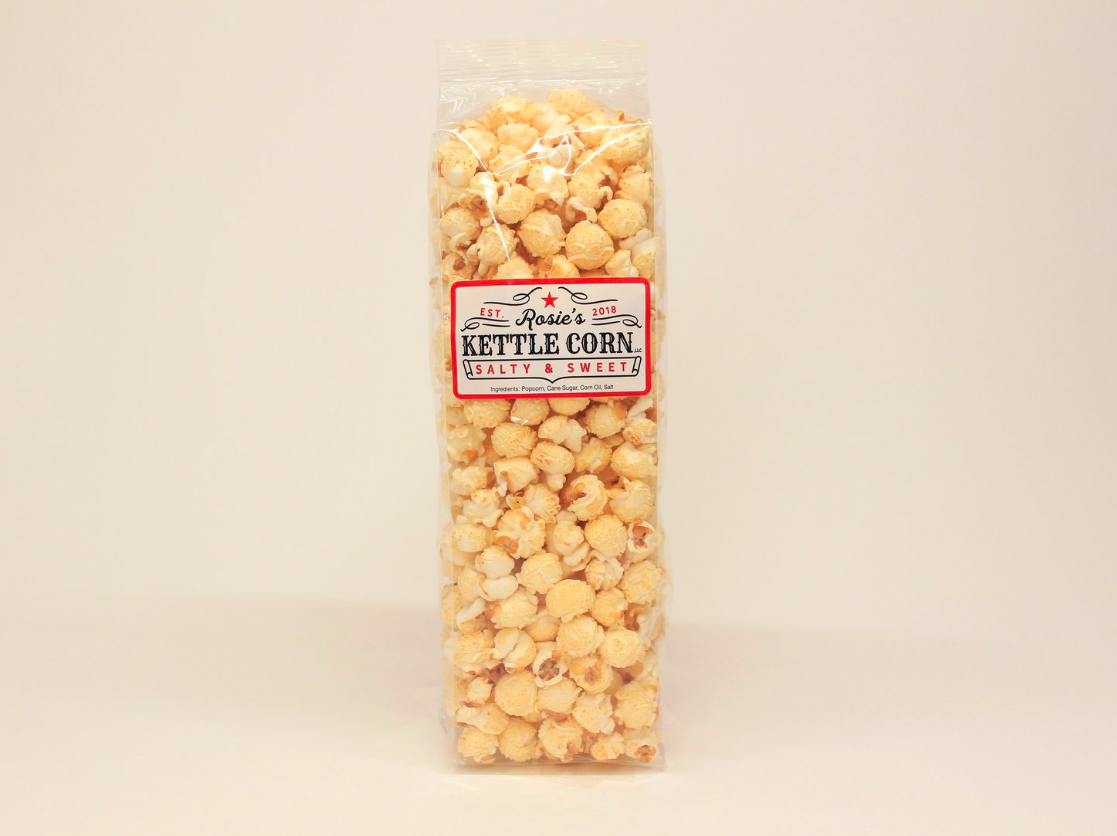

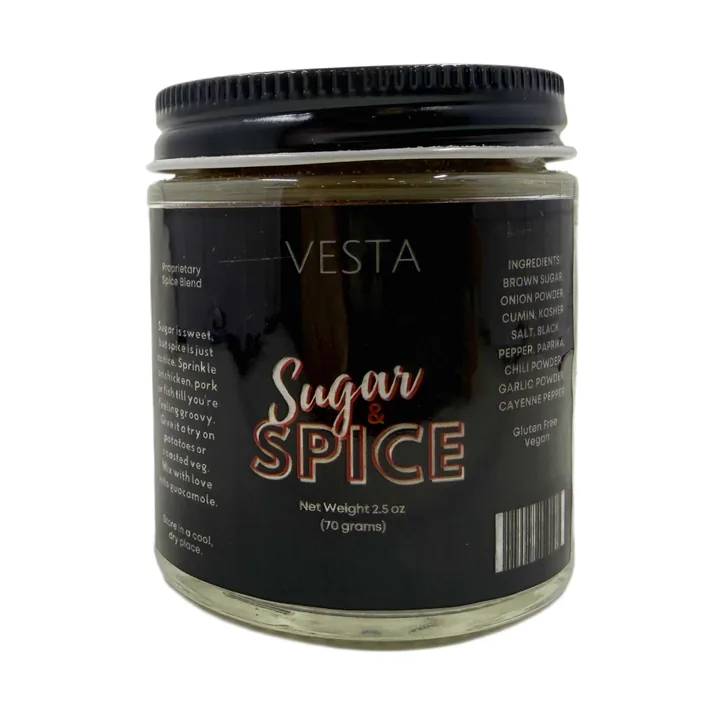
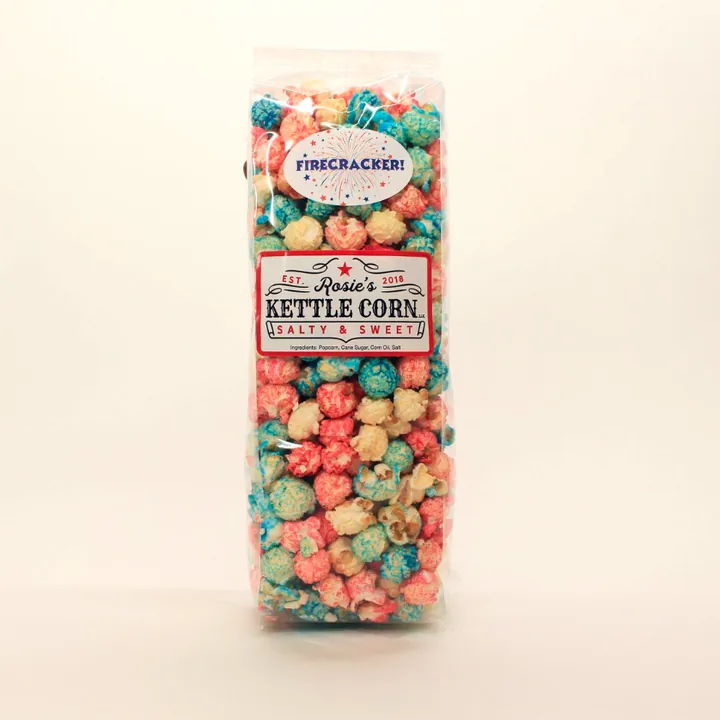
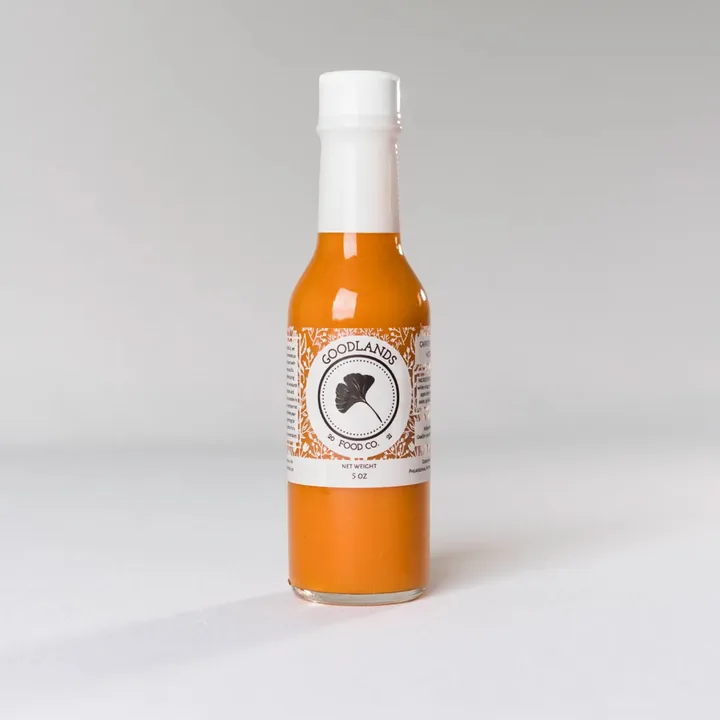
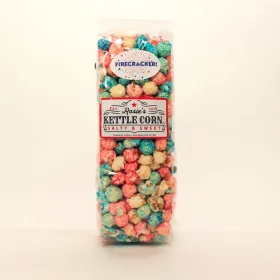
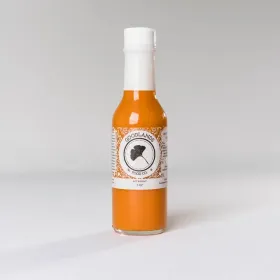
Those three come from three makers: Vesta Kitchen in Pottstown, Pennsylvania, Rosie's Kettle Corn in Coatesville, Pennsylvania, and Loudounberry Farm & Garden in Virginia. Ordered together, that is three shipping charges. Ordering several of Vesta's sauces instead would be one.
Food is final sale on LocalCart. If an order arrives damaged or something is wrong, email info@localcart.net or contact the maker directly, as the Terms advise.
Shelf-stable jams, sauces and snacks from independent makers in six states.
Browse the catalogSources
Local grocery delivery FAQs
Frequently asked questions
Can I get small-batch food delivered the same day?
Sometimes, through a local store or farm that delivers in your area and stocks the makers you want. Shipped orders take longer, and their arrival dates are estimates. LocalCart does not offer same-day or local delivery, because each maker ships its own orders.
Why does my LocalCart order show more than one shipping charge?
Each maker packs and ships its own products, so checkout shows a separate shipping choice for every maker in your cart. Buying several items from one maker keeps it to one charge.
Is it safe to have jam and hot sauce shipped?
Yes, sealed jars and bottles that are sold shelf-stable travel at room temperature. Refrigerate them after opening if the label says so. Perishables like meat and soft cheese are different and should arrive at 40 degrees Fahrenheit or colder.
What if a jar arrives broken?
Photograph the box and the jar, then contact the seller. On LocalCart, email info@localcart.net or the maker. LocalCart's policy is no returns or exchanges, but its returns page says it will work toward a fair solution when there is an issue with an order.
Who runs LocalCart?
LocalCart describes itself as run by a team of small-town, rural entrepreneurs, based in Harpers Ferry, West Virginia. You can read more about LocalCart and why it connects shoppers with independent food makers on its About page.
Local food & small-batch shopping guides
More from the LocalCart blog