Cart is empty


A farm store is a shop run by a farm, on or next to its own land, that sells what the farm grows and often what it makes from those crops, from jam to sausage. It is still the biggest way to buy direct from farmers.
In 2020, US farms sold $2.9 billion of food straight to consumers. On-farm stores and stands took in $1.23 billion of that, more than twice the $514 million sold at farmers markets, according to the USDA NASS Local Food Marketing Practices Survey. This guide covers how stands and on-farm markets differ, what to check on eggs, meat and milk, and which value added products travel well.
Farm stand vs on farm market
Same farm, a different counter
1
Farm stand
A small, often seasonal stall at the farm gate, sometimes self-serve with an honor box.
2
On-farm market
A store run by one farm on or beside its land, often open longer with a wider range.
3
Roadside stand
A farm's stall set up away from the farm, such as at a busy crossroads.
4
Pick-your-own
You harvest, the farm weighs. Often paired with a stand or store.
USDA's Agricultural Marketing Service draws the line by who runs it and where. Its On-Farm Market Directory lists markets "managed by a single farm operator" that sell farm products directly to consumers "from a location on their farm property or on property adjacent to that farm." A market with many farms selling side by side is a farmers market instead.
There is no federal rule that separates a stand from a store. NASS counts them together as "on-farm store or stand" and tracks a separate line for roadside stands away from the farm, which sold $252 million in 2020. In practice the difference is scale. A stand might sell sweet corn and tomatoes for ten weeks. Farm stores often run longer seasons, with coolers, freezers, a bakery case and goods from neighboring farms.
| Farm stand | On-farm market or farm store | |
|---|---|---|
| Setting | Table, cart or shed at the roadside | A building with coolers and shelves |
| Season | Usually the farm's harvest weeks | Often spring through the holidays, some year-round |
| What you find | Whatever was picked that day | Produce plus eggs, meat, dairy, baked goods, jams |
| Payment | Often cash or an honor box | Often cards too |
| Best question | "When was this picked?" | "Which of this did you grow or make here?" |
That last question matters more at a bigger farm store. USDA economists noted in a 2015 report to Congress that some fruit stands carry both locally grown and imported produce, so customers get a one-stop shop. Nothing is wrong with that, as long as the sign is honest. A good farm store will tell you which crates came from its own fields.
Rules on what a farm store may sell, and how much of it must come from the farm, are set by states and counties, so two farm stores an hour apart can look very different. If you are trying to find farm stores in a new area, our older guide to farm stores and local makers lists a few places to start.
Buying direct from a local farm grocery store
What to check before you fill the basket
Typing "farm store near me" into a map app finds the obvious ones. To find the rest, search the USDA directory of farm sellers, which AMS runs alongside its farmers market and farm share listings. Farms add and update their own entries, so check hours on the farm's site or social page before you drive.
Once you are there, a farm shop works like a small grocery with a few products that follow their own rules. Knowing those rules lets you shop with confidence, and tells you which questions are worth asking.
| Product | What the rules say | What to look for |
|---|---|---|
| Eggs | FDA requires shell eggs held for retail sale to be refrigerated at 45°F or below (21 CFR 115.50), unless they were treated to destroy Salmonella. States enforce it, and many add their own rules for small flocks. | Eggs in a cooler, not on a sunny counter. Bring a cooler bag for the drive home. |
| Meat | Custom-slaughtered beef, pork, lamb and goat skips federal inspection only when it goes back to the animal's owner for household use, marked "Not for Sale" (9 CFR 303.1). Poultry has its own exemptions, and some states run their own inspection. | A USDA or state mark of inspection on packages from a processor. Skip anything labeled "Not for Sale." |
| Milk | FDA bars packaged raw milk and most raw milk products from interstate commerce, with an exception for certain aged cheeses (21 CFR 1240.61). Sales inside a state follow state law, which ranges from a ban to retail sale. | The word "pasteurized" on the label, unless you have chosen raw milk where your state allows it. |
| Jams, baked goods | Home kitchens may sell some foods under state cottage food laws, which differ by state. | A maker's name and address on the label. Ask whether it was made in a licensed kitchen. |
| Produce | No federal definition of "local" or "farm fresh." | Ask which farm products came from this farm. |
A farm stand is the simplest case: fruit and vegetables, priced by the box, quart or piece. For value, convert to per-pound prices and buy what is in glut. In central and eastern North Carolina in 2011, peak-season cantaloupe at roadside stands cost 36% less than at supermarkets (Valpiani et al., 2015), while other items cost more, so compare item by item.
At an on farm market with a freezer case, meat is often sold by the cut or in bundles. Read the package for the inspection mark and ask how the animals were raised if that matters to you. Farms that sell this way usually like the question.
Questions to ask a farm store0 of 6 done
Plan the driveBring a cooler with ice packs for eggs, meat and dairy, plus a sturdy box for soft fruit. Most farm store purchases are perishable, and a hot car undoes the freshness you drove for.
Most farms selling this way stay close to home. In the 2020 NASS survey, about 78% of farms selling food directly sold all of it within 100 miles of the farm, and the 2022 Census of Agriculture counted 116,617 farms selling directly to consumers, with $3.3 billion in sales (NASS, 2024).
Value added products to look for
The jars that carry a farm into winter
Fresh produce is the reason most people visit a farm store. The shelves behind it are the reason to go back in January. USDA's Value-Added Producer Grant rules define one as a farm commodity that has undergone a "Change in Physical State," was produced or kept separate in a way that raises its value, or was marketed as a locally produced food, so that it reaches more customers and more of the revenue goes to the producer (7 CFR 4284.903). That definition decides grant eligibility. It is not a label rule. Strawberries are a crop. Strawberry jam is a value-added product.
They matter to farms. Among farms selling directly to consumers in 2020, 75% sold processed or value-added products, compared with 42% that sold fresh food, according to NASS. When you buy direct from farmers, the jar on the back shelf is as much a part of the farm's business as the crates out front.
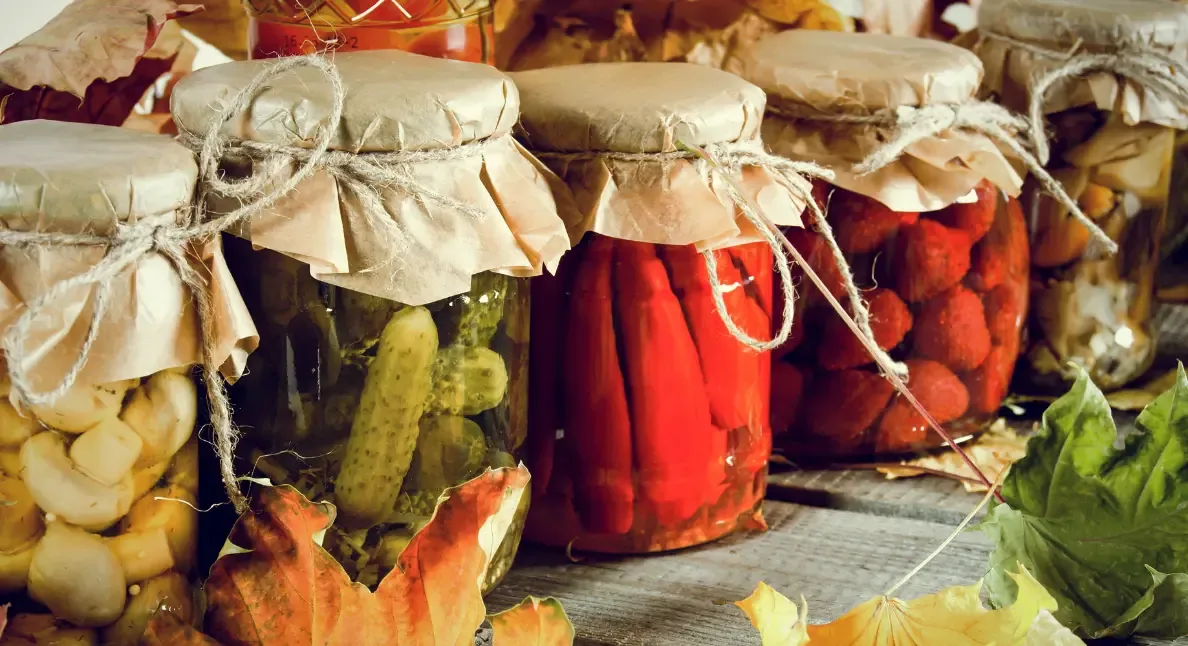
- Jams & jellies. FDA's standard of identity says a product sold as jam or preserves must use at least 47 parts fruit to 55 parts sweetener by weight for berries, cherries and similar Group I fruits, or 45 parts for others such as peaches, and finish at 65% soluble solids or more (21 CFR 150.160). A label that lists fruit before sugar means the fruit outweighed the sweetener.
- Pickles & pickled eggs. A good use of a glut. Ask whether sealed jars came from a licensed kitchen, and refrigerate after opening.
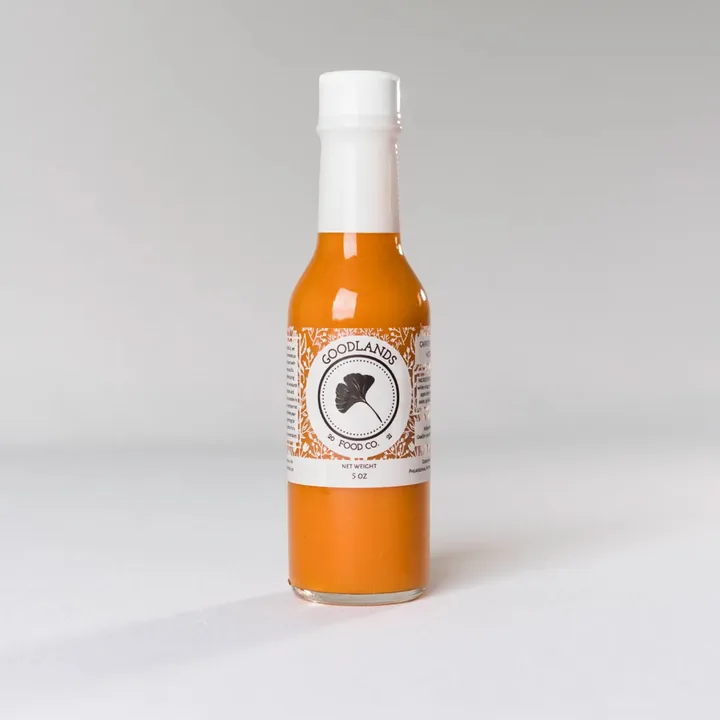
- Salsas & hot sauces. A pepper harvest in a bottle. Ask whose peppers went in.
- Honey & syrups. Often from the farm's own hives or trees. Ask, since some stores resell a neighbor's.
- Grains, popcorn, flour. Dry goods that keep for months, and a way to back grain growers as well as fruit farms.
- Organic labels. A farm selling $5,000 or less of organic products a year may call them organic without certification, but it must still follow the organic production and labeling rules (7 CFR 205.101) and cannot use the USDA Organic seal (7 CFR 205.310). Ask how it grows if you are unsure.
Loudounberry Farm & Garden is a good picture of a local farm grocery store with a value-added shelf. Its stated mission is to give Loudoun County, Virginia residents and visitors "quality locally sourced, grocery items, produce and farm and garden supplies" with "the warm feel of an unique market." Its storefront lists coffee, wood fired pizza, jerky, meats, cheese, eggs, pumpkins and Christmas trees among the products at the market itself. On LocalCart it sells the part that ships: jams, jellies, salsas and pickled eggs.


Traffic Jam is strawberries, raspberries and blueberries with sugar, pectin and citric acid. The Mango Salsa label lists tomatoes, mango, brown sugar, apple cider vinegar, peppers and celery, among other ingredients. Both labels carry a "Refrigerate After Opening" line, which is about storage at home: once the seal is broken, the jar goes in the fridge.
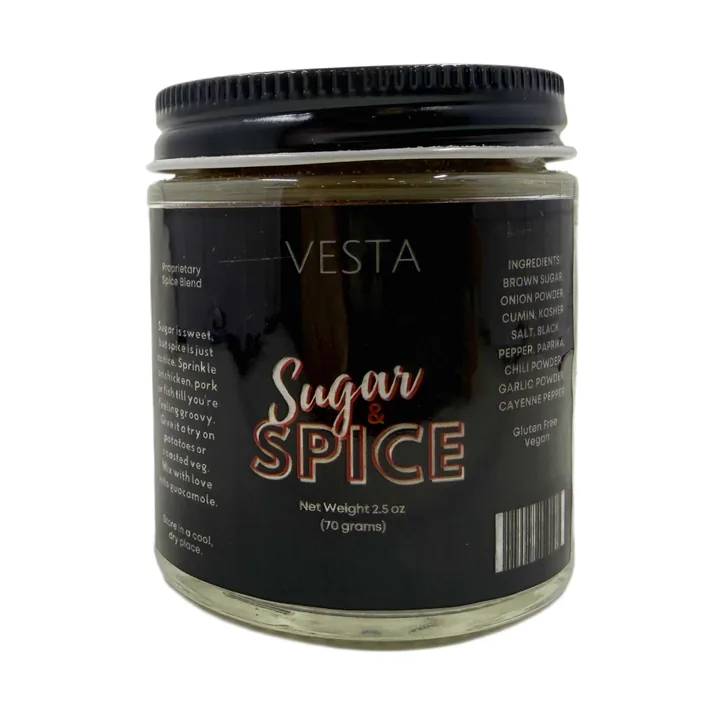
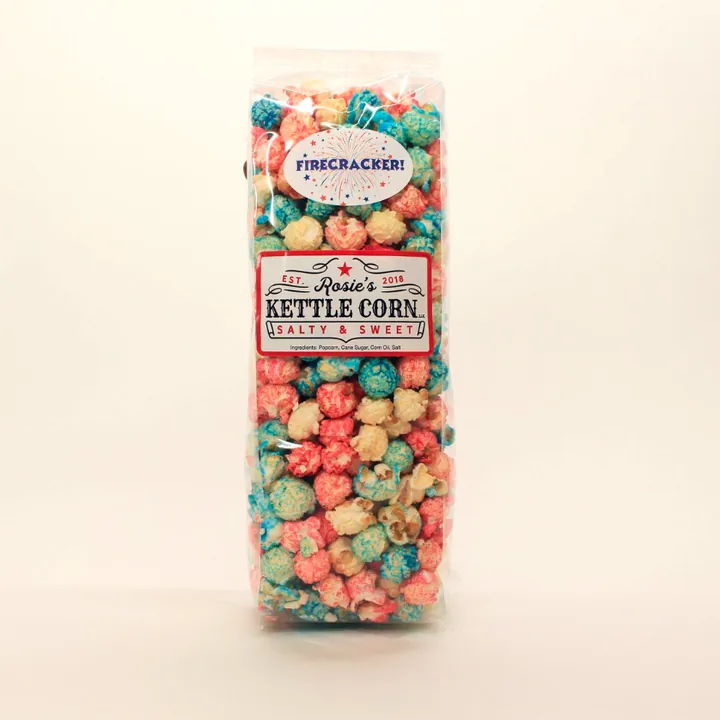
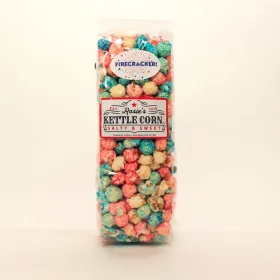
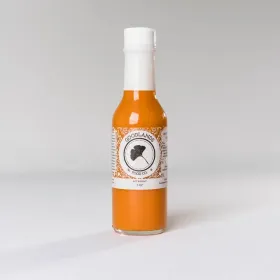
Other makers on LocalCart trace back to specific farms. Vesta Kitchen in Pottstown, PA, makes Hill Creek Hot Sauce with peppers grown at Hill Creek Farm in Chester County, a fermented sauce with a bright, floral taste and moderate heat. Rosie's Kettle Corn in Coatesville, PA, says it pops with popcorn, corn oil, sugar and salt, using popcorn sourced in Lancaster County.

One honest limit: buying online is not the same as standing in the barn. Each LocalCart maker ships its own products, so a cart with items from two makers shows two shipping charges at checkout, with rates calculated for your address. It works for the jars, not for this week's eggs. For the fresh side and the case for it, see our post on buying local produce.
Sources
- USDA NASS, Direct Farm Sales of Food: Results from the 2020 Local Food Marketing Practices Survey, 2022
- USDA AMS, Local Food Directories: On-Farm Market Directory
- USDA ERS, Trends in U.S. Local and Regional Food Systems: A Report to Congress (AP-068), 2015
- 21 CFR 115.50, Refrigeration of shell eggs held for retail distribution
- 9 CFR 303.1, Exemptions (custom slaughter and processing)
- 21 CFR 1240.61, Mandatory pasteurization for milk in final package form
- Valpiani, Wilde, Rogers, Stewart, Patterns of fruit and vegetable availability and price competitiveness across four seasons, Public Health Nutrition, 2015
- USDA NASS, USDA releases 2022 Census of Agriculture data, February 13, 2024
- 7 CFR 4284.903, Value-Added Producer Grants definitions
- 21 CFR 150.160, Fruit preserves and jams
- 7 CFR 205.101, Exemptions from organic certification
- 7 CFR 205.310, Agricultural products produced or processed by an exempt operation
Farm store FAQs
Frequently asked questions
Do farm stores still exist?
Yes, and they are the largest farm-direct channel. On-farm stores and stands sold $1.23 billion of food in 2020, more than farmers markets, farm shares and online sales, according to USDA NASS.
What do they sell at farm stores?
Produce in season, plus eggs, meat, dairy and baked goods at larger stores. Most also stock value added products such as jams, pickles, sauces, honey and flour, often from neighboring farms as well as their own.
Can I buy directly from a farmer?
Yes: at the farm's own store or stand, at a farmers market, through a farm share, or from the farm's online shop. Some farm markets also sell shelf-stable goods online. Loudounberry of Lucketts, for example, sells its jams, jellies, salsas and pickled eggs on LocalCart.
Are farm stores cheaper than grocery stores?
Sometimes, and it varies by crop and region. In central and eastern North Carolina in 2011, some peak-season crops were much cheaper at roadside stands, while others, such as summer carrots at farmers markets, cost far more than at supermarkets. Compare per-pound prices on the items you buy most.
How do I find a farm store near me?
Search a map app, then check the USDA On-Farm Market Directory and your state agriculture department's farm guide if it has one. Listings are entered by the farms, so confirm the season and hours before you go.
Local food & small-batch shopping guides
More from the LocalCart blog