Cart is empty


A local food marketplace is a website where independent food makers list their own products and shoppers buy from several of them in one checkout. The marketplace runs the storefront and takes payment. The makers set their prices and ship the orders themselves.
That split decides almost everything about the experience, from how many shipping charges you see to who answers when a jar arrives cracked. This guide explains the model, sorts what is worth buying online from what is better bought nearby, and gives you a checklist for buying direct from makers.
How an online food marketplace works
One checkout, many kitchens
1
Makers list
Each maker writes its own listings, sets its own prices and keeps a storefront page.
2
You pay once
One cart and one payment, even with several makers in it.
3
Each maker ships
Every maker packs its own box, so shipping is charged maker by maker.
4
Policies differ
Returns and delivery estimates follow the marketplace's terms. Read them first.
Under the hood, an online food marketplace is closer to a farmers market than to a supermarket. A supermarket buys inventory and resells it. A marketplace hosts other businesses' products on its website. LocalCart's Terms describe it as "a passive platform" that lets users buy food from third-party sellers and say it "is not directly involved in the transaction between buyers and sellers." The vendor, in LocalCart's words, "shall be responsible for the shipping of your item."
| Job | Usually the marketplace | Usually the maker |
|---|---|---|
| Website, search and checkout | Yes | |
| Taking your payment | Yes, through a payment processor | |
| Product description, price, photos | Yes | |
| Ingredients, allergens and label compliance | Yes | |
| Confirming the order | Yes | |
| Packing and shipping | Yes | |
| Questions about the food itself | Yes | |
| Return and damage policy | Sets the terms | Often decides case by case |
One thing a marketplace may not do is check the makers. LocalCart's Terms say it does not pre-screen users and has no control over the quality or safety of products listed. So your best quality signals are the ones on the listing and the label: who made it and where.
Shopping online is now ordinary. In the Census Bureau's quarterly e-commerce release of August 18, 2026, e-commerce made up 17.1 percent of US retail sales in the second quarter of 2026, seasonally adjusted (16.4 percent before adjustment). Farm food sold online is still a sliver of that. USDA counted $312 million in farm food sold to consumers through online markets in 2020, and most farms selling direct keep it close to home.
17.1%
of US retail sales were made online in the second quarter of 2026, seasonally adjusted
78%
of farms selling food directly sold all of it within 100 miles of the farm in 2020 (USDA's approximate share)
That 78 percent marks the difference. A local food marketplace that ships across states is a different thing from a farm stand. It trades closeness for range. LocalCart's makers are in Virginia, Maryland, Pennsylvania, New Jersey, Ohio and California, and its own tagline is about "local food producers from around the country." Local, here, means local to the maker.
Other models sit alongside it, and each suits a different kind of shopping:
| Model | How it works | Best for |
|---|---|---|
| A maker's own website | One maker, one checkout, one box | Stocking up on a single maker you already love |
| Multi-maker marketplace | Many makers, one checkout, one box per maker | Trying several makers, gifts, shelf-stable pantry goods |
| Online farmers market or CSA | Order online, pick up or receive a weekly share | Fresh produce, eggs, meat from nearby farms |
| Food hub | Aggregates and markets food from many producers, mostly to stores and institutions | Usually indirect, through the stores and kitchens it supplies |
Read more about LocalCart and why it was set up. Its About page says local farmers and producers "often struggle to reach the people who would appreciate their goods the most."
- CSA
- Community-supported agriculture: a farm or group of farms selling seasonal shares on a subscription, paid partly or fully in advance (USDA directory definition).
- Food hub
- A business that aggregates, distributes and markets source-identified food from multiple producers, mainly local and regional ones (USDA directory definition).
- Cottage food
- Food made in a home kitchen under a state law that exempts certain low-risk foods from licensing. What is allowed, and where it can be sold, varies by state.
- Shelf-stable
- Safe at room temperature until opened. Jams, hot sauces, dried pasta and spice blends are usually sold this way.
Local online grocery shopping & artisan food online
Buy fresh nearby, ship the pantry
A marketplace that ships is the right tool for some food and the wrong one for the rest. The dividing line is temperature. Anything that needs a fridge is better bought close to home, where it spends hours in transit rather than days. Anything shelf-stable can travel.
For the fresh half, the USDA Local Food Portal lists farmers markets, CSAs, on-farm markets and food hubs by location. On November 2, 2026 it showed 7,187 farmers markets and 4,707 on-farm markets. Those are your sources for produce, eggs, meat and dairy.
For the pantry half, a shipping marketplace earns its keep. This is where small batch food from local makers in other regions fills gaps your own area cannot: a West African rice premix from Maryland, a flower syrup kit from Cleveland, pasta made with Mid-Atlantic grain. You can buy from makers you would never meet at your own market, and see their town and story on the storefront page.
| Category | Ships well because | On LocalCart now |
|---|---|---|
| Jams, jellies and preserves | Sealed and shelf-stable until opened | Loudounberry Black Bear Jam, $4.99 |
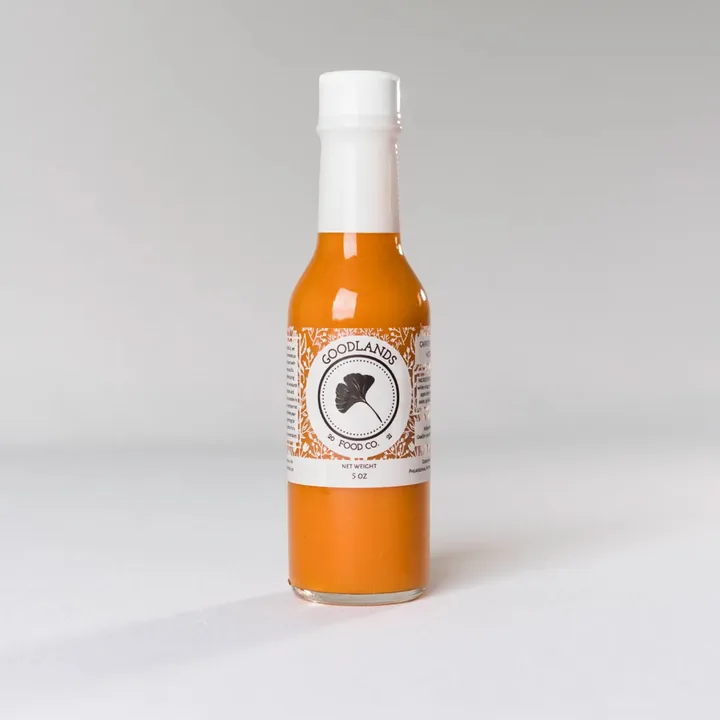
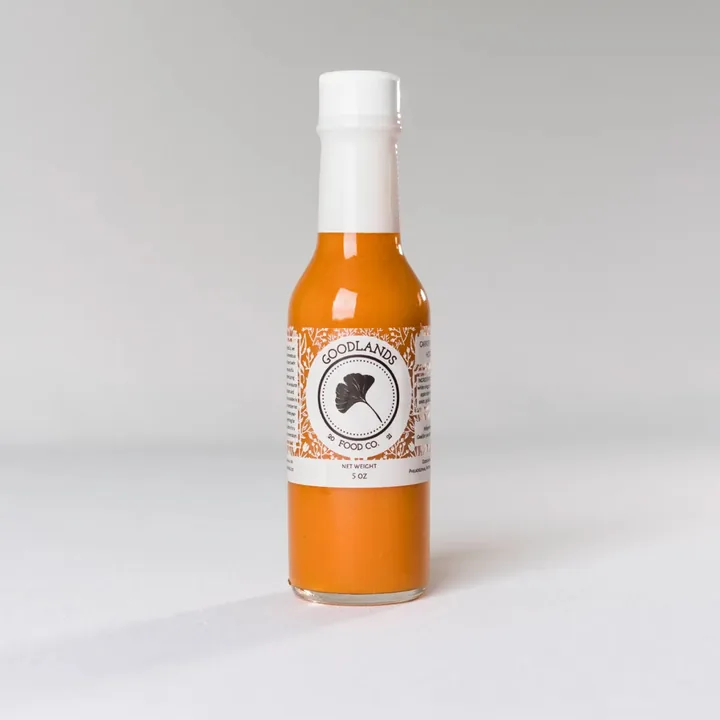
| Hot sauces and cooking sauces | Bottled and shelf-stable until opened | Goodlands Carrot Habanero Hot Sauce, $12.00 |
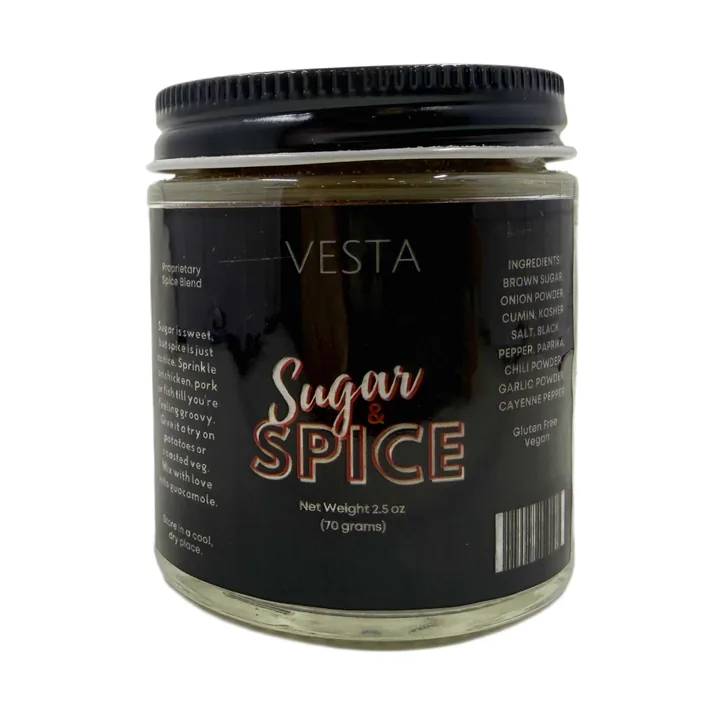
| Spice blends | Dry, light, slow to stale | Vesta Kitchen Sugar & Spice blend, $10.00 |
| Dried pasta and grain mixes | Dry goods, no refrigeration needed | Pasta Lab Dried Pasta, Box of 4, $32.00 |
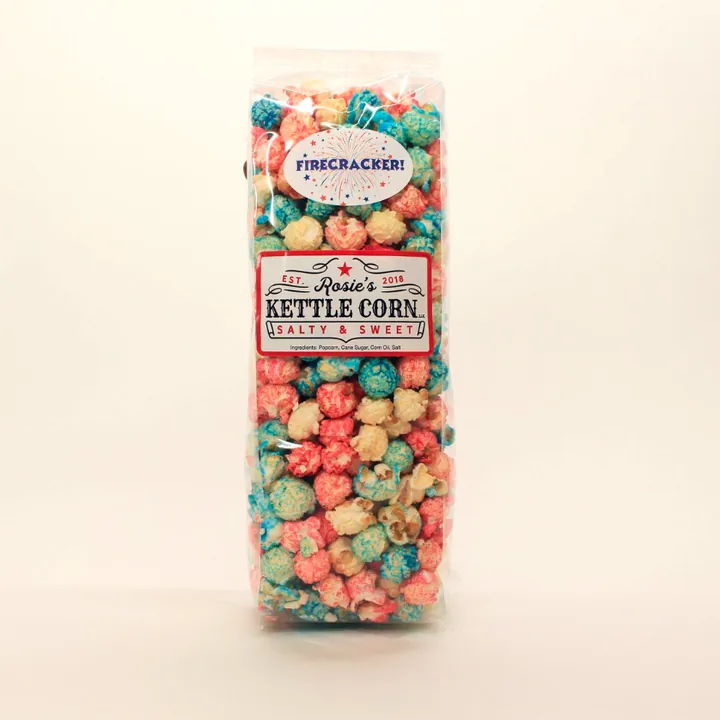
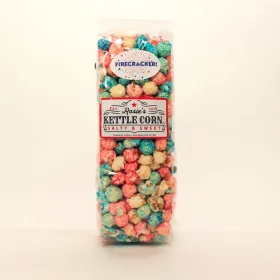
| Snacks | Sealed bags, no refrigeration | Rosie's Kettle Corn, $11.00 a flavor |
| Drink syrups | Shelf-stable bottles | Floral Elixir The Botanist kit, $32.00 |
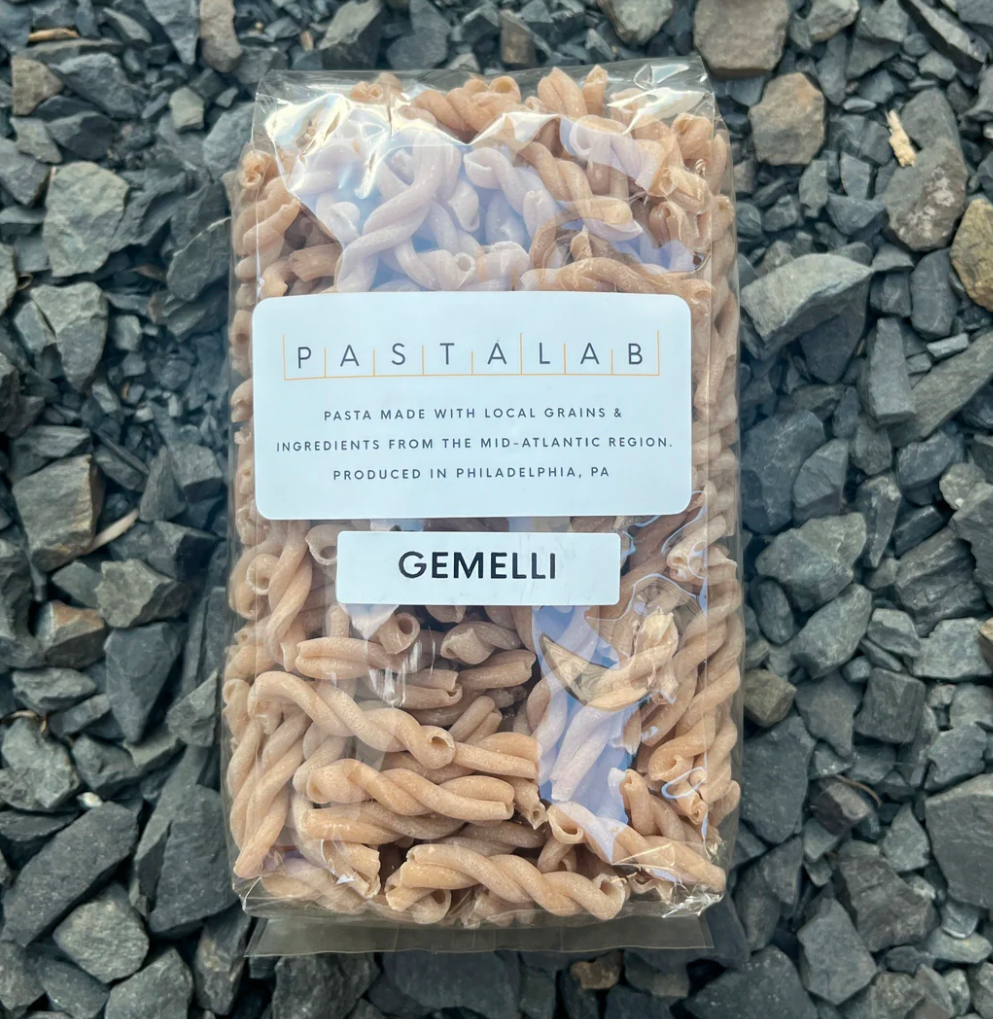


Read a listing the way you would read a jar. The details that matter are usually in the description, not the title. Pasta Lab's box page lists four 12 oz bags, notes that its Radiatori was a 2024 Good Food Award winner, and says the pasta needs no refrigeration and is best used within six months. Vesta Kitchen's Brand New Funk furikake lists bonito, a fish, and almond among its ingredients, and its Tangled Up in Blue hot sauce contains butter and blue cheese. Allergens like those are easy to miss in a product name.
Claims deserve the same care. Floral Elixir's page says The Botanist kit is 100% gluten free and 100% vegan. That is the maker's statement, and the right person to ask about it is the maker. A good marketplace makes that easy by showing who made what. Browse LocalCart's small batch food by category to see each maker's name on every listing.
Open the maker's storefront.Every product on a good marketplace links back to the maker's storefront. Open it. You will often find their other products, their town and how they got started, all useful before you decide.
Buying direct from makers
The seller is the maker, not a reseller
Local online grocery shopping through a marketplace has one real advantage over a supermarket shelf: the business you are buying from is the maker behind the food, not a reseller. The maker is named on the listing and will pack the box. When you buy local online this way, you also get the maker's own account of the food, in their words.
The stories are specific. Dr. Kwamena Atta Cudjoe, a Maryland-based Ghanaian, developed Amac's Jollof Rice premix to cook on the stovetop in 35 minutes, and sells it with his wife Penelope. Connie Caulfield of Caulfield Provision Company in Potomac, Maryland, spent over two and a half decades as a stay-at-home mom cooking for her husband and four children, and the sauces grew out of that. Lahtt Sauce in Los Angeles started with a chili oil the founder's father, a dim sum head chef, made in a wok, a first batch the storefront dates to "around 11 years ago."
Established in 2018, The Pasta Lab was born from a desire to share the flavor and variety of freshly-milled flour with our community.
Pasta Lab, Philadelphia, on its LocalCart storefront
Artisan food online is still food bought from strangers, so a little homework pays off. Run through this before you check out:
Before you buy direct from a maker online0 of 7 done
The grouping step matters more than it looks. On LocalCart, checkout shows a separate shipping choice for each maker, with rates calculated for your address. A cart of four Vesta Kitchen items carries one shipping charge. A cart with one item each from four makers carries four. Neither is wrong, but you should choose it on purpose.
Know your rights on timing, too. The FTC's mail, internet and telephone order rule, 16 CFR 435.2, requires a seller to have a reasonable basis to expect it can ship within the time it states, or within 30 days if it states no time. If it cannot, it must offer you the choice of agreeing to the delay or cancelling for a prompt refund. That is about orders that do not ship. Returns of food that did arrive are a separate matter, set by each seller's policy.
On LocalCart, food is final sale. The returns page says it cannot accept returns or exchanges because of the nature of small-batch products, and asks you to email info@localcart.net if there is an issue with an order. The Terms add that you can contact the maker directly. Any shipping times shown are estimates, not guarantees, in the words of LocalCart's Terms, and checkout takes addresses in the United States and the US Virgin Islands only.
Cold food by mail needs a cold source.If you order something perishable from any seller, check it on arrival. Clemson University's extension advises notifying the company and not eating food marked "Keep Refrigerated" that arrives above 40 degrees Fahrenheit.
Jams, sauces, spices and pantry goods, sold by the people who make them.
Meet the makersSources
- US Census Bureau, Quarterly Retail E-Commerce Sales, 2nd Quarter 2026, released August 18, 2026
- USDA NASS, Direct Farm Sales of Food: Results from the 2020 Local Food Marketing Practices Survey, 2022
- USDA AMS and Michigan State University, USDA Local Food Directories, checked November 2, 2026
- USDA Local Food Directories, Definitions
- eCFR, 16 CFR 435.2, Mail, Internet, or telephone order sales
- Clemson University Home and Garden Information Center, Mailing Perishable Foods (HGIC 3605), revised 2020
Local food marketplace FAQs
Frequently asked questions
What is a local food marketplace?
It is a website where independent food producers list and sell their own products, and shoppers can buy from several of them in one checkout. Some focus on farms within one area for pickup or local delivery. Others, like LocalCart, ship small-batch goods from makers in several states.
Is it cheaper to buy directly from a farmer or maker?
Not always. Buying direct skips the distributor and the store, but shipping, small batch sizes and hand production all cost money. Compare the total for one order, including every shipping charge, divided by the number of items.
What does buying direct from makers mean on a marketplace?
It means the maker is the seller. On LocalCart, makers list their own products, confirm orders and ship them, while LocalCart provides the storefront and checkout. Questions about ingredients go to the maker.
Can I return food I bought online?
It depends on the seller, and food is often excluded. LocalCart does not accept returns or exchanges, and asks shoppers to email info@localcart.net if there is a problem with an order.
What if my order never ships?
Under the FTC rule for mail and online orders, a seller that cannot ship within its stated time, or 30 days if none was stated, must offer you the choice to accept the delay or cancel for a prompt refund. Contact the seller first.
How can a small food maker start selling on LocalCart?
Makers can become a LocalCart vendor by filling in the application with their business name, a description and their address, which is used to calculate shipping rates. LocalCart's contact page also invites makers to email the team.
Local food & small-batch shopping guides
More from the LocalCart blog