Cart is empty


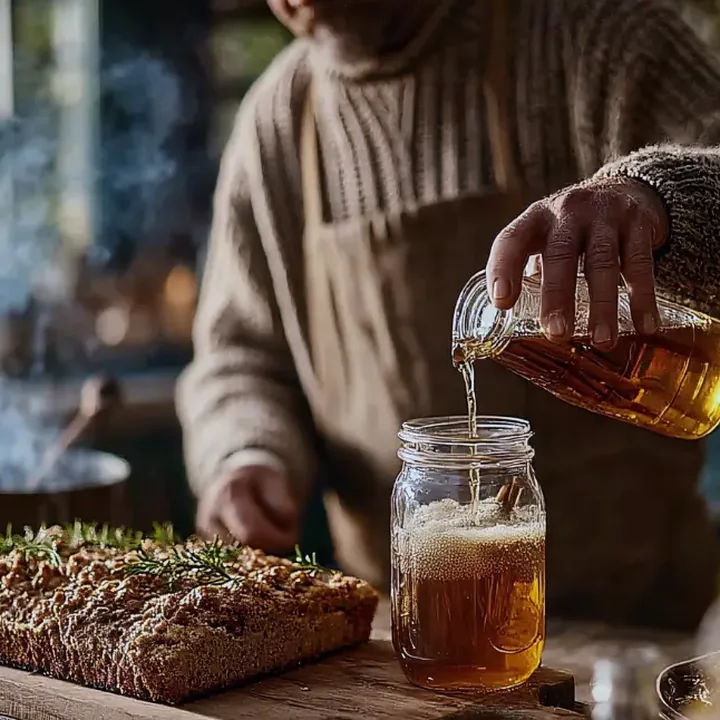
A gourmet pantry is a short shelf of strong-flavored jars that make plain food taste finished: a cooking sauce, a finishing hot sauce, a chili oil, a spice blend, a fruit preserve and a savory one. Six jars, one for each job a weeknight dinner might need.
Choose them by the label, not the price or the word "artisan," which has no federal definition. The product name, the ingredient order and the storage line tell you how a jar was made and how long it lasts once open.
Gourmet pantry items worth stocking
One jar for each job a dish might need
Gourmet pantry items earn shelf space by doing one job well. Think in jobs rather than categories. Heat, a cooking base and a sprinkle handle the savory side. Two preserves, one fruity and one sharp, handle the rest.
A gourmet pantry built that way gets used. A shelf of gift jars bought one at a time tends to collect dust, because nobody planned what each one was for.
1
Heat
One hot sauce for finishing eggs, tacos and soup at the table.
2
Base
One cooking sauce you can marinate in, simmer in or stir into a pan.
3
Sprinkle
One or two spice blends that season a dish in a single shake.
4
Spread
A fruit preserve for breakfast and a savory one for cheese and glazes.
| Job | What to look for | Example on LocalCart | Price |
|---|---|---|---|
| Finishing heat | Peppers named, a farm or a ferment on the label | Hill Creek Hot Sauce, Vesta Kitchen, Pottstown, PA | $12.00 |
| Cooking base | Vegetables high on the ingredient list | #68 Szechuan Style Red Pepper Sauce, Caulfield, Potomac, MD | $6.50 |
| Chili oil | Base ingredient & heat level on the label | Lahtt Vegan All-Purpose Chili Oil Sauce, Los Angeles, CA | $12.99 |
| Savory sprinkle | Ingredients you can name, allergens listed | Brand New Funk Furikake Spice Blend, Vesta Kitchen | $10.00 |
| Fruit preserve | Fruit listed by name | Black Bear Jam, Loudounberry, Loudoun County, VA | $4.99 |
| Savory preserve | Vinegar and peppers listed | Hotter 'N' Hell Pepper Jam, Loudounberry | $4.99 |
Here is how each one earns its place, using the makers' own suggestions where they give them.
- Cooking base. Caulfield's #68 Szechuan Style Red Pepper Sauce lists water and diced tomatoes ahead of red jalapenos, so it behaves like a seasoned sauce rather than a dash bottle. The maker suggests stir fry, marinara, pizza sauce, beef or pork, or using it as a marinade.
- Finishing heat. Vesta Kitchen ferments Hill Creek Hot with peppers grown at Hill Creek Farm in Chester County, PA, and describes it as bright and floral with moderate heat. Moderate is the point: you can use a spoonful, not a drop.
- Chili oil. Lahtt's jar is labeled vegan, made with shiitake mushrooms, with a medium heat rating. The sauce grew out of a chili oil the founder's father, head chef at a dim sum restaurant in California's South Bay, made in a wok to top the family's noodle soup.
- Savory sprinkle. Brand New Funk is Vesta's furikake-style blend of bonito flakes, sesame, nori, almond, fermented chile powder and salt. It goes over rice, eggs and roasted vegetables. It contains fish, sesame and a tree nut, all major allergens, so check before you share it.
- Two preserves. Black Bear Jam is blackberries, blueberries and black raspberries. The pepper jam is the one to spoon over soft cheese or brush on pork in the last minutes of roasting.


Six open jars only work if you finish them. Extension charts give a rough clock for each kind, and the jar's own label overrides any chart. The times below are from Texas A&M AgriLife Extension (2022), with Clemson Extension (revised 2020) where marked.
| Jar | Sealed, in the pantry | Once opened |
|---|---|---|
| Commercial jam & jelly | 12 months | Refrigerate |
| Commercial salsa | 12 to 18 months | 1 to 2 months, refrigerated |
| Hot sauce | 1 year (about 30 months for Tabasco at Clemson) | Follow the label |
| Barbecue & chili sauce | 12 months | Refrigerate for longer storage |
| Ground spice blends | 6 months (2 to 3 years at Clemson) | Until the aroma fades |
These are quality dates, not safety dates, so the short numbers are for best flavor. Buy the size you will finish: a 2.5 oz spice jar, not a pound bag.
Small batch sauces, gourmet spices & artisan preserves
The label tells you more than the price does
"Gourmet," "artisan" and "small-batch" have no federal definition, so those words on a label prove nothing. The fine foods overview on Wikipedia describes specialty foods as a "unique and high-value food item made in small quantities from high-quality ingredients" and notes there is no standard definition. Gourmet food is whatever the seller says it is.
The regulated parts of a label are more useful: the name of the food, the ingredient list, the net weight and any storage line. Read those, and a jar either earns its price or it does not. A pantry upgrade means a jar that does something your pantry staples cannot. A $12 bottle that tastes like a $3 one is only packaging.
"Small" also covers a wide range. Floral Elixir in Cleveland says it still makes every bottle by hand from 10-gallon batches. McCutcheon's in Frederick, MD, has more than 30 full-time employees, 16 of them family. Both sell on LocalCart, and both are small next to a national brand, so judge the jar in front of you rather than the adjective.
| Label line | What it tells you | Example |
|---|---|---|
| Ingredient order | Listed by weight, heaviest first, under 21 CFR 101.4 | Caulfield #60 Fiery Habanero Mustard Sauce lists carrots first |
| "Jam" or "preserves" | A federal standard sets the minimum fruit and sugar solids (21 CFR 150.160) | Black Bear Jam lists three berries |
| "Jelly" | Made from strained juice, under its own standard (21 CFR 150.140) | Loudounberry Huckleberry Jelly lists huckleberry juice |
| "Fermented" | The peppers were fermented before bottling | Vesta Garlic Blues and Hill Creek Hot |
| "Refrigerate After Opening" | Shelf-stable sealed, cold once opened | Loudounberry jam and jelly labels |
| Cottage food statement | Made in a home kitchen under a state cottage food law | Wording is set by each state (Maryland's is below) |
| Allergen ingredients | Fish, sesame, tree nuts, milk and other major allergens named on the label | Brand New Funk lists bonito, sesame and almond |
Sauces. Most shelf-stable pepper sauces rely on acid. Federal rules define acidified foods as low-acid foods with acid added to reach "a finished equilibrium pH of 4.6 or below," and the definition names peppers outright (21 CFR 114.3). The same section excludes foods "stored, distributed, and retailed under refrigeration," so a sauce sold from a cold case is a different product and has to stay cold.
Fermentation makes acid of its own and changes how the peppers taste. Vesta describes its fermented Garlic Blues as a bit less spicy, extremely aromatic, with a smooth finish. Cooking sauces sit further toward food than condiment. Read the first three ingredients: when vegetables lead, as tomatoes and onion do in Caulfield's #68, the bottle is built to simmer whole.
Chili oil at homeOil is not acidic, and a UGA Extension circular (2024) warns that spores of C. botulinum "may already be present in garlic and herbs." Homemade, non-acidified infused oil "must be kept in the refrigerator and discarded 4 days after being made." A commercial jar is made under the maker's own process, so follow its label, and read the full circular on infused oils before you make your own.
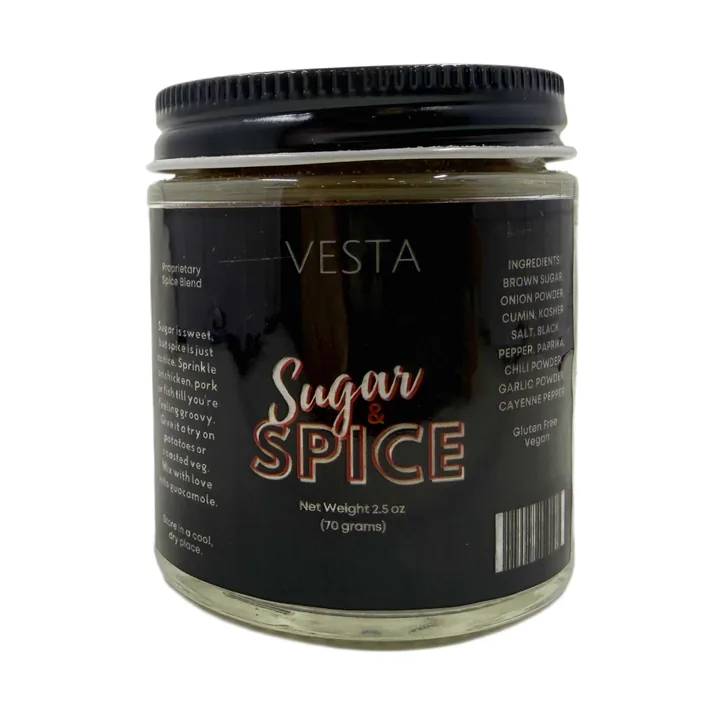
Spices. Gourmet spices lose aroma long before they spoil, so the storage table above is a flavor clock, not a safety rule. Small jars help. Vesta's blends come in 2.5 oz jars, an amount a regular cook finishes inside that clock.
Read a blend's order the same way you read a sauce's. Brand New Funk leads with bonito flakes, then sesame and nori, so its main note is savory fish, with fermented chile and salt at the back of the list.
Preserves. A product sold as jam or preserves must meet a federal standard. For fruits such as blackberry, blueberry and strawberry, the mix must start from at least 47 parts fruit to 55 parts sugar by weight, 45 parts for fruits such as peach, fig and apricot, and the finished jar must reach at least 65 percent soluble solids. Jelly starts from strained juice, at least 45 parts juice to 55 parts sugar.
Peppers are not on the standard's fruit list, so a pepper jam is a nonstandardized food and its ingredient list is your only guide. Loudounberry's Hotter 'N' Hell Pepper Jam lists vinegar, sugar, pectin, mixed peppers, spices and citric acid. That vinegar is why it works as a glaze.
Cottage food labelsMaryland requires cottage food labels to say "Made by a cottage food business that is not subject to Maryland's food safety regulations," according to the Maryland Department of Health's cottage food guidelines (2025). Rules vary by state, including which foods may be made at home and where they may be sold, so check your state health or agriculture department.
Shopping good local markets online
Order by maker to keep shipping simple
LocalCart is a marketplace of independent food makers, most of them in Virginia, Maryland, Pennsylvania and New Jersey, with one each in Ohio and California. Each maker ships their own products, so a cart with items from two makers shows two shipping charges at checkout, with rates calculated for your address. Build each order around one maker.
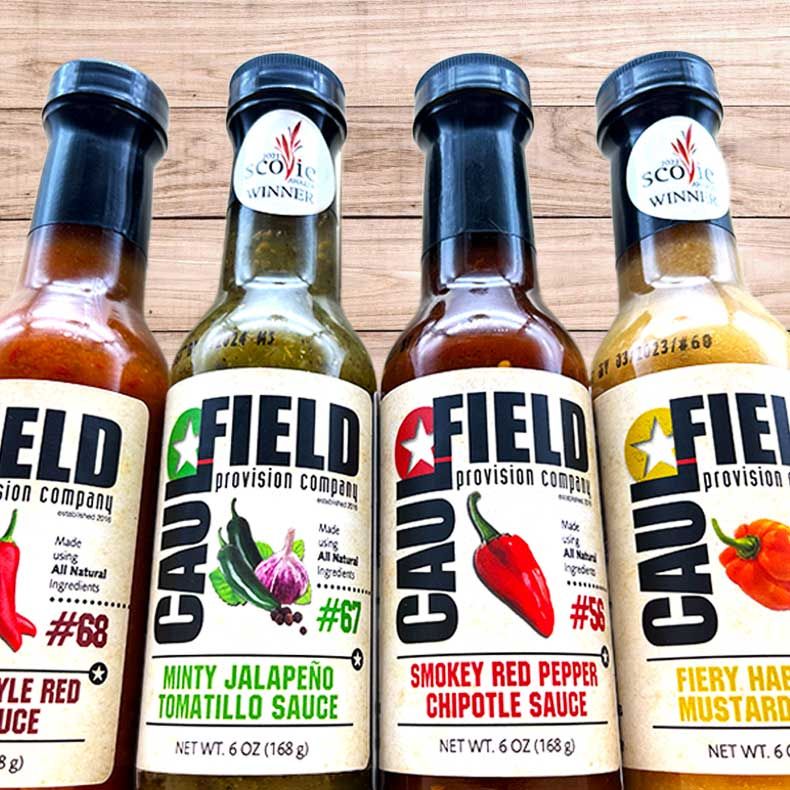
For small batch sauces, Caulfield Provision Company in Potomac, MD, is a woman-owned, family-operated business. Connie Caulfield spent more than 25 years as a stay-at-home mom cooking for her husband and four children, and the sauces grew out of that cooking. The Caulfield cooking sauce four-pack is $35.00 for four 6 oz bottles, and the product photo shows #68 Szechuan Style Red Pepper, #67 Minty Jalapeno Tomatillo, #56 Smokey Red Pepper Chipotle and #60 Fiery Habanero Mustard.
For artisan preserves, Loudounberry jams come from Loudounberry Farm & Garden, a farm market in Loudoun County, VA. Most of its jams and jellies are $4.99. Open each product photo and read the jar label, which lists the fruit and the storage line.
For gourmet spices, Vesta Kitchen in Pottstown, PA, sells two blends at $10.00 each, Sugar & Spice and Brand New Funk. It also makes fermented hot sauces and a tomato sauce, so one Vesta order can stock three of the six jobs under a single shipping charge.
Price per ounce shows where your money goes. Spice blends cost the most per ounce and jams the least, but a teaspoon of rub seasons a whole tray of vegetables, while jam goes on by the spoonful.
| Jar | Size on the label | Price | Per labeled ounce |
|---|---|---|---|
| Brand New Funk, Vesta Kitchen | 2.5 oz | $10.00 | About $4.00 |
| Hill Creek Hot Sauce, Vesta Kitchen | 5 fl oz | $12.00 | About $2.40 |
| Lahtt chili oil sauce | 7.75 fl oz | $12.99 | About $1.68 |
| #68 Szechuan sauce, Caulfield | 6 oz | $6.50 | About $1.08 |
| Black Bear Jam, Loudounberry | 10 oz | $4.99 | About $0.50 |
Questions about an ingredient, a heat level or how to store a jar go to the maker. LocalCart's terms tell buyers to contact the seller directly, and the maker knows the recipe.
All sales are final. LocalCart's policy is "No Returns," and if there is a problem with an order, the store asks you to email info@localcart.net. Checkout works as a guest and takes Stripe or PayPal, and state and local tax is added at the end.
Before you check out0 of 5 done


Every sauce, spice blend and preserve from LocalCart's makers, on one shelf.
Shop sauces & spicesSources
- Wikipedia, Specialty foods
- US Code of Federal Regulations, 21 CFR 101.4, Food: designation of ingredients
- US Code of Federal Regulations, 21 CFR 150.160, Fruit preserves and jams
- US Code of Federal Regulations, 21 CFR 150.140, Fruit jelly
- US Code of Federal Regulations, 21 CFR 114.3, Acidified foods: definitions
- University of Georgia Extension, How to Safely Make Infused Oils (Circular 1334), 2024
- Texas A&M AgriLife Extension, Safe Home Food Storage (NUTR-PU-100), 2022
- Clemson Cooperative Extension HGIC, Food Storage: Pantry (HGIC 3525), revised 2020
- Maryland Department of Health, Guidelines for Cottage Food Businesses, 2025
Gourmet pantry FAQs
Frequently asked questions
What are the essential items for a gourmet pantry?
Six jars cover it: a cooking sauce, a finishing hot sauce, a chili oil, a spice blend or two, a fruit preserve and a savory preserve such as pepper jam. Choose each for a job you cook often, and read the first three ingredients before you buy.
What are some luxury pantry items?
Items made from ingredients that are hard to source or slow to make. On LocalCart that includes Floral Elixir's Botanist kit ($32.00), five flower syrups in 2 oz glass bottles with recipes on each box, and Pasta Lab's four-bag box ($32.00) of pasta made with Mid-Atlantic grain in Philadelphia.
How long do small-batch sauces and jams keep once opened?
Follow the jar. Texas A&M says to refrigerate commercial jams after opening and gives opened commercial salsa 1 to 2 months in the refrigerator. Commercial hot sauce keeps about 1 year in the pantry on the same chart.
Where can I find good local markets for gourmet food online?
Good local markets, online or in person, show you the maker's name, location and full label before you buy. On LocalCart each listing names the maker, the maker's storefront gives its location and story, and most product photos show the jar label.
Is "artisan" or "small-batch" a regulated term?
No. Neither word has a federal definition. The names "jam," "preserves" and "jelly" are regulated under 21 CFR 150, and cottage food rules for home kitchens vary by state.
Local food & small-batch shopping guides
More from the LocalCart blog