Cart is empty


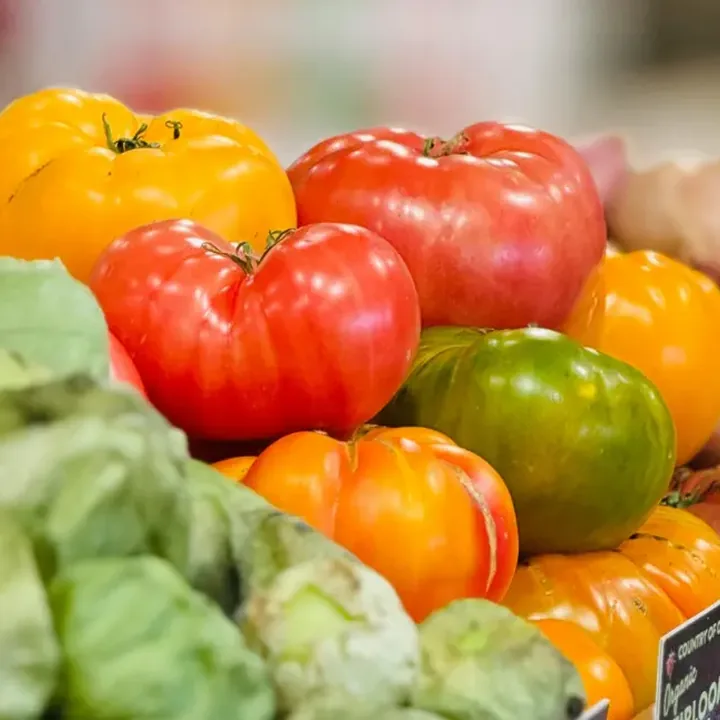
Is the farmers market cheaper than the grocery store? Sometimes, and mostly under the right conditions: peak season, a crop the region grows well, and a market with enough growers to compete. In the regional price studies below, out-of-season produce and staples like carrots were often cheaper at the supermarket, which also carried far more items year-round. No study has settled the question nationally since 2006.
Freshness has a simpler answer. What decides it is the number of days since harvest and how the food was kept, not the sign over the door. Below are the studies with their dates and regions, a side-by-side table, and where a local grocer (or a pantry shop of small-batch goods like LocalCart) fits between the two.
Farmers market prices vs grocery store prices
Market prices win in season, lose on staples
Short answer
Buy peak-season crops at the market, staples at the store
Every study below found savings at markets for some items and premiums for others, so the cheaper trip depends on what is on your list and the month you shop.
- Produce at direct-to-consumer outlets averaged lower prices in national USDA data from 2006 and in a North Carolina summer survey published in 2011
- Summer carrots in North Carolina (2011) and most conventional produce in Utah (2016 to 2017) cost more at markets
- Fewer organic items carried a premium over conventional at Utah markets than in Utah grocery stores in 2016 and 2017
Farmers market
Often cheaper for crops in peak season, with a narrow range off-season
Grocery store
Steadier prices with a year-round range
Evidence base
US data from 2006, North Carolina 2011, Vermont 2010, Utah 2016 to 2017
Only a handful of studies have priced the same produce at a farmers market and a nearby store at the same time. Apart from one national dataset from 2006, each covers one region for a season or a year, so none of them sets a rule for your town. Read the place and the dates before you generalize.
| Study | Where & when | What it found |
|---|---|---|
| USDA ERS report to Congress (2015) | National household purchase data from 2006, seven regions | Apples, grapes, tomatoes, potatoes and peppers bought at direct-to-consumer outlets cost less, on average, than at grocery stores in every season. The discount ran from 8.4% (winter grapes) to 38.4% (winter tomatoes). |
| McGuirt et al., Journal of Hunger & Environmental Nutrition (2011) | 12 North Carolina counties, one summer (published January 2011) | Mean savings of 17.9% at farmers markets across 230 matched produce items, with real differences by county and by item. |
| Valpiani et al., Public Health Nutrition (2015) | Central and eastern North Carolina, all four seasons of 2011 | In peak season, cantaloupe cost 36% less at roadside stands, while summer carrots cost 137.9% more at farmers markets. Results varied item by item. |
| Claro, NOFA Vermont (January 2011), as summarized by ERS | Nine Vermont farmers markets, summer 2010 (mostly July and August) | Of 14 items, six cost significantly more at farmers markets and two cost significantly less. |
| Utah State University Extension (2016 to 2017) | Eight Utah farmers markets, 14 grocery stores, June to October 2016 and June to September 2017 | Conventional produce cost more at markets for 19 of 30 items. One market ran an 81% premium on a large basket, while two others priced close to nearby stores. |
The national number is old, and it comes with a caveat the authors state themselves. The 2006 household data could not confirm that a "fruit stand" purchase was locally grown, and the comparison stores sat across a wide area. In the ERS report to Congress, the discount against supercenters was smaller than against grocery stores, and for peppers it disappeared.
The North Carolina pair shows why averages mislead. The 2011 summer study found markets cheaper in most counties. The four-season study, which priced central and eastern North Carolina outlets through 2011, found peak-season deals on cantaloupe, plums and watermelon. It also found summer white potatoes 100% higher at farmers markets than at supermarkets.
Utah adds a second variable: which market. The USU price survey of Northern Utah markets in 2016 and 2017 found a large conventional basket at the Ogden market cost $41 more (an 81% premium) than at a low-price local grocery store, while the Logan and Kaysville markets were competitive with stores around them.
We have written about the community side of farmers market vs grocery store shopping before. This section is only about the receipt, and the receipt says: shop the glut.
Price check before you shop0 of 5 done
Freshness, variety & seasonal food
Freshness is days since harvest, not the venue
A food science review from UC Davis gives the clearest picture of what "fresh" buys you. Spinach held at room temperature lost all of its vitamin C in under four days, and fresh peas lost half in a week. Even refrigerated at 4°C, fresh spinach and peas dropped below the vitamin C level of their frozen versions after about 10 days, according to Rickman, Barrett and Bruhn (2007).
Their conclusion was that fresh is often best, as long as it has not sat for long. A tomato picked the day before a Saturday market starts ahead. A bag of spinach that spent a week on a truck and a shelf may not. A store clerk rarely knows the harvest date. A grower at the market usually does, so ask.
Variety follows the calendar. The North Carolina four-season study counted what was on sale as well as prices. In 2011, outside the local harvest season, many fruits and vegetables were far less available at farmers markets and roadside stands there, and the most commonly eaten items were more widely available at supermarkets in every season. Where a market can win is depth within one crop, such as several kinds of tomato at one stall in August. The store wins on breadth across the year.
Seasonal food moves the price tag. Grocery store prices move slowly. In the 2016 to 2017 Utah survey, store prices stayed stable through the season, while farmers market prices started high in July and August and fell as the harvest piled up. USDA tracks national grocery store prices too. Its October 2026 Food Price Outlook forecasts food-at-home prices up 2.3% in 2026, below their 2006 to 2025 average of 2.6% a year, with fresh vegetables up 5.8% and fresh fruit up 2.9% (ERS).
Farmers market prices follow the harvest instead. The national 2006 ERS data shows how that cuts both ways: the direct-sale discount on tomatoes was smallest in summer (24.6%) because that is also when grocery store tomatoes were cheapest. So is farmers market cheaper in July? In that 2006 data, yes on average, but the store was having its best tomato month too.
| Item | Better bet | Why |
|---|---|---|
| Peak-season melons, plums, watermelon | Market or roadside stand | Lower peak-season prices in North Carolina in 2011 |
| Carrots & other storage staples | Grocery store | Summer carrots cost 137.9% more at North Carolina farmers markets in 2011 |
| Out-of-season fruit | Grocery store | North Carolina markets had far fewer items outside the local season in 2011 |
| Organic produce | Compare both | In Utah in 2016 and 2017, 18 of 30 organic items cost more than conventional at markets vs 29 of 30 in grocery stores |
| Leafy greens | Whoever picked them last | Vitamin C falls within days of harvest, faster when warm |
The USDA ERS local foods research page collects the federal reports behind these numbers, including the 2015 report to Congress and the newer work on how farms sell locally.
Where local grocery stores fit
The middle ground runs on short supply lines
Between the Saturday market and the national chain sits a growing middle: independent grocers, food co-ops and regional chains that buy straight from nearby farms. In 2020, farms sold $1.9 billion of food directly to retailers, a group that includes supermarkets, independent grocery stores and food cooperatives, and 62% of those sales were fresh foods (USDA NASS, 2020 Local Food Marketing Practices Survey).
That channel is growing faster than sales straight to consumers. Between the 2017 and 2022 Censuses of Agriculture, farm sales to retailers, institutions and intermediaries such as food hubs rose 33.2% after inflation to $14.2 billion, and the number of farms selling that way more than doubled to 60,332 (ERS, 2024). Direct-to-consumer sales, farmers markets included, held roughly flat after inflation.
| Feature | Farmers market | Chain grocery store | Local grocer or co-op |
|---|---|---|---|
| Fresh produce | Usually picked for that market, in season only | Year-round, from wherever it is in season | Local when in season, distributors the rest of the year |
| Who you can ask | Usually the grower | A produce clerk | Often a buyer who deals with the farm |
| Price pattern | Swings with the harvest | Steady, with weekly sales | Usually in between |
| Hours | A few hours, a day or two a week | Daily, long hours | Daily |
One thing to check at any store: "local" has no single federal definition. USDA's local food survey uses a reach of less than 400 miles or within the state where the food was produced, so a "local" sign can describe a farm a long day's drive away. A good local grocer will name the farm. If the sign does not, ask.
Some farmers market benefits are hard for any store to copy. You can ask how a crop was grown, taste before you buy, and know that the money goes to the grower. In the 2020 NASS survey, about 78% of farms selling food directly sold all of it within 100 miles. The benefits of buying local produce post covers that side in more depth.
Farmers market Our pick
- Peak-season fruit by the box
- Talking to the grower
- Organic, with smaller premiums in the Utah data
Grocery store
- Staples like carrots, onions, bananas
- Out-of-season produce
- One-stop weekly shopping
Local grocer
- Local seasonal food on weekdays
- Named farms on the shelf tag
- Regional eggs or dairy, when stocked
Where LocalCart fits. LocalCart does not sell produce. It is an online marketplace where small food makers in Virginia, Maryland, Pennsylvania and beyond sell jams, sauces, spice blends and pantry goods. Some name the farms behind their ingredients. Vesta Kitchen in Pottstown, PA, makes Hill Creek Hot Sauce with peppers grown at Hill Creek Farm in Chester County. Rosie's Kettle Corn in Coatesville, PA, says its popcorn is sourced in Lancaster County. Loudounberry, a farm market in Loudoun County, VA, sells Traffic Jam, a 10 oz jar of strawberries, raspberries and blueberries.


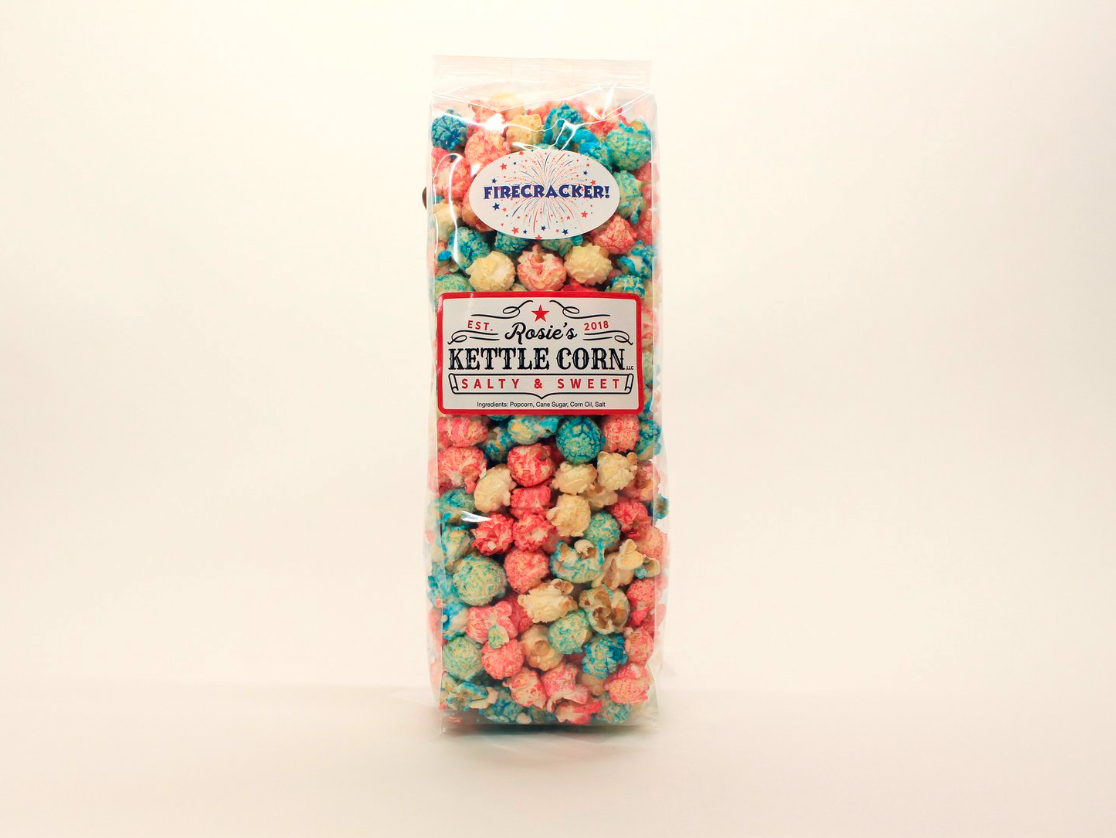
Each maker ships its own products, so a cart with items from two makers shows two shipping charges at checkout, with rates calculated for your address. That makes it a fit for stocking up a few jars at a time, not for this week's salad.
Sources
- USDA ERS, Trends in U.S. Local and Regional Food Systems: A Report to Congress (AP-068), 2015
- McGuirt, Jilcott, Liu, Ammerman, Produce Price Savings for Consumers at Farmers Markets Compared to Supermarkets in North Carolina, Journal of Hunger and Environmental Nutrition, 2011
- Valpiani, Wilde, Rogers, Stewart, Patterns of fruit and vegetable availability and price competitiveness across four seasons, Public Health Nutrition, 2015
- Claro, Vermont Farmers' Markets and Grocery Stores: A Price Comparison, NOFA Vermont, January 2011
- Utah State University Extension, Targeting Farmers Markets in Utah: Understanding Fresh Produce Pricing (data 2016 to 2017)
- Rickman, Barrett, Bruhn, Nutritional comparison of fresh, frozen and canned fruits and vegetables, Part 1, J Sci Food Agric, 2007
- USDA ERS, Food Price Outlook, Summary Findings, updated October 23, 2026
- USDA ERS, Local Foods topic page
- USDA NASS, Direct Farm Sales of Food: Results from the 2020 Local Food Marketing Practices Survey, 2022
- USDA ERS, Chart of Note: Agricultural census shows strong growth in direct sales from farms and ranches, 2024
Farmers market vs grocery store FAQs
Frequently asked questions
Is it cheaper to go to a farmers market or grocery store?
It depends on the crop, the season and the market, and the studies are regional. Summer prices across 230 matched items in 12 North Carolina counties averaged 17.9% lower at markets in a study published in 2011. In Utah in 2016 and 2017, conventional produce cost more at markets for 19 of 30 items, and the supermarket also carries more out-of-season produce. Compare per-pound prices on the items you buy most.
Is farmers market produce healthier than grocery store produce?
Not by default. Nutrients like vitamin C fall after harvest, faster at room temperature, so the healthier choice is whichever was picked more recently and kept cool. At a market you can usually ask the grower when it was picked.
What is the difference between a farmers market and a grocery store?
At a farmers market the sellers are usually the growers, selling their own harvest for a few hours a week. A grocery store buys from distributors and farms and sells year-round. Local grocery stores and co-ops sit in between, often buying from nearby farms when crops are in season.
What are the disadvantages of farmers markets?
Short hours, a narrow range outside the harvest season, and prices that can run higher on staples. Payment options vary by vendor, so bring cash as a backup.
How can I buy local when the market is closed?
Shop local grocery stores and co-ops that name their farms, join a farm share, or buy local pantry goods that keep. To buy local jams, sauces and spice blends from small makers online, browse LocalCart's small-batch catalog.
Local food & small-batch shopping guides
More from the LocalCart blog