Cart is empty


A fermented hot sauce gets its sourness from lactic acid bacteria that feed on the sugars in salted, mashed peppers. A vinegar hot sauce gets it from vinegar added by the cook. Many bottles use both. In Louisiana-style sauces, the LSU AgCenter notes, the share of vinegar added to the fermented mash is one of the main differences between brands.
Both routes aim at the same safety line. Bottled sauce needs a pH below 4.6, the level at which Clostridium botulinum cannot grow, according to South Dakota State University Extension.
How fermented hot sauce is made
Weeks of bacteria versus one pot of vinegar
Short answer
Fermented sauce is soured by bacteria over time. Vinegar sauce is soured on the stove.
Pick fermented for depth and a softer sour note. Pick vinegar for a sharp, clean bite.
- Fermented: salted pepper mash, lactic acid, weeks to years of aging
- Vinegar: peppers cooked with vinegar, acetic acid, ready the same day
- Many sauces combine them, so read the label
Fermented
Lactic acid from bacteria
Vinegar
Acetic acid added by the cook
Safety line
pH below 4.6 in the bottle
A fermented hot sauce starts as fresh peppers ground with salt into a mash. Salt matters here: in fermented vegetables, NCHFP says, salt "favors the growth of desirable bacteria while inhibiting the growth of others," and it warns against cutting it. The bacteria then turn the peppers' sugars into acid, and the pH falls.
Louisiana sauces show how long that can take. An LSU AgCenter team notes that commercial mash is fermented in barrels for anywhere from two weeks to three years. Their 550-day study found lactic acid bacteria, mainly Lactobacillus plantarum and Lactococcus species, working alongside Candida yeasts in four stages.
A vinegar hot sauce skips the wait.
Peppers are cooked with vinegar and seasonings, then bottled. Under federal rules a sauce like that may count as an acidified food: 21 CFR 114 covers low-acid foods, peppers named among them, that are brought to an equilibrium pH of 4.6 or below by adding acid.
| Feature | Fermented | Vinegar |
|---|---|---|
| Where the acid comes from | Lactic acid made by bacteria in a salted mash | Vinegar poured in by the maker |
| Time before bottling | Weeks, and up to three years in some Louisiana barrels | Hours |
| Taste | Softer sour, more aroma from fermentation compounds | Sharp, bright acidity |
| Live microbes in the bottle | Only if the sauce is not heated after fermenting | No |
| Example on LocalCart | Vesta Kitchen Garlic Blues, Hill Creek, Yellow Submarine | Caulfield #60 and #56, which list distilled vinegar |
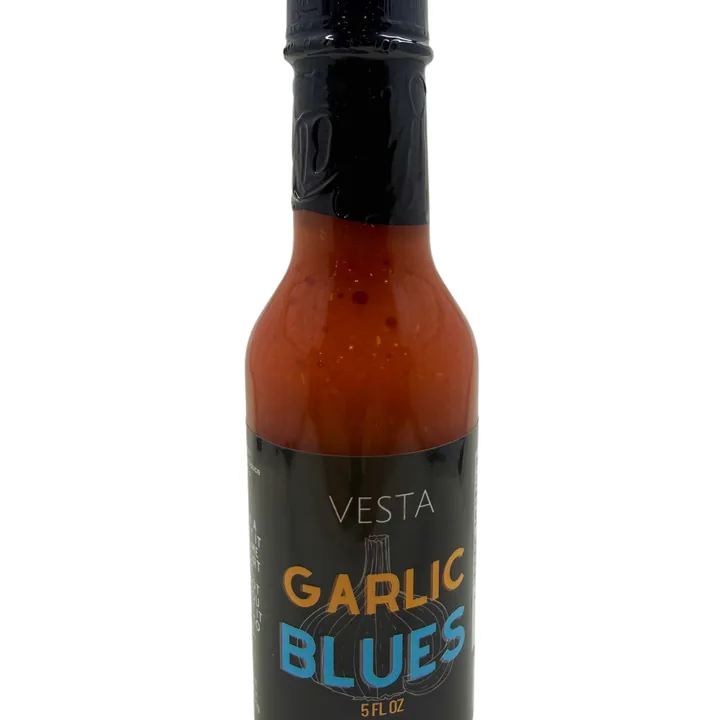
Vesta Kitchen in Pottstown, Pennsylvania, makes the fermented kind. Its Garlic Blues fermented bottle is "fermented with a crazy amount of garlic," in the maker's words, and described as extremely aromatic with a smooth finish. Caulfield Provision Company's bottles show the other route on their ingredient lists, with distilled or cider vinegar listed alongside the peppers.
One catch in the fermented vs vinegar hot sauce split: vinegar is itself a fermented product, made when bacteria turn alcohol into acetic acid. The difference is whether the peppers ferment.
A scientific panel convened by the International Scientific Association for Probiotics and Prebiotics drew that line plainly in its 2021 consensus statement. A condiment that simply contains vinegar does not count as a fermented food in its view, and neither do vegetables pickled without live microbes doing the work.
Hot sauce flavor, heat & shelf life
Fermenting builds aroma. It does not add heat.
The change researchers have measured is mostly in aroma. In a 2018 study in the International Journal of Food Science and Technology, LSU researchers tracked six aroma compounds in red pepper mash and found they rose significantly over the first 60 days, then fell significantly after 300 days. Longer is not always better.
Heat comes from the peppers. Capsaicin is in the pod before any process starts, so neither method adds burn. What changes is how much the maker dilutes the peppers with vinegar, fruit, garlic or water. That is why Vesta calls Garlic Blues, with its load of garlic, "a bit less spicy" than the sauce it is based on.
Probiotic claims on a bottle
Fermented does not mean probiotic
You will see "probiotic hot sauce" on some labels. The ISAPP panel defines fermented foods by how they are made, "through desired microbial growth and enzymatic conversions of food components," and says such products should be labeled as containing probiotics only when there is evidence that their live microbes provide a health benefit and the microbial content is defined. For everything else it suggests plainer wording: "contains live and active cultures" when live microbes remain, and "foods made by fermentation" when they do not. The panel files heat-treated fermented vegetables under fermented foods even though heating kills the microbes, so a lacto fermented hot sauce heated after fermenting still counts as fermented but carries no live cultures.
So buy a fermented sauce for flavor. A bottle that says "probiotic" is making a claim that needs defined strains and evidence behind it, and the panel expects most fermented foods on the market not to qualify.
Making your own
Use a tested method & a pH meter
If you are searching for a hot sauce recipe to make at home, SDSU Extension says to use only tested recipes, such as those from NCHFP or recent Ball canning books, and to bring hot sauce to a boil, since a low pH alone does not kill pathogens already present. In South Dakota, a sauce sold at a farmers market or to retail also needs a recipe review by an SDSU Extension food safety specialist and a pH test.
NCHFP does not publish a tested fermented pepper mash, so its sauerkraut directions are the closest guide to how to ferment hot sauce: measure the salt, keep the vegetables under brine, and ferment warm. NCHFP recommends 70 to 75°F for kraut and says it may not ferment below 60°F. A meter reading under 4.6 before bottling is the check that matters. For the wider science, Wikipedia's page on fermentation in food processing covers the chemistry in more depth.
How long each one keeps
Acid does the preserving in both
Shelf life follows acidity and handling more than method. Both styles rely on a low pH, and the bottle label is the instruction to follow. A fermented sauce that was not heated after fermenting may still hold live microbes, so storage directions matter more on those. Discard any bottle with mold, swelling or an off smell.
Fermentation can also overshoot. In the LSU study's natural ferment, lactic acid bacteria and yeast declined near the end while aerobic microbes appeared, and the team recommends stopping a natural mash ferment at 550 days to avoid spoilage.
What makers at local community markets choose
Small makers pick a method & the paperwork that follows
For a small maker, the choice is partly about taste and partly about regulation. Vinegar sauces are quick and predictable. Fermenting ties up space and time but gives a hot sauce flavor that vinegar alone cannot copy.
Oregon State University Extension spells out the regulatory split for Oregon. A shelf-stable sauce made by cooking peppers with vinegar may fall under acidified food rules: pH testing, a recipe review by a process authority, Better Process Control School and a licensed kitchen. "A fermented hot sauce with no added vinegar or acid may follow a different review process," it adds. Rules vary by state, so the state agriculture department is the first call.
| Maker | Method, per page or label | Sauces on LocalCart | Price |
|---|---|---|---|
| Vesta Kitchen, Pottstown, PA | Fermented, stated on the product pages | Garlic Blues, Hill Creek, Yellow Submarine, Tangled Up in Blue | $12.00 each |
| Caulfield Provision Company, Potomac, MD | Distilled or cider vinegar in the ingredient lists | #60 Fiery Habanero Mustard, #56 Smokey Red Pepper Chipotle, #68 Szechuan Style Red Pepper, #67 Minty Jalapeno Tomatillo | $5.99 to $6.50 |
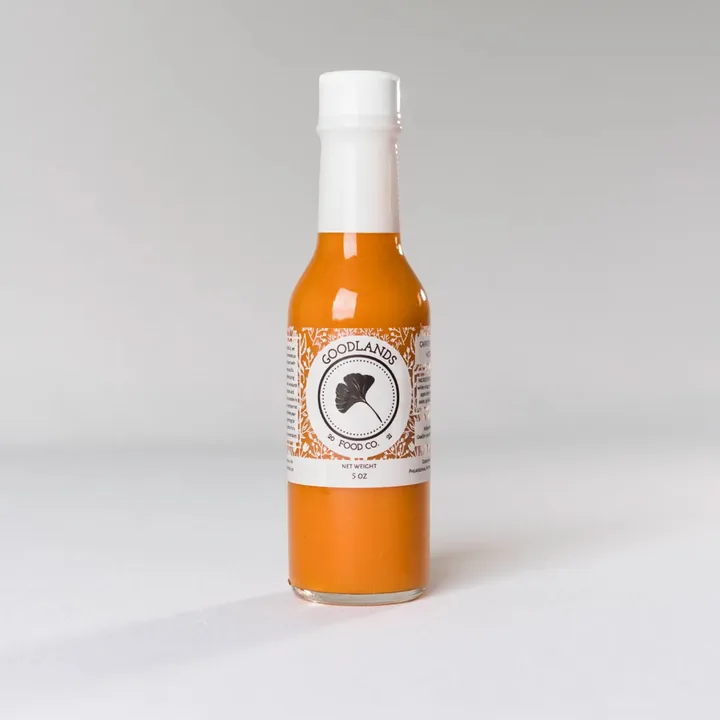
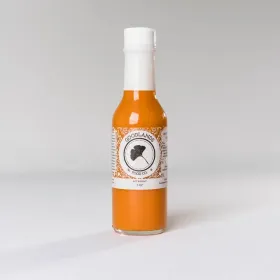
| Goodlands Food Co., NJ | Not stated on the pages | Lemon Love, Carrot Habanero, Rhubarb Habanero, Jalapeno Dill Pickle | $12.00 each |
Vesta's story starts at in-person events. John, who runs it, opened Vesta BBQ & Catering in 2018 with a tent, folding tables and a smoker attached to his car, then turned it into Vesta Kitchen during the pandemic, as in-person events declined. His fermented sauces name their farms: Hill Creek uses peppers from Hill Creek Farm in Chester County, Pennsylvania, and Yellow Submarine uses yellow peppers from Knee High Farm and Hill Creek Farm. Tangled Up in Blue is fermented the same way, then finished with butter and blue cheese from Birch Run Hills Farm.


Caulfield's numbered sauces read like classic vinegar sauces built for cooking. The #56 Smokey Red Pepper Chipotle lists water, diced tomatoes and distilled vinegar ahead of red jalapenos, and the maker suggests it for tacos, eggs, fish and chili.

Goodlands Food Co. does not say which method it uses, which is a reason to ask the maker. Its lemon love bottle is described as a lemon pepper sauce "developed as a wedding gift" and the company's "hottest yet," with tangy lemon, sweet heat, black pepper and a hint of paprika. The maker suggests glazing wings with it or swirling it into a salad.
Ask before you buyIf the method matters to you, ask the maker whether the sauce is fermented, whether vinegar is added, and whether it is heated before bottling. That last answer tells you if anything live is left.
Sources
- South Dakota State University Extension, How to Make a Safe Hot Sauce, 2023
- National Center for Home Food Preservation, General Information on Fermenting
- LSU AgCenter, Spicing Up Louisiana with Hot Sauce, 2019
- eCFR, 21 CFR Part 114 Acidified Foods
- Marco et al., ISAPP consensus statement on fermented foods, Nature Reviews Gastroenterology & Hepatology, 2021
- Watts et al., Microbiological changes and their impact on quality characteristics of red hot chilli pepper mash during natural fermentation, International Journal of Food Science and Technology, 2018
- National Center for Home Food Preservation, Sauerkraut
- Wikipedia, Fermentation in food processing
- Oregon State University Extension, How do I start selling homemade hot sauce in Oregon?
Fermented hot sauce FAQs
Frequently asked questions
What's the difference between hot sauce and fermented hot sauce?
Fermented hot sauce is a type of hot sauce. Its acidity comes from lactic acid bacteria working on a salted pepper mash, while most other hot sauces get their acidity from added vinegar. Many commercial sauces do both.
Is fermented hot sauce probiotic?
Not by default. The 2021 ISAPP consensus statement says a fermented food should be labeled as containing probiotics only with evidence that its live microbes provide a health benefit. A sauce heated after fermenting has no live microbes at all.
How much vinegar should you put in hot sauce?
Follow a tested recipe and do not change the vinegar ratio. For pickled foods, NCHFP recommends vinegar of 5 percent acidity and warns against changing vinegar, food or water proportions. SDSU Extension adds that bottled hot sauce needs a pH below 4.6, and a sauce sold in South Dakota must be pH tested.
Does fermented hot sauce go bad?
It can. Follow the label for refrigeration, especially on sauces that were not heated after fermenting. Throw out any bottle with mold, bulging or an off smell.
Where can I find small batch hot sauce from local community markets?
Many makers who started at local community markets now sell online. LocalCart's small batch hot sauce shelf carries fermented sauces from Vesta Kitchen in Pennsylvania and vinegar-based cooking sauces from Caulfield Provision Company in Maryland. Each maker ships their own order.
Local food & small-batch shopping guides
More from the LocalCart blog