Cart is empty


Chili oil is oil infused with chili peppers, and it earns a place in the fridge door because one spoon adds heat and savory depth. Use it as a finishing drizzle on noodles and rice, as the base of a dumpling dip, or as the start of a marinade.
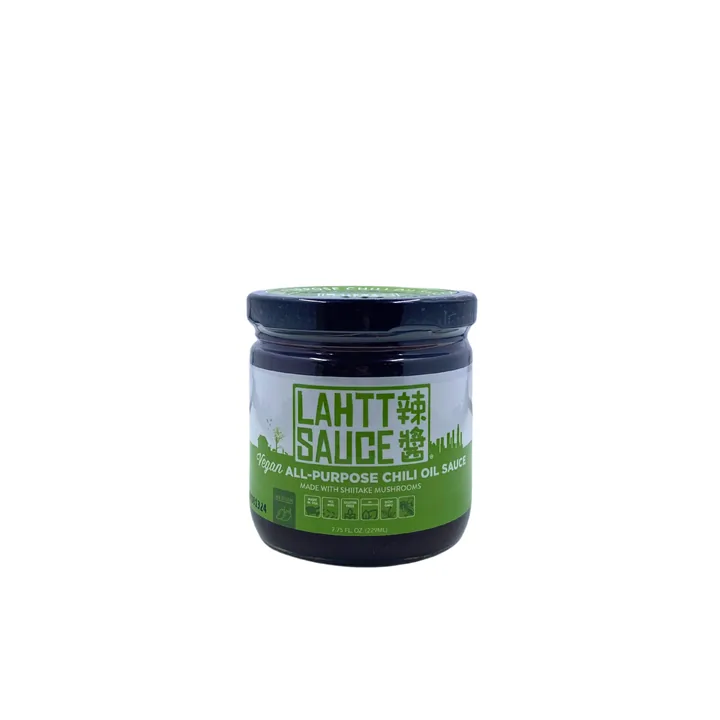
The jar behind these ideas is Lahtt Sauce's Vegan All-Purpose Chili Oil Sauce ($12.99, 7.75 fl oz), made in Los Angeles and labeled medium heat. Any good chili oil works, but solids and heat vary from jar to jar, so taste yours before you pour.
Chili oil noodles & chili oil ramen
Two bowls you can make before the water stops boiling
If you only learn how to use chili oil one way, learn it on noodles. Wikipedia's background on the condiment describes chili oil in China as hot oil poured slowly over chili powder or chopped chilies, used as an ingredient in cooked dishes as well as a condiment. The solids settle to the bottom of the jar, and you choose how much of them to spoon up.
1. Toss chili oil noodles with soy & vinegar
Hot noodles, a spoon of oil & a splash of acid
Cook wheat noodles or spaghetti, drain them, and toss them hot with a spoonful of chili oil, a splash of soy sauce and a little rice or black vinegar. Scallions and a fried egg turn it into dinner. The vinegar keeps the oil from tasting heavy, so add it even if you think you do not need it.
Stir from the bottom of the jar for chili oil noodles. The oil on top carries color, and the solids below carry the chili and aromatics.

2. Finish a bowl of chili oil ramen
A red slick across the broth, added at the table
For chili oil ramen, cook the noodles and broth as usual, then spoon the oil over the top right before you eat rather than into the pot. Added last, it sits on the surface and every bite picks some up. Lahtt's own story starts here: the founder's father, head chef of the first dim sum restaurant in California's South Bay, first made the sauce in a wok to top a classic noodle soup.
Chili oil eggs for breakfast
Rich yolks are what chili oil was made for
Ask what to put chili oil on in the morning and the answer is eggs. Crisp fried whites and a soft yolk soak up the oil instead of letting it slide off, and chili oil eggs take no more time than plain ones.
3. Fry eggs right in the chili oil
Crisp edges that come out red
Spoon a little chili oil into a skillet over medium heat and crack the eggs straight into it. The whites crisp in the oil and pick up its color. Keep the heat moderate, because chili solids scorch quickly in a very hot pan.
Cook the eggs until the white is set and the yolk is as firm as you like it. The FDA's advice is to cook eggs until the yolk and white are firm, which matters most when you cook for young children, older adults or anyone pregnant.
4. Top a rice & egg bowl with furikake
Chili oil plus a crunchy sprinkle
Warm leftover rice, add a soft scrambled or fried egg, drizzle on chili oil and finish with a seasoning for crunch. Vesta Kitchen's Brand New Funk furikake ($10.00, 2.5 oz) from Pottstown, PA, lists bonito flakes, sesame, nori, almond, fermented chile powder and salt.
That ingredient list matters if you cook for someone vegan or allergic. Bonito is a fish, almond is a tree nut and sesame is a major allergen, so the furikake is not a vegan topping even when the chili oil is.

Chili oil dumplings & dipping sauces
Three ingredients make the classic dip
Chili oil dumplings need nothing more than a good dip, and the sauce is easy to make at home for store-bought or homemade dumplings.
5. Mix the classic dumpling dip
Chili oil, soy sauce & black vinegar
Stir together roughly equal parts soy sauce and black vinegar, then add chili oil to taste, starting with a teaspoon. A pinch of sugar or a little minced garlic is optional. Spoon it over boiled dumplings or wontons, or serve it on the side with potstickers fresh from the pan.
Once dumplings are on a party table, the FDA's 2-hour rule applies: discard cooked perishables left out longer than 2 hours, or 1 hour above 90°F.
6. Stretch the oil into a creamy dip
Yogurt or mayo tames the heat
For guests who want less heat, swirl chili oil into plain yogurt, sour cream or mayonnaise. Wikipedia notes a similar idea in Turkish cooking, where chili-infused oil is poured over the garlic yogurt sauce on manti dumplings. The creamy base carries the flavor while the dairy softens the burn.
Want a ready-made option beside the chili oil? LocalCart's shelf of small-batch sauces includes Caulfield Provision Company's #68 Szechuan Style Red Pepper Sauce ($6.50) from Potomac, MD, which the maker suggests for stir-fry, beef or pork and as a marinade.

More chili oil recipes from local market food makers
Marinades, pizza & roasted vegetables
The last two chili oil uses take the jar off the breakfast and noodle shelf. LocalCart's listing for Lahtt's all-purpose chili oil sauce suggests dipping, stir-fries and marinades, and a chunky chili oil sauce handles all three.
- 7Start a marinade or stir-fry with itBest for tofu, chicken & vegetables
- 8Drizzle it over pizza, avocado toast or roasted vegetablesBest for using up the jar
Is a jar of vegan chili oil really vegan?
Read the label, not the name
Many chili oil recipes are plant-based, but not all of them. Wikipedia lists dried shrimp among the extras Chinese cooks sometimes add, and chili crisp, a close relative, is often made with fried aromatics and sometimes other ingredients. For a vegan chili oil, look for the word on the label. Lahtt's jar reads Vegan All-Purpose Chili Oil Sauce, made with shiitake mushrooms, and carries gluten free, non-GMO and no MSG badges.
Lahtt is one of the small makers that sell local market food on LocalCart, which collects small-batch preserves, sauces and spice blends from makers in several states. Each maker ships its own order, so a cart with Lahtt and Vesta Kitchen shows two shipping charges at checkout. For more small-batch goods from makers around the country, LocalCart's blog post on more small-batch goods from makers is a good next read.
7. Start a marinade or stir-fry with it
Cook with it, not only on top
Whisk chili oil with soy sauce, a little sugar and grated ginger, and use it to marinate tofu, chicken or vegetables before a stir-fry. Marinate in the refrigerator, not on the counter, and do not reuse marinade from raw meat unless you boil it first, as the FDA advises.
In a stir-fry, add a spoonful near the end so the chili solids do not burn in a very hot wok.
8. Drizzle it over pizza, avocado toast or roasted vegetables
A finishing oil for anything plain
Treat chili oil like a finishing olive oil. A thin drizzle wakes up cheese pizza, avocado toast, roasted cauliflower or a bowl of white beans. Italian cooks do the same with olio di peperoncino, Wikipedia notes, adding it to sauces, salads, cheeses and antipasto.
Sources
Chili oil FAQs
Frequently asked questions
What can you put chili oil on?
Noodles, ramen, fried or scrambled eggs, rice bowls, dumplings, pizza, avocado toast and roasted vegetables. It also works as the base of a dumpling dip or a marinade for tofu, chicken and vegetables.
Is chili oil vegan?
Often, but check the label. Some recipes add dried shrimp or other animal ingredients. Lahtt's jar on LocalCart is labeled vegan and made with shiitake mushrooms.
How should you store an open jar of chili oil?
Follow the jar's own directions, and refrigerating after opening is the cautious choice when a label says nothing. Homemade oil is different: University of Georgia Extension warns that garlic and herbs in oil can carry C. botulinum spores, and says non-acidified homemade infused oil must be kept in the refrigerator and discarded 4 days after it is made.
What is the difference between chili crisp & chili oil?
Chili crisp is chili oil with a lot of crunchy solids, usually fried chili and aromatics. Wikipedia notes the two terms are sometimes used interchangeably, but a crisp contains edible chunks, while a thinner oil is mostly for drizzling.
Where did chili oil originate?
Chili oil is most closely tied to Chinese cooking, especially Sichuan, Hunan, Guizhou and Shaanxi cuisines, according to Wikipedia. Versions also exist in Japan, Italy, Mexico, Portugal and Turkey.
Local food & small-batch shopping guides
More from the LocalCart blog